Architecture photography is the art of capturing buildings and structures in ways that convey their design intent, scale, and spatial relationships. Whether you are photographing a Gothic cathedral, a modernist skyscraper, or a weathered barn, the goal is to reveal the character of the structure through thoughtful composition, lighting, and technical precision.
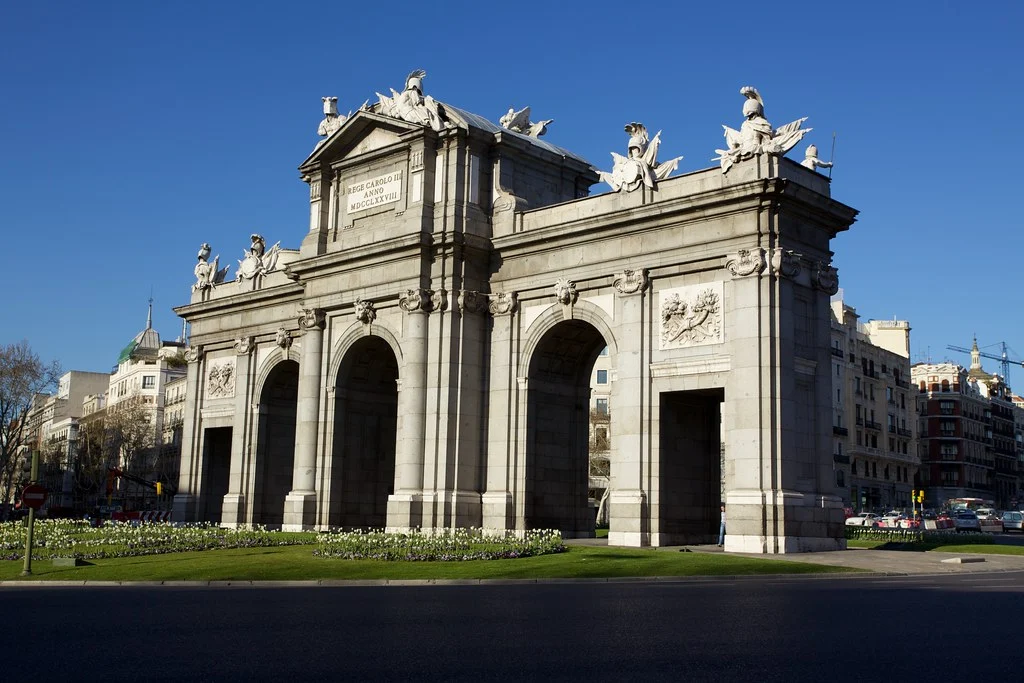
This guide covers the essential techniques, camera settings, and compositional approaches that will help you create compelling architectural images.
Camera Settings for Architecture Photography
Aperture
Architecture photography typically demands maximum sharpness across the entire frame. Shoot between f/8 and f/11 for the sharpest results, this is the sweet spot where most lenses deliver peak optical performance. Avoid very small apertures like f/22, which introduce diffraction softness. If you need front-to-back sharpness on an interior shot, f/11 is usually sufficient when combined with proper focus placement at the hyperfocal distance.
Shutter Speed and Stability
Since buildings do not move, you can use any shutter speed you need, provided you have a stable support. A tripod is essential gear for architecture photography. It allows you to shoot at base ISO with optimal apertures regardless of lighting conditions. Use a cable release or two-second timer to eliminate camera shake from pressing the shutter button.
ISO
Keep ISO at your camera’s base value (typically ISO 100 or 200) for maximum image quality and dynamic range. Since you are using a tripod, there is no reason to raise ISO for exterior shots. Interior photography may require higher ISO values if a tripod is not permitted or practical, but always start at base ISO and increase only as needed.
Shooting in RAW
Always shoot in RAW format for architecture. RAW files give you far more latitude to correct white balance (critical for mixed lighting in interiors), recover highlight detail in bright skies, and apply precise lens corrections in post-processing. The additional file size is a worthwhile trade for the editing flexibility.
Essential Lenses
Lens choice profoundly affects how buildings appear in your photographs.
- Wide-angle zoom (16-35mm or 14-24mm): The most versatile option for architecture. Wide enough to capture entire facades and interiors, with the flexibility to zoom in for details. A quality wide-angle zoom is the first lens every architecture photographer should own. See our landscape lens recommendations for options that work equally well for architecture.
- Tilt-shift lens (17mm, 19mm, or 24mm): The specialist tool for serious architectural work. The shift function corrects converging verticals optically, keeping building lines perfectly parallel. The tilt function controls the plane of focus. Expensive but indispensable for professional results.
- Standard zoom (24-70mm): Useful for architectural details, environmental context shots, and situations where a wide angle would introduce too much distortion.
- Telephoto (70-200mm): Compresses perspective, making distant buildings appear larger relative to their surroundings. Excellent for isolating architectural details like ornamental work, window patterns, and roofline silhouettes.
Composition Techniques
Strong composition transforms a snapshot of a building into an architectural photograph. Here are the techniques that matter most.
Correcting Converging Verticals
When you tilt your camera upward to capture a tall building, the vertical lines converge toward the top of the frame, a phenomenon called keystoning. While this can be used creatively, it often makes buildings look like they are falling backward. To correct this:
- Keep the camera level (parallel to the ground) and use a wider lens to include the entire building
- Shoot from a higher vantage point: an elevated position across the street, a neighboring building, or a parking garage
- Use a tilt-shift lens to correct perspective optically
- Correct converging lines in post-processing using lens correction tools (Lightroom, Photoshop, or DxO)
Leading Lines and Symmetry
Architecture is full of leading lines: corridors, staircases, railings, rows of columns, and structural beams that guide the viewer’s eye through the image. Look for lines that lead to a focal point or create a sense of depth and perspective.
Symmetry is another powerful tool. Many buildings are designed with bilateral symmetry, and centering your composition on the axis of symmetry creates a formal, balanced image that emphasizes the architect’s design intent. Even small deviations from perfect symmetry are noticeable and distracting, so take time to align your camera precisely.
Patterns and Repetition
Buildings are constructed from repeated elements: windows, bricks, floor tiles, structural members. Filling the frame with these patterns creates compelling abstract compositions that emphasize the rhythm and order of architectural design. Look for moments where the pattern is broken by a single element, an open window in a grid of closed ones, or a figure walking through a colonnade, which creates a focal point within the repetition.
Including Human Scale
A lone figure standing at the base of a massive structure instantly communicates scale in a way that measurements cannot. People also add life and narrative to architectural images. Decide intentionally whether to include or exclude people, a long exposure can blur moving crowds into ghostly traces, while a carefully placed single figure can anchor the composition.
Lighting for Architecture
Light transforms architecture. The same building can look completely different depending on when and how it is lit.
Golden Hour and Blue Hour
The golden hour, the period shortly after sunrise and before sunset, bathes buildings in warm directional light that reveals texture, creates long shadows, and adds dimensional depth. Blue hour, the twilight period just after sunset, is particularly magical for architecture: the sky glows deep blue while artificial interior and exterior lights switch on, creating a balanced exposure between the building and sky that is impossible to achieve during daylight.
Overcast Days
Cloudy skies provide soft, even lighting that eliminates harsh shadows and reduces contrast. This is ideal for photographing building details and interiors but can make exteriors look flat. The featureless white sky of an overcast day is the architecture photographer’s biggest challenge, either compose to exclude the sky, replace it in post, or wait for better conditions.
Interior Lighting
Interior architecture photography often involves mixed lighting, daylight through windows combined with artificial tungsten, fluorescent, or LED fixtures. Each light source has a different color temperature. Solutions include:
- Shooting multiple exposures and blending them to handle the extreme dynamic range between bright windows and dark interiors
- Using HDR techniques with bracketed exposures for interiors with high contrast
- Supplementing with flash or continuous lighting to fill shadows and balance with window light
- Converting to black and white to sidestep color temperature conflicts entirely
Exterior vs Interior Architecture
Exterior photography is largely about timing and position. You need the right light (golden hour, blue hour, or dramatic weather), the right vantage point (elevation, distance, angle), and the right lens. Scout the building at different times of day to see how light moves across the facade. Pay attention to reflections in glass, shadows cast by neighboring buildings, and how landscaping frames the structure.
Interior photography is about managing light, space, and clutter. Turn on all lights to create a warm, inhabited feeling. Straighten furniture, remove personal items that distract from the architecture, and open or close blinds to control window brightness. Shoot from corners to maximize the sense of space, and keep the camera at a consistent height (roughly chest height works well for residential interiors, higher for commercial spaces). Multiple bracketed exposures blended in post-processing are standard practice for interiors.
Post-Processing Architecture Photos
Post-processing is where architecture photos often come together. Key adjustments include:
- Perspective correction: Use Lightroom’s Transform panel or Photoshop’s Perspective Warp to straighten converging verticals and correct lens distortion. Enable lens profile corrections for your specific lens.
- White balance: Critical for interiors with mixed lighting. You may need to adjust white balance selectively across different areas of the image using local adjustment brushes.
- Highlight and shadow recovery: Pull back blown highlights in skies and windows, and lift shadows to reveal detail in dark interiors.
- Sharpening: Apply careful sharpening to enhance architectural detail without introducing halos along hard edges.
- Distortion correction: Remove barrel or pincushion distortion introduced by wide-angle lenses. Most editing software can apply automatic corrections based on your lens profile.
- Sky replacement: When a bland sky lets the image down, a tasteful sky replacement can transform the photo. Keep it realistic, match the lighting direction and color temperature of the replacement sky to the building.
Frequently Asked Questions
Do I need a tilt-shift lens for architecture photography?
No, but it helps significantly for professional work. You can correct converging verticals in post-processing with excellent results. A tilt-shift lens does it optically, preserving full resolution and eliminating the need for cropping. If you photograph architecture regularly and your budget allows, a tilt-shift lens is a worthwhile investment.
What is the best time of day to photograph buildings?
Blue hour (20-30 minutes after sunset) is often considered the ideal time for exterior architecture photography. The sky provides a rich blue backdrop, interior lights glow warmly through windows, and the contrast between natural and artificial light is balanced enough to capture in a single exposure or a short bracket sequence.
How do I photograph interiors without a wide-angle lens?
If you do not have a wide-angle lens, shoot panoramic sequences and stitch them together in software. Take overlapping vertical frames across the room and merge them in Lightroom or dedicated panorama software. This technique also produces very high resolution files suitable for large prints. Our panorama photography guide covers the technique in detail.
Is it legal to photograph buildings from public spaces?
In most countries, you are free to photograph the exterior of any building visible from a public space. Interior photography and commercial use may require the building owner’s permission. Some iconic buildings (like the Eiffel Tower’s nighttime lighting) have specific intellectual property restrictions. Always check local regulations and obtain permission when photographing private property interiors or when your images will be used commercially.