Sports photography demands split-second reflexes, technical precision, and an understanding of the game you are shooting. Whether you are photographing a local soccer match or a professional basketball game, the fundamental challenge remains the same: freezing fast action in compelling compositions while dealing with unpredictable lighting and movement.
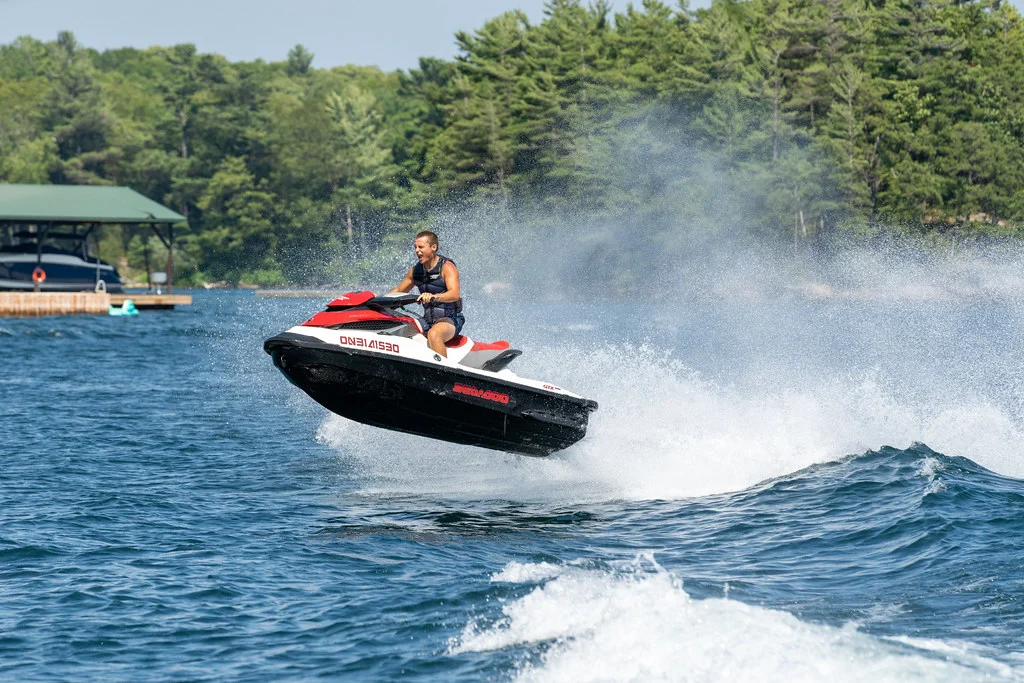
This guide covers the camera settings, gear, and techniques you need to consistently capture sharp, dynamic sports images that tell the story of athletic competition.
Camera Settings for Sports Photography
Getting your camera settings right is the foundation of sharp sports photos. The biggest enemy is motion blur, so every setting choice revolves around achieving a fast enough shutter speed to freeze the action.
Shutter Speed
For most sports, you need a minimum shutter speed of 1/1000s to freeze action. Faster sports like motorsports or tennis serves may require 1/2000s or faster. A useful starting point by sport:
- Running and field sports (soccer, football, rugby): 1/1000s to 1/1600s
- Basketball and volleyball: 1/800s to 1/1250s (indoor lighting limits your speed)
- Baseball and cricket: 1/1600s to 1/2000s for bat swings and ball contact
- Motorsports: 1/2000s to freeze, or 1/250s to 1/500s if you want motion blur through panning
- Swimming and water sports: 1/1000s to 1/1600s
Aperture
Shoot with a wide aperture (low f-number) for two reasons: it lets in more light to support fast shutter speeds, and it creates a shallow depth of field that separates the athlete from distracting backgrounds. Most sports photographers shoot between f/2.8 and f/4. At longer focal lengths, even f/5.6 produces enough background blur to isolate your subject.
ISO
Set your ISO as needed to achieve your target shutter speed. Outdoor daytime sports might only need ISO 400-800. Indoor sports under gymnasium lighting often require ISO 3200-6400 or higher. Modern cameras handle high ISO noise remarkably well, and a slightly noisy sharp image is always better than a clean blurry one. Auto ISO with a minimum shutter speed of 1/1000s is a practical approach.
Focus Settings
Use continuous autofocus (AF-C on Nikon, AI Servo on Canon, AF-C on Sony) so the camera tracks your subject as they move. Select a group or zone AF area mode rather than a single point — this gives the camera a cluster of focus points to maintain lock on a moving athlete. Enable back button focus to separate focusing from the shutter release, giving you more control over when tracking starts and stops.
Pair this with your camera’s highest continuous shooting speed (burst mode). Shooting at 10-20 frames per second dramatically increases your chances of capturing the exact peak moment. Learn more in our focus modes guide.
Essential Gear for Sports Photography
You do not need the most expensive equipment to photograph sports, but certain gear choices make a significant difference.
Lenses
A telephoto zoom is the workhorse lens for sports. The 70-200mm f/2.8 is the most versatile option — fast enough for indoor use and long enough for sideline shooting at smaller venues. For larger fields and stadiums, a 100-400mm or 150-600mm gives you the reach needed to fill the frame from the stands.
- 70-200mm f/2.8: The essential sports lens. Fast autofocus, wide aperture for low light, perfect for basketball, volleyball, and close-range sideline work.
- 100-400mm or 150-600mm: For football, soccer, baseball, and any sport where you cannot get close to the action.
- 24-70mm f/2.8: Useful for wide establishing shots, crowd reactions, and sports where you are close to the athletes (skateboarding, climbing).
- Fast prime (300mm f/2.8 or 400mm f/2.8): Professional-grade options for the ultimate combination of reach and low-light capability.
Camera Body
Prioritize a camera with fast continuous autofocus, high burst rate (at least 10 fps), and strong high-ISO performance. A dual card slot provides redundancy — you do not want to lose a day of unrepeatable action photos to a card failure. Weather sealing matters if you shoot outdoor sports in rain or dust.
Support and Accessories
- Monopod: Essential for long telephoto lenses. Reduces fatigue during long games while allowing quick repositioning, unlike a tripod.
- Fast memory cards: UHS-II SD or CFexpress cards prevent buffer lockup during sustained bursts.
- Extra batteries: High burst rates and continuous AF drain batteries quickly. Carry at least two spares.
- Rain cover: A simple rain sleeve protects your gear during outdoor events in wet conditions.
Shooting Techniques
Anticipate the Action
The best sports photographers are students of the game. Understanding the sport you are shooting lets you predict where the action will happen before it does. In soccer, watch the buildup play to anticipate where a shot on goal will come from. In basketball, position yourself at the baseline to capture drives to the basket and dunks. In baseball, pre-focus on the batter and be ready for the swing.
Reaction time alone is not fast enough — by the time you see a peak moment and press the shutter, it is already gone. Anticipation is what separates good sports photos from great ones.
Outdoor vs Indoor Sports
Outdoor sports typically offer abundant light, making it easy to achieve fast shutter speeds at low ISO values. The challenge is managing harsh sunlight, which creates strong shadows on faces under helmets and visors. Overcast days actually produce more flattering light for sports photography. Position yourself with the sun behind you or to the side when possible.
Indoor sports present the opposite challenge: limited, often uneven artificial lighting. Gymnasium lights, especially older fluorescent fixtures, may cause color casts and flicker. Shoot in RAW to correct white balance in post. You will likely need ISO 3200 or higher and a lens with at least f/2.8 maximum aperture.
Panning for Motion
While freezing action is the default approach, intentional motion blur through panning can create dramatic images that convey speed and energy. Use a slower shutter speed (1/125s to 1/250s), track the athlete smoothly as they move across your frame, and fire the shutter while continuing to pan. The athlete remains relatively sharp against a streaked, blurred background. This technique works particularly well for motorsports, cycling, and running events.
Composition Tips for Sports Photography
Technical sharpness matters, but composition is what turns a sharp action shot into a compelling image.
- Leave space in the direction of movement: Give athletes room to move into the frame rather than running out of it. This creates a sense of forward motion and anticipation.
- Capture peak action: The moment a basketball player reaches the apex of a jump, a batter connects with the ball, or a goalkeeper dives for a save. These decisive moments carry the most visual impact.
- Include facial expressions: The emotion on an athlete’s face — determination, celebration, exhaustion, disappointment — tells the human story behind the competition. Get close enough to see faces clearly.
- Vary your focal length and angle: Tight close-ups of individual athletes, mid-range shots showing interaction between players, and wide shots establishing the venue and crowd all contribute to comprehensive coverage.
- Watch the background: A clean background makes your subject pop. Use a wide aperture to blur distracting elements, and watch for posts, signs, or other objects that seem to grow out of your subject’s head.
Post-Processing Sports Photos
Sports photo editing should be efficient and consistent, especially when delivering hundreds of images from an event.
- Culling: Be ruthless. From a thousand frames, select only the sharpest images with the best expressions and peak action. Delete or hide the rest.
- White balance: Correct for artificial lighting, especially in indoor sports where gymnasium lights create yellow or green casts.
- Exposure and contrast: Boost shadows to recover detail in faces under helmets. Add contrast to make athletes stand out from backgrounds.
- Noise reduction: Apply luminance noise reduction judiciously to high-ISO images. Over-smoothing removes important texture detail.
- Cropping: Crop to improve composition, tighten framing, and remove distracting elements. Maintain the aspect ratio that suits your output (16:9 for web banners, 3:2 for prints).
- Sharpening: Apply capture sharpening in your RAW processor, plus output sharpening appropriate to your delivery medium (screen vs print).
Common Mistakes in Sports Photography
- Shutter speed too slow: This is the most common technical error. If your images are consistently blurry, increase your shutter speed even if it means raising ISO.
- Using single-point AF on fast subjects: Switch to zone or group AF for more reliable tracking.
- Not knowing the sport: Without understanding the game flow, you will always be reacting instead of anticipating.
- Only shooting tight: Wide and mid-range shots add variety and context. They also often capture crowd reactions and environmental elements that tell a richer story.
- Chimping after every shot: Constantly reviewing the LCD means missing live action. Check settings once, confirm exposure, then keep your eye to the viewfinder.
Frequently Asked Questions
What is the best camera mode for sports photography?
Shutter priority (S or Tv mode) with Auto ISO is a practical choice for most sports. Set your minimum shutter speed (1/1000s or faster) and let the camera handle aperture and ISO. Manual mode with Auto ISO works well too — set both shutter speed and aperture, letting ISO float to maintain correct exposure as lighting changes. See our sports camera settings guide for detailed recommendations.
Can I shoot sports without a telephoto lens?
For some sports, yes. Skateboarding, rock climbing, martial arts, and swimming can all be photographed effectively with a 24-70mm lens if you can get close to the action. For field sports like soccer or football, a telephoto of at least 200mm is essential to fill the frame from the sidelines.
How do I get sharp photos in a dark gymnasium?
Use a fast lens (f/2.8 or wider), raise your ISO as high as needed to maintain at least 1/800s shutter speed, and shoot in RAW so you can correct white balance and apply noise reduction in post-processing. Modern cameras perform well at ISO 3200-6400. A noisy sharp photo is always preferable to a clean blurry one.
How many photos should I expect to keep from a game?
A typical keep rate for sports is 5-10% of frames shot. From 1,000 photos at a football game, you might deliver 50-100 usable images, with perhaps 10-15 standout shots. Shooting in high-speed burst mode means you capture many near-identical frames — aggressive culling is a normal and necessary part of the workflow.