Travel photography is one of the most rewarding ways to combine a love of photography with a love of exploration. Every trip is an opportunity to document new places, cultures, and experiences through images that tell a story. But great travel photography requires more than pointing a camera at a landmark, it demands preparation, an eye for storytelling, technical versatility, and the ability to adapt to unpredictable conditions. The best travel photographers capture not just what a place looks like, but what it feels like. This guide covers everything from choosing the right gear and planning your shoots to composing compelling images, backing up on the road, and building a portfolio that captures the spirit of your adventures.
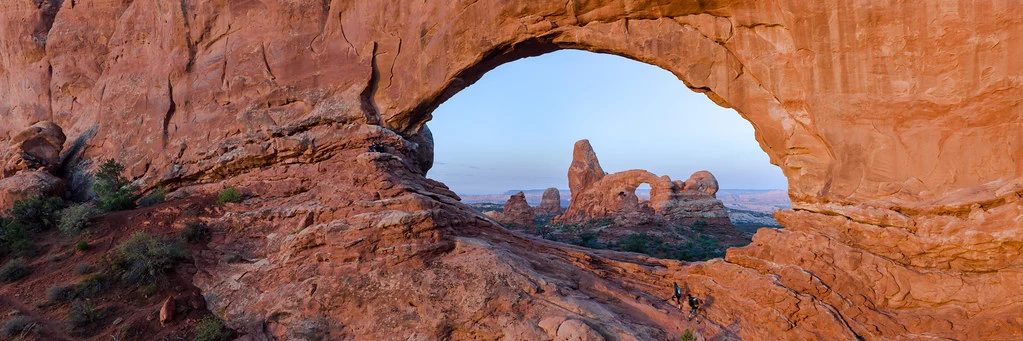
Go deeper: Street Photography, Landscape Photography, Portrait Photography, Best Camera Bags, and Photography Composition.
Choosing Travel-Friendly Gear
The gear you take on a trip is fundamentally different from the gear you take to a local shoot. Every ounce matters when you are walking 15 miles a day through a foreign city, hiking to a viewpoint, or navigating crowded airports. The best travel photography kit is the lightest kit that still delivers the image quality you need.
Camera Body
Mirrorless cameras have become the overwhelming choice for travel photography because they are significantly lighter and more compact than DSLRs while delivering identical or superior image quality. A modern full-frame mirrorless body gives you the best dynamic range and low-light performance in a relatively compact package. APS-C mirrorless cameras are even lighter and pair with smaller lenses, a meaningful advantage when ounces add up over a full day of shooting.
Consider weather sealing if you travel to unpredictable climates. Getting caught in rain, mist, or dust without a weather-sealed body means either missing shots or risking equipment damage. Many mid-range and all professional mirrorless cameras offer some level of weather resistance.
One Lens vs Two
The eternal travel photography debate is whether to carry one versatile zoom or two specialized lenses. Both approaches have merit.
One-lens approach: A 24-70mm f/2.8 or a 24-105mm f/4 zoom covers wide-angle landscapes to short telephoto portraits in a single lens. You never miss a shot swapping glass, you carry less weight, and you expose the sensor to less dust. The trade-off is that you lack the reach for distant subjects and the extreme wide-angle for tight interiors or dramatic landscapes.
Two-lens approach: A wide-angle zoom (16-35mm) paired with a mid-telephoto (70-200mm or a compact 70-300mm) covers nearly every situation you will encounter while traveling. The 16-35mm handles landscapes, architecture, and interiors, while the 70-200mm covers portraits, details, street scenes from a distance, and compressed landscape compositions. The cost is extra weight and the time spent changing lenses.
If you want the lightest possible setup with excellent image quality, consider a fast prime like a 35mm f/1.8 or 28mm f/2. A single prime forces you to think more creatively about composition, is significantly lighter than a zoom, and usually performs better in low light thanks to a wider maximum aperture.
Essential Accessories
Beyond the camera and lens, the most important travel photography accessories are extra batteries (at least two, more for cold climates), sufficient memory cards (never rely on a single card), a camera bag that is comfortable for all-day carry and does not scream “expensive camera inside,” a compact travel tripod or gorillapod for low-light and long-exposure situations, and a lens cleaning kit. A circular polarizer is the single most useful filter for travel, it cuts reflections, deepens skies, and adds saturation to foliage and water.
Planning and Research
Great travel photography starts before you leave home. Knowing what to expect at your destination, the light, the locations, the logistics, lets you maximize your shooting time instead of wandering aimlessly.
Scout locations in advance. Use Google Maps, Instagram (search location tags), photography blogs, and apps like PhotoPills or The Photographer’s Ephemeris to identify the best viewpoints and the optimal time of day to shoot them. Note the direction of sunrise and sunset relative to key landmarks. Knowing that a cathedral’s facade faces east, for example, tells you that morning golden hour will light it beautifully while afternoon will put it in shadow.
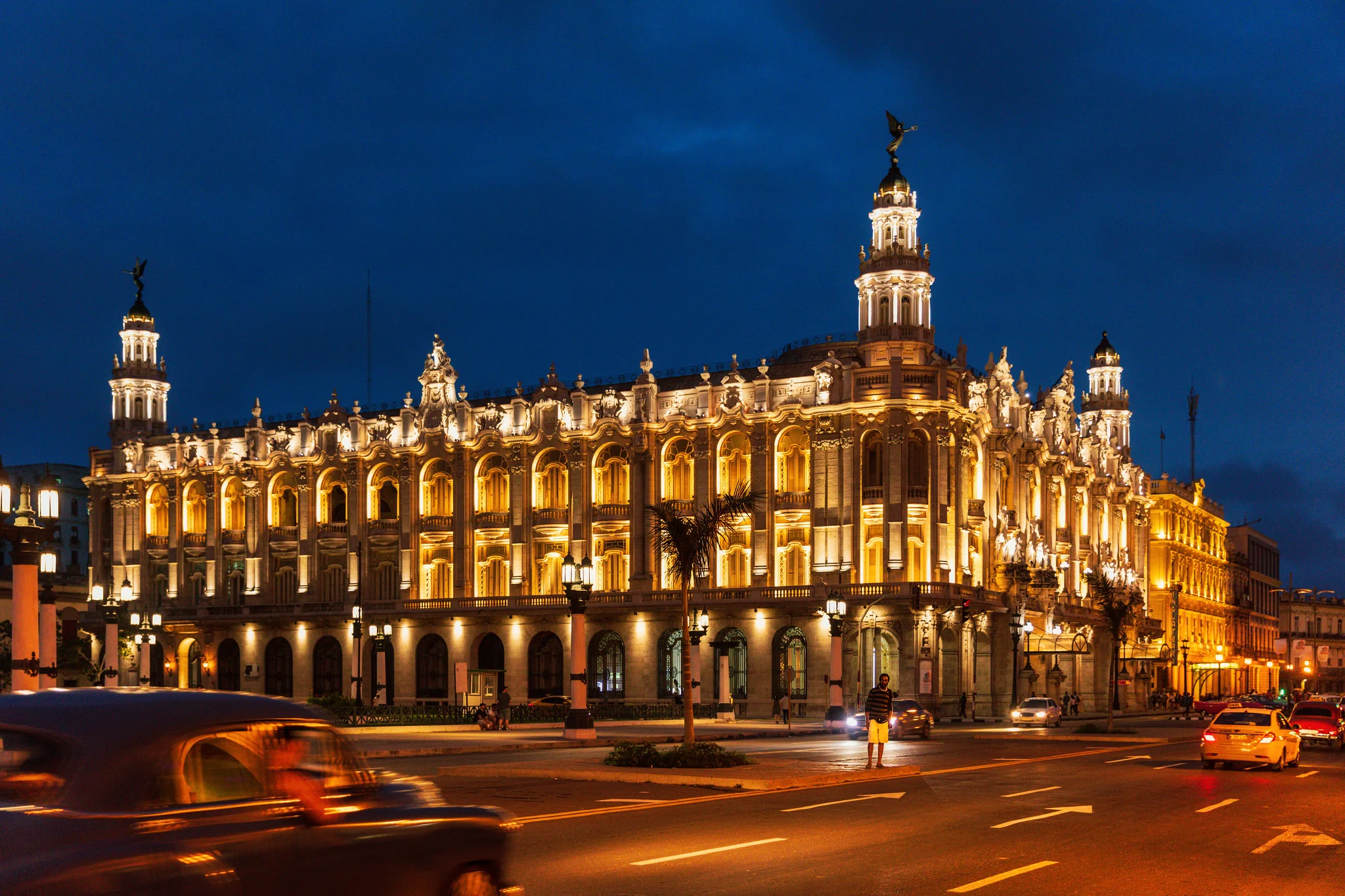
Plan around the light. The two golden hours, after sunrise and before sunset, produce the most dramatic, flattering light for photography. Structure your travel days around these times whenever possible. Use the middle of the day for activities that do not require great light: museum visits, meals, travel between locations, or scouting spots for the evening shoot. The blue hour after sunset is also excellent for cityscapes and architecture.
Know the local calendar. Festivals, markets, seasonal events, and religious celebrations provide extraordinary photographic opportunities. A regular street scene can transform into a spectacular visual feast during a local festival. Research event schedules and plan your itinerary to include at least one cultural event if possible.
Telling a Story Through Images
The difference between a tourist’s snapshots and a travel photographer’s portfolio is storytelling. A compelling travel photo essay does not just show a place, it tells the viewer what the experience of being there felt like. Build your visual story through a variety of shot types.
Establishing shots: Wide, sweeping images that set the scene and show the big picture, a city skyline at sunset, a mountain valley from a high pass, an aerial view of a coastal town. These orient the viewer and provide context. Use a wide-angle lens and look for strong composition using leading lines, foreground interest, and layers of depth.
Detail shots: Close-up images of textures, patterns, food, signs, and objects that define a place. A hand-painted tile in Lisbon. The worn surface of a prayer wheel. A plate of street food in Bangkok. Details give your story intimacy and specificity, they are the sensory elements that transport the viewer. Macro or close-focusing lenses help, but a standard zoom at its closest focusing distance captures most details well.
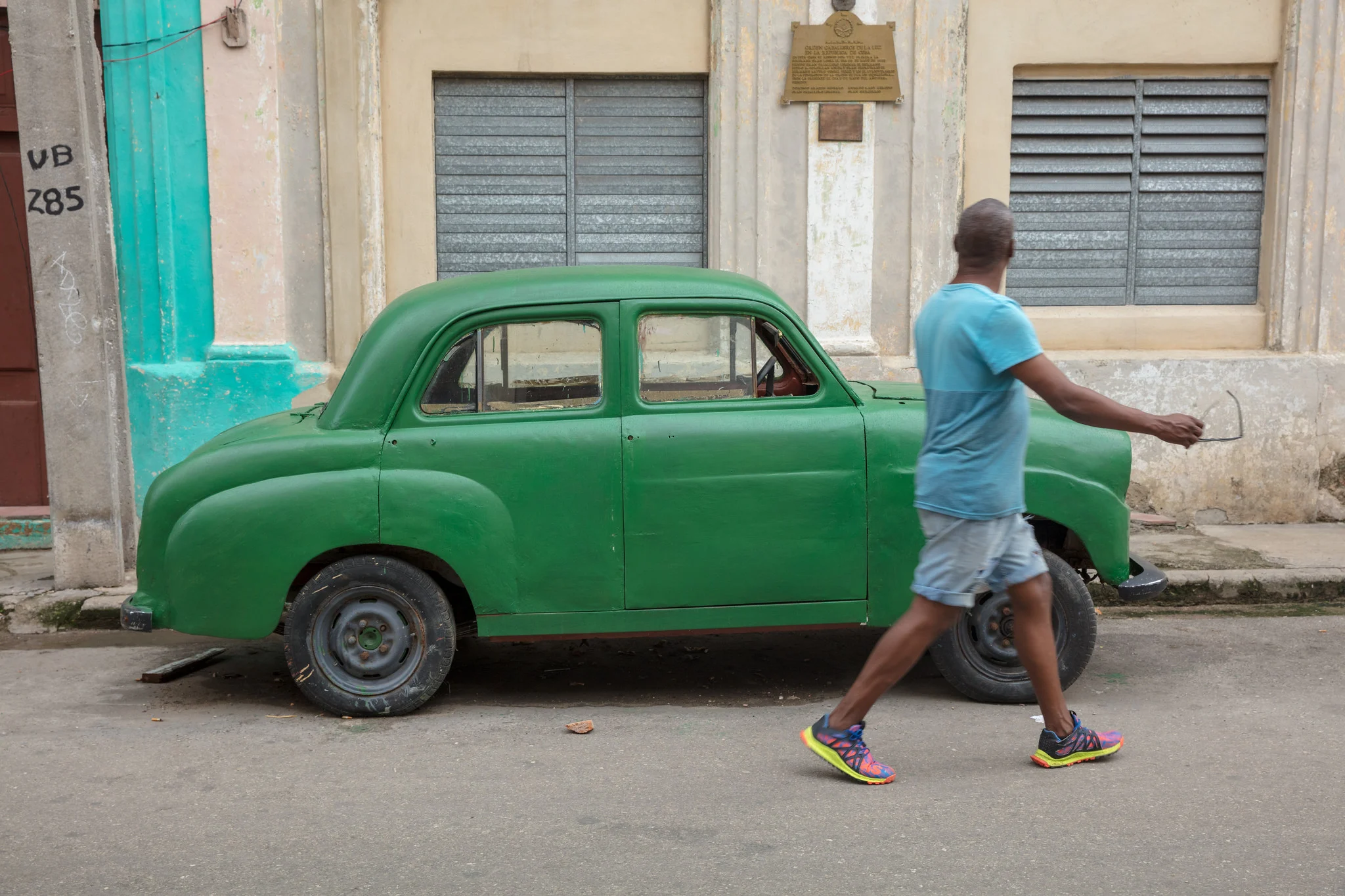
People and portraits: A place is defined as much by its people as by its architecture and landscape. Portraits of locals, a fisherman mending nets, a vendor at a market stall, children playing in a village square, bring humanity and emotion to your travel story. Environmental portraits that show people within their context are more powerful than isolated headshots because they connect the subject to the location.
Action and moments: Candid images of daily life, a crowded intersection, a religious ceremony, a fisherman casting a net, dancers mid-performance, capture the rhythm and energy of a place. These require patience, observation, and quick reflexes. Set your camera to a fast shutter speed (1/250s or faster) and continuous autofocus to freeze fleeting moments.
Street Photography Ethics Abroad
Photographing people in foreign countries requires cultural sensitivity and respect. What is acceptable in one culture may be offensive or even illegal in another. Some general principles:
When in doubt, ask permission. A smile, a gesture toward your camera, and a questioning look transcend language barriers. Many people are happy to be photographed and will pose warmly. Others will decline, and that refusal must be respected immediately. In some cultures, photographing women, elderly people, or religious figures without explicit consent is deeply offensive.
Be aware of laws. Some countries restrict photography in certain areas, government buildings, military installations, border zones, and some religious sites. Research these restrictions before arriving. In some markets and tourist areas, subjects may expect payment for being photographed, decide in advance whether you are comfortable with that exchange.
Consider the power dynamic. As a visitor with an expensive camera, you occupy a position of privilege. Photographing poverty, suffering, or marginalized communities for aesthetic purposes without genuine empathy and respect is exploitative. Ask yourself whether you would want someone to photograph you or your family in the same situation. If the answer is no, put the camera down.
For a deeper dive into street photography techniques and ethics, see our street photography guide and best lenses for street photography.
Landscapes on the Go
Travel landscape photography requires adapting classic techniques to the realities of travel: limited time at each location, unpredictable weather, and gear constraints.
Prioritize preparation. When you arrive at a landscape location, do not immediately start shooting. Walk around, observe the light, identify the best vantage point, and find a strong foreground element. Five minutes of scouting produces better images than 30 minutes of shooting from the first spot you see.
A travel tripod opens up possibilities that handheld shooting cannot match: long exposures for silky water, sharp low-light images, and panoramic stitching. If you do not want to carry a full-sized tripod, a compact carbon fiber travel tripod or even a tabletop pod like a Gorillapod provides stability when you need it most. For handheld landscapes, use your lens’s image stabilization, shoot at a higher ISO (400-800 is fine on modern sensors), and brace against walls, railings, or any stable surface.
Embrace imperfect conditions. Some of the most memorable travel landscape images come from “bad” weather, fog shrouding a mountain temple, rain reflecting neon lights on a city street, dramatic storm clouds over a coast. If the light is not ideal, adapt your creative vision rather than putting the camera away.
Backing Up Photos While Traveling
A memory card failure or a stolen camera without backups can wipe out an entire trip’s photographs. Backing up on the road is essential.
In-camera dual card slots. If your camera has two card slots, configure it to write a backup to the second card. This protects against single-card failures and is the simplest form of backup.
Portable hard drive or SSD. Copy your cards to a portable SSD each evening. Rugged, bus-powered USB-C drives are small, reliable, and fast. Store the drive separately from your camera bag, in your hotel safe or a different piece of luggage, so that a single theft does not take both your camera and your backup.
Cloud backup. If your hotel or accommodation has decent Wi-Fi, upload your best images (or low-resolution previews of all images) to cloud storage. This provides an off-site backup that survives even if all your physical gear is lost. Services like Google Photos, Dropbox, or Backblaze work for this purpose.
The golden rule is the 3-2-1 backup principle: three copies of your photos, on two different types of media, with one copy stored offsite. At minimum, keep images on your memory card and an external drive, stored in different locations.
Safety and Theft Prevention
Camera gear is a high-value theft target in tourist areas around the world. A few precautions significantly reduce your risk.
Use a camera bag that does not look like a camera bag. Flashy photo-branded bags advertise “expensive equipment inside” to thieves. A nondescript backpack, messenger bag, or insert that fits inside a regular bag is far less conspicuous. Some bags are designed with rear-access panels that cannot be opened while on your back.
Keep your camera on your body at all times in crowded or high-risk areas. Use a cross-body strap that cannot be easily cut. Never leave your bag unattended, even briefly, at restaurants, viewpoints, or transportation hubs. In vehicles, keep your gear with you rather than in an unlocked trunk or overhead compartment.
Consider gear insurance. A good photographer’s insurance policy covers theft, loss, and damage worldwide and costs a fraction of replacing a single lens. For serious travel photographers, this is not optional, it is essential peace of mind that lets you focus on shooting instead of worrying.
Respecting Local Customs
Photography etiquette varies widely around the world. In some cultures, photographing freely in public spaces is completely normal. In others, it can cause offense, legal trouble, or genuine distress.
Research cultural norms before you arrive. Many religious sites have photography restrictions, some prohibit it entirely, others prohibit flash, and some allow photography in certain areas but not others. Dress codes at temples, mosques, and churches often apply to photographers as well. Show respect by following these rules without complaint.
In indigenous communities and traditional cultures, photography may be considered intrusive or even spiritually harmful. Always ask before photographing people, ceremonies, or sacred objects. If a guide or local tells you photography is not welcome, put the camera away without argument.
The most important thing you can bring to any culture as a travel photographer is genuine curiosity and respect. When people feel that you are interested in them as individuals rather than as subjects for your portfolio, doors open and authentic moments unfold naturally.
Building a Travel Photography Portfolio
A strong travel photography portfolio tells a cohesive story rather than presenting a random collection of pretty places. Group your images by trip or by theme, not just by chronological order. A set of 15-20 images from a single trip, carefully curated to include establishing shots, details, portraits, and moments, is far more powerful than 100 scattered images from a dozen locations.
Edit ruthlessly. Only include your absolute best images. If two photographs are similar, choose the stronger one and cut the other. A portfolio of 50 outstanding images makes a better impression than 200 mixed-quality ones. Look for variety in your portfolio, different lighting conditions, compositions, subjects, and moods.
Consider the platform. A personal website or portfolio site lets you control the presentation and tell stories with sequenced images and text. Instagram is useful for building an audience but limits your images to a single format. A blog allows you to combine images with narrative for a deeper storytelling experience. The best travel photographers use multiple platforms, each optimized for its strengths.
Sharing and Posting Workflow
How and when you share your travel images depends on your goals. Some photographers post in real-time during trips, using mobile editing apps to process and share images daily. Others wait until they return home to carefully edit and sequence their work. Both approaches have value.
For mobile editing on the road, Lightroom Mobile syncs seamlessly with the desktop version and offers powerful RAW processing on a phone or tablet. Snapseed is a free alternative with excellent tools. Editing and posting a curated selection each day keeps your audience engaged and creates a real-time travel diary.
For the definitive edit after returning home, import everything into Lightroom, let the images sit for a few days (fresh eyes are better editors), then cull ruthlessly and process your selects. A well-edited travel series published weeks or months after a trip can generate more engagement than rushed mobile edits because the quality is higher and the storytelling is more intentional.
Common Travel Photography Mistakes
- Bringing too much gear. A heavy bag leads to fatigue, which leads to leaving the bag at the hotel, which leads to missed shots. Choose your gear deliberately and leave anything that is not essential at home. If you did not use a lens on your last three trips, you do not need it on the next one.
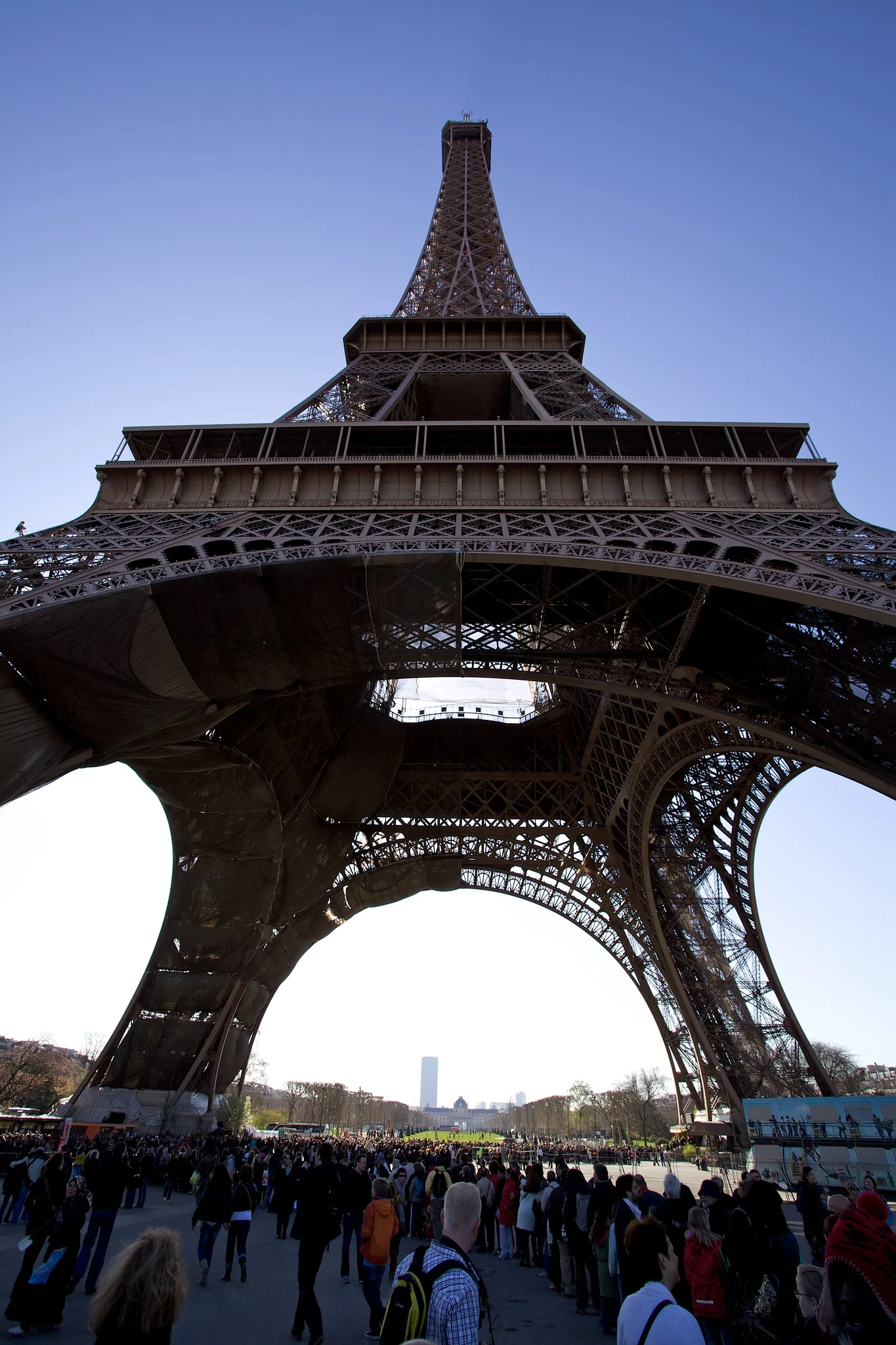
- Only shooting landmarks. The Eiffel Tower and the Colosseum have been photographed billions of times. Your version is unlikely to stand out unless you find a genuinely unique perspective. Supplement the obligatory landmark shots with images of the surrounding neighborhoods, the people, the food, and the small moments that are unique to your experience.
- Not shooting in the best light. Midday sun produces harsh, flat images with deep shadows and washed-out skies. If you are only shooting between 10 AM and 4 PM, you are working with the worst light of the day. Wake up for sunrise and stay out through sunset, these bookends of the day produce the most magical images.
- Not backing up. One stolen camera or one corrupted memory card can erase weeks of travel photography. Back up every night to a separate device and ideally to the cloud.
- Spending the whole trip behind the lens. Travel photography should enhance your travel experience, not replace it. Take time to put the camera down, be present, and enjoy the moment. Paradoxically, the best travel photos often come from photographers who are genuinely engaged with a place rather than those who are obsessively documenting every second.
- Ignoring people and culture. Landscapes and buildings are important, but travel photography without people feels empty. Human subjects connect viewers emotionally and make your images feel alive. Push past the discomfort of photographing strangers, with respect and sensitivity, and your work will improve dramatically.
Frequently Asked Questions
What is the best camera for travel photography?
The best travel camera is the one you will actually carry all day. A compact mirrorless camera with a versatile zoom lens (24-70mm or 24-105mm) offers the best balance of image quality, flexibility, and portability. Full-frame mirrorless cameras from Sony, Canon, and Nikon deliver outstanding image quality in travel-friendly sizes. If weight is your top priority, APS-C or Micro Four Thirds mirrorless systems are even lighter while producing excellent results. Even a high-end compact camera or a recent smartphone can produce portfolio-worthy travel images in the right hands.
How many lenses should I bring when traveling?
For most trips, one or two lenses is ideal. A single versatile zoom like a 24-105mm covers the vast majority of travel situations. If you want more flexibility, add a fast wide-angle prime (35mm or 28mm) for low-light and street photography, or carry a wide zoom (16-35mm) and a telephoto zoom (70-200mm) as a two-lens kit. Carrying three or more lenses adds weight and complexity that rarely pays off in travel situations.
How do I photograph people while traveling without being rude?
Ask permission whenever possible. A smile, a gesture toward your camera, and a questioning expression work across language barriers. Many people are happy to be photographed and will give you a more natural, relaxed expression after a brief interaction than a telephoto candid could capture. If someone declines, respect their decision immediately and move on. In markets and tourist areas, offering to show people the photo on your screen afterward is a gesture that builds goodwill and often leads to genuine smiles.
Should I shoot RAW or JPEG while traveling?
Shoot RAW if your memory cards and storage can handle it. Travel scenes often have challenging lighting, high-contrast scenes, mixed color temperatures, and fast-changing conditions, and RAW files give you far more latitude to recover highlights, lift shadows, and correct white balance in post. If storage is a concern, shoot RAW+JPEG and use the JPEGs for quick sharing on the road while keeping the RAW files for your definitive edit at home.
How do I make my travel photos look different from everyone else’s?
Three things separate great travel photography from tourist snapshots: light, perspective, and storytelling. Shoot during golden and blue hours when most tourists are eating dinner. Find unusual angles, climb higher, get lower, look behind you, explore side streets. Most importantly, look for moments and details that tell a story rather than just documenting landmarks. Your unique experience of a place, filtered through your personal vision, is what makes your images different from the millions of other photos taken at the same location.
Continue Learning
Travel photography draws on skills from every genre. Strengthen your foundation with these related guides: