A photograph is not truly finished until it is presented. Matting and framing transform a print from a flat piece of paper into a complete visual object ready for display. The right mat and frame combination elevates the image, protects it from damage, and signals to the viewer that this work deserves attention. The wrong choices can diminish even an exceptional photograph. This guide covers everything you need to know about matting and framing, from materials and techniques to professional presentation standards.
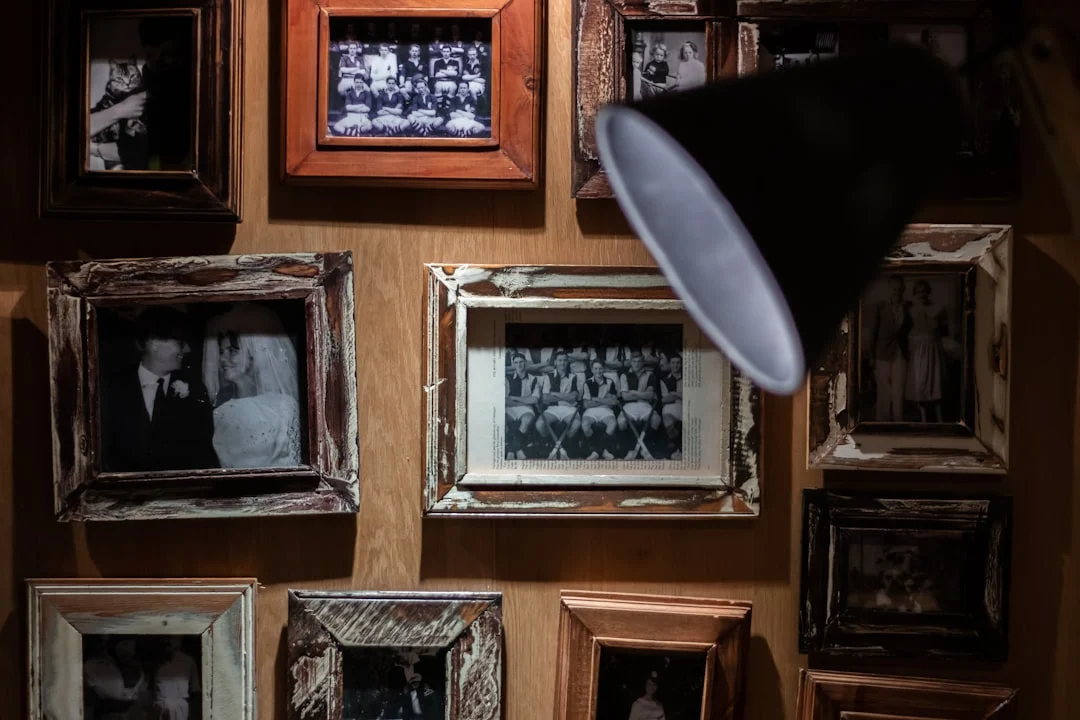
Whether you are framing prints for your own home, preparing work for a gallery exhibition, fulfilling client orders, or building inventory for art fairs, understanding framing fundamentals ensures your photographs look their best and last for decades. Good framing is invisible in the best sense: the viewer sees the photograph, not the frame. The frame’s job is to support, protect, and present without calling attention to itself.
Why Matting Matters
A mat (also called a mount in the UK) is the bordered panel that surrounds the photograph within the frame. It serves three essential purposes: visual, physical, and archival.
Visual Function
A mat creates breathing room between the image and the frame, giving the photograph space to exist on its own terms. Without a mat, the frame edge sits directly against the image, which can feel cramped and allows the frame to compete with the photograph for attention. The mat acts as a visual buffer that separates the image from its surroundings and focuses the viewer’s eye inward.
Mat width affects the perceived importance and scale of the image. Wider mats create a more formal, gallery-quality presentation. Narrower mats are more casual and contemporary. The proportions between image size, mat width, and frame width create the overall visual balance of the framed piece.
Physical Protection
The mat creates an air gap between the glass and the surface of the photograph. This gap is critical. When a print touches glass directly, moisture can cause the emulsion or ink to adhere to the glass over time, permanently damaging the print. In humid conditions, direct contact can also create condensation spots and encourage mold growth. The mat prevents all of these problems by holding the glass away from the print surface.
Archival Protection
Quality mats are made from acid-free materials that will not leach chemicals into your print over time. Standard, non-archival mat board contains acids that cause yellowing and brown spots (known as “mat burn”) on the photograph over months and years. For any print you care about preserving, acid-free matting is not optional. It is the minimum standard.
Mat Selection
Choosing the right mat involves decisions about color, width, material, and construction that all affect the final presentation.
Mat Color
White and off-white are the standard mat colors for photography, and for good reason. They work with virtually every image, every frame, and every display context. A bright white mat is crisp and contemporary. A warm white or cream mat is slightly softer and works beautifully with warm-toned images and black and white prints with warm toning.
Black mats create a dramatic presentation that works well for certain images, particularly high-contrast work and images with dark tonal palettes. The black border eliminates any visual distraction between the image and the frame and can make colors appear more vivid by contrast.
Colored mats (gray, navy, forest green, burgundy) should be used sparingly and intentionally. The color should complement, not compete with, the tones in the image. In most cases, a neutral mat serves the image better than a colored one. If you are unsure, go with white or off-white.
Mat Width
Standard mat widths for photography range from 2 to 4 inches, with 2.5 to 3 inches being the most common. The ideal width depends on the image size and the desired formality of the presentation.
For small prints (5×7, 8×10), a 2 to 2.5-inch mat provides adequate breathing room. For medium prints (11×14, 16×20), 2.5 to 3.5 inches works well. For large prints (20×30 and up), 3 to 4 inches or more prevents the mat from looking like a thin border on a large image.
A common technique is to make the bottom margin of the mat slightly wider (0.25 to 0.5 inches) than the top and sides. This compensates for an optical illusion where equal margins make the bottom appear narrower. This technique is traditional and subtle, and it makes the framed piece feel more grounded and balanced.
Mat Material and Quality
Mat board comes in several grades:
- Standard mat board. Made from wood pulp with a paper facing. Contains acids that will eventually damage prints. Acceptable for temporary display and decorative framing of replaceable prints. Not suitable for anything you want to preserve.
- Acid-free mat board. Buffered to neutralize acids. A significant improvement over standard board and adequate for most photography framing needs. Available in a wide range of colors and textures.
- Conservation mat board (rag mat). Made from cotton fibers (rag) rather than wood pulp. Naturally acid-free without chemical buffering. The standard for museum and gallery framing. More expensive but provides the best long-term protection. Essential for prints intended for sale, exhibition, or long-term preservation.
- Museum board. The highest grade, made from 100% cotton with no added buffering agents. Used for museum preservation and the most archival applications. Thicker (typically 4-ply or 8-ply) and more expensive than conservation board.
For most photography framing, acid-free or conservation-grade mat board is the right choice. If you are selling prints, offering conservation matting demonstrates professionalism and adds value to the product.
Single vs. Double Mats
A single mat is clean and simple. A double mat adds a second, visible layer (typically 0.25 inches wide) between the outer mat and the image opening. The inner mat creates a thin accent line that adds depth and elegance to the presentation.
Double mats work well for formal presentations, gallery work, and when you want to add a subtle design element. The inner mat might be a contrasting color (white outer with black inner, or cream outer with a color that picks up a tone from the image). They add cost and complexity but elevate the finished presentation noticeably.
For most applications, a well-chosen single mat is perfectly appropriate. Double mats are a refinement, not a necessity.
Cutting Mats
If you frame in volume, cutting your own mats saves significant money and gives you control over sizes, proportions, and turnaround time.
Tools Needed
A dedicated mat cutter is essential for clean, professional results. Handheld mat cutters (like the Logan 4000 or similar models) work well for occasional use. They clamp to a straightedge and cut beveled openings at a consistent 45-degree angle. For higher volume, a mat cutting system with a built-in straightedge and measurement stops improves speed and consistency.
You also need a sharp blade (change it frequently, as a dull blade drags and tears), a cutting surface (self-healing cutting mat), a metal ruler for measurements, and a pencil for marking. A T-square helps ensure cuts are perfectly square.
The Bevel Cut
Professional mat openings are cut at a 45-degree angle (beveled), exposing a sliver of the mat board’s core. This bevel creates a subtle shadow line that adds dimension and finishes the edge elegantly. A straight (90-degree) cut looks flat and unfinished by comparison. Quality mat cutters are designed to produce consistent bevel cuts.
The key to clean bevel cuts is starting and stopping precisely at the corners. Overcuts (where the blade extends past the corner) are visible and detract from the finished look. Practice on scrap board before cutting your final mat. Many photographers cut a few extra mats per batch to account for the occasional mistake.
Pre-Cut vs. Custom
Pre-cut mats are available in standard sizes from frame shops and online suppliers. They are convenient and consistent but limit you to standard proportions. Custom cutting gives you freedom to choose exact mat widths, non-standard print sizes, and specific mat board types.
If you sell prints in standard sizes, pre-cut mats are cost-effective and save time. If you work in non-standard dimensions, print panoramic formats, or need specific mat board grades, custom cutting is the way to go. Many online mat cutting services offer custom sizes at reasonable prices if you prefer not to cut your own.
Frame Selection
The frame holds everything together and provides the outermost visual boundary. It should complement the image and mat without dominating them.
Frame Styles
Simple, clean frames in wood or metal are the standard for photography. They are versatile enough to work with any image and any room decor. Ornate, decorative frames belong in oil painting galleries, not around photographs.
Thin profile frames (0.5 to 1 inch wide) create a modern, minimal look that puts all attention on the image. They work well for contemporary photography and modern interiors. Medium profile frames (1 to 2 inches) provide more visual weight and a more traditional presentation. They suit a wider range of images and display contexts. Wide frames (2+ inches) make a bold statement and can work for large prints where a thin frame would look disproportionate.
Frame Materials
Wood frames range from simple, clean-lined profiles in natural, stained, or painted finishes to more decorative carved and gilded options. Natural wood frames (walnut, oak, maple) add warmth and work with most photography styles. Black or dark-stained wood is the most popular all-purpose choice for photography because it provides a clean border without introducing color that might compete with the image.
Metal frames in aluminum or steel have a modern, minimalist aesthetic. They are typically thinner than wood frames and come in finishes like black, silver, gold, and bronze. Metal frames are popular for contemporary photography, corporate display, and gallery use. They are durable and lightweight.
The frame finish (glossy, satin, or matte) should not clash with the print surface. A high-gloss frame around a matte print can look inconsistent. A matte or satin frame works with any print finish.
Frame Color
Black is the most versatile frame color for photography. It works with color and black and white images, any mat color, and virtually any room. White frames create a lighter, more airy look that works well in bright spaces and with lighter-toned images. Natural wood tones add warmth.
For gallery presentations and portfolios, consistency is important. Frame all work in the same style and color to create a unified presentation. For home display, you have more freedom to match frames to the room, but consistency within a gallery wall or grouped display still looks more polished than mixing multiple frame styles.
Glass Options
The glass (or glazing) protects the print from dust, moisture, UV light, and physical contact while allowing the image to be seen clearly. Glass choice matters more than many photographers realize.
Standard Glass
Regular picture frame glass provides basic protection against dust and physical contact. It does not offer UV protection, so prints behind standard glass will fade over time from light exposure. It also produces reflections and glare, which can obscure the image under certain lighting conditions.
Standard glass is fine for temporary display, low-value prints, and situations where budget is the primary concern. For any print you want to preserve or sell, upgrade to a better option.
UV-Protective Glass
UV glass blocks a significant percentage of ultraviolet light, the primary cause of print fading. It extends the lifespan of displayed prints dramatically. Standard UV glass blocks approximately 60 to 70 percent of UV radiation. Museum-grade UV glass blocks 97 to 99 percent.
If you are framing prints for long-term display or sale, UV-protective glass is the minimum standard. The cost increase over standard glass is modest relative to the value of the print it protects.
Anti-Reflective Glass
Anti-reflective (AR) or museum glass has a special coating that virtually eliminates reflections and glare. The image appears to float on the wall without any visible glass surface. The difference in viewing experience between standard glass and museum glass is dramatic, especially in well-lit rooms where standard glass turns into a mirror.
Museum glass combines anti-reflection properties with UV protection (99% UV filtering). It is the premium choice for gallery presentations, valuable prints, and any display where viewing quality matters. The cost is significant (often $50 to $150 or more per piece depending on size), but for important work, the investment transforms the viewing experience.
Acrylic Glazing
Acrylic (plexiglass) is lighter than glass and does not shatter, making it practical for large frames, shipping, and high-traffic areas. Quality acrylic offers good optical clarity and UV protection. Conservation-grade acrylic provides UV protection comparable to museum glass at a lower weight.
The downside of acrylic is that it scratches more easily than glass, attracts static (which collects dust), and can bow in large sizes without proper support. For gallery work and shipping, acrylic is often preferred over glass for safety. For permanent home display, glass is generally the better choice for its scratch resistance and optical clarity.
Archival Framing Practices
Archival (conservation) framing protects the print from environmental damage for the long term. If you are framing work for sale, exhibition, or your own collection, these practices are important.
Backing Board
The backing board sits behind the print inside the frame. It should be acid-free to prevent acids from migrating into the print from behind. Standard cardboard backing boards contain acids and will damage prints over time. Acid-free foam core or conservation backing board provides proper protection.
Hinging and Mounting
The print should be attached to the backing board with archival-quality hinges that allow it to be removed without damage. Acid-free linen or Japanese tissue tape is the standard. The hinges should be positioned at the top edge of the print so that it hangs naturally and can expand and contract with temperature and humidity changes.
Never use regular tape, spray adhesive, rubber cement, or dry mounting adhesive on a valuable print. These methods are permanent and often damage the print over time through chemical reactions, yellowing, or physical stress. The goal of archival framing is reversibility: everything should be removable without harming the print.
Sealing the Frame
The back of the frame should be sealed with a dust cover (kraft paper or a tyvek barrier) to prevent dust, insects, and pollutants from entering the frame package. This also prevents drafts from circulating air over the print surface. Attach the dust cover with acid-free tape, pulling it tight for a clean appearance.
Framing for Different Contexts
Gallery Exhibition
Gallery standards call for consistent framing across all work in a show. Use the same frame style, mat color, and glass type for every piece. This creates a unified presentation that lets the photographs carry the visual conversation rather than a mix of competing frame designs.
Standard gallery framing for photography: conservation mat in white or off-white, simple black or natural wood frame, museum or UV-protective glass. Ensure your prints are properly prepared with accurate color management before framing. This combination works for virtually any photographic work and meets the expectations of galleries, jurors, and collectors. Check gallery requirements in advance, as some have specific framing guidelines.
Client Delivery
Offering framed prints to clients adds significant value to your print sales. Provide a curated selection of frame options rather than overwhelming clients with every possible choice. Three to five frame and mat combinations that you have tested and approved covers most needs.
Consider the client’s home decor when making recommendations. Modern spaces suit thin metal or simple wood frames. Traditional homes work well with wider wood frames. Help clients choose appropriate sizes for their walls and provide guidance on hanging height and arrangement. This service transforms a print sale into a complete display solution. For pricing guidance, see our article on pricing photography prints.
Home Display
When framing for your own home, you have creative freedom to match frames to your space and your personal taste. Consider the room’s color palette, lighting, and existing decor. Gallery walls (arrangements of multiple framed pieces) look most cohesive when all frames share a common element: same color, same material, or same profile, even if sizes vary.
Hang photographs at eye level (center of the image at approximately 57 to 60 inches from the floor). In rooms where people are primarily seated (dining rooms, living rooms), lower the height slightly. Group arrangements should be planned on the floor first and measured carefully before putting holes in the wall. Use our print size calculator to determine the optimal print sizes for your wall space.
Art Fairs and Markets
For art fairs, you need framing that travels well and displays professionally. Acrylic glazing is safer than glass for transport. Pre-matted prints in clear bags with backing board are a popular and practical option for selling unframed work at events. Buyers can see the print, hold it, and frame it themselves later.
Having a few framed landscape and portrait samples on display shows clients how the finished product looks, even if most sales are for matted-only prints. The framed display creates the aspiration; the matted print provides the accessible price point.
Float Mounting and Alternative Presentations
Not all photographs need traditional matting. Alternative mounting methods create different visual effects.
Float Mounting
Float mounting positions the print on top of the mat or backing, with all four edges visible and a border of mat visible around the print. Instead of the mat covering the edges of the print (as in a window mat), the full print including its natural edges is visible. This presentation shows the deckled edges of fine art papers and emphasizes the print as a physical object. It works beautifully with cotton rag and fine art papers where the paper itself is part of the aesthetic.
Flush Mounting
Flush mounting adheres the print directly to a rigid substrate (foam board, dibond, or gatorboard). The result is a flat, rigid panel with no visible mat or frame. Flush-mounted prints can be displayed as-is with standoff hardware, creating a modern, gallery look. This method is popular for metal and acrylic print alternatives using traditional paper prints.
Be aware that flush mounting is permanent. The print cannot be removed from the substrate without damage. For archival work or valuable prints, this method is not recommended. It works well for display copies, commercial installations, and prints where long-term preservation is not the priority. If you print at home, flush mounting is a practical way to create ready-to-hang display pieces.
Shadow Box Framing
Shadow box frames have extra depth between the glass and backing, creating a dimensional presentation. The print appears to float within the frame with visible space around it. This creates a dramatic, object-like presentation that draws attention to the photograph as a three-dimensional piece. Shadow boxes work well for mounted prints, prints with thick substrates, and mixed-media presentations.
DIY vs. Professional Framing
Both approaches have their place. Understanding when to do it yourself and when to hire a professional saves time, money, and frustration.
DIY Framing
DIY framing makes sense when you frame in volume, need to control costs, or want custom sizes that are not readily available pre-made. Buying frames, mat board, and glass separately and assembling yourself can save 50 to 70 percent over custom framing from a frame shop.
The startup cost for DIY framing includes a mat cutter ($50 to $200), a glass cutter or pre-cut glass, a point driver for securing contents in the frame, and consumables. For photographers who frame regularly, this investment pays for itself quickly.
Professional Framing
Professional frame shops offer expertise, convenience, and access to materials and equipment that are impractical for home use. They can handle unusual sizes, specialty materials, complex mounting techniques, and high-end finishes. For one-off framing jobs, important pieces, and when you need guaranteed results, professional framing is worth the cost.
When using a frame shop, communicate your priorities: archival quality, budget, aesthetic preferences, and display context. A good framer will guide your choices and flag potential issues (like non-archival materials or incompatible combinations). Ask whether they use conservation-grade materials and techniques by default.
Shipping Framed Work
Shipping framed photographs requires careful packaging to prevent glass breakage, corner damage, and surface scuffs.
Apply a cross pattern of painter’s tape across the glass surface. If the glass breaks during shipping, the tape holds the shards together and prevents them from scratching the print. Wrap the framed piece in glassine paper or acid-free tissue to protect the surface, then in bubble wrap for impact protection.
Use a box that is at least two inches larger than the frame on all sides, filling the gap with packing material. Corner protectors (cardboard or foam) prevent the most vulnerable points from being crushed. Mark the package as fragile and consider insurance for valuable pieces.
For frequent shipping, consider acrylic glazing instead of glass. It is lighter and shatter-proof, eliminating the most common shipping damage concern.
Common Mistakes
These framing mistakes cost photographers quality, money, and the integrity of their work:
- Using non-archival materials. Standard mat board, regular tape, cardboard backing, and non-UV glass all damage prints over time. Acid migration causes yellowing and brown spots that appear within a few years. Use acid-free materials throughout the framing package.
- Print touching glass. Placing a print directly against glass without a mat or spacer invites adhesion, moisture damage, and image transfer. Always maintain a gap between the print surface and the glazing.
- Overly ornate frames. Decorative, gilded, or ornate frames overpower photographs. Photography is best served by clean, simple frames that support rather than compete with the image.
- Inconsistent framing in a series. Displaying a group of photographs in mismatched frames and mats creates visual chaos. Even if individual framing choices are fine on their own, inconsistency within a grouped display or exhibition undermines the professional presentation. Match frames and mats within a series.
- Wrong mat proportions. A mat that is too narrow looks like an afterthought. A mat that is too wide can overwhelm a small print. Test proportions by holding mat samples around the print before committing to a cut.
- Permanent mounting methods on valuable prints. Spray adhesive, dry mounting, and other permanent methods damage prints and reduce their value. Always use reversible mounting techniques for prints you care about preserving.
- Ignoring the display environment. Framing a print beautifully and then hanging it in direct sunlight, above a radiator, or in a humid bathroom negates the protection. Consider where the print will live and choose materials accordingly.
- Skipping UV protection. Even indirect light causes fading over years. UV-protective glass or acrylic is an inexpensive safeguard relative to the cost and value of the print. Every framed print benefits from UV protection.
Try This
Build your framing skills and confidence with these exercises:
- Mat a print by hand. Buy a sheet of acid-free mat board, a handheld mat cutter, and a metal ruler. Cut a mat for one of your prints. The first one may not be perfect, but the process teaches you how mats work and what clean cuts require. Practice on inexpensive board before using premium stock.
- Compare mat widths. Take one print and hold it against mats of different widths (cut test corners from scrap board or use L-shaped mat corners). Photograph each option. You will develop a quick eye for which proportions work best at different image sizes.
- Visit a frame shop. Even if you frame your own work, visit a professional frame shop and ask about their materials and techniques. Seeing the range of mouldings, mat boards, and glass options in person expands your understanding of what is available. Many shops are happy to share their expertise.
- Frame and hang one print. Choose one of your strongest images and frame it properly: archival mat, quality frame, UV glass. Hang it on your wall. Living with a well-framed print of your own work changes how you think about presentation and print quality.
- Create a framing standard. Decide on your default framing combination: mat color, mat width, frame style, glass type. Having a standard simplifies decisions, ensures consistency, and allows you to buy materials in bulk for better pricing. You can deviate when a specific image requires it, but a default saves time and money.
- Prepare prints for sale. Prepare three of your best images, mat them in clear bags with backing board, and price them. Whether you sell them at an event, online, or through a local shop, having finished, presentation-ready prints available makes sales possible. Many photographers miss sales opportunities simply because they do not have product ready to sell.
- Experiment with float mounting. If you print on fine art paper with deckled edges, try float mounting one print. The visible paper edges create a completely different presentation from a window mat. Compare the two presentations of the same image and decide which you prefer.
FAQ
What mat color works best for photographs?
White or off-white is the safest and most versatile choice for photography. It works with every image type, every frame color, and every display context. Bright white suits contemporary work and modern spaces. Warm white or cream complements warm-toned images. Black mats work for dramatic, high-contrast images. Avoid colored mats unless you have a specific design reason for them.
How wide should my mat be?
For most photographic prints, 2.5 to 3 inches is the standard range. Smaller prints (8×10 and under) look good with 2 to 2.5-inch mats. Larger prints (16×20 and up) benefit from 3 to 4-inch mats. The bottom border can be slightly wider (0.25 to 0.5 inches) than the top and sides for visual balance. When in doubt, err on the wider side.
Is museum glass worth the cost?
For important prints, valuable work, and any piece displayed in a well-lit room, museum glass dramatically improves the viewing experience. The anti-reflective coating makes the image appear to float without any visible glass, and the UV protection preserves the print. For everyday framing of decorative prints, UV-protective glass (without the anti-reflective coating) provides adequate protection at a lower cost.
Can I frame a print without a mat?
You can, but you should not place the print in direct contact with the glass. Use a spacer strip (available from framing suppliers) to maintain a gap between the glass and the print surface. This prevents the moisture and adhesion issues that occur when prints touch glass. Frameless spacers are nearly invisible and provide the sleek, matless look while protecting the print.
How do I frame a canvas print?
Canvas prints on stretcher bars are designed to be displayed without traditional framing or glass. They can be hung directly on the wall. If you want to add a frame, use a floater frame, which wraps around the outside of the canvas with a visible gap between the canvas edge and the frame. Floater frames add a polished, gallery look without covering any of the canvas surface.
What is the best way to hang framed photos?
Use D-rings screwed into the back of the frame with picture wire strung between them. This is the most secure and adjustable hanging method. For heavy frames, use two hooks on the wall spaced apart for stability. Center the image at 57 to 60 inches from the floor (average eye level). Use a level to ensure the frame hangs straight. For gallery walls with multiple pieces, plan the arrangement on the floor first and measure carefully before creating wall holes.
How much does framing cost?
Professional custom framing for a 16×20 print with conservation mat, quality wood or metal frame, and UV glass typically costs $100 to $300. Museum glass adds $50 to $150 depending on size. DIY framing the same piece costs roughly $30 to $80 in materials. Pre-made frames from retail stores cost $15 to $50 but often use non-archival materials. The right investment level depends on the value of the print and the intended display context.
Should I frame prints before selling them?
Offering both framed and unframed (matted) options is the most practical approach. Matted prints in protective bags are your entry-level product with lower price points and easier shipping. Framed prints are your premium product with higher margins. At art fairs, display framed samples to show quality, and sell matted prints as the accessible option. Online, offer both and let the buyer choose based on their budget and preference.