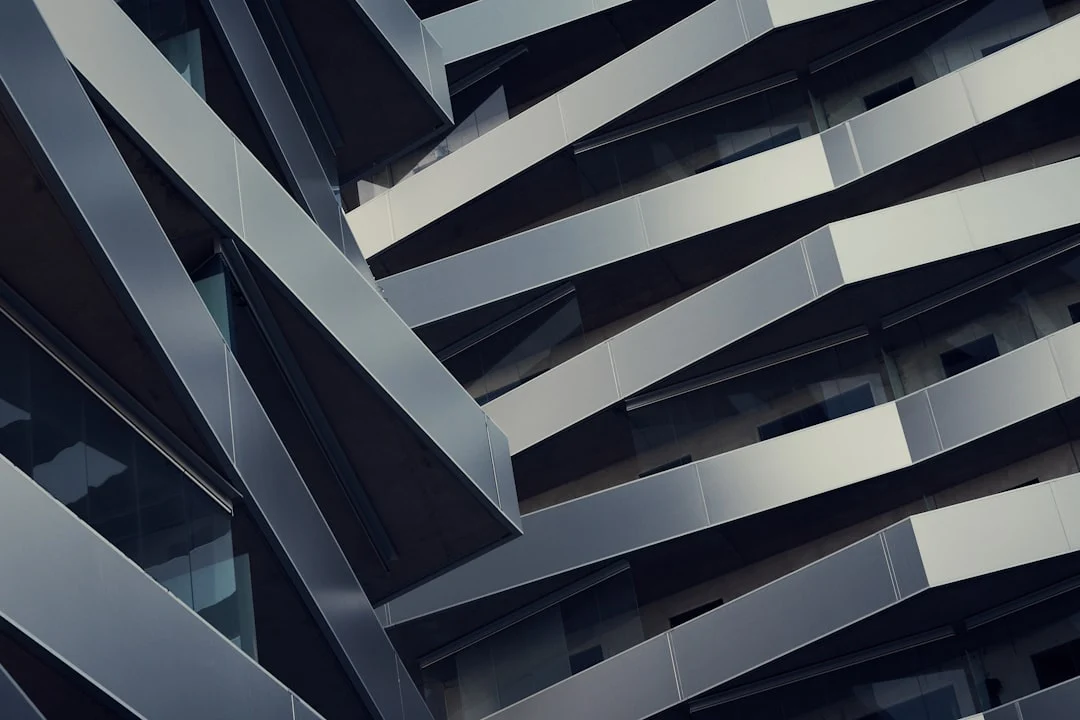
Architectural photography captures the art, design, and character of buildings, interiors, and constructed spaces. It is a genre that rewards patience, precision, and an eye for geometry. Every building tells a story through its lines, materials, light, and relationship to its surroundings, and the architectural photographer’s job is to translate that three-dimensional experience into a compelling two-dimensional image. Whether you are documenting a historic cathedral, a modern skyscraper, a renovated kitchen, or an entire cityscape, this guide covers everything you need to know: equipment, camera settings, perspective control, lighting strategies for exteriors and interiors, composition techniques, post-processing, and the business side of architectural photography.
Go deeper:
Understanding Architectural Photography
Architectural photography sits at the intersection of technical precision and creative vision. Unlike many photography genres where moments are fleeting, buildings hold still. This gives you the luxury of time to compose carefully, wait for ideal light, and make precise adjustments. But that same stillness means your images must be technically excellent to be compelling. Viewers expect straight verticals, clean lines, and controlled geometry in architectural images. A slightly tilted building or converging vertical lines can undermine an otherwise beautiful composition.
The genre divides into several specializations. Exterior photography captures the outside of buildings and their relationship to the environment. Interior photography documents rooms, spaces, and the flow of designed environments. Real estate photography is a commercial subset focused on selling properties. Fine art architectural photography uses buildings as subjects for personal artistic expression, often abstracting forms, patterns, and light. The technical foundations are shared across all of these, but the creative approach and business models differ.
Essential Gear for Architectural Photography
Architectural photography requires specific gear optimized for sharpness, geometry control, and versatility across challenging lighting conditions.
Camera Body
A high-resolution full-frame mirrorless or DSLR camera is ideal. Resolution matters in architectural photography because clients often print large, crop for different compositions, or use images in detailed publications. Bodies with 36 megapixels or more give you the flexibility to crop while maintaining sharp detail. Dynamic range is equally important because architectural scenes often include extreme contrast between bright skies or windows and shadowed building details. A camera that handles shadows and highlights well lets you recover detail that would be lost on a lesser sensor.
Wide-Angle Lenses
A wide-angle lens in the 16-35mm range (full frame) is the workhorse of architectural photography. It captures entire building facades, interior rooms, and sweeping perspectives. However, wider is not always better. Ultra-wide lenses (below 16mm) can distort edges and exaggerate perspective to the point that spaces look unnatural. The 24mm focal length is often the sweet spot for interiors, wide enough to capture most rooms without extreme distortion.
Tilt-Shift Lenses
Tilt-shift lenses are the signature tool of serious architectural photographers. The shift function allows you to move the lens up or down relative to the sensor while keeping the camera level. This corrects converging vertical lines (where building walls appear to lean inward when you tilt the camera up) without the distortion that software correction introduces. A 24mm tilt-shift is the most versatile option for both interiors and exteriors. A 17mm tilt-shift is useful for tight interior spaces. These lenses are expensive and manual-focus only, but they produce results that standard lenses cannot match.
If a tilt-shift lens is not in your budget, you can correct perspective in post-processing, but this requires shooting wider than your final composition to leave room for cropping after correction. Software perspective correction works well for moderate corrections but can introduce noticeable stretching and resolution loss for extreme adjustments.
Tripod
A sturdy tripod is essential for architectural photography. You will be shooting at small apertures (f/8 to f/16) with low ISO for maximum quality, which means slow shutter speeds. A tripod also enables precise composition. Once you set your framing, you can adjust it in tiny increments without having to recompose from scratch. Look for a tripod with an accurate built-in level and legs that allow low-angle positioning for shooting upward at tall structures.
Additional Gear
A circular polarizing filter reduces reflections in glass and enhances sky contrast, making it the single most useful filter for architectural exteriors. A cable release or remote trigger eliminates vibration during long exposures. For interior work, a speedlight or portable strobe with a modifier can supplement ambient light. A bubble level that attaches to your camera’s hot shoe provides additional leveling precision beyond what the in-camera level offers.
Camera Settings for Architectural Photography
Architectural photography demands maximum sharpness, accurate geometry, and clean files. Your settings should prioritize these qualities above all else.
Aperture: Shoot between f/8 and f/11 for the sharpest results across the entire frame. This aperture range hits the optical sweet spot where diffraction has not yet softened the image but depth of field is extensive enough to render near and far elements sharply. For large interiors where foreground and background are both important, f/11 provides generous depth of field. Avoid apertures smaller than f/16, where diffraction begins to noticeably reduce sharpness.
ISO: Keep your ISO at 100 (or your camera’s native base ISO) for the cleanest files with maximum dynamic range. Since you are working on a tripod, there is no reason to raise ISO for most architectural shots. The exception is handheld interior shooting where slow shutter speeds are not feasible.
Shutter speed: Your shutter speed is determined by your aperture and ISO choices. On a tripod at f/11 and ISO 100, shutter speeds of 1/15s to several seconds are common, especially for interior spaces. Use a cable release or 2-second self-timer to eliminate camera shake. For exterior shots, wind can vibrate the tripod and camera, so shield your setup on windy days or use a faster shutter speed and accept a slightly higher ISO.
White balance: Set white balance manually or use a gray card for accurate color rendition. Architectural photography often involves mixed lighting (daylight through windows plus artificial interior lights), and auto white balance can shift unpredictably between frames. For exterior shots in daylight, the daylight preset is reliable. For interiors with mixed light, you may need to choose whether to balance for the daylight or the artificial light and accept that the other will have a color cast, which you can address in editing.
Focus: Use manual focus or single-shot autofocus with a single point placed approximately one-third into the scene for maximum depth of field. At small apertures, most of the scene will be sharp, but precise focus placement ensures that critical areas like the building’s facade or the room’s primary features are at their sharpest. Live view with magnification (or your camera’s focus peaking feature) allows the most precise focus placement.
Perspective and Geometry Control
Controlling perspective is the defining technical challenge of architectural photography. When you tilt a camera upward to capture the top of a tall building, the vertical lines converge, making the building appear to lean backward. This is called keystoning, and while it reflects how our eyes actually see tall structures, it looks wrong and amateurish in photographs where viewers expect straight vertical lines.
Keeping the Camera Level
The simplest way to avoid converging verticals is to keep your camera perfectly level (parallel to the ground). This means the sensor plane is vertical, and vertical lines in the scene remain vertical in the image. The challenge is that a level camera pointed at a building from ground level captures mostly the lower portion of the structure with a lot of foreground. Solutions include shooting from an elevated position (a nearby building, a balcony, a hill, or even a stepladder), using a tilt-shift lens to shift the lens upward while keeping the camera level, or shooting wider and cropping later.
Software Perspective Correction
When you cannot keep the camera level (and you do not have a tilt-shift lens), software correction in Lightroom, Photoshop, or dedicated programs can fix converging verticals in post. Use the transform tools to pull the top of the building outward until verticals are straight. This works well for moderate corrections but has two limitations: it crops into the image (you lose edge content), and extreme corrections can introduce visible distortion and resolution loss. Always shoot wider than your intended final composition to leave room for cropping during correction.
When to Allow Convergence
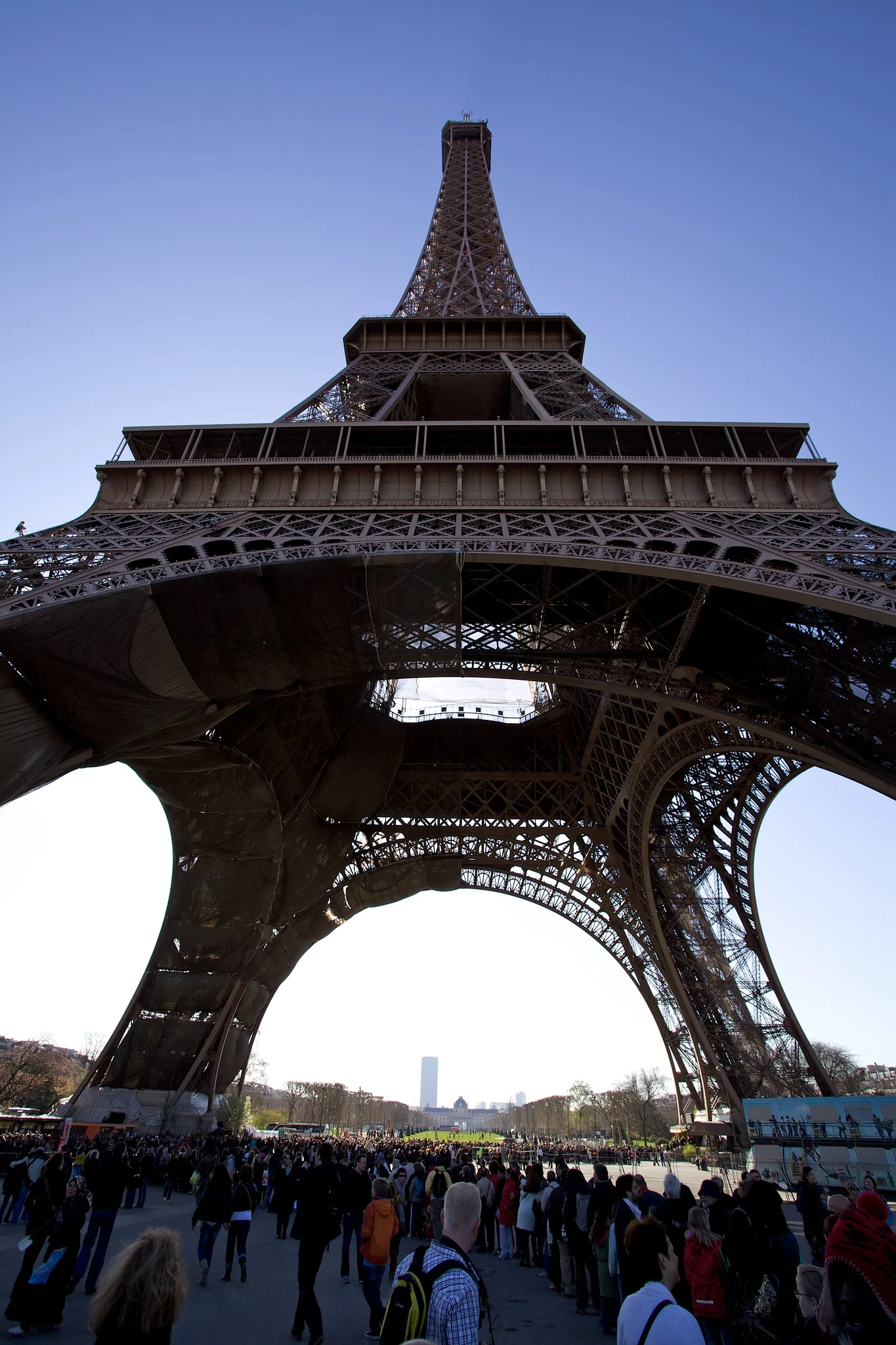
Not every architectural image needs perfectly straight verticals. When you are deliberately looking straight up at a structure (a dramatic worm’s-eye perspective of a skyscraper interior), the extreme convergence becomes a compositional choice rather than an error. The key is intentionality. Slight convergence looks like a mistake. Dramatic convergence looks like a creative decision. If you are going to let verticals converge, commit to it fully.
Exterior Architectural Photography
Photographing the outside of buildings requires careful attention to light, weather, context, and timing. Unlike interiors where you can supplement the ambient light, exterior photography depends entirely on natural conditions.
Light and Time of Day
The quality and direction of light transform how a building looks. Direct sunlight creates strong shadows that reveal texture, depth, and three-dimensionality in a facade. Overcast light produces soft, even illumination with no harsh shadows, which works well for showing material details and color but can make buildings look flat. The golden hour wraps buildings in warm light that brings out the warmth of materials like brick, stone, and wood.
Study how the sun moves relative to the building you want to photograph. Use a sun-tracking app to determine when the facade will be lit from the front, the side, or backlit. Front lighting shows the most detail but can look flat. Side lighting creates depth and dimension through shadows. Backlighting works for dramatic silhouettes. Many architectural photographers shoot the same building at multiple times of day and in different seasons to capture its best face.
Blue hour (the period of deep twilight just after sunset or before sunrise) produces some of the most spectacular architectural images. The sky turns a rich, saturated blue that provides a stunning backdrop for illuminated buildings. Interior lights glow warmly against the cool sky, creating a color contrast that makes the structure come alive. This narrow window of 15-30 minutes is worth every effort to capture.
Context and Environment
Buildings do not exist in isolation. The surrounding environment, neighboring structures, landscaping, sky, and activity around the building all contribute to the image. Sometimes including context enhances the photograph by showing how the building relates to its setting. Other times, isolating the building from its surroundings creates a cleaner, more focused image. Use your composition to include or exclude context deliberately.
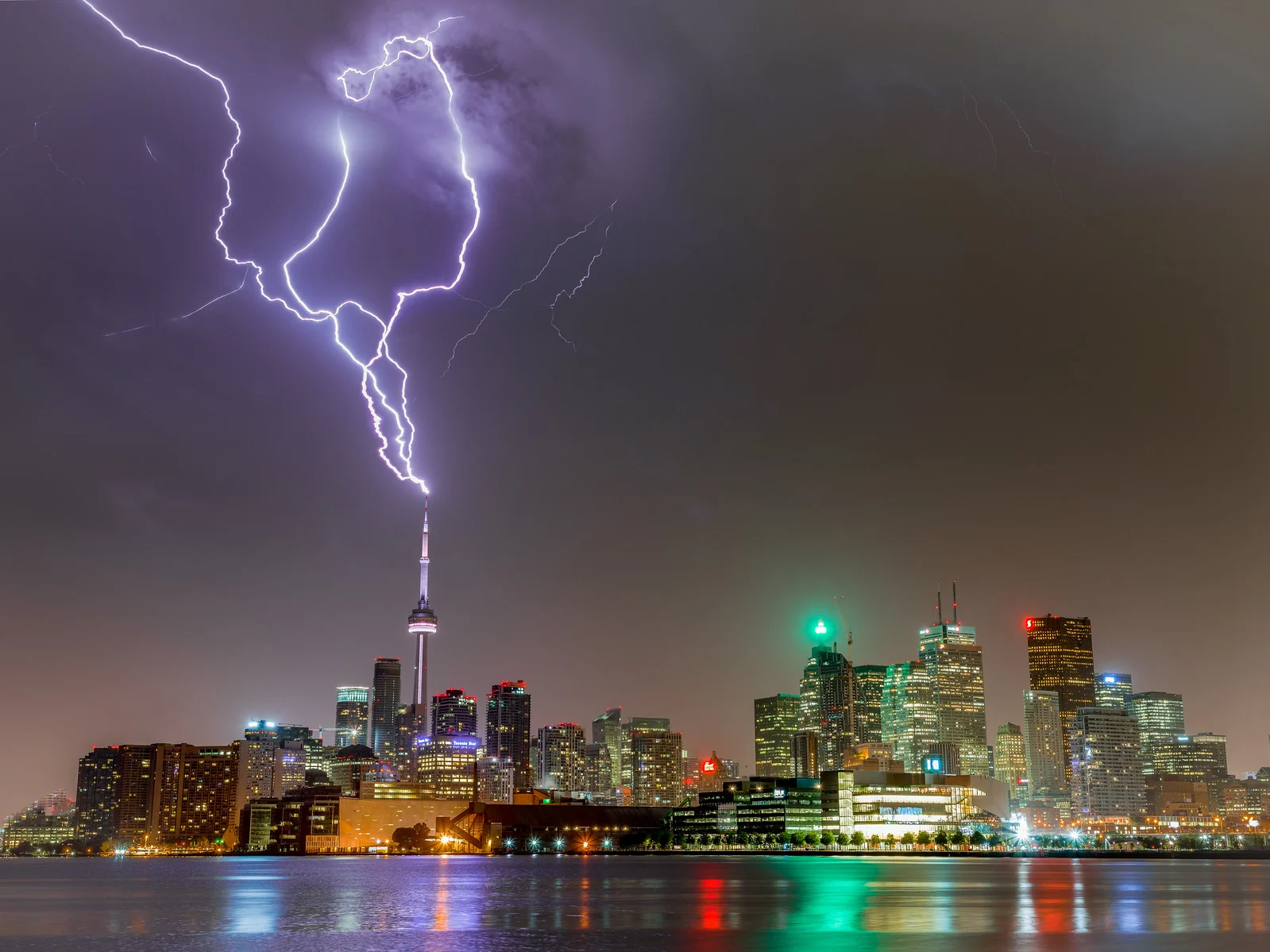
Weather adds atmosphere that can transform an ordinary building into a dramatic subject. Rain creates reflections and moody skies. Snow simplifies the environment and adds texture. Fog isolates structures from their surroundings, creating minimalist compositions. Storm clouds provide dramatic backdrops. Do not put your camera away when the weather turns. Some of the most powerful architectural images are captured in conditions that most photographers avoid.
Interior Architectural Photography
Interior photography presents different challenges from exterior work. You are dealing with confined spaces, mixed lighting, extreme contrast between windows and room interiors, and the need to make spaces feel inviting and three-dimensional in a two-dimensional image.
Handling Mixed Light
Interior spaces almost always contain multiple light sources with different color temperatures: cool daylight from windows, warm tungsten from lamps, neutral or greenish fluorescent from overhead fixtures. You have three options: balance for one light source and accept color casts from the others, replace all artificial light with gels that match the daylight, or blend multiple exposures in post-processing with different white balance settings for different areas.
For most interior architectural photography, balancing for the dominant light source (usually daylight if large windows are present) produces the most natural results. Warm tungsten accents from lamps and fixtures often look inviting and add atmosphere that viewers perceive as natural and pleasant.
Managing Contrast
The dynamic range between bright windows and shadowed interiors often exceeds what a single exposure can capture. Several techniques address this challenge.
HDR bracketing: Shoot 3-5 exposures at different shutter speeds (typically 2 stops apart) and merge them in post-processing. This captures the full range from bright window views to deep shadows. Modern HDR processing in Lightroom and dedicated software produces natural-looking results that avoid the overcooked look of early HDR.
Ambient-flash blending: Combine an ambient exposure with a flash exposure that fills the interior shadows. This technique produces cleaner, more natural results than HDR alone and is the preferred method among high-end architectural photographers. One or more speedlights bounced off walls and ceilings can balance the interior with the window light beautifully.
Waiting for the right moment: Sometimes the best approach is simply to shoot when the exterior light matches the interior light more closely. Overcast days reduce window brightness, while twilight creates a natural balance between indoor lighting and the darkening sky outside.
Showing Space and Flow
Interior architectural photography should convey the feeling of being in the space. Shoot from corners to maximize the sense of depth and show two or three walls in a single image. Position the camera at a height that feels natural (approximately chest height for most residential interiors, eye level for commercial spaces). Include foreground elements like furniture edges or architectural details to create layers that draw the viewer into the image.
Shoot through doorways and openings to show how spaces connect and flow into each other. A hallway visible through a living room doorway, a garden visible through a kitchen window, or a staircase visible from a foyer all communicate the architecture’s spatial design in ways that individual room shots cannot.
Composition in Architectural Photography
Architectural composition relies heavily on geometry, symmetry, and the interplay of lines. Buildings are inherently geometric, and your composition should work with that geometry rather than against it.
Symmetry is one of the most powerful compositional tools in architectural photography. Many buildings are designed with symmetrical elements, and photographing them from a centered, symmetrical perspective creates images that feel balanced, harmonious, and grand. Even small misalignments in a symmetrical composition are immediately obvious and distracting, so precise camera placement is essential.
Leading lines are everywhere in architecture: corridors, railings, roof lines, window rows, structural beams, floor patterns. Use these lines to draw the viewer’s eye through the image toward a focal point. Converging lines create depth and perspective. Parallel lines create rhythm and pattern. Diagonal lines add energy and dynamism.
Natural framing through arches, doorways, windows, and structural openings adds depth and focuses attention on the subject within the frame. This technique works particularly well for showing a building through the arch of a neighboring structure, or for framing an interior view through a doorway.
Repetition and pattern are inherent in architectural design. Rows of windows, repeated structural elements, and geometric patterns create visual rhythm that can be the subject of an image in itself. Look for patterns, then look for the break in the pattern. A single open window in a row of closed ones, a shadow falling across a repeating element, or a person standing among identical columns creates visual interest through the contrast between uniformity and variation.
The rule of thirds works in architectural photography, but centered compositions are equally valid. Buildings with strong symmetry often look best centered. Asymmetrical structures or compositions that emphasize the relationship between a building and its environment benefit from off-center placement.
Post-Processing Architectural Images
Post-processing is where architectural images are refined from good to exceptional. The goals are geometric precision, accurate color, balanced exposure, and a polished final presentation.
Geometry Correction
The first step in processing any architectural image is correcting lens distortion and perspective. Apply your lens profile correction in Lightroom to remove barrel or pincushion distortion. Then use the transform tools to straighten vertical and horizontal lines. The guided transform tool lets you draw reference lines along elements that should be vertical or horizontal, and the software adjusts the entire image to match. Check your corrections against known straight elements in the image, not just the primary subject.
Exposure and Tone
Architectural images benefit from balanced, even exposure that shows detail in both highlights and shadows. Recover highlights in bright windows and lift shadows in dark interiors. Use graduated filters or radial filters to balance exposure across different areas of the image. The tone curve can add contrast and depth without losing detail in the extremes.
Color and White Balance
Accurate color is essential in architectural photography, especially for commercial work where designers and architects expect faithful reproduction of materials and finishes. Calibrate your monitor and use a gray card or color checker in at least one reference shot to ensure accurate color reproduction. Adjust individual color channels to correct for mixed lighting or to enhance the natural warmth of materials like wood and brick.
Detail and Sharpening
Architectural images demand precise sharpening because viewers expect to see texture in building materials: the grain of stone, the pattern of brick, the reflections in glass. Apply sharpening judiciously. Over-sharpening creates halos around high-contrast edges that look artificial. Use masking to apply sharpening selectively to areas with detail while leaving smooth surfaces (sky, solid walls) unsharpened.
Cleanup
Remove distracting elements that detract from the architecture: power lines, trash, construction equipment, temporary signage, and sensor spots. For commercial architectural photography, clients expect a clean, polished final image. Use clone and heal tools carefully, especially when working near architectural details where mistakes are obvious.
Twilight and Night Architectural Photography
Some of the most dramatic architectural images are captured during twilight or at night, when artificial lighting transforms buildings into glowing sculptures against dark or deeply colored skies.
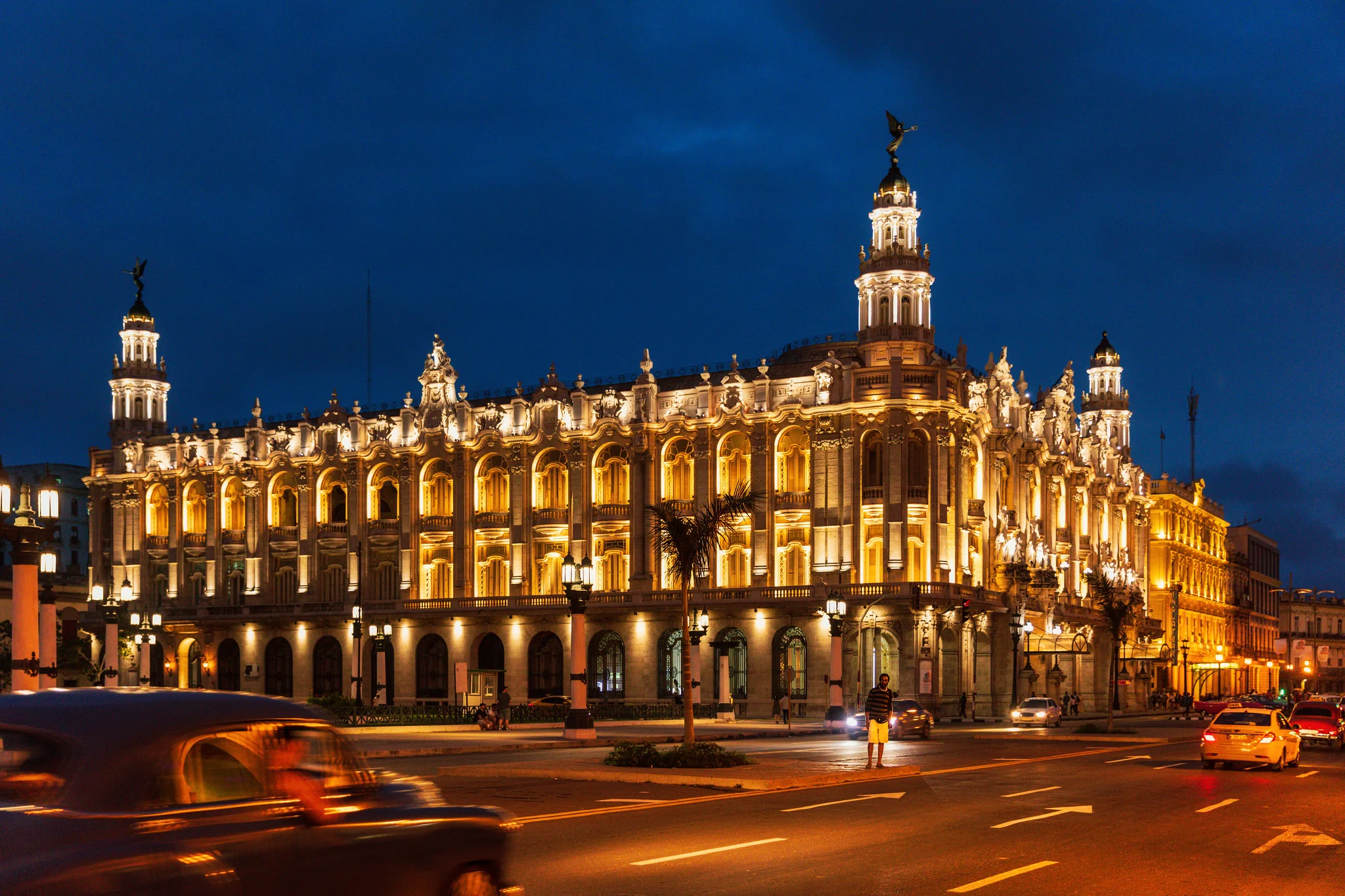
Blue hour is the sweet spot for exterior architectural photography. The ambient sky light balances with the building’s interior and exterior lighting, creating images where both the structure and the sky are visible and saturated. This window is brief (roughly 20-40 minutes after sunset), so arrive early, compose your shots while there is still daylight, and be ready to shoot as soon as the light reaches the optimal balance.
Full night photography produces a more dramatic look where the building is the sole light source against a dark sky. This works best for buildings with impressive exterior lighting designs. Use long exposures (several seconds to minutes) on a tripod with base ISO and a moderate aperture. The long exposure times smooth out moving elements like clouds and passing traffic, which can add dynamic streaks that complement the static building. Review your night photography techniques for additional guidance on working in low light.
Building a Career in Architectural Photography
Architectural photography offers several paths to a professional career, from real estate photography (high volume, steady demand) to fine art architectural work (lower volume, higher per-image value).
Client Types
Architects and design firms need images of their completed projects for portfolios, publications, and awards submissions. Interior designers need images that showcase their work for marketing and press. Real estate agents need property photographs for listings. Construction companies document projects from groundbreaking to completion. Hospitality brands need images of hotels, restaurants, and venues. Each client type has different needs, budgets, and expectations, and many architectural photographers serve multiple client types.
Portfolio and Marketing
Build your portfolio by photographing interesting buildings in your area, even without a client. Churches, libraries, restaurants, modern office buildings, and distinctive homes all provide opportunities to practice and build a body of work. Offer your services to emerging architects or interior designers who need images but have limited budgets. As your portfolio grows, target higher-value clients who need the quality you can deliver. A clean, well-organized marketing approach focused on your architectural work (separate from other photography genres) signals specialization and expertise. Understand pricing strategies and contracts specific to commercial architectural work to build your business on solid footing.
Common Mistakes in Architectural Photography
- Ignoring vertical lines. Converging verticals are the most common technical flaw in architectural photography. Always check that walls, columns, and building edges are straight in your final image. Either keep the camera level while shooting or correct in post.
- Shooting at the wrong time of day. Harsh midday sun creates deep shadows and blown highlights on building facades. The best exterior architectural light is typically during golden hour, blue hour, or on overcast days. Scout the building’s orientation and plan your shoot around the optimal light.
- Using too wide a lens. Ultra-wide angles can make spaces look dramatic but also distort them to the point of unreality. Walls curve, proportions stretch, and the space looks nothing like the real experience. Use the widest lens necessary, not the widest lens you own.
- Cluttered interiors. For commercial interior photography, every element in the frame should contribute to the image. Remove clutter, personal items, and distracting objects before shooting. This is standard practice, not staging. You are presenting the architectural design, not the occupant’s lifestyle.
- Neglecting the sky. A flat, white, overcast sky can ruin an otherwise excellent exterior architectural image. Either shoot when the sky has texture and interest, replace the sky in post (for commercial but not editorial work), or compose to minimize sky in the frame.
- Inconsistent white balance across a series. When delivering a set of images from a single building, consistent color treatment is essential. Batch-process images from the same shooting conditions together and check that the overall tone matches across the set.
- Forgetting details. A set of wide-angle shots without any detail images feels incomplete. Include close-ups of interesting materials, hardware, joinery, textures, and design elements that showcase the craftsmanship of the building.
Try This
- Photograph one building at four different times of day. Shoot the same building at sunrise, midday, golden hour, and blue hour. Compare the results to understand how light direction and quality transform architectural subjects.
- Practice straight verticals without post-processing. Using only your camera and a level, practice keeping verticals perfectly straight in-camera. This exercise trains your eye and technique for situations where a tilt-shift lens is not available.
- Shoot a building using only detail shots. Instead of capturing the whole structure, create a series of 10-15 images that tell the story of the building entirely through close-up details: materials, textures, hardware, light patterns, and design elements.
- Create a blue-hour series. Plan and execute a twilight shoot of a well-lit building. Arrive an hour before sunset, compose your shots in daylight, and capture the transition from golden hour through blue hour into full darkness.
- Explore symmetry. Find a symmetrical building or interior space and create a perfectly centered, perfectly symmetrical image. Pay attention to how even tiny misalignments are noticeable and practice achieving precise centering.
Frequently Asked Questions
Do I need a tilt-shift lens for architectural photography?
A tilt-shift lens is not strictly required, but it is a significant advantage. Software perspective correction in Lightroom or Photoshop handles moderate vertical convergence well. For professional architectural work where precision is critical, a tilt-shift lens produces noticeably superior results with less distortion and resolution loss. If you are serious about architectural photography as a career, a tilt-shift lens is a worthwhile investment.
What is the best focal length for interior photography?
A focal length between 16mm and 24mm (full frame) covers most interior situations. 24mm captures the majority of rooms without excessive distortion. 16-20mm is useful for small spaces like bathrooms, closets, or tight hallways. Avoid going wider than 14mm for interiors, as the extreme perspective distortion makes spaces look unnatural and can mislead viewers about the actual size of the room.
How do I photograph buildings I do not have access to enter?
Public exteriors can be photographed from any public space (sidewalks, parks, streets) in most jurisdictions. For interior access, contact the building’s management, architect, or owner. Many building managers will grant access for portfolio photography, especially if you offer them copies of the images. Historic buildings, churches, museums, and public buildings often allow photography during regular hours. For commercial assignments, the client typically arranges access.
Should I shoot HDR for every architectural image?
Not necessarily. HDR bracketing is most useful for interior images with extreme contrast between windows and room interiors. Exterior images with manageable dynamic range often look better from a single, well-exposed RAW file. Modern cameras with wide dynamic range can capture most exterior scenes in a single exposure. Use HDR when the scene’s contrast truly exceeds your camera’s capabilities, and process it to look natural rather than over-processed.
How do I deal with people in architectural photos?
It depends on the purpose. For clean, timeless architectural images, minimize or remove people using long exposures (which blur moving figures into invisible ghosts), early morning timing (when buildings are empty), or post-processing removal. For images that need to show how a space is used, include people deliberately as they interact with the architecture. A person in a frame also provides scale that helps viewers understand the size and proportions of a space.
Continue Learning
Architectural photography draws on skills from many related areas. Strengthen your work with these guides:
- Real Estate Photography Guide
- Composition Techniques
- Leading Lines
- Symmetry in Photography
- Framing in Photography
- Photography Lighting Guide
- Natural Light Photography
- Golden Hour Photography
- Night Photography
- Lightroom for Beginners
- Photo Editing for Beginners
- Aperture Explained
- Depth of Field Explained
- Focal Length Explained
- Drone Photography Guide
- Documentary Photography Guide