Buying a camera should not feel like choosing between 47 nearly identical options while the internet screams conflicting advice. Yet that is exactly the experience most people have. Review sites rank cameras by specifications that sound important but rarely affect real photographs. Forum posts insist that one brand is superior while another is garbage. And by the time you think you have made a decision, a new model launches.
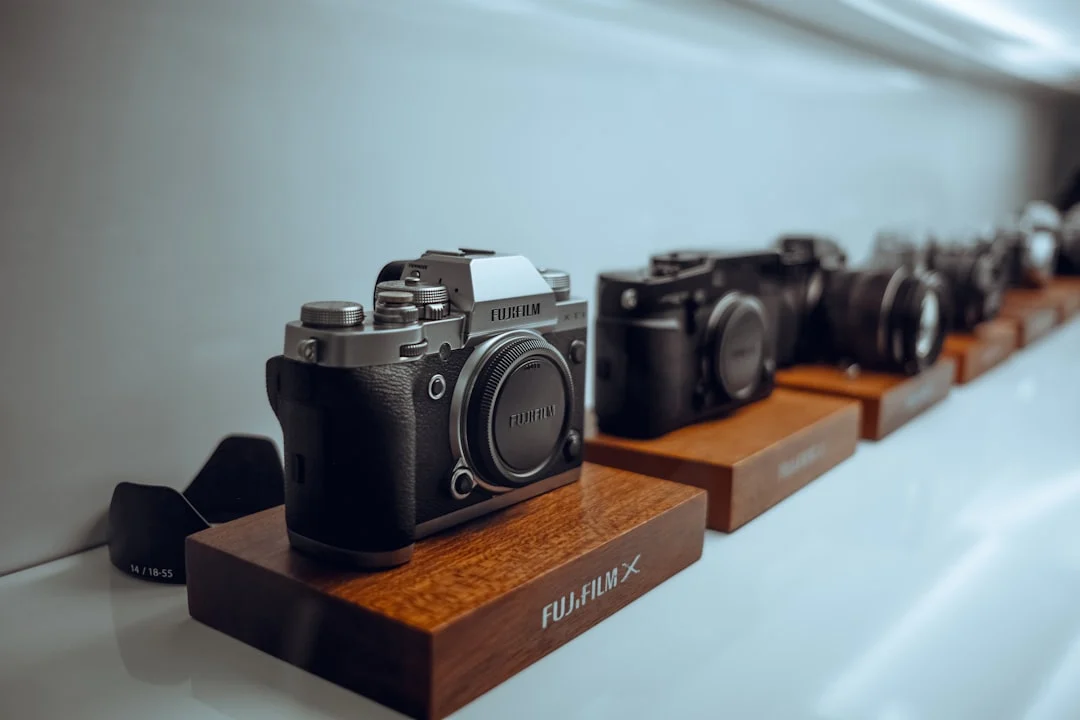
Here is the truth: most modern cameras are excellent. Even entry-level cameras from major manufacturers produce image quality that would have been professional-grade ten years ago. The differences between cameras matter far less than the differences between lenses, lighting, and the skill of the photographer. The right camera is the one that fits your hands, matches your budget, and does not get in the way of your shooting.
This guide gives you a decision framework for choosing a camera based on how you actually shoot, what features genuinely matter, and how to allocate your budget wisely. We deliberately avoid recommending specific models because models change, but the principles of smart buying do not.
Start with How You Shoot
Before you look at a single specification, answer these questions honestly:
- What do you photograph most? Portraits, landscapes, street, events, wildlife, family, travel? Different genres have different demands.
- Where do you photograph? Indoors in low light? Outdoors in all weather? Studios with controlled lighting?
- What do you do with your images? Share on social media? Print large? Sell to clients? Personal archives?
- How much do you carry? Are you comfortable with a heavy camera bag, or do you need something small and light?
- Do you shoot video? If so, how important is video quality relative to stills?
Your answers to these questions narrow the field dramatically. A parent documenting family life has completely different needs than a wildlife photographer, and both have different needs than a wedding professional. The best camera for each of these three people could come from three different brands at three different price points.
Sensor Size: The Most Important Specification
Sensor Size is the single specification that most directly affects image quality, camera size, lens size, and overall system cost. Understanding sensor size helps you choose the right tier of camera.
| Sensor Size | Dimensions (approx) | Strengths | Trade-offs |
|---|---|---|---|
| Full Frame (35mm) | 36 x 24mm | Best low-light performance, shallowest DoF, widest lens selection | Larger/heavier cameras and lenses, most expensive |
| APS-C (Crop) | 23 x 15mm | Good balance of quality and size, excellent value, extra reach for telephoto | Slightly more noise at high ISO, slightly less background blur |
| Micro Four Thirds | 17 x 13mm | Smallest interchangeable lens system, great for travel/video | More noise at high ISO, less background blur, smaller lens selection |
| 1-inch | 13 x 9mm | Very compact cameras, good for travel compacts | Limited background blur, higher noise, no interchangeable lenses (usually) |
For most people entering photography, an APS-C camera hits the value sweet spot. It delivers excellent image quality, works with a wide range of affordable lenses, and keeps the system compact enough to carry comfortably. Full frame is the choice when you need the best possible low-light performance and the shallowest depth of field. For a detailed comparison, read our Full Frame Vs Crop Sensor guide.
Mirrorless vs. DSLR
This is the defining structural choice in camera buying today. For a complete breakdown, see our Mirrorless Vs Dslr guide. Here is the summary:
Mirrorless Advantages
- Electronic viewfinder shows exposure preview, white balance, and effects in real time.
- Generally smaller and lighter bodies (though high-end models are approaching DSLR size).
- Advanced autofocus systems with eye and subject detection.
- Silent electronic shutter option.
- Better video features in general.
DSLR Advantages
- Optical viewfinder has no lag, no battery drain, and works in all lighting.
- Longer battery life per charge.
- Larger existing lens ecosystem (especially used lenses).
- More affordable at equivalent feature levels (used market especially).
- Proven durability over decades of refinement.
The camera industry has largely shifted to mirrorless development. Most manufacturers have stopped releasing new DSLR models. For new buyers, mirrorless is the forward-looking choice. But buying a used DSLR is a financially sound option that delivers excellent results, especially if you are budget-conscious.
Key Specifications That Actually Matter
Autofocus System
The Autofocus system determines how quickly and accurately your camera can lock focus on a subject. Modern mirrorless cameras use phase-detection points spread across nearly the entire sensor, with AI-powered subject recognition that can identify and track eyes, faces, animals, and vehicles.
If you photograph moving subjects (children, sports, wildlife, events), the autofocus system is arguably the most important specification after sensor size. A fast, reliable AF system catches moments that a slower system misses entirely. Read our guide to focus points for more detail.
Burst Rate and Buffer
Burst rate (frames per second, or fps) determines how many images the camera can capture continuously. The buffer determines how many frames it can shoot before slowing down to write to the memory card.
For sports and wildlife: 10+ fps with a deep buffer is valuable. For portraits and landscapes: burst rate barely matters. For events: a moderate burst rate (5-8 fps) covers most situations. Do not pay extra for high burst rates you will never use.
Video Specifications
If video is important to you, consider resolution (4K is standard, 6K/8K exists but produces enormous files), frame rates (60fps for slow motion, 24fps for cinematic look), bit depth (8-bit is basic, 10-bit allows more editing flexibility), and recording codecs (internal vs. external recording capabilities). If video is not important, do not let it influence your decision.
Weather Sealing
If you shoot outdoors regularly, weather sealing protects against moisture and dust. Remember that weather sealing requires both a sealed body and sealed lenses to be effective. No consumer camera is truly waterproof without a dedicated housing.
Ergonomics and Handling
This is the specification that no spec sheet can capture but that affects your shooting experience every single day. How the camera feels in your hands, how the buttons are placed, how intuitive the menu system is, and how the grip fits your fingers all matter enormously. If possible, visit a camera store and hold the models you are considering before buying.
Budget Tiers and What to Expect
Entry Level
Entry-level cameras deliver surprisingly capable image quality. They typically feature APS-C sensors, basic but functional autofocus systems, reasonable burst rates, and a simplified control layout. The trade-offs are fewer customization options, smaller buffers, less weather sealing, and slower autofocus tracking. For beginners and casual photographers, this tier is more than sufficient.
Enthusiast/Mid-Range
Mid-range cameras add more autofocus points, faster processors, better build quality, dual card slots (sometimes), more physical controls, and better video capabilities. This is where most serious hobbyists find the best value. The jump in performance and build quality from entry-level to mid-range is significant.
Professional
Professional cameras prioritize reliability, speed, and weather sealing. They feature the fastest autofocus, deepest buffers, most robust build quality, and most extensive customization options. The image quality difference between professional and mid-range is often marginal; you are paying for speed, reliability, and durability under demanding conditions.
Where to Allocate Your Budget
One of the most common mistakes new buyers make is spending their entire budget on the camera body and buying the cheapest lens possible. This is backwards. Lenses have a longer useful lifespan than camera bodies, and lens quality affects image quality more directly.
- If total budget is limited: Buy a mid-range or even entry-level body and allocate the savings toward one excellent lens. A good lens on a modest body outperforms a cheap lens on an expensive body.
- If budget is comfortable: Split roughly 50/50 between body and lenses. Start with the body and one versatile lens, then add specialized lenses over time.
- If budget is generous: Invest in a professional or high-end enthusiast body and build a curated lens kit. Quality glass holds its value far better than camera bodies.
For specific lens buying advice, read our guide on what lens to buy first.
Buying Used Cameras
Used cameras offer exceptional value. Camera bodies depreciate significantly when new models are released, even though the older model’s image quality has not changed at all. A two-year-old camera body often sells for 40-60% of its original price.
What to Check When Buying Used
- Shutter count: Check the number of actuations. Compare it to the camera’s rated shutter life. A camera at 20% of its rated life has plenty of use remaining.
- Sensor condition: Take a test photo of a plain surface at f/16 to check for dust spots. A few dust spots are normal and easily cleaned. Extensive spots or visible scratches on the sensor are red flags.
- Body condition: Cosmetic wear (scuffs, paint wear) on the body is normal and does not affect functionality. Dents, cracked screens, or broken controls are genuine problems.
- Autofocus accuracy: Test AF on multiple subjects at various distances. The camera should consistently focus where you tell it to.
- Battery health: Older batteries hold less charge. Factor in the cost of a new battery if the included one is significantly degraded.
Common Mistakes
- Waiting for the next model. There is always a new model coming. The camera that exists today takes the same great photos it will take after its successor is announced. Buy when you are ready.
- Over-speccing for your needs. A 45-megapixel, 30fps, 8K video powerhouse is wasted on a photographer who shoots portraits at moderate print sizes. Buy what you need, not what reviewers are excited about.
- Ignoring the lens ecosystem. The best camera body in the world is limited by the lenses available for it. Before committing to a system, research what lenses are available and at what prices.
- Choosing based on brand loyalty. All major camera manufacturers make excellent cameras. Choosing a brand solely because “it is the best” ignores that each system has different strengths.
- Neglecting ergonomics. If the camera is uncomfortable to hold, you will use it less. Hold it before you buy it.
- Spending the entire budget on the body. Save money for at least one good lens and essential accessories (a quality memory card, a spare battery, and a basic bag).
Try This
- Visit a camera store. Hold two or three cameras in your price range. Take test shots. Pay attention to how each one feels in your hands, not just what is on the spec sheet.
- Rent before buying. Most camera stores and online services offer rentals. Spend a weekend with a camera before committing hundreds or thousands of dollars.
- Ask photographers you admire. Find out what equipment other photographers in your preferred genre use. Their practical experience is more valuable than any review.
- Define your “must-have” list. Write down the three features that matter most to you. Use this list to filter out cameras that do not meet your actual needs, even if they score well in reviews.
The Upgrade Cycle Trap
One of the most expensive habits in photography is the premature upgrade cycle. Camera manufacturers release new models annually, and each release triggers marketing that implies your current camera is suddenly inadequate. Review sites breathlessly highlight every improvement. Forums fill with posts about “upgrading.”
The reality is that image quality improvements between camera generations are often marginal. A camera released three years ago produces images that are visually indistinguishable from a current model in the vast majority of shooting conditions. The improvements tend to be in autofocus speed, burst rate, video capabilities, and electronic viewfinder quality. These are genuine improvements, but they rarely justify the cost of replacing a perfectly functional camera body. Instead of upgrading bodies every two years, consider investing in better lenses, lighting equipment, a photography workshop, or travel to interesting locations. Your skills and creative vision will improve your photos more than any specification upgrade.
The Importance of Holding the Camera
Camera ergonomics are deeply personal and impossible to evaluate from a spec sheet or review. The grip depth, button placement, menu navigation, viewfinder experience, and overall balance in your hands vary significantly between manufacturers and even between models from the same manufacturer.
A camera that feels natural in your hands lets you work faster and more intuitively. You find controls by muscle memory rather than visual search. You bring the camera to shooting position fluidly. Settings changes happen without interrupting your creative flow. This is why visiting a camera store and handling your top candidates before purchasing is so valuable. Ten minutes of hands-on time reveals more than ten hours of specification comparison.
Frequently Asked Questions
How many megapixels do I need?
For social media and web use, even 12 megapixels is more than enough. For large prints (16×24 inches and larger), 24+ megapixels provides comfortable resolution. For commercial work requiring heavy cropping, 40+ megapixels offers more flexibility. Most modern cameras fall in the 24-33 megapixel range, which handles virtually all use cases. See our guide to camera specifications for more detail.
Should I buy a camera or use my smartphone?
Modern smartphones take excellent photos in good light. A dedicated camera adds: larger sensor (better low light, more depth of field control), interchangeable lenses (creative versatility), Raw Vs Jpeg capture capability, manual controls, and faster autofocus tracking. If you want creative control and plan to learn photography seriously, a dedicated camera is worthwhile. For more, see our Smartphone Photography guide.
Is a more expensive camera worth it for a beginner?
Usually not. A mid-range camera has everything a beginner needs and more. The skills you need to develop (composition, lighting, timing, post-processing) are camera-independent. As your skills grow, you will have a better understanding of what features you actually need and can upgrade strategically.
How long will a camera last?
A well-maintained camera body can last 5-10+ years of regular use. The shutter mechanism will eventually wear out (typically after 100,000-500,000 shots), but the electronics and sensor remain functional long after that. Many photographers use camera bodies for years without any mechanical issues.
What accessories do I need right away?
At minimum: a spare battery, a quality memory card (fast enough for your camera’s write speed), and a camera bag or strap. Beyond that, consider a lens cleaning kit and a basic tripod. Everything else can wait until you have specific needs.
Can I switch camera brands later?
Yes, but it is expensive because lenses are not cross-compatible between most systems. This is why your initial choice of system matters. Research the available lens ecosystem before committing. If you are unsure, buy a modest camera and a couple of lenses to learn with, then make a more informed system choice later.
Continue Learning
Continue your camera education with these related guides:
- Parts of a Camera: Understand every component of your new camera
- Mirrorless Vs Dslr: Deep dive into the two camera types
- Full Frame Vs Crop Sensor: Understand the sensor size decision
- What Lens to Buy First: Choose the right lens for your new camera
- How to Shoot in Manual Mode: Start using your camera to its full potential
- Exposure Triangle: Master the three pillars of exposure
- Understanding Camera Specifications: Decode every spec on the data sheet
- Photography Workflow: Set up an efficient post-purchase workflow