Working as a second shooter is one of the best ways to build your skills, gain real-world experience, and establish yourself in the photography industry. Whether you are just starting out or looking to supplement your income between your own bookings, second shooting gives you the opportunity to work alongside experienced photographers, learn professional workflows, and build a portfolio of high-quality work. This guide covers everything you need to know about being a great second shooter: what the role involves, what gear to bring, how to communicate with the lead photographer, and how to grow your career from assistant to lead.
What Is a Second Shooter?
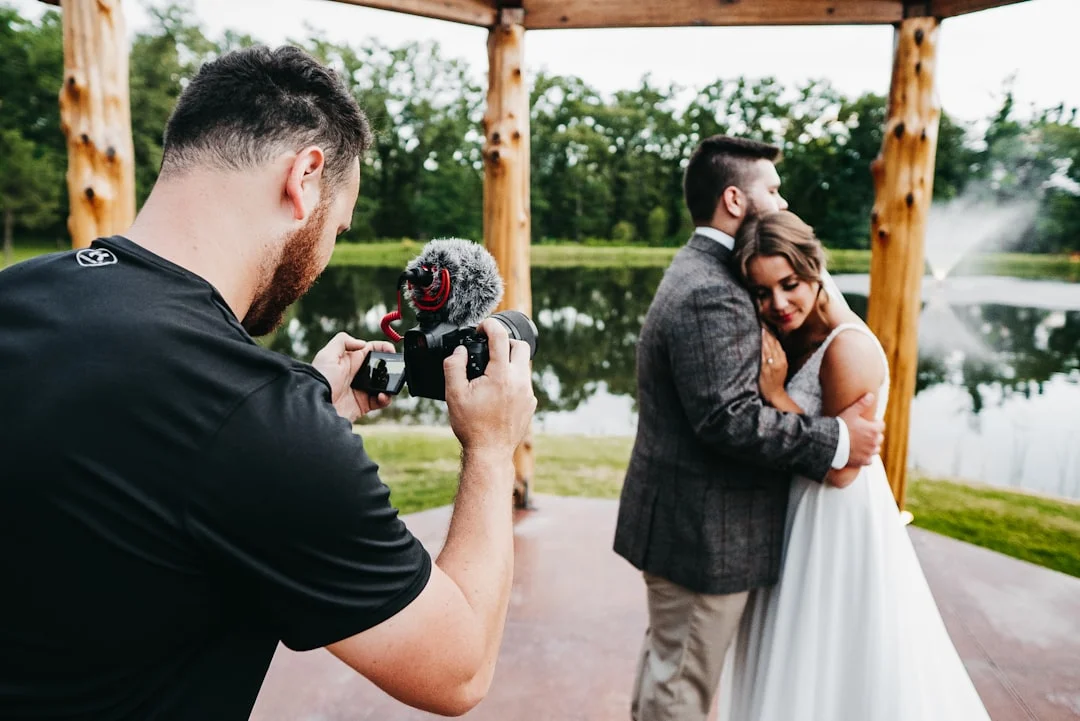
A second shooter is an additional photographer hired by the lead (or primary) photographer to provide supplementary coverage during a shoot, most commonly at weddings and large events. The second shooter works under the direction of the lead photographer, capturing different angles, moments, and perspectives that a single photographer would miss.
The second shooter role is distinct from a photography assistant. An assistant helps with equipment, lighting, and logistics but may not shoot at all. A second shooter is actively photographing throughout the event, producing images that become part of the final delivery to the client. Some events call for both roles, but more often the second shooter handles both supplementary photography and light assisting tasks.
Second shooting is most common in wedding photography, where the day unfolds at multiple locations simultaneously and a single photographer cannot capture everything. It is also common at large events, corporate functions, and multi-day shoots where coverage needs exceed what one photographer can handle.
The Second Shooter’s Responsibilities
Understanding your role clearly is the foundation of being a great second shooter. Your responsibilities will vary depending on the lead photographer’s preferences, but here are the standard expectations:
Core Shooting Responsibilities
- Alternate angles. When the lead photographer is shooting the ceremony from the front, you are at the back or side. When they are photographing the bride getting ready, you are with the groom’s party. Your job is to capture what the lead cannot.
- Candid moments. While the lead photographer is directing posed group photos, you are capturing candid reactions, details, and atmospheric shots. Guest reactions during toasts, kids playing during cocktail hour, and the venue’s decorative details are all your territory.
- Detail shots. Rings, flowers, table settings, signage, favors, and other details that tell the full story of the event. These shots supplement the lead’s coverage and provide a more complete final gallery.
- Backup coverage. You provide insurance against missed moments. If the lead photographer blinks during the first kiss, you were shooting from another angle. Redundancy in coverage is one of the primary reasons clients pay for a second shooter.
Supporting Responsibilities
- Assisting with lighting. Holding reflectors, positioning off-camera flash units, or blocking harsh sunlight with a diffuser when the lead photographer needs it.
- Helping with group shots. Wrangling family members, getting people’s attention, checking for closed eyes, and helping arrange large groups efficiently.
- Managing gear transitions. Having the right lens or body ready for the lead photographer during fast-moving situations like ceremony recessionals or first dances.
- Timeline awareness. Keeping track of the schedule and gently alerting the lead photographer when the next event is approaching. At a wedding, staying on timeline is crucial, and a second shooter who tracks this is invaluable.
Gear for Second Shooting
What gear you need to bring depends on your agreement with the lead photographer. Some leads provide all equipment. Others expect you to bring your own. Always confirm gear expectations before the event. Here is what a well-prepared second shooter typically brings:
Essential Gear
- Two camera bodies. Having a backup body is non-negotiable for professional event work. If your primary camera fails, you need to keep shooting without disrupting the event.
- Fast zoom lenses. A 24-70mm f/2.8 and a 70-200mm f/2.8 cover the vast majority of second shooting situations. The wide zoom handles groups, details, and environmental shots. The telephoto captures ceremonies, speeches, and candid moments from a distance.
- Fast prime lens. A 35mm f/1.4 or 50mm f/1.4 for low-light situations and creative shots. Prime lenses are especially useful during receptions and dimly lit ceremonies.
- Speedlight. An external flash unit for receptions and dark venues. Make sure it is compatible with your camera system and practice using it in bounce mode before the event.
- Extra batteries and memory cards. Bring more than you think you need. A full day of wedding shooting can drain multiple batteries and fill multiple cards.
Supporting Gear
- Monopod or small tripod for stable shots during speeches and low-light moments
- Reflector (if the lead photographer does not carry one)
- Lens cleaning supplies
- Comfortable shoes (you will be on your feet for 8-12 hours)
- Granola bars and water (you may not get a meal break)
- Business cards (if the lead photographer permits you to hand them out)
Communication and Etiquette
The relationship between lead photographer and second shooter is built on communication and trust. Poor communication leads to missed shots, duplicated coverage, and tension that can affect the final product.
Before the Event
- Meet or call beforehand. Discuss the timeline, shot list, shooting style, and specific expectations. Every lead photographer works differently, and understanding their approach before the event prevents confusion.
- Review the timeline. Know when and where every key moment happens. The ceremony time, first look location, cocktail hour schedule, reception events, and any special moments the couple has planned.
- Understand the editing style. Ask about camera settings, white balance preferences, and any specific shooting instructions. If the lead photographer shoots everything at a specific color temperature for their editing workflow, matching that makes their post-processing easier. See our guide on photography workflow for more on systematic approaches.
- Discuss image ownership and portfolio use. Before the event, clarify who owns the images you produce and whether you can use any for your own portfolio. This should be covered in your contract, but discussing it in advance prevents misunderstandings.
During the Event
- Follow the lead’s direction. When the lead photographer tells you to be in a specific location or shoot a specific thing, do it promptly and without argument. This is not the time for creative independence.
- Stay aware of the lead’s position. Never stand directly behind the lead photographer or in their frame. Always know where they are shooting from so you can position yourself at a complementary angle.
- Shoot what the lead is not shooting. If the lead is photographing the ceremony from the center aisle, move to a side angle. If they are focused on the couple, capture guest reactions. Your coverage should complement, not duplicate.
- Be invisible to guests. Move quietly, avoid blocking views, and do not draw attention to yourself during emotional moments. Your presence should enhance the event documentation, not detract from the event experience.
- Communicate discreetly. Use whispers, hand signals, or brief check-ins during transitions. Never loudly direct the lead photographer in front of clients or guests.
- Watch for moments the lead might miss. The flower girl making faces during the ceremony, the grandmother wiping away a tear, the groomsmen sneaking a flask. These candid moments are often the most treasured images in the final gallery.
After the Event
- Deliver images promptly. Transfer your memory cards or deliver your files according to the lead photographer’s preferred method and timeline. Most lead photographers want all files within 24-48 hours.
- Deliver all images unedited. Unless the lead specifically asks you to cull or edit, deliver every image from the event. Let them handle the selection and editing to maintain consistency across the final gallery. For understanding editing expectations, see our editing guide.
- Follow up professionally. Send a thank-you message and express your interest in future work. Building an ongoing relationship with lead photographers who value your work is the most reliable path to consistent second shooting opportunities.
Finding Second Shooting Opportunities
Second shooting gigs come from relationships, not job boards. Here is how to find them:
- Reach out to local photographers. Identify wedding and event photographers in your area whose work you admire. Send a professional email introducing yourself, sharing a link to your portfolio, and expressing your interest in second shooting opportunities. Be specific about what you admire about their work. Generic messages get ignored.
- Join photography communities. Local photography groups, online forums, and social media communities often have leads from photographers seeking second shooters for upcoming events.
- Attend industry events. Photography meetups, workshops, and trade shows are excellent places to meet lead photographers in person. Face-to-face connections are more memorable than email introductions.
- Assist first. If you are just starting out, offer to assist (carry bags, hold reflectors) for free on one or two events. This demonstrates your reliability and work ethic, and many photographers upgrade reliable assistants to second shooters once trust is established.
- Leverage your network. Tell every photographer you know that you are available for second shooting. Work can come from unexpected connections.
Compensation and Contracts
Second shooter compensation varies widely based on experience, location, event type, and the lead photographer’s business model. Understanding the range helps you negotiate fairly.
Payment Structures
- Flat rate per event. The most common arrangement. You receive a fixed fee for the entire event regardless of hours worked. Rates vary significantly by market and experience level.
- Hourly rate. Less common but used for events with variable duration. Ensures you are compensated fairly for longer days.
- Day rate plus overtime. A base rate for a standard number of hours with an hourly rate for time beyond that. Common for all-day weddings that may run late.
What Your Agreement Should Cover
Always have a written agreement before the event, even a simple one. It should address:
- Compensation amount and payment timing
- Event date, location, and expected hours
- Gear requirements (what you bring vs. what the lead provides)
- Image ownership and copyright assignment
- Portfolio usage rights (which images you can use and how)
- Cancellation terms
- Meals (whether the lead photographer has arranged a vendor meal for you)
For more on agreements and protecting yourself, see our guide on photography contracts.
Image Ownership
This is the most important business element to clarify. In most second shooting arrangements, the lead photographer retains all rights to the images you create. You are essentially working as a contractor producing work for hire. Your agreement should explicitly state that copyright in all images transfers to the lead photographer.
In exchange, many lead photographers allow second shooters to use a limited number of images in their own portfolio with credit to the lead photographer. This is a fair arrangement when the terms are clear and agreed upon in advance.
Skills to Develop as a Second Shooter
Second shooting is a training ground. Use every event to deliberately develop skills that will serve you when you step into the lead role:
- Anticipation. Learn to predict what will happen next. The father of the bride will cry during the first dance. The best man will fumble the rings. The toddler will run down the aisle. Great event photographers see moments before they happen.
- Exposure in difficult light. Events throw every lighting challenge at you: backlit ceremonies, dark reception halls, mixed lighting from windows and overhead fixtures. Learn to adjust quickly without chimping (constantly checking your LCD screen).
- Working unobtrusively. Practice moving through spaces quietly and efficiently. Learn to use available cover (pillars, doorways, foliage) to shoot without being noticed.
- Speed and efficiency. Events move fast. Practice lens changes, memory card swaps, and flash adjustments until they are automatic. Every second spent fumbling with gear is a moment you might miss.
- Reading the room. Develop your ability to sense emotional peaks. When the crowd energy shifts, something worth photographing is usually happening.
- Flash technique. Master bounce flash, dragging the shutter for ambient light balance, and working with on-camera and off-camera flash in reception environments.
- Communication. Practice clear, concise communication with the lead photographer during high-pressure situations. The ability to convey “the grandmother is about to leave, do you want a family portrait?” in a quick whisper is a valuable skill.
From Second Shooter to Lead Photographer
For many photographers, second shooting is a stepping stone to building their own photography business. Here is how to make that transition effectively:
Build Your Portfolio Strategically
With permission from your lead photographers, build a portfolio of your best second-shot images. Choose images that showcase your eye for candid moments, your ability to handle difficult lighting, and your compositional skills. Your portfolio does not need to be huge to start booking your own work, but it does need to demonstrate competence and style.
Learn the Business Side
Second shooting teaches you photography skills, but running your own business requires additional knowledge. While you are second shooting, learn about pricing, marketing, client management, and business operations. Talk to lead photographers about how they run their businesses. Most are happy to share insights with hardworking second shooters.
Start Small
Your first solo events should be smaller and lower-pressure than the weddings you second-shoot. Elopements, engagement sessions, small family celebrations, and corporate headshots are great entry points. Building confidence with smaller jobs prepares you for the pressure of larger events.
Maintain Your Second Shooting Relationships
Even as you build your own client base, continue second shooting when your schedule allows. It provides steady income while your own business grows, keeps you sharp and learning, and maintains valuable relationships with established photographers who may refer overflow work to you.
Being a Good Lead Photographer for Second Shooters
If you have progressed to hiring your own second shooters, remember what it was like being one. Good lead photographers:
- Communicate clear expectations before the event
- Share the timeline, shot list, and any specific client requests
- Provide guidance without micromanaging
- Ensure the second shooter gets a meal and adequate breaks
- Pay promptly and fairly
- Give constructive feedback after the event
- Allow reasonable portfolio usage of the images
- Credit the second shooter when sharing their images
Treating your second shooters well creates loyalty, reliability, and a reputation that attracts talented photographers to work with you. This is an important aspect of building your photography business.
Second Shooting at Different Event Types
While weddings are the most common context for second shooters, the role applies to other event types as well. Each has its own dynamics:
- Corporate events. Corporate second shooting involves covering speakers, panel discussions, networking moments, and branded elements simultaneously. Communication with the lead is typically more structured, and the deliverables are often needed on a faster timeline.
- Conferences and trade shows. Multi-day events may split coverage between morning and afternoon, or between different rooms and stages. Stamina and consistent quality across long days are critical. Organization of files by session or speaker helps the lead photographer sort through large volumes of images.
- Sports and competitions. Second shooters at sporting events often cover different vantage points, warm-ups, and crowd reactions while the lead focuses on the main action. Fast autofocus skills and understanding of the sport’s key moments are essential.
- Large portrait sessions. School photos, team photos, and large family reunion sessions sometimes need a second photographer to manage workflow, adjust lighting between groups, and capture behind-the-scenes content while the lead runs the primary setup.
Adapting your approach to the specific event type shows versatility and makes you a more valuable second shooter. The more event types you can handle competently, the more work opportunities you will have.
Common Mistakes
These mistakes can damage your reputation and your relationship with lead photographers:
- Overstepping your role. Directing the couple or giving posing instructions without being asked undermines the lead photographer’s authority and confuses the clients. Follow the lead’s direction and stay in your lane.
- Posting images without permission. Sharing images from a second shooting gig on your social media before the lead photographer has delivered to the client is a serious violation of trust. Always wait for explicit permission.
- Using all the images in your portfolio. Even when portfolio use is permitted, select a modest number of your best images rather than publishing dozens. Flooding your portfolio with work from a single event where you were second shooter misrepresents your experience.
- Soliciting the client. Never hand your business card to the client, pitch your services, or attempt to poach the client from the lead photographer. This is the fastest way to destroy your professional reputation.
- Not matching the lead’s settings. If the lead photographer shoots at a specific white balance or color temperature, match their settings. Delivering images with wildly different color profiles makes their editing process much harder.
- Being unprepared. Showing up without enough batteries, memory cards, or the right lenses signals that you are not ready for professional work. Preparation is a basic expectation.
- Leaving early or missing coverage. Second shooters who disappear during the reception or miss key moments because they were “on a break” are not hired back. Your commitment lasts the entire event.
- Not having a contract. Working without a written agreement leaves both parties vulnerable. Always formalize the arrangement, even with lead photographers you consider friends.
Try This
Take these steps to improve your second shooting career:
- Reach out to three local photographers. Send professional, personalized emails to three wedding or event photographers whose work you admire. Include a link to your portfolio (even if it is small), express genuine interest in their work, and ask if they have upcoming events where they need a second shooter.
- Practice your flash skills. Before your next event, practice bounce flash in your home. Photograph people in different rooms at different distances. Learn how your flash behaves in small spaces vs. large rooms, and practice adjusting power quickly.
- Build a second shooting kit checklist. Create a packing list specific to second shooting that you review the night before every event. Include everything from gear to snacks to a change of socks. Never rely on memory when packing for an important job.
- Study your last event’s images. Review the images you delivered from your last second shooting job. Which ones were your best? Which moments did you miss? What would you do differently? Self-analysis is how you improve rapidly.
- Create a second shooter agreement template. If you do not already have one, create a simple agreement covering payment, image ownership, and portfolio usage. Having this ready shows professionalism when a new lead photographer offers you work.
- Shadow the lead photographer’s editing. If the lead photographer is willing, ask to observe their editing process. Understanding how your images fit into their final product helps you shoot more effectively for their style.
- Set a transition timeline. If your goal is to become a lead photographer, set a timeline with specific milestones: portfolio completion, website launch, first solo booking, first full wedding as lead. Having a plan keeps you progressing.
FAQ
How much experience do I need to be a second shooter?
You should have a solid understanding of exposure, composition, and your camera’s operation. You need to be able to shoot in manual mode, handle changing lighting conditions, and produce consistently sharp, well-exposed images. Most lead photographers expect you to be technically competent, even if you lack event-specific experience. Start by assisting (no shooting responsibilities) if you are still building basic skills.
Do I keep the copyright to images I take as a second shooter?
In most arrangements, no. The standard practice is for the lead photographer to retain copyright to all images produced during the event, including those taken by the second shooter. This should be spelled out in your written agreement. You may receive permission to use selected images in your portfolio, but ownership typically belongs to the lead.
Should I bring my own gear or does the lead photographer provide it?
This varies by arrangement. Some lead photographers provide camera bodies and lenses to ensure consistent image quality. Others expect you to bring your own professional-grade equipment. Always clarify this well before the event. If bringing your own gear, make sure it produces quality comparable to the lead’s equipment.
Can I use second-shot images on my social media?
Only with explicit permission from the lead photographer, and typically only after the lead has delivered the final gallery to the client. Many lead photographers allow limited social media use with proper credit. Some prohibit it entirely. Never post images from a second shooting job without permission, regardless of how great they turned out.
What should I wear as a second shooter?
Dress professionally and in dark, neutral colors (black is the standard). You should look presentable enough to blend into a formal event without standing out. Avoid bright colors, loud patterns, or anything that draws attention. Comfortable shoes are essential. Ask the lead photographer if they have specific dress code requirements.
How do I handle it when a guest asks me to take a photo with their phone?
Politely decline and redirect them. A simple “I would love to help, but I need to stay focused on capturing the event. The lead photographer’s images will be available after the event” is professional and appropriate. Taking guest phone photos takes you away from your actual job and can create an expectation among other guests.
What if I disagree with the lead photographer’s approach during an event?
During the event, follow the lead’s direction without debate. The middle of a wedding is not the time for creative disagreements. If you have suggestions, share them during a quiet transition moment, framed as a question rather than a correction. After the event, you can discuss your perspective constructively. If you consistently disagree with a lead photographer’s approach, they may not be the right person for you to work with.