Assisting established photographers is one of the most effective paths into the professional photography world. It provides hands-on education that no classroom can replicate: real clients, real deadlines, real problems, and real solutions. You learn not just how to take pictures, but how to run a shoot.
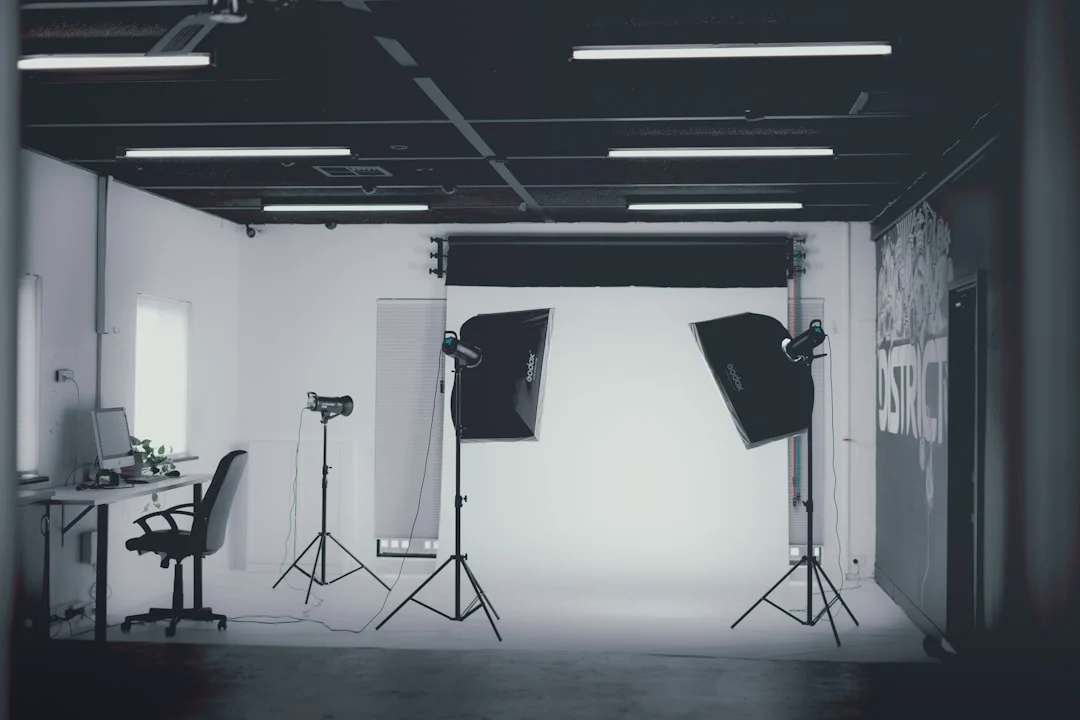
Photography assisting is also one of the most misunderstood roles in the industry. New assistants often arrive expecting to learn composition and creativity. What they actually learn is logistics, problem-solving, lighting, and professionalism. These are the skills that separate working photographers from talented amateurs.
This guide covers what assisting involves, how to find positions, what to expect on your first day, and how to use assisting as a springboard to your own photography career.
What Photography Assistants Actually Do
The primary job of a photography assistant is to make the photographer’s vision possible. This means handling logistics so the photographer can focus on the creative work. On any given shoot, an assistant might set up and adjust Photography Lighting, move equipment, manage gear, hold reflectors, wrangle cables, and solve problems as they arise.
Assistants rarely photograph. The camera is the photographer’s tool. Your tools are light stands, modifiers, grip equipment, tape, clamps, sandbags, and whatever else keeps the shoot running. Some photographers will ask you to take behind-the-scenes shots, but this is a bonus, not the core role.
Digital tech work is increasingly part of assisting. This includes tethering the camera to a computer, managing files during the shoot, applying basic adjustments for the photographer to review on a monitor, and backing up images. Understanding digital workflow makes you more valuable.
Essential Skills for Photography Assistants
Lighting knowledge is the most valuable skill an assistant can have. Understanding how to set up strobes, continuous lights, reflectors, and modifiers is essential. Study Flash Photography and Natural Light Photography thoroughly before your first assisting job.
- Lighting: Set up, position, and adjust studio strobes, speedlights, and continuous lights. Understand modifiers (softboxes, umbrellas, grids, flags).
- Grip: Safely secure light stands, booms, and backgrounds. Know how to use sandbags, clamps, and gaffer tape.
- Digital tech: Tether a camera to a laptop. Manage files, apply basic adjustments, and troubleshoot connectivity issues.
- Physical fitness: Assisting is physically demanding. You carry heavy cases, stand for hours, and move equipment quickly.
- Problem-solving: Things go wrong on every shoot. Power outlets fail, equipment breaks, weather changes. Assistants find solutions without being asked.
- Anticipation: Great assistants anticipate the photographer’s needs before being asked. Watch the photographer’s patterns and prepare for the next step.
How to Find Photography Assistant Positions
Start by identifying photographers in your area whose work you admire. Visit their websites, study their Photography Portfolio, and understand their style and specialty. Then reach out with a professional, brief email introducing yourself and expressing your interest in assisting.
Your email should be short: who you are, why you admire their work (be specific), your relevant skills or experience, and your availability. Attach a brief resume focused on relevant skills (technical knowledge, physical capability, reliability). Do not send your photography portfolio unless asked. You are applying to assist, not to show your own work.
Networking is equally important. Attend photography industry events, workshops, and meetups. Rental studios and equipment houses often know which photographers need assistants. Photography schools sometimes maintain job boards. Online platforms and social media groups dedicated to photography assisting connect assistants with photographers.
What to Expect on Your First Day
Arrive early. Fifteen minutes before call time is professional. Thirty minutes early on your first day with a new photographer shows enthusiasm without being excessive. Introduce yourself to everyone on set, be friendly, and listen more than you speak.
You will likely spend the first hour loading, transporting, and unpacking equipment. Then you will set up light stands, backgrounds, and modifiers under the photographer’s direction. During the shoot, stay alert, stay quiet during takes, and position yourself where you can respond quickly without being in the frame.
At the end of the day, tear-down and packing is your responsibility. Return everything to its case in the condition you found it. Coil cables properly. Pack fragile items carefully. A photographer judges an assistant more by how they treat equipment than by any other factor.
On-Set Etiquette and Professionalism
Professionalism as an assistant means being invisible when not needed and instantly available when called upon. Keep your phone away unless you are using it for a work-related task. Never photograph on set with your own camera without explicit permission.
- Never share images from the shoot on social media unless the photographer explicitly grants permission.
- Do not offer creative opinions unless asked. The photographer is the creative director. Your role is execution.
- Handle client interactions carefully. Be polite and professional, but do not discuss the images, the project, or the business with clients.
- Dress appropriately. Dark, solid-colored clothing that allows physical movement. Closed-toe shoes always.
- Stay positive. Long days, difficult conditions, and stressful clients are part of the job. Your attitude matters.
- Be honest about your skills. If you do not know how to do something, say so. Pretending leads to broken equipment and lost trust.
Building Relationships with Photographers
The best assisting positions come through relationships, not job boards. After each shoot, send a brief thank-you message. Be reliable and consistent. Photographers remember the assistant who showed up on time, worked hard, and did not cause drama.
Assisting for multiple photographers broadens your skills and network. Each photographer has a different style, workflow, and approach. Working with several exposes you to diverse techniques and gives you a broader perspective on the industry.
Over time, you become part of a community. Other assistants become colleagues and referral sources. Photographers recommend reliable assistants to each other. The photography industry is smaller than it appears, and reputation travels fast in both directions.
Transitioning from Assistant to Photographer
Most successful assistants begin building their own photography practice while still assisting. Shoot personal projects on your days off. Build a portfolio that represents the genre you want to work in. Gradually take on your own small clients while maintaining assisting income.
Develop your Photography Portfolio with intention. Do not just collect your best images. Curate a body of work that shows the type of photography you want to be hired for. A scattered portfolio confuses potential clients. A focused one communicates expertise.
Learn the business side that assisting does not teach you: Photography Pricing Guide, Photography Client Management, marketing, and financial management. Being a great photographer is necessary but not sufficient. You also need to be a competent business operator.
Pay Expectations for Photography Assistants
Assistant pay varies widely by market, photographer, and the type of shoot. Day rates are the most common payment structure. Starting assistants in major markets might earn a modest day rate that increases with experience and skills.
Some first-assisting gigs are unpaid, framed as learning opportunities. Use your judgment. A few unpaid days with a photographer whose work and reputation you deeply admire can be a worthwhile investment. But ongoing unpaid work is exploitation, not education. Know the difference.
As your skills develop, your rate should increase. First assistants (the lead assistant on a shoot) earn more than second assistants. Digital techs earn more than standard assistants. Specializing in high-demand skills increases your value and your rate.
What to Bring: Assistant’s Kit List
Professional assistants maintain a personal kit of essential tools. These items supplement the photographer’s equipment and solve common on-set problems.
- Multi-tool or Leatherman: The single most useful item an assistant can carry.
- Gaffer tape (black and white): Secures cables, marks positions, fixes almost anything temporarily.
- Work gloves: Protect your hands when handling hot lights, heavy cases, and rough surfaces.
- Headlamp or small flashlight: Essential for dark studios, outdoor shoots at dawn/dusk, and reading equipment in dim conditions.
- Notebook and pen: Write down lighting setups, equipment serial numbers, and photographer preferences.
- Snacks and water: Shoots run long and breaks are unpredictable. Feed yourself so you maintain energy and focus.
- Appropriate clothing layers: Studios are cold, outdoor locations are unpredictable. Be prepared for temperature changes.
- Phone charger: A dead phone means you cannot be reached for future bookings.
Networking Through Assisting
Every shoot puts you in contact with professionals you would not otherwise meet: art directors, stylists, makeup artists, models, producers, and other assistants. These connections become your professional network.
Be genuinely helpful to everyone on set, not just the photographer. The stylist who watches you solve a lighting problem might recommend you to another photographer. The art director who sees your work ethic might hire you directly for future projects.
Maintain these connections. Follow up after shoots. Be responsive when contacted. The photography industry runs on relationships, and the connections you build while assisting often determine the trajectory of your career. When you are ready to launch, understanding how to How To Start A Photography Business will give you the framework to turn these relationships into a sustainable practice.
Common Mistakes New Assistants Make
- Talking too much: Listen, observe, and learn. The set is not a classroom. Save questions for breaks or after the shoot.
- Pulling out their own camera: Never photograph on set without explicit permission. You are there to help, not to build your portfolio.
- Being unreliable: Canceling last-minute, arriving late, or leaving early burns bridges permanently.
- Not knowing basic gear: Learn the names and functions of common lighting equipment before your first shoot.
- Overstepping boundaries: Offering creative suggestions, interacting with clients beyond pleasantries, or making decisions without asking.
- Undervaluing the role: Assisting is a profession, not a stepping stone to endure. Take pride in being excellent at it.
Try This: Preparing for Your First Assisting Gig
- Practice setting up a light stand and modifier: Time yourself assembling and disassembling a light stand with a softbox. Speed and safety matter.
- Learn cable management: Practice coiling cables properly (over-under method). Poor cable management is an instant red flag for experienced photographers.
- Study lighting diagrams: Read articles and watch videos about studio lighting setups. Learn to identify modifier types by sight.
- Research local photographers: Make a list of 10 photographers in your area whose work you admire. Review their portfolios and understand their specialties.
- Assemble your kit: Put together a basic assistant’s kit (multi-tool, gaffer tape, gloves, headlamp) so you arrive prepared on day one.
Frequently Asked Questions
Do I need photography experience to be an assistant?
Basic photography knowledge helps, but you do not need to be an accomplished photographer. Understanding Exposure Triangle and basic Photography Lighting concepts is more important than having a strong portfolio. Reliability, physical fitness, and a good attitude matter most.
How long should I assist before going on my own?
There is no set timeline. Some assistants transition after a year. Others assist for five or more years while building their own practice. The transition should be driven by readiness, not impatience. When you can confidently handle lighting, client interaction, and problem-solving, you are approaching readiness.
Can I assist part-time while working another job?
Yes, many assistants start part-time. Shoots often happen on weekends or have flexible schedules. Be upfront about your availability so photographers can plan accordingly.
What if I make a mistake on set?
Everyone makes mistakes. Own it immediately, fix it if possible, and move on without dwelling. Photographers respect honesty far more than cover-ups. A dropped sandbag is forgivable. A hidden mistake that causes a bigger problem is not.
Is assisting still relevant with online tutorials available?
Absolutely. Tutorials teach technique. Assisting teaches workflow, client management, problem-solving under pressure, and professionalism. These skills are nearly impossible to learn from videos. The combination of online learning and real-world assisting produces the most well-rounded photographers.