A photo essay tells a story through a sequence of images. Unlike a single photograph that captures one moment, a photo essay builds meaning across multiple images, guiding the viewer through a narrative, an argument, or an exploration of a subject. It is one of the most powerful forms of visual storytelling, used by photojournalists, documentary photographers, fine art photographers, and anyone who wants to communicate something deeper than a single frame can convey.
Creating a strong photo essay requires skills that go beyond technical photography. You need to think about narrative structure, visual variety, emotional pacing, and the relationship between images. This guide walks you through every stage of creating a photo essay, from concept to final edit. Whether your essay documents a social issue, explores a personal theme, or captures a day in someone’s life, the principles are the same.
What Makes a Photo Essay Different from a Gallery
A gallery is a collection of images grouped by subject or style. A photo essay is a sequence of images that builds meaning through their order and relationship. The difference is intention and structure. In a gallery, each image stands on its own. In a photo essay, each image gains meaning from the images around it.
Think of the difference between a playlist of songs and an album. A playlist is a collection of good tracks. An album is a deliberate sequence that takes the listener on a journey. Photo essays work the same way. The opening image sets the scene. The middle images develop the story. The closing image provides resolution or raises a lingering question.
Photo essays can range from five images to fifty or more. A focused essay of 8 to 15 images is ideal for most projects. Shorter essays demand that every image carry significant weight. Longer essays allow for more nuance and detail but risk losing the viewer’s attention. The right length depends on the complexity of your subject and how much visual material you have to work with.
Wondering how a story holds together in only five images? How to make great stories with photos breaks down a five-shot structure and how to edit the story down.
Planning Your Photo Essay
Every strong photo essay starts with a clear concept. Before you pick up your camera, answer three questions: What is my subject? What do I want to say about it? Who is my audience? A photo essay about a local bakery could be about the craft of bread-making, the immigrant story of the owner, or the role the bakery plays in the neighborhood. Same subject, three very different essays. Clarity about your angle prevents you from shooting randomly and hoping a story emerges.
Research your subject thoroughly. If you are documenting a person, spend time with them before you start shooting. Understand their routine, their environment, and the moments that define their daily life. If you are exploring a place, visit it multiple times at different hours. If you are covering an event, learn the schedule and identify the key moments you need to capture. The more you know about your subject, the better your instincts will be when shooting.
Create a shot list based on the visual elements your essay needs. Most effective photo essays include several types of images: establishing shots that set the scene, detail shots that reveal textures and specifics, portraits that show the people involved, action shots that capture moments of activity, and transitional images that connect one section to the next. Planning these categories in advance ensures you cover your subject from multiple angles rather than repeating the same type of image.
Consider the narrative arc. A classic structure follows an introduction, rising action, climax, and resolution. A day-in-the-life essay might open with dawn and close with nightfall. A process story (building something, cooking a meal, preparing for a performance) naturally follows the steps of the process. An issue-based essay might move from problem to impact to hope. Having a structure in mind guides your shooting and makes the editing process much smoother.
Want to see how a narrative arc is built for real subjects? Documentary photography covers finding your story and narrative structure.
Shooting for the Essay: Visual Variety and Coherence
The most common mistake in photo essay shooting is visual monotony. If every image is a medium shot from eye level, the essay will feel flat regardless of how interesting the subject is. Deliberately vary your images across several dimensions.
Distance: Include wide establishing shots, medium shots that show context, and tight close-ups that reveal detail. A photo essay about a farmer might include a wide shot of the fields, a medium shot of the farmer working, and a close-up of weathered hands gripping a tool. This variety gives the viewer a complete sense of the world you are documenting.
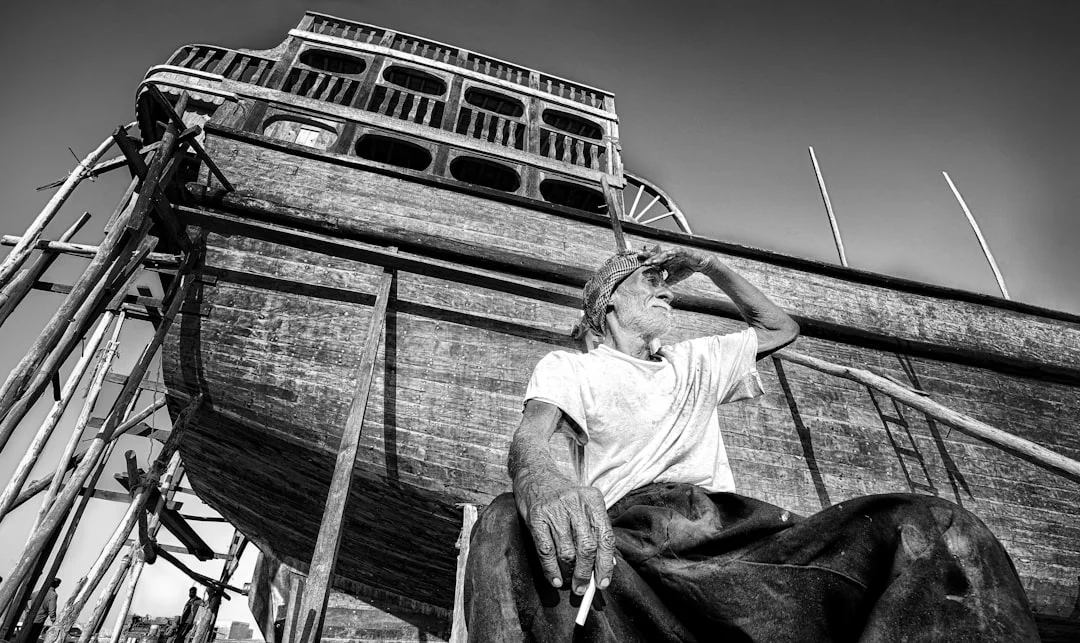
Angle: Shoot from high, low, and eye level. A bird’s-eye view of a cluttered workshop tells a different story than a worm’s-eye view of the same space. Changing your physical position changes the emotional relationship between the viewer and the subject. Good composition becomes even more important when you are building a sequence, because each image must work both on its own and as part of the larger whole.
Lighting: Capture your subject in different lighting conditions. Morning light tells a different story than fluorescent overhead light. If your essay spans multiple visits, shoot at different times of day. If it covers a single event, look for areas of different light quality. Moving from natural light to artificial light within an essay creates visual rhythm.
Emotion: Include moments of intensity and moments of quiet. An essay about a hospital should include both the urgency of a busy corridor and the stillness of a patient looking out a window. These shifts in emotional temperature keep the viewer engaged and prevent the essay from being one-dimensional.
How do you catch the quiet moments as well as the intense ones? How do I capture emotion in my photos? covers timing, anticipation and the in-between moments.
While varying these elements, maintain visual coherence through consistent post-processing, color palette, or tonal treatment. If you edit one image with warm tones and the next with cool tones, the essay will feel disjointed. Process all images in the same style to create a unified visual language. Shooting in RAW format gives you the most control over achieving consistency in post-processing.
Need all the images to share one look? Color grading in photography covers creating a consistent style across a series.
Editing and Sequencing: Where the Essay Takes Shape
Editing a photo essay is a fundamentally different skill from editing individual images. You are not selecting the best photos. You are selecting the photos that work best together. A technically perfect image that does not advance the story should be cut. A slightly imperfect image that fills a crucial narrative gap should stay.
Start by making a rough edit. Spread all your candidate images out (digitally or as prints) and eliminate anything that is technically flawed, redundant, or does not relate to your story. Then begin grouping the remaining images by their role: openers, detail shots, key moments, quiet moments, closers. You should have more images than you need in each category. The final selection happens during sequencing.
Sequence your images by placing them in order and reading through the entire sequence several times. Each transition from one image to the next should feel intentional. Avoid placing two visually similar images next to each other (two wide shots, two close-ups, two images with similar compositions). Alternate between different types of images to create visual rhythm.
Not sure how to cut and order a big pile of frames? Photo culling workflow covers a multi-pass method for selecting, and photo sequencing covers pairing images and pacing a sequence.
Pay special attention to your opening and closing images. The opening image sets the tone and draws the viewer in. It should be strong, visually striking, and provide context for what follows. The closing image is the last impression you leave. It can provide resolution, raise a question, or echo the opening in a way that creates a sense of completeness. Many photographers spend as much time choosing their opening and closing images as they spend on the entire rest of the sequence.
Consider whether your essay needs text. Some photo essays work entirely through images. Others benefit from captions, an introduction, or a brief narrative that provides context. If your subject is unfamiliar or your images need factual context to be understood, text adds clarity. If your images tell the complete story on their own, text may be unnecessary. When in doubt, less text is usually better. Let the photographs do the heavy lifting.
Common Mistakes in Photo Essays
Starting without a clear concept. “I will photograph this interesting place and see what story emerges” rarely produces a focused essay. Start with a question or angle. You can refine it as you shoot, but beginning with no direction leads to a disconnected collection of images rather than a cohesive story.
Including too many images. More is not better in a photo essay. Every image should earn its place by advancing the narrative or providing essential information. If you can remove an image without losing anything from the story, remove it. A tight essay of 10 powerful images has more impact than a bloated essay of 30 that includes filler.
Lacking visual variety. If every image is shot from the same distance, angle, and focal length, the essay will feel monotonous regardless of the subject. Deliberately plan for variety in your shot list and review your edit for diversity of perspective. Use different focal lengths to naturally create visual variation.
Ignoring the sequence. The order of images matters as much as the images themselves. A powerful image in the wrong position can break the narrative flow. Spend time rearranging your sequence and getting feedback from others on whether the story reads clearly. Think of it like leading lines in a single image. Each photo should lead the viewer’s eye to the next.
Inconsistent editing style. If some images are processed in vivid color and others in desaturated tones, the essay feels fragmented. Choose one editing approach and apply it consistently. This creates visual cohesion even when the content of the images varies widely.
Overlooking the quiet moments. Dramatic action shots are exciting, but photo essays need breathing room. Include transitional images, moments of stillness, and details that provide context. These quieter images give the viewer space to absorb what they have seen before the next intense moment arrives.
Try This: Photo Essay Exercises
Exercise 1: The Five-Image Story. Tell a complete story in exactly five images. Choose a simple subject: making a meal, walking to work, a visit to a market. Shoot with the intention of capturing an opening (establishing the scene), three middle images (showing the process, details, and people), and a closing (the finished meal, arriving at work, leaving the market). Edit ruthlessly to exactly five images and sequence them. This exercise teaches you that a story can be told with very few images when each one is purposeful. Pay attention to how composition helps each image convey its role in the sequence.
Exercise 2: The Day-in-the-Life. Follow someone (a family member, a friend, a willing coworker) for an entire day, from morning routine to evening. Shoot 100 or more images throughout the day. Then edit down to 12 to 15 images that capture the essence of their day. This exercise teaches you about pacing, variety, and the balance between action and quiet moments. It also builds your comfort with sustained documentary shooting over many hours. Portrait photography skills help when capturing candid moments throughout the day.
Exercise 3: The Found Essay. Go through your existing photo library and create a photo essay from images you have already taken. Choose a theme (solitude, motion, a specific color, a place you visit often) and find 8 to 12 images that work together as a sequence. This exercise develops your editing and sequencing skills without the pressure of a new shoot. It also teaches you to see connections between images that were not originally made with a shared purpose. You will discover stories hidden in your archive that you never noticed before.
Photo essays are one of the most satisfying forms of photography because they allow you to say something meaningful. A single photograph captures a moment. A photo essay captures an experience, an argument, or a world. The skills you develop in planning, shooting, and editing photo essays, narrative thinking, visual variety, purposeful sequencing, will improve every other type of photography you do. Start with a subject you care about, keep your essay focused, and let the images tell the story.