Natural light is the most accessible, versatile, and beautiful light source available to any photographer. It costs nothing, requires no equipment, and when used skillfully, produces images with a warmth and authenticity that is difficult to replicate with artificial lighting. Every professional photographer, even those with studios full of strobes and modifiers, has a deep understanding of natural light because it is the foundation on which all lighting knowledge is built. This guide teaches you how to read, find, and shape natural light so you can create stunning photographs in any outdoor or indoor situation without ever plugging in a flash. Check out our outdoor portrait photography for more details. Check out our window light portrait photography for more details.
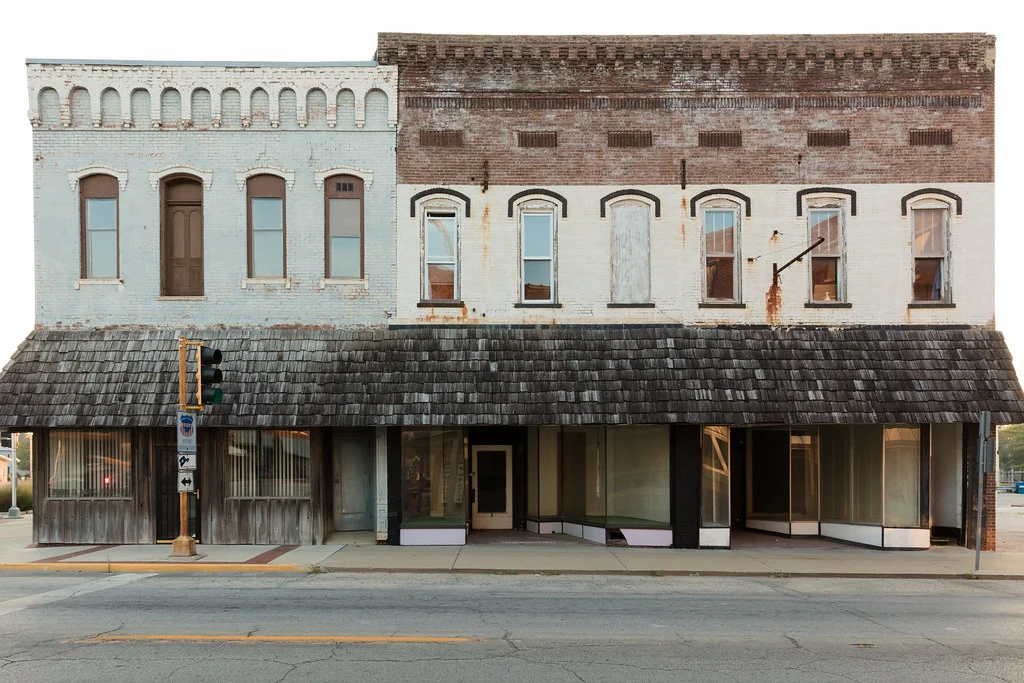
Understanding Natural Light Throughout the Day
The sun is your primary natural light source, and its quality changes dramatically from dawn to dusk. Learning to predict these changes, and schedule your shoots around them, is the single most impactful skill in natural light photography.
At sunrise and sunset, the sun sits low on the horizon. Sunlight travels through a thicker layer of atmosphere, which scatters blue wavelengths and allows warm red and orange tones to dominate. This is golden hour, the most coveted natural light for photography. The low angle creates long, directional shadows that reveal texture and depth in landscapes and sculpt faces beautifully in portraits. Golden hour light is naturally warm, soft, and dimensional.
As the sun climbs higher, the light becomes cooler, harsher, and more overhead. By midday, the sun acts as a small, intense point source directly above, creating deep shadows under features and high contrast that is unflattering for most subjects. This does not mean you cannot shoot at midday, you simply need different strategies, which we cover below.
Before sunrise and after sunset, you enter blue hour, a brief window of cool, even, ambient light that creates a moody, atmospheric look. Blue hour is excellent for cityscapes, landscapes with artificial lights, and portraits with a contemporary, cinematic feel. The light is dim, so you will need to open your aperture, raise your ISO, or slow your shutter speed to compensate.
Golden Hour: The Photographer’s Magic Hour
Golden hour is the period roughly 30-60 minutes after sunrise and before sunset when the sun hangs low on the horizon. It is the single most flattering natural light condition for almost every genre of photography, and mastering it will transform your work.
During golden hour, the light has several qualities that work together to produce beautiful images. The warm color temperature (approximately 3000-4000K) adds a golden glow to skin, landscapes, and architecture. The low angle creates directional light that sculpts subjects with long, gentle shadows. The light is also slightly diffused as it passes through more atmosphere, producing a softer quality than the harsh midday sun.
For portraits, position your subject so the golden hour sun hits them from the side or from behind. Side light creates dimension and warmth on the face. Backlighting produces a glowing rim of light around hair and shoulders, the classic golden hour portrait look. When backlighting, meter for your subject’s face rather than the bright background, or use a reflector to bounce warm light back into the face.
Golden hour changes fast. The quality and direction of light shift noticeably every few minutes, so arrive early, have your subject and composition ready, and shoot quickly. Many photographers consider the last 15 minutes before sunset the absolute peak, the light becomes richest and most directional in this final window.
Overcast Light: Nature’s Softbox
Overcast days are underrated by beginners and loved by professionals. A solid cloud cover turns the entire sky into an enormous diffuser, spreading sunlight evenly across a vast area. The result is soft, wrapping light with gentle shadows and low contrast, essentially a giant softbox covering the whole scene.
Overcast light is exceptionally flattering for portraits. It eliminates harsh shadows under the eyes and chin, produces even skin tones, and allows your subject to face any direction without squinting. It is also excellent for macro photography, where hard shadows can obscure delicate details, and for forest photography, where dappled sunlight creates distracting bright spots on overcast days.
The main challenge with overcast light is that it can feel flat and dull, especially for landscapes. Without directional shadows, landscapes lose depth and texture. To counteract this, look for scenes with inherent color contrast, strong shapes, or dramatic foreground elements that provide interest independent of lighting. Overcast light also tends to be slightly cool (blue), so adjusting your white balance to the cloudy preset or adding warmth in post-processing helps.
One of the best uses of overcast light is for product and food photography near a window. The soft, even illumination shows products accurately without harsh highlights or deep shadows, and the consistent light makes it easy to shoot for extended periods without the sun changing position.
Working with Harsh Midday Sun
Direct midday sun is the least flattering light for portraits and many other subjects, but you will inevitably need to shoot in it. Rather than avoiding midday shoots entirely, learn strategies to work with, or around, the harsh overhead light.
Find open shade. The single best strategy for midday portraits is to move your subject into open shade, the shadow side of a building, under a covered patio, beneath a large tree with dense foliage, or in the entrance of a garage or tunnel. Open shade provides soft, even light similar to overcast conditions, while the bright sun remains available as a backlight or rim light behind the subject. Position your subject at the edge of the shade facing outward toward the light for the most flattering result.
Use a diffuser. A translucent diffuser panel held between the sun and your subject instantly converts harsh direct light into soft, diffused light. A simple 5-in-1 reflector kit includes a diffuser panel. Have an assistant hold it above the subject, or mount it on a light stand with a clamp. This is how professional portrait and fashion photographers shoot in full sun.
Use fill flash. When shade is not available, a fill flash balances the exposure between the bright highlights and deep shadows of midday sun. Set your flash to -1 to -2 stops of flash exposure compensation to add just enough fill to open the shadows without overpowering the natural light. This technique keeps the sunlit look while reducing the harsh contrast.
Embrace the contrast. Midday sun creates strong graphic shadows that work well for certain styles. Street photography, architectural photography, and bold creative portraits can benefit from the hard edges and high contrast. If the light is harsh, lean into it, use the shadows as compositional elements rather than fighting them.
Window Light Indoors
A large window is one of the most versatile and beautiful light sources for indoor photography. It produces soft, directional light that is flattering for portraits, food, products, and still life. The size of the window relative to your subject determines the softness of the light, and your subject’s distance from the window controls the intensity and contrast.
Position your subject near the window: within two to four feet for the softest light. As they move further from the window, the light falls off and the shadows deepen. This falloff is called the inverse square law in action: doubling the distance from the light source reduces the intensity by three-quarters. You can use this to your advantage, positioning subjects close for even, soft light or further away for more dramatic, contrasty illumination.
For portraits, place your subject at a 30-45 degree angle to the window for the most flattering light with gentle shadows that add dimension. Use a white reflector, foam board, or even a white wall on the shadow side to bounce window light back and fill the shadows. For moodier, more dramatic portraits, skip the reflector and let the shadows go deep.
The color and quality of window light changes throughout the day and depends on which direction the window faces. North-facing windows (in the northern hemisphere) provide the most consistent, soft indirect light all day. South-facing windows get direct sunlight that shifts position as the day progresses, this can be gorgeous when diffused with a sheer curtain but harsh and spotty without one. East-facing windows receive warm morning light; west-facing windows get warm afternoon light.
Using Shade Creatively
Shade is not just a fallback for avoiding harsh sun, it is a versatile light source in its own right. Different types of shade produce distinctly different qualities of light.
Open shade (the shadow of a building or structure with open sky above) provides soft, directional light that is ideal for portraits. The light comes primarily from the open sky, creating gentle shadows and a slightly cool color temperature. This is the easiest high-quality natural light to find in any urban environment.
Deep shade (under dense trees, inside covered structures) provides very soft, low-contrast light but can be too dim for comfortable shooting without raising your ISO significantly. Deep shade also tends to be very cool in color temperature, sometimes with a green cast from light filtering through leaves. Adjust your white balance accordingly.
Dappled shade (under trees with gaps in the canopy) creates a mix of bright spots and shadows that can be distracting and unflattering, especially for portraits. If you must shoot in dappled shade, look for areas where the pattern is more even, or position your subject entirely in a bright spot or entirely in shadow, never half and half.
One powerful technique is placing your subject in shade near the boundary of sunlight. The shaded subject receives soft light, while the sunny background provides beautiful warmth, color, and separation. This contrast between a softly lit subject and a bright, warm background is one of the most professional-looking natural light setups you can create.
Reflectors and Diffusers: Shaping Natural Light
While you cannot move the sun, you can modify its light with simple tools that every natural light photographer should carry.
A reflector bounces sunlight onto your subject, filling shadows and adding catchlights to the eyes. White reflectors produce subtle, natural-looking fill. Silver reflectors produce stronger, cooler fill with more punch. Gold reflectors add warm, sunset-like fill that is particularly flattering for skin tones. For outdoor portraits, having an assistant hold a reflector opposite the sun fills in shadows and produces professional, evenly lit results.
A diffuser panel placed between the sun and your subject softens direct sunlight into a beautiful, soft wash. This is the go-to tool for professional portrait and fashion photographers who need to shoot in midday sun. A 42-inch circular diffuser is large enough to cover a single subject and collapses for easy transport.
You can also use the environment as a natural reflector. Light-colored walls, sidewalks, sand, and snow all bounce light onto your subject. Positioning a subject near a white wall on the shadow side provides built-in fill light. Shooting at the beach or on a white sand surface provides natural fill from below that opens up shadows under the chin and eyes.
Direction Control with Natural Light
You cannot move the sun, but you can move your subject relative to it. This is the key insight of natural light photography: controlling the direction of light by choosing where your subject stands and where you shoot from.
Front lighting (sun behind the camera, hitting the subject’s face directly) is the simplest but least interesting direction. It produces even illumination with minimal shadows, good for snapshots but lacking the dimension that makes a portrait come alive.
Side lighting (sun at 90 degrees to the camera-subject axis) creates the most dramatic natural light. One side of the face is lit while the other falls into shadow, producing strong dimension and a sculpted look. Side light also reveals texture in landscapes, architecture, and detail shots.
Backlighting (sun behind the subject, facing the camera) is the signature look of golden hour photography. It creates glowing rim light around hair and shoulders, lens flare, and a warm atmospheric haze. Backlighting requires careful exposure management, meter for the subject’s face and let the background blow out, or use a reflector to bounce light back into the face.
The simplest way to explore direction is to have your subject stand still while you walk around them, observing how the light changes from each angle. This exercise teaches you more about directional light in five minutes than hours of reading.
Common Natural Light Mistakes
- Always shooting at the same time of day. If you only shoot at midday because it is convenient, you are missing the best light. Schedule important shoots for golden hour or overcast conditions and practice reading how light changes throughout the day.
- Placing subjects in dappled light. Partially shaded faces with bright spots on the nose and dark patches on the forehead look unflattering. Move fully into shade or fully into sun, never split the difference.
- Ignoring the background exposure. When shooting backlit subjects, auto exposure often exposes for the bright background, leaving your subject dark. Use exposure compensation, spot metering on the face, or fill flash to correct this.
- Not carrying a reflector. A collapsible reflector weighs almost nothing and can transform mediocre natural light into beautiful, professional-quality illumination. There is no reason not to have one in your bag.
- Fighting the light instead of working with it. If the natural light is harsh, do not try to force a soft-light image. Either modify the light with tools, move to better light, or embrace the hard light aesthetically. Working with the existing conditions always produces better results than struggling against them.
Frequently Asked Questions
What is the best time of day for natural light photography?
Golden hour, the period roughly 30-60 minutes after sunrise and before sunset, is universally considered the best natural light for photography. The warm, directional, soft quality of golden hour light flatters every subject. That said, overcast days provide excellent soft light all day long, and blue hour (just before sunrise and after sunset) offers unique moody atmospherics. The “worst” time is typically 10am to 2pm in direct sun, though even midday light can be used well with shade and modifiers.
How do I take good photos on a cloudy day?
Overcast light is actually excellent for many types of photography. The clouds act as a giant diffuser, creating soft, even, shadow-free light that is perfect for portraits, macro, and forest scenes. To avoid flat-looking images, include elements with strong color contrast, use tight compositions that do not include much of the white sky, and look for scenes with inherent visual interest that does not depend on dramatic shadows. Adjust your white balance to the cloudy preset to add warmth, or embrace the cool, moody quality for a contemporary feel.
How do I photograph people in harsh sunlight?
The best strategy is to find open shade: the shadow side of a building, a covered porch, or under a large tree. Position your subject at the edge of the shade facing the open sky for soft, flattering light. If shade is not available, use a translucent diffuser held between the sun and your subject to soften the light. You can also use fill flash to reduce the contrast between highlights and shadows. As a last resort, turn your subject’s back to the sun so it becomes a backlight, and use a reflector to bounce light onto their face.
Do I need any equipment for natural light photography?
Technically, you need nothing beyond a camera. That said, a collapsible 5-in-1 reflector is the single most useful accessory for natural light photography. It lets you fill shadows, add warmth, or create highlights with no power source required. A diffuser panel is equally valuable for softening harsh sunlight on location. Both are lightweight, portable, and inexpensive. Beyond that, a lens with a wide maximum aperture (f/1.8 or f/2.8) helps in lower-light natural situations by giving you more flexibility with shutter speed and ISO.
Continue Learning
Natural light is the foundation of all photography lighting. Deepen your skills with these related guides:
- Golden Hour Photography: How to Shoot in Perfect Light
- Photography Lighting: The Complete Guide
- White Balance Explained
- Portrait Photography Guide
- Landscape Photography Guide
- Understanding Exposure
- Flash Photography for Beginners
- Studio Lighting Setup Guide
- How to Use Off-Camera Flash
See it side by side
Light coming from the side sculpts a subject by casting shadows that reveal form. Light from the camera position flattens the subject into the background.