The rule of space says to leave more room in the frame in front of a subject than behind it: ahead of a moving subject (lead room) and on the side a person or animal is looking toward (nose room or looking room). A good starting point is to put the subject on a third line facing across the frame, which leaves about two thirds of the width ahead. The space gives motion and gaze somewhere to go.
This guide covers how much space to leave, how the rule changes with speed, gaze and direction, what happens when you reverse it on purpose, how to rescue it with a crop, and how it is used in video. The vertical version of the same idea is covered in headroom and lead room, and the wider use of empty areas in negative space; this page concentrates on direction.
Lead room, nose room and active space: the terms
Several names describe the same idea, and they come from different trades.
| Term | Meaning | Where you hear it |
|---|---|---|
| Rule of space | The general guideline: more room ahead than behind | Photography teaching |
| Lead room | Space in front of a subject that is moving | Film, television, sport and wildlife |
| Nose room or looking room | Space in front of a face that is turned or looking to one side | Film, television, portraits |
| Active space | The area ahead of the subject, where the eye expects something to happen | Composition writing |
| Dead space | The area behind the subject, which the subject has already left | Composition writing |
“Dead” is a slightly unfair name. Space behind a subject can carry a wake, a dust trail, footprints or a pursuer, and then it is doing real work. The distinction that matters is direction: one side of the subject is where it is going or looking, and the other is where it has been.
Why the eye wants space in front
Viewers follow direction. When a subject in a picture points somewhere, with its nose, eyes, a raised arm, a bow or a bonnet, the viewer’s eye travels the same way. If that path runs through open frame, the eye has somewhere to go and comes back to the subject. If it hits the edge after a few millimetres, the eye leaves the picture, and the subject looks blocked, as if about to collide with the border.
Space ahead also implies time. A runner with room in front is in the middle of the run: there is a next second. The same runner pressed against the leading edge is at the end of something. Neither is wrong, but they are different statements, and the first is the one most pictures intend.
Finally, direction has visual weight. A gaze or a movement pulls toward one side like a physical object would. Open space on that side is what balances it. That is why a profile portrait centred in the frame often feels as if it is leaning, even though the head is in the middle.
Lead room for moving subjects
For anything travelling across the frame, start with the subject on the third line nearest the edge it is coming from. That gives roughly twice as much room ahead as behind. Then adjust for two things.
- Speed. The faster the subject appears to be going, the more room looks right. A walker needs a little; a racing car, a diving bird or a sprinting dog can sit very close to the trailing edge with most of the frame in front.
- Angle of travel. A subject crossing the frame side-on needs the most lead room. One moving diagonally needs room along the diagonal, toward a corner. One coming straight at the camera needs none at the sides; its space is the foreground it is about to cross.
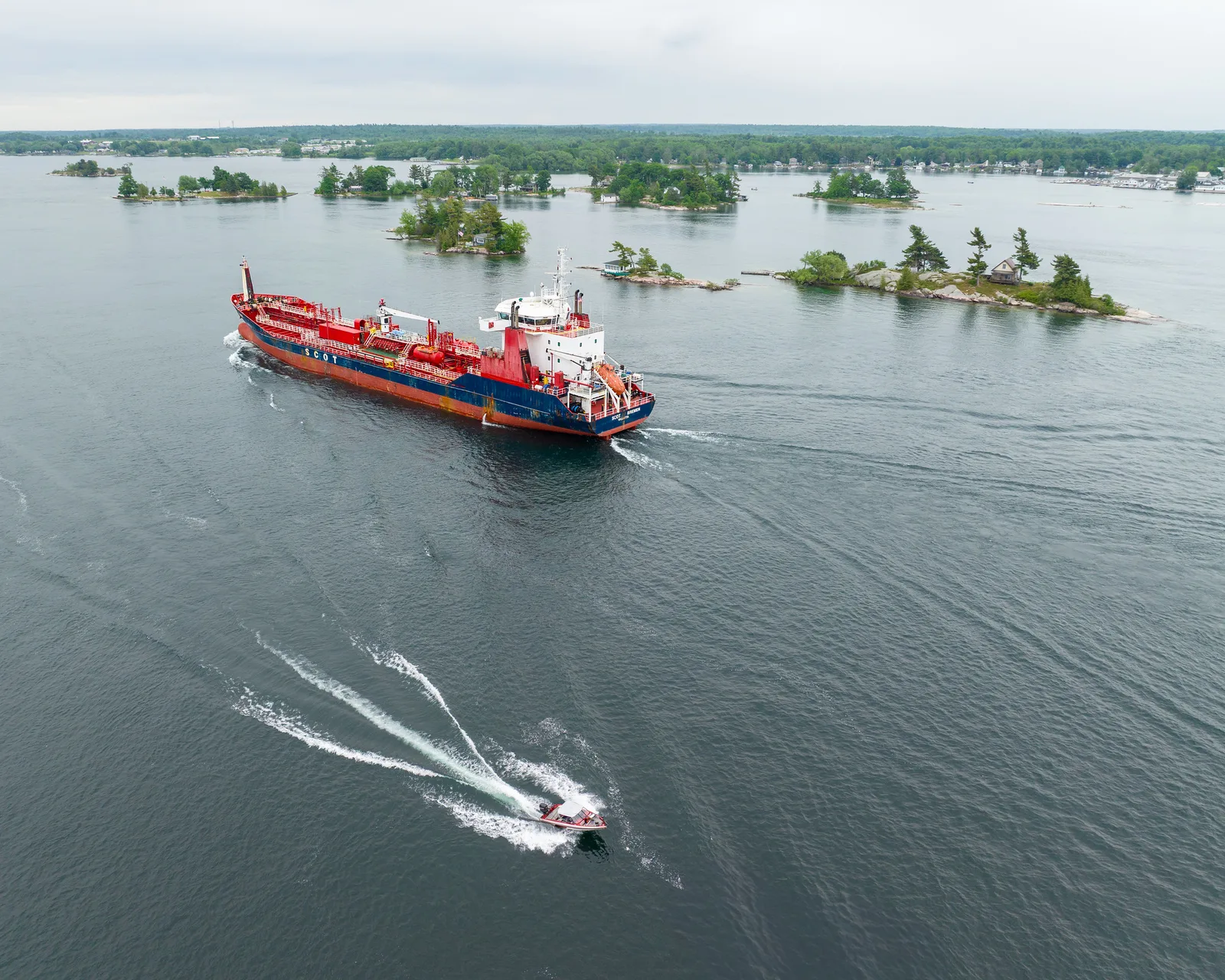
Keeping lead room on a moving subject is partly a focusing problem. If your active autofocus point is in the centre, the subject ends up in the centre. Move the point, or the tracking start position, toward the trailing side of the frame before the action starts, so the camera holds focus on a subject that is off-centre. The guide to autofocus points explains how. When you follow the subject with the camera, as in panning, hold it at the same position in the viewfinder for the whole sweep; lead room that drifts from frame to frame is a sign the pan is lagging.
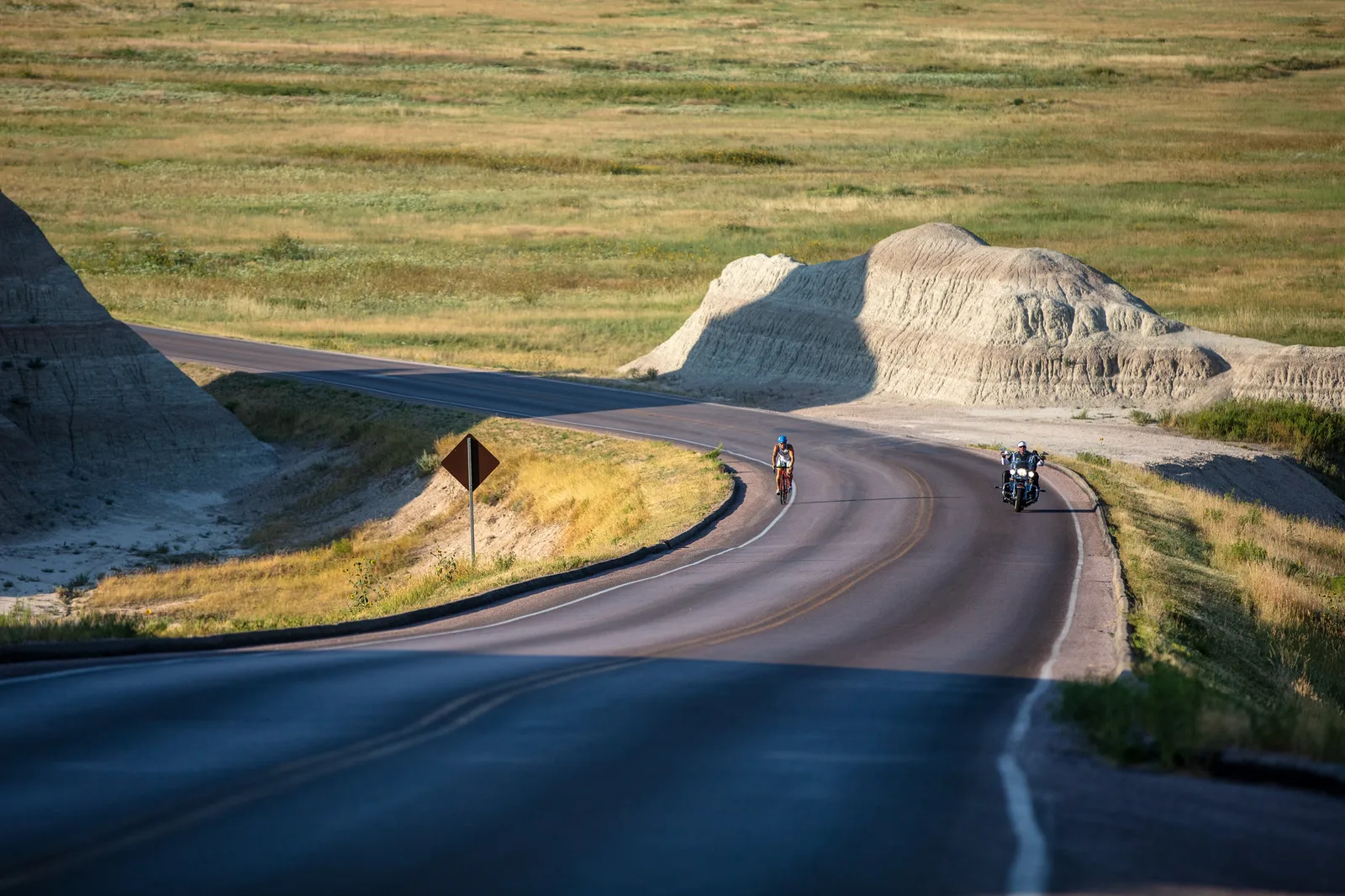
Vertical movement follows the same logic. A climber, a rocket or a bird taking off wants space above; a diver or a falling leaf wants space below. A subject that has reached the top of its movement, such as a jumper at the peak, sits comfortably nearer the centre.
Nose room for gazes and profiles
A still subject has direction too. Faces are the strongest case, but animals, statues, cars, boats, chairs and even teapots have a front, and the rule applies to all of them.
How much looking room to leave depends on how far the head is turned:
| Head position | Placement that usually works |
|---|---|
| Facing the camera, eyes to the lens | Centre is fine; there is no sideways direction to balance |
| Facing the camera, eyes looking to one side | Slightly off-centre, with a little more room on the side of the gaze |
| Three-quarter view | Near a third line, face turned toward the larger part of the frame |
| Full profile | On or beyond a third line, with clearly more space in front of the face than behind the head |
| Back to the camera, looking into a scene | The scene is the looking room: place the figure low or to one side, facing the view |
Eyes outrank the nose. If the head is turned left and the eyes look right, the gaze wins and the room goes to the right. With two people looking at each other, the space between them is the active space for both, and neither needs room at the outer edges. With a group looking in different directions, place for the main subject and accept the rest.

Breaking the rule on purpose
Putting the space behind the subject is not a mistake if it says what you mean. Film-makers call a shot framed this way short-sided. The reversal has predictable effects:
- Leaving. A figure about to walk out of the frame, with empty space behind, reads as departure or ending. It suits last frames of a sequence and pictures about absence.
- The journey so far. When the space behind holds a road, a trail of footprints, a wake or a vapour trail, the picture becomes about distance covered instead of distance to go.
- Pressure. A face close to the edge it looks toward feels cornered or trapped. Portrait and film photographers use this for unease, isolation or a character with no options.
- Pursuit or the unseen. Space behind a subject makes the viewer wonder what is back there. It suits someone being followed, or looking away from something.
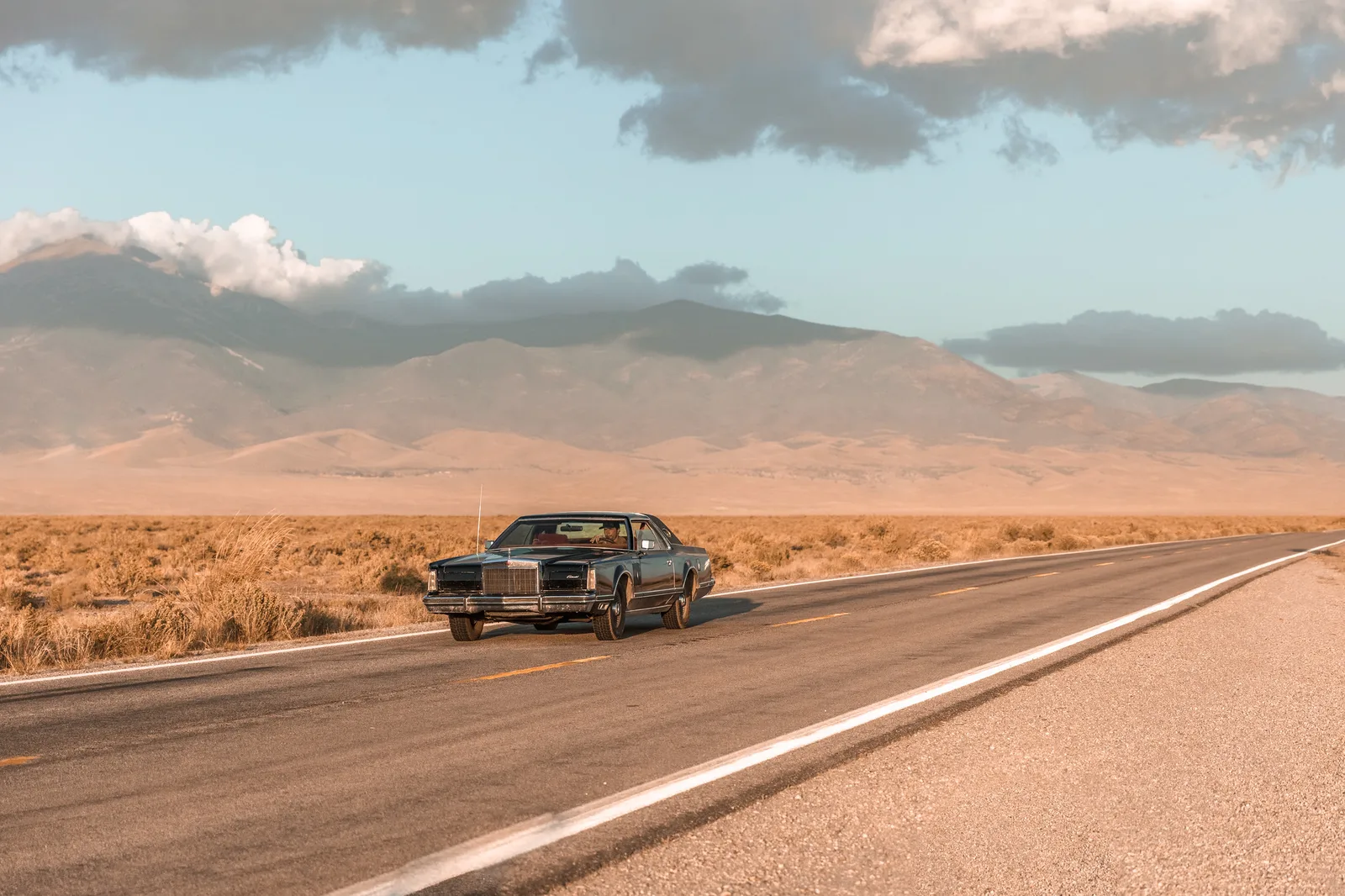
The test for a deliberate break is whether it looks deliberate. A subject a little too close to the leading edge looks like a framing error. A subject placed firmly against it, with something meaningful in the space behind, looks like a decision. If you break the rule, break it clearly.
How it fits with headroom, thirds and negative space
The rule of space is one of a small family of guidelines about where empty area goes.
- Headroom is the vertical partner: how much space sits above a head. The two are set together. A profile portrait needs both a sensible gap above the head and more room in front of the face than behind it.
- The rule of thirds tells you where to put the subject; the rule of space tells you which third. A subject on the left third should face right, and one on the right third should face left. A subject on a third line facing out of the frame obeys thirds and breaks space.
- Negative space is any empty area used as part of the design. Lead room is negative space with a direction attached. A minimal picture with a small subject and a large empty area almost always works better when the subject faces into the emptiness.
- Leading lines can replace or reinforce the space. A road or shoreline running ahead of the subject shows the path it will take.
Cropping to restore the space
Fast subjects are hard to place precisely, and many frames come out centred because the focus point was. The crop is where the rule is most often applied.
- Trim the trailing side. You cannot add space ahead, but removing space from behind the subject shifts it toward the trailing edge and changes the proportion in front. This is the standard fix for a centred subject.
- Do not crop the leading side unless you mean to. Cutting into the space ahead to remove a distraction usually costs more than the distraction did. Try removing or darkening the distraction instead.
- Consider a different shape. A wider aspect ratio, such as 16:9, gives a moving subject more horizontal room for the same height. A square crop suits a subject facing the camera and is hard on a profile.
- Leave room when shooting. Frame a little wider than you think you need for fast action. Spare pixels on the leading side are the one thing a crop cannot create.
Some editing programs can extend a frame by generating new background. For a personal picture that is a creative choice; for news, documentary or competition work it may break the rules you are working under, so check them first. General technique is in the guide to cropping.
The rule of space in video
The terms lead room and nose room come from film and television, where the rule is applied continuously, not once.
- Follow shots. When the camera pans or travels with a moving subject, the operator keeps the subject on the trailing side of the frame for the whole move. If the subject drifts forward and catches the leading edge, it looks as though the camera is failing to keep up.
- Conversations. In a dialogue scene each person is framed with looking room toward the other: one on the left third looking right, the other on the right third looking left. When the two shots are cut together, the characters appear to face each other across the cut.
- Vertical formats. A tall, narrow frame leaves little sideways room, so film-makers either follow the subject closely, use movement toward or away from the camera, or stack the space vertically.
- Reframing later. Recording at a higher resolution than the finished video allows you to move the frame in editing and restore lead room, at the cost of some sharpness.
For shot sizes and framing terms see camera shots explained, and for a wider introduction to motion see video for photographers.
Common mistakes
- Centring every moving subject. The focus point was in the middle, so the subject is. Fix: move the focus point off-centre before the action, or crop from the trailing side.
- A nose against the edge. A profile with more room behind the head than in front, by accident. Fix: turn the camera a few degrees toward the direction of the gaze.
- Too much lead room. The subject is tiny at one edge and the space ahead is empty of interest. Fix: move closer or crop until the subject and the space balance.
- Busy looking room. A bright or sharp object sits where the gaze lands and competes with the face. Fix: change your angle so the area ahead is plain, or open the aperture to blur it.
- Ignoring the eyes. Space is given to the side the head is turned, while the eyes look the other way. Fix: follow the eyes.
- A half-hearted break. The subject is slightly short of space and it reads as an error. Fix: either restore the room or push the subject firmly to the leading edge.
Try this
Find a spot beside a path, road or park where people, cyclists or dogs pass across your view, and spend fifteen minutes on three sets of frames. For the first five subjects, place each on the third line nearest the side it comes from, with the space ahead. For the next five, centre them. For the last five, place them against the edge they are heading toward, with the space behind. Then find one still subject with a clear front, such as a statue, a parked bicycle or a person on a bench, and photograph it the same three ways. Compare the sets on a screen and write one word for the feeling of each. Most people find “going”, “passing” and “leaving” for the moving sets, which is the rule and its reversal in three words.
Frequently asked questions
What is the rule of space in photography?
It is the guideline that a subject should have more room in front of it than behind: ahead of a moving subject and on the side a person or animal is looking toward. The space gives the implied movement or gaze somewhere to go.
What is the difference between lead room and nose room?
Lead room is space in front of a subject that is moving. Nose room, also called looking room, is space in front of a face that is turned or looking to one side. Both are forms of the same rule.
How much space should I leave in front of a subject?
A common start is about twice as much in front as behind, which is what you get by placing the subject on a third line facing across the frame. Fast subjects and full profiles can take more; a subject facing the camera needs none at the sides.
Is it wrong to have a subject looking out of the frame?
No, if you intend it. A subject facing the near edge creates tension and can suggest leaving, pressure or something unseen. It reads as a mistake only when it is slight and has no purpose.
Related guides
- Headroom and lead room: the space above a head and how it pairs with space in front.
- How to use negative space: making empty areas part of the design.
- The rule of thirds: where the off-centre positions are.
- Panning photography: following a moving subject while holding its place in the frame.
- Visual weight: why a gaze or a movement pulls to one side.
- Tangents and mergers: keeping subjects clear of the edges.
- The rule of odds: another small guideline about arranging subjects.
- Sports photography: fast subjects where lead room matters most.