Why Projects Matter
Most photographers, even skilled ones, build portfolios the same way: a landscape from last weekend, a portrait from a month ago, a street shot from a trip, a macro from the garden. The images might be individually excellent, but they do not add up to anything. They are a collection, not a body of work. There is a fundamental difference between the two, and understanding that difference will change the way you approach photography.
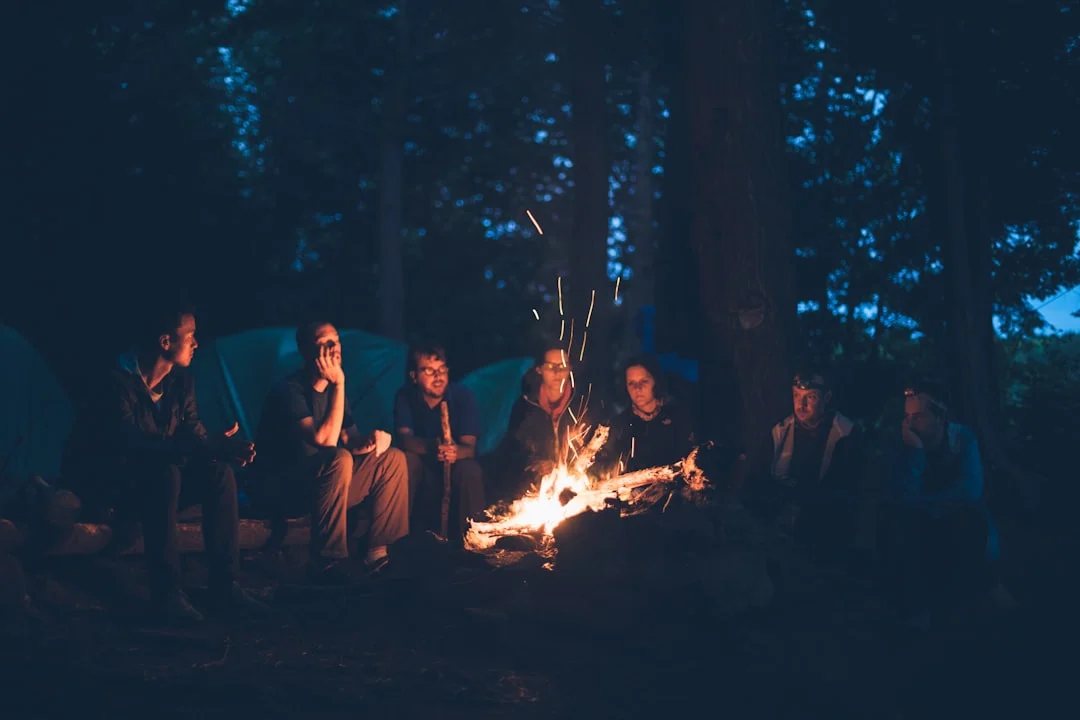
A photo project is a deliberate, sustained exploration of a single theme, subject, or idea through multiple images. The photographs in a project are connected. They speak to each other. Each one adds something that the others do not, and together they create a narrative, a mood, or an understanding that no single image could achieve on its own. For a deeper look at how photographs can work together to convey meaning, see Visual Storytelling Photography.
Projects matter for several reasons. First, they force you to think more deeply about your subject. When you know you need 15 or 20 images on a single theme, you cannot settle for the obvious. You have to explore angles, details, moments, and perspectives that you would never consider if you were just passing through. This depth of engagement produces stronger individual images as well as a stronger whole.
Second, projects accelerate your growth as a photographer. When you return to the same subject repeatedly, you exhaust your first ideas quickly and are forced to innovate. You try new techniques, new compositions, and new approaches. You make mistakes, learn from them, and try again. This cycle of exploration and refinement is the engine of improvement, and projects create the structure for it to happen naturally.
Third, projects are how the photographic world works. Galleries show bodies of work, not random collections. Publishers want cohesive stories, not scattered images. Even social media audiences respond more strongly to a sustained visual theme than to an unrelated stream of photographs. If you aspire to show your work in any context beyond your personal feed, learning to create projects is essential.
Choosing a Project Theme
The most important thing about your project theme is that it genuinely interests you. A project requires sustained attention: multiple sessions, careful editing, honest self-assessment. If you are not genuinely drawn to the subject, you will lose motivation before you finish. Start with what you care about. What do you notice in the world? What catches your eye repeatedly? What would you photograph even if no one ever saw the images? That is your starting point. For a wide range of ideas to spark your thinking, see Photography Project Ideas.
Constraint is creative fuel. This sounds counterintuitive, but the most productive projects often have strict limitations. A project about “nature” is so broad that it provides no direction. A project about “the wildflowers that grow in the cracks of my city’s sidewalks” is specific enough to give you a clear subject, a defined scope, and a visual challenge. Constraints force you to look harder, think more creatively, and find variety within a narrow field. Some of the most celebrated photo projects in history were built on simple, tight constraints.
Projects can take many forms. Documentary projects record a place, a community, a process, or a way of life. Thematic projects explore an idea or a visual motif: shadows, doorways, hands at work, the color red. Conceptual projects use photographs to express an abstract idea or emotion. Location-based projects document a single place over time, capturing how it changes across hours, seasons, or years. Time-based projects use a deadline as a creative structure: photograph every day for a month, or document a single year.
The “365” approach, taking and sharing one photograph every day for a year, is one of the most popular project frameworks, and for good reason. It builds the habit of daily seeing, it forces you to photograph even when you do not feel inspired, and it creates a visual diary that is surprisingly meaningful over time. The daily commitment also teaches you that inspiration is unreliable. The best photographers do not wait to feel creative. They show up, do the work, and let the creativity emerge from the practice.
Whatever theme you choose, scope it realistically. A project that is too ambitious will stall. A project that is too modest will not challenge you. Aim for something small enough to finish within a few weeks to a few months, but large enough to require genuine effort and growth. You can always expand a project that is going well. Starting over on one that collapsed under its own ambition is discouraging.
Building a Visual Narrative
A photo project is not just a group of images on the same topic. It is a visual story, and stories have structure. Learning to build that structure, to create a sequence of images that carries the viewer through an experience, is one of the most valuable skills in photography.
The photo essay is the classic framework for visual narrative. It typically includes several types of images that serve different functions. An establishing shot sets the scene: wide, contextual, giving the viewer a sense of place. Detail shots draw attention to specifics that the establishing shot cannot show: textures, objects, small moments. Portraits introduce the people involved. Action shots show events, processes, or movement. A closing image provides resolution, a sense of ending, or a final thought that lingers. Not every project uses all of these, but thinking about them helps you identify gaps in your story.
Variety within unity is the balancing act that makes a project work. Your images need to be different enough from each other that each one contributes something new: a different perspective, a different moment, a different level of detail. But they also need to feel like they belong together. This unity can come from a consistent color palette, a shared mood, a repeating visual motif, or simply the coherence of the subject matter.
Pacing matters when you sequence images. Just as a piece of music alternates between loud and quiet passages, a photo project benefits from alternation between wide and tight shots, between quiet and energetic moments, between dark and light images. A series of 15 wide landscapes at the same brightness level will feel monotonous, no matter how good each individual image is. Alternating a wide landscape with a detail, followed by a portrait, then another landscape from a different vantage point, creates rhythm and keeps the viewer engaged.
Color, light, and mood are powerful unifying threads. When the images in a project share a similar color temperature, a consistent quality of light, or a unified emotional tone, they feel like chapters in the same book even if the individual subjects are diverse. This does not mean every image must look identical. It means the overall palette and mood should feel intentional and cohesive. One warm, golden-hour image in a series of cool, blue-toned photographs will feel jarring unless it serves a specific narrative purpose.
Editing for sequence is a distinct skill from editing individual images. It is about choosing which image goes next to which, and why. A strong image might not belong in the project if it does not work in the sequence. A weaker individual image might be essential because it bridges two other images or provides a necessary change of pace. When sequencing, print your images (even small prints) or lay them out as thumbnails on a screen, and physically rearrange them. Try different orders. You will feel when a sequence clicks: when one image flows naturally into the next.
Executing Your Project
A good project plan means nothing if you cannot execute it. Here is practical advice for moving from concept to completion.
Balance planning with spontaneity. Some structure is essential: you need to know what you are looking for, where you will find it, and roughly how many images you are aiming for. But do not plan so rigidly that you cannot respond to surprises. Some of the best images in any project are the ones you did not expect. Go in with a clear direction but remain open to detours.
Return to the same subject or location. This is one of the most important pieces of advice in this lesson. Your first visit to a location or your first session with a subject produces the obvious images. The second visit, knowing what you already have, produces the more considered, more nuanced images. The third visit, with the gaps in your project clearly identified, produces the images you specifically need to complete the story. The depth that comes from returning is what separates a photo project from a photo walk.
Keep a project journal. Write notes after each shooting session: what worked, what did not, what surprised you, what you want to try next time. Sketch compositions you are imagining but have not captured yet. Record the practical details (times of day, weather, locations) that will help you plan your next session. This journal becomes a creative record that sharpens your thinking and keeps you focused as the project develops.
Every project hits a creative block at some point. The initial excitement fades, the obvious images are done, and you do not know what to photograph next. This is normal and, in fact, it is where the best work begins. The easy images are already taken. Now you have to dig deeper. Try approaching the subject from a completely different angle: literally and figuratively. Shoot at a different time of day. Use a different lens. Focus on details instead of the big picture, or the big picture instead of details. Talk to people involved with your subject. Read about it. The block will break, and the images on the other side of it are usually the strongest in the project.
Knowing when a project is finished is an art in itself. Some projects have natural endpoints: a season ends, an event concludes, a 30-day challenge reaches its deadline. Others are open-ended, and you have to decide when you have said what you wanted to say. A good indicator: when new images are not adding anything the existing ones do not already convey. When you feel like you are repeating yourself rather than discovering, the project is done. Stop, select, and present.
Presenting Your Work
A project is not complete until someone else sees it. The way you present your work shapes how it is received, and thoughtful presentation elevates even modest photographs.
Curating is the first step. You shot dozens, maybe hundreds, of images. Your project is 15 to 20. Selecting the final images is one of the hardest and most important skills in photography. It requires honesty, restraint, and the willingness to cut images you love if they do not serve the project as a whole. Ask yourself: does this image add something the others do not? Does it advance the narrative? Would the project be weaker without it? If not, it does not belong.
Sequencing is the order in which your images appear, and it changes the story. The same 15 images arranged differently can tell a story of loss, of celebration, of transformation, or of quiet beauty. Start strong: your opening image sets the tone and invites the viewer in. End stronger: your closing image is what lingers in the viewer’s mind. Between them, create a flow that has rhythm, variety, and emotional arc.
Context helps the viewer understand your project. A brief title tells them what to expect. Individual captions, if appropriate, provide information the images alone cannot convey. An artist statement, just two or three sentences about what the project is and why you made it, gives the viewer a lens through which to see the work. Context should enhance, not replace, what the images communicate visually. If your images cannot stand on their own, context will not save them.
Consider your presentation format. Prints on a wall. A physical book or zine. A digital slideshow. A curated social media series. An online gallery. Each format has different strengths. Prints reward detail, scale, and material texture. Books create an intimate, sequential experience. Slideshows add timing and pacing. Online galleries offer reach and accessibility. Choose the format that best serves the work and the audience you want to reach. For more on building a long-term body of work, see Develop Your Photography Style.
Get feedback. Show your project to at least one other person before considering it finished. Choose someone who will be honest: not someone who will simply praise everything, and not someone who will tear it apart without constructive insight. Ask specific questions: Which images are strongest? Which feel weakest? Does the sequence make sense? Is there a gap in the story? Good feedback from a thoughtful viewer is one of the fastest paths to growth. For guidance on how to engage with feedback productively, see How to Critique Photography.
Try This: Photo Project Exercises
The only way to learn project work is to do project work. These three exercises give you different scales of commitment, from a weekend sprint to a month-long practice.
Weekend Mini-Project. Choose a theme that you can explore thoroughly in two days. It could be a visual motif (shadows, reflections, circles), a color (red, blue, gold), a texture (rust, wood grain, peeling paint), a concept (waiting, movement, solitude), or a specific place. Over the weekend, shoot 15 to 20 photographs on your theme. Then edit them down to your best 8 to 10 and arrange them in a deliberate sequence. The constraint of two days forces quick decisions and prevents overthinking. Present your mini-project to someone and notice how it feels different from showing individual, unrelated images.
The Photo Walk Essay. Visit a location you find interesting: a farmers’ market, a park, a neighborhood, a waterfront. Spend at least two hours there, and create a photo essay of 8 to 12 images that tells the story of that place. Think about the essay structure: an establishing shot that sets the scene, detail shots that capture the texture and character, portraits (formal or candid) of the people there, action shots that show what happens in the space, and a closing image that provides a sense of resolution. Your goal is a set of images coherent enough that a viewer who has never been there could understand the feel of the place. Sequence them, add a title, and share them.
30-Day Project. Commit to photographing a single subject or theme every day for 30 days. Choose something simple enough that you can find it daily but broad enough to sustain a month of exploration: your morning coffee, the view from your window, shadows, doors, strangers, street signs, the same tree. The daily discipline is the point. Some days you will be inspired. Many days you will not. On those uninspired days, you will have to look harder, think more creatively, and push past the obvious. At the end of 30 days, select your 10 best images and present them as a series. The gap between your Day 1 images and your Day 30 images will show you how much growth a single month of focused practice produces.
Photo projects transform photography from a collection of isolated moments into a practice of sustained attention and intentional storytelling. They push you to see more deeply, think more carefully, and present more thoughtfully. Whether your project spans a weekend or a year, the discipline of returning to a subject, building a narrative, and curating your work into a cohesive whole will make you a stronger photographer in every genre and every context. Start small. Finish what you start. Then start again.