“Get good with a camera and turn it into a career” hides a real question: which career? Photography is not one job. It is a set of very different jobs that happen to share a camera, and the skills that matter, the pace of the work, and the way you get paid vary enormously between them. This guide walks through the paths people actually build careers on, what a normal week looks like in each, and what to weigh before you commit gear, time, or money to one. It does not cover taxes or legal structure. For those questions, talk to a CPA or business attorney licensed in your area, since the right structure and filing approach depends on your specific situation and jurisdiction.
Wedding and Event Photographer
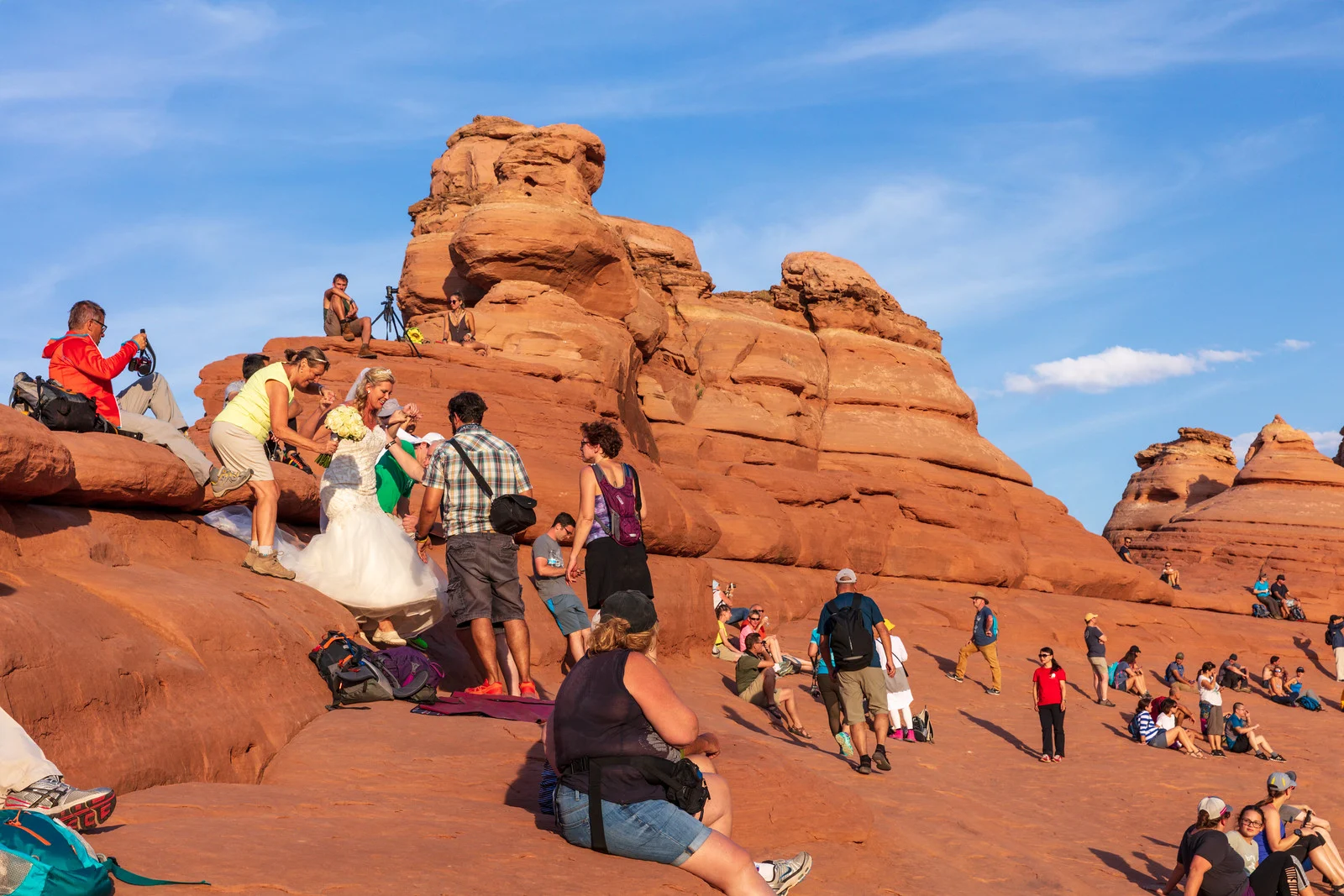
This is the path most beginners picture first, and it is a real, sustainable career for many photographers, but the day-to-day is less romantic than the portfolio shots suggest. A wedding day is eight to twelve hours on your feet, carrying gear, working around a schedule you do not fully control, coordinating with a planner or venue staff, and making split-second decisions in changing light with no second take. The photography itself is maybe half the job. The other half is logistics: contracts, timelines, backup gear in the car, a second shooter to manage, and a client relationship that started months before the wedding and continues through delivery weeks after it.
Work is heavily seasonal in most climates, concentrated into a handful of months a year, which means income clusters and the off-season needs a plan, whether that is a second genre, a different kind of work entirely, or savings built during the busy months. It is also a genuinely competitive space in most markets. Standing out usually comes from a consistent, recognizable style and strong word-of-mouth referrals more than from gear.
Portrait and Family Photographer
Portrait work, whether family sessions, senior portraits, or headshots, trades the single-day intensity of weddings for a steadier, more repeatable business. Sessions are shorter, usually one to two hours, and you can book several in a week rather than committing an entire weekend to one event. The core skill is less about split-second reaction and more about directing people: putting a nervous subject at ease, posing genuinely rather than stiffly, and reading a session well enough to know when you have the shot and can move on. A meaningful part of the job is post-session retouching and album or gallery delivery, which takes real time even after the shoot itself is done.
This path scales reasonably well because sessions are shorter and more standardized than weddings, but it depends on a steady stream of local bookings, which usually means ongoing marketing, referrals, and an online presence rather than a one-time portfolio push.
Commercial and Product Photographer
Commercial work, shooting products, food, real estate, or corporate imagery for businesses, looks completely different from event photography day to day. Much of it happens in a controlled studio or a scheduled on-location shoot with a shot list agreed in advance, so there is far less improvisation and far more precision: exact color accuracy, consistent lighting across dozens of similar items, and careful attention to a brand’s visual guidelines. Client communication tends to be with a marketing team or agency rather than an individual, and revisions and approvals can add real time to a project after the shoot itself wraps.
This path rewards technical consistency and reliability more than a distinctive personal style, since clients are usually hiring you to execute their vision cleanly, not to impose your own. It can be less seasonal than weddings and often pays per project or per day rate rather than per event.
Editorial and Photojournalism
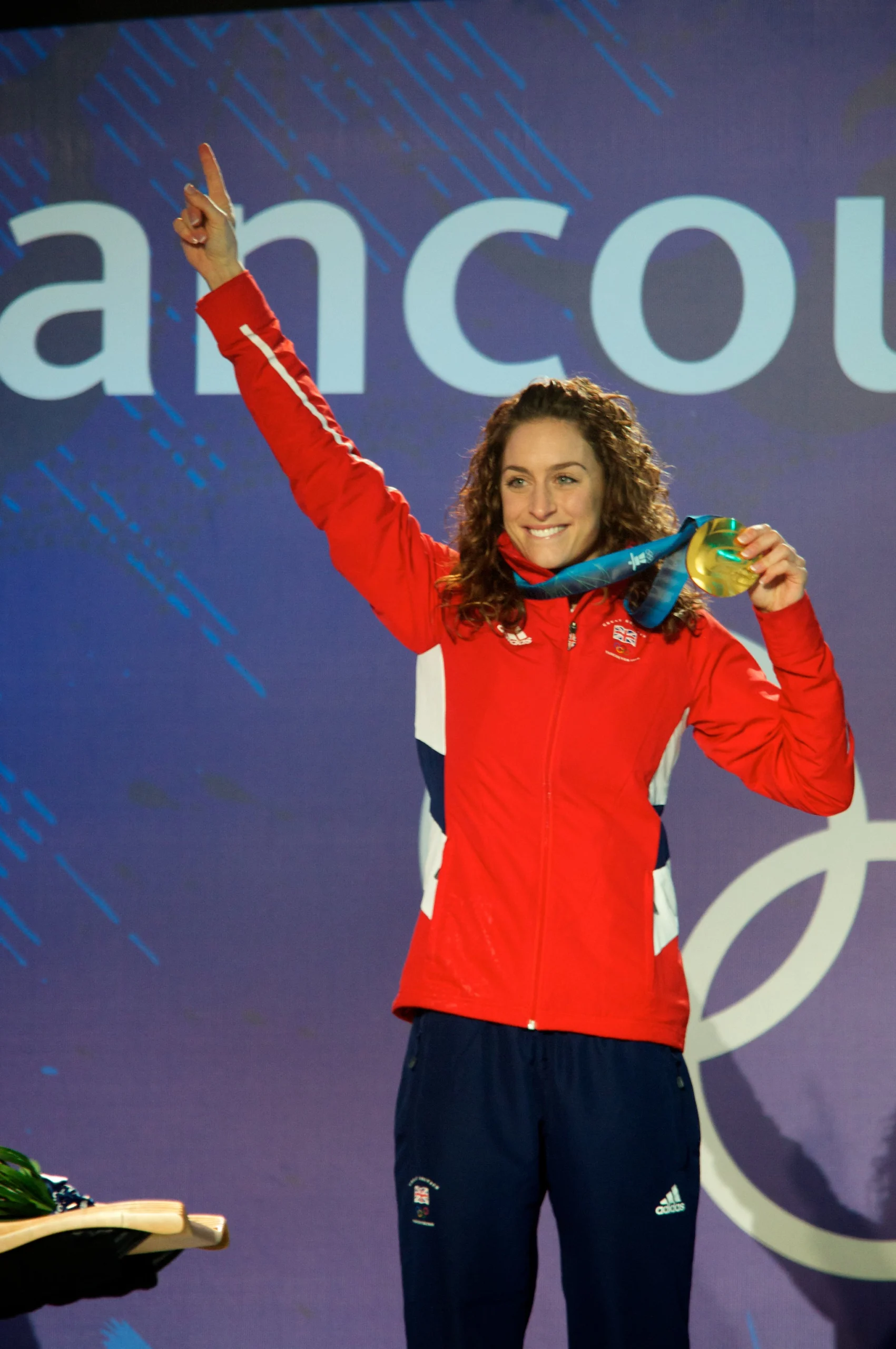
Editorial and photojournalism work means shooting for publications, wire services, or news outlets, covering assignments from press conferences and sporting events to features and breaking news. The pace is often fast and the access is often tightly controlled: a press pass, a designated shooting position, and a hard deadline to file images, sometimes within minutes of an event ending. Unlike most other paths on this list, you are usually shooting to someone else’s editorial need, a specific angle a publication wants, rather than your own creative brief.
Staff photojournalism positions have become rarer at many publications, and a large share of this work is now freelance or agency-based, filed per assignment. It rewards speed, reliability under pressure, and the ability to consistently deliver a usable, in-focus, well-composed frame on the first try, since there usually is no second chance at a news moment.
Travel and Documentary Photographer
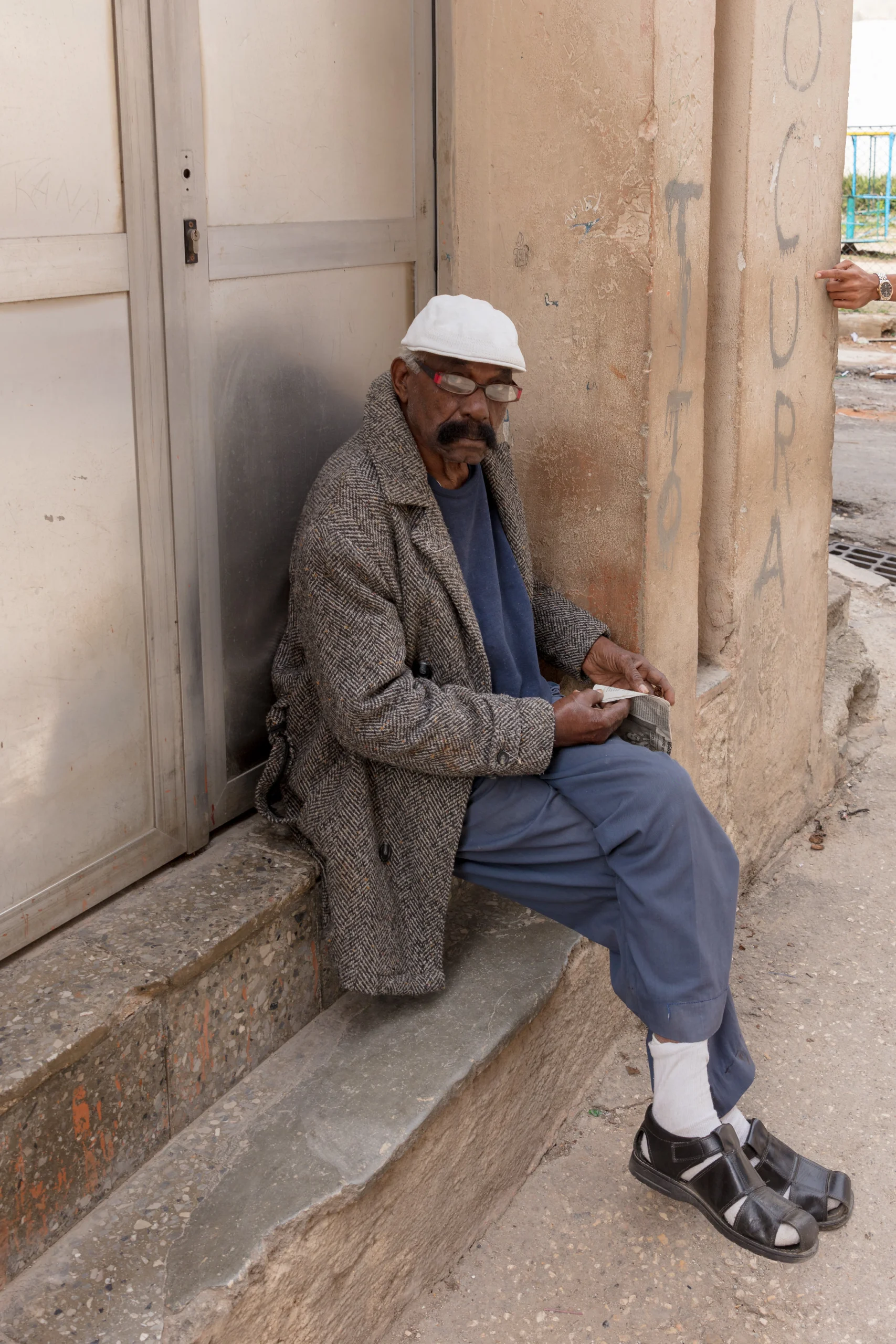
Travel and long-form documentary photography is one of the hardest paths to make a full living from directly, since the market for buying individual travel images has shrunk, but it remains a real career for people who combine it with related income: licensing through stock or assignment work, writing, workshops and tours, speaking, or brand partnerships built around a following. The actual shooting is often the smallest part of the job. Research, logistics, travel planning, language and cultural preparation, and staying safe and respectful in unfamiliar places all take real time and skill.
This path suits people who are drawn to the subject matter as much as the photography itself, since the travel and the relationship-building with subjects and communities are the daily work, not just the means to a photo.
Stock Photographer
Stock photography, shooting images licensed through agencies or marketplaces rather than for a specific client, is a volume business. Individual license fees are usually small, so a sustainable income depends on building a large, consistently useful library over years, understanding what buyers actually search for, and treating it more like a product catalog than individual art pieces. It suits photographers who prefer working independently on their own schedule over client-facing work, and it pairs well as a secondary income stream alongside another path on this list rather than as a sole focus, especially early on.
Photography Educator and Workshop Leader
Teaching, whether through workshops, one-on-one mentoring, online courses, or leading photo tours, is a path built on communication skill as much as photographic skill. You need to be good enough at photography to have real authority, but the actual daily work is explaining, demonstrating, and giving feedback, often to complete beginners, which is a different skill than shooting well yourself. It usually works best as a path built after establishing photographic credibility through other work, rather than a first career move, since students are generally paying for expertise you have already demonstrated elsewhere.
Retoucher and Post-Production Specialist
Not everyone who builds a career around photography spends their days behind a camera. Retouchers and post-production specialists work almost entirely in editing software, doing detailed color correction, compositing, and retouching for other photographers’ or brands’ images. This path rewards patience, an exceptionally sharp eye for detail, and deep software fluency, and it can be done fully remotely for clients anywhere. It is a strong option for people who love the craft of image-making but prefer sustained, focused desk work over client-facing shoot days.
Fine Art and Gallery Photographer
Fine art photography, building a body of personal work sold through galleries, print sales, or exhibitions, is the least predictable path financially and the most driven by a personal vision rather than client needs. Income comes from print sales, gallery representation, grants, or licensing, and it is typically slow and uneven, especially early on. Most fine art photographers sustain this path alongside other paid work (commercial, teaching, or a job outside photography entirely) rather than relying on gallery sales alone, at least until a body of work and a collector base are established.
Photo Assistant: The Entry Path
Assisting an established photographer is one of the most underrated ways into any of the paths above. You learn the actual business, not just the technical side: how a working photographer talks to clients, handles a difficult lighting setup under time pressure, manages a shoot day, and prices their work, all while getting paid something rather than paying for the education yourself. It is a genuinely different skill set from being a solo photographer, since your job is to make someone else’s shoot run smoothly, but the exposure to real, paid work is hard to replicate any other way.
Assisting is one route in, but not the only one. For building a targeted portfolio and finding entry-level work from scratch, see getting a photography job with no experience.
A Day-to-Day View of Corporate and Event Work
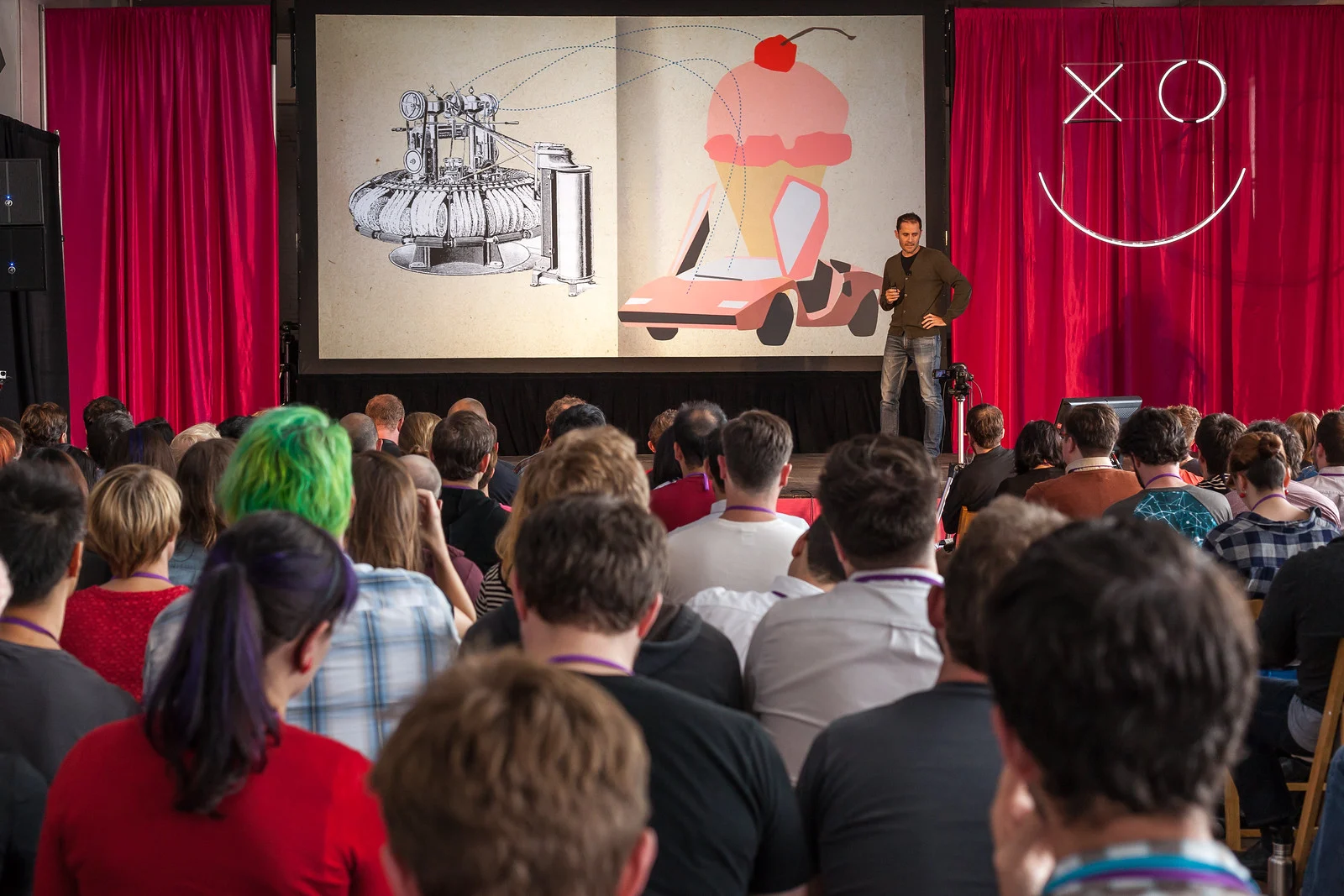
Corporate and conference photography, covering talks, panels, product launches, and company events, sits between editorial and commercial work. You are usually working to a shot list (headshots, candid crowd shots, key speaker moments, signage and branding) under a tight schedule set by an event organizer rather than by you. It rewards photographers who are fast, unobtrusive, and reliable on repeat bookings, since corporate clients tend to hire the same photographer for every event once they find one who delivers consistently and on time.
Skills That Matter Beyond the Camera
Across every path above, the same non-photography skills keep showing up: clear client communication, realistic scheduling, fast and consistent editing, basic business record-keeping, and the physical stamina to be on your feet carrying gear for a full day. Photographers who struggle to build a sustainable career often have strong technical skills but have underestimated how much of the job is these surrounding skills, not the shutter click itself. If you are serious about turning any of these paths into an actual business, read how to start a photography business, then photography business structure, photography pricing methods, and photography niche and positioning for the frameworks. As you gain experience, how to raise your rates covers when and how to charge more for the same work.
Common Mistakes
- Choosing a path based on gear excitement rather than the actual day-to-day work. Loving cameras and lenses is not the same as enjoying eight hours of wedding logistics, or a week of studio product shoots, or the isolation of long-term documentary travel. Look honestly at what a normal week involves, not just the highlight images.
- Underestimating the non-photography skills required. Sales conversations, fast turnaround editing, client management, and reliable scheduling determine whether a photography career survives more often than raw technical skill does.
- Going all-in before testing the work itself. Buying a full professional kit and quitting a stable job before you have actually spent real time doing the day-to-day work of a path, even unpaid or as an assistant, is a common and expensive mistake.
- Assuming one path is representative of “being a professional photographer.” A skill set built for weddings does not automatically transfer to commercial studio work or photojournalism. Each path has its own learning curve beyond camera technique.
Try This
Pick the two paths above that appeal to you most. For each, spend a focused week finding out what the actual day-to-day work looks like: read interviews or behind-the-scenes accounts from working photographers in that path, look closely at portfolios beyond the highlight images, and if you can, shadow or assist someone doing that work for even a single day. Do this before buying gear specifically for that path or turning down other income to pursue it. What the work is actually like, day to day, matters more to whether you will enjoy and sustain a career than whether you like the finished images.
Continue Learning
- How to Start a Photography Business: The practical steps once you have chosen a direction
- Photography Assistant Guide: How to break in by assisting an established photographer
- Teaching Photography Workshops: Turn experience into a teaching path
- Photography Mentorship: Find or become a mentor in your chosen path
- The Business of Portrait Photography: A closer look at one of the paths above
- Photography Niche and Positioning: Choosing and communicating your specialty