Bokeh, the aesthetic quality of out-of-focus areas in a photograph, is one of the most sought-after visual effects in photography. Those creamy, blurred backgrounds with soft circular highlights can transform an ordinary portrait into something magical. While bokeh is technically a property of the lens, understanding how to control it gives you the power to create it intentionally with almost any equipment.
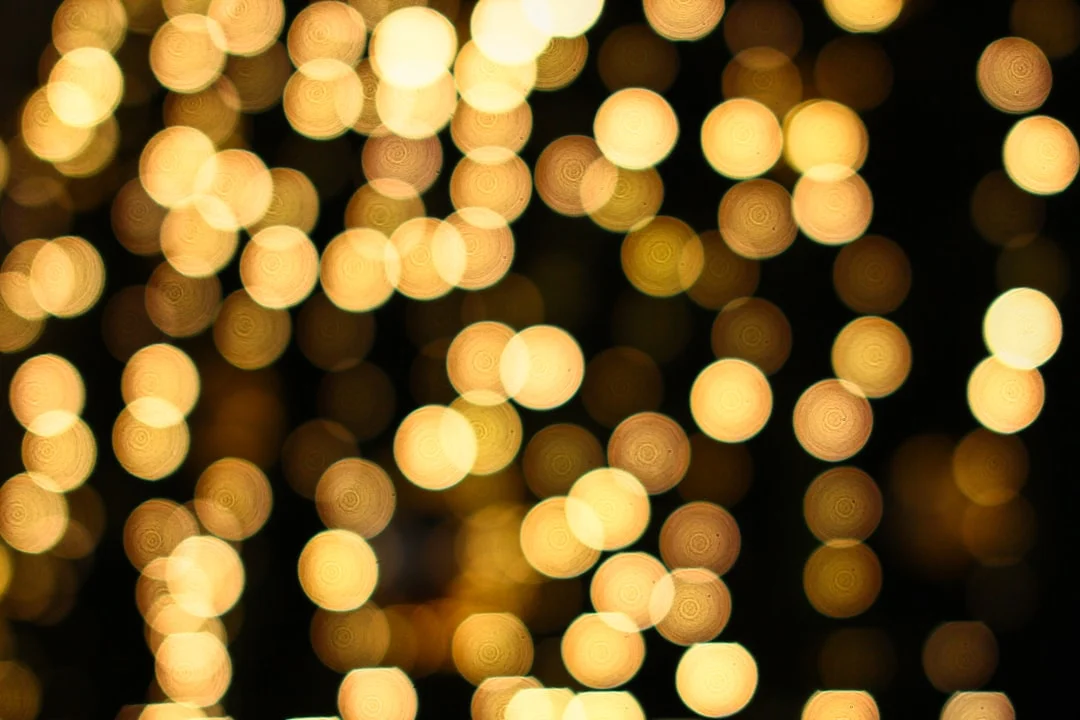
This guide explains what creates bokeh, how to maximize it with your current gear, and creative techniques for incorporating beautiful background blur into your photography. Check out our freelensing for more details.
What Is Bokeh and Why Does It Matter?
The word “bokeh” comes from the Japanese word “boke” meaning blur or haze. In photography, it refers specifically to the quality of the blurred areas in an image, not simply whether blur exists. Good bokeh is smooth, creamy, and pleasing to the eye. Harsh bokeh contains distracting shapes, hard edges, or busy patterns in the out-of-focus areas.
Bokeh matters because it affects how your subject separates from the background. When the background melts into a soft, uniform wash of color and light, the viewer’s attention goes directly to the sharp subject. This is why bokeh is so prized in portrait photography, macro work, and product shots where subject isolation is critical.
The Three Factors That Control Bokeh
Three variables determine how much background blur appears in your image: aperture, focal length, and subject-to-background distance. Understanding these three factors lets you create bokeh in any situation.
Aperture. A wider aperture (smaller f-number like f/1.8 or f/2.8) produces shallower depth of field and therefore more bokeh. This is the most direct way to increase background blur. Fast lenses with maximum apertures of f/1.4 to f/2.8 are prized partly for their bokeh capabilities. Check out our 50mm lens for more details.
Focal length. Longer focal lengths produce more apparent background blur at the same aperture. A 100mm lens at f/2.8 creates significantly more bokeh than a 35mm lens at f/2.8. This is why portrait lenses in the 85-135mm range are so popular for their beautiful background separation.
Subject-to-background distance. The farther the background is from your subject, the more blurred it becomes. Photographing someone standing two feet from a wall produces minimal bokeh. Moving that same person twenty feet from the wall dramatically increases the background blur, even with identical camera settings.
Creating Bokeh with Any Lens
You do not need an expensive fast lens to create bokeh. Even a basic kit lens can produce pleasing background blur if you maximize the three factors described above.
Set your lens to its longest focal length (55mm, 70mm, or whatever the maximum is). Open the aperture as wide as it goes at that focal length (often f/5.6 on a kit lens). Position your subject as far from the background as possible. Get close to your subject so they fill the frame. Even a kit lens at 55mm f/5.6 with a distant background can produce noticeable, pleasing bokeh.
If you want dramatically more bokeh, a prime lens with a wide maximum aperture is the most impactful upgrade. A 50mm f/1.8 lens is one of the most affordable upgrades available and produces substantially more background blur than any kit zoom.
Understanding Bokeh Shapes
Out-of-focus highlights, like distant lights, take on the shape of the lens aperture. With the aperture wide open, these highlights appear as smooth circles (or near-circles, depending on the lens design). As you stop down, the aperture blades create polygonal shapes: pentagons, hexagons, or octagons depending on the number of blades.
Lenses with more aperture blades (9 or 11) and rounded blade edges produce rounder bokeh highlights, which most people find more pleasing. Lenses with fewer blades (5 or 7) and straight edges create more obviously geometric shapes.
“Cat-eye” bokeh refers to the elongated, lemon-shaped highlights that appear at the edges and corners of the frame. This is caused by mechanical vignetting in the lens barrel and is most noticeable at wide apertures. Some photographers find cat-eye bokeh distracting, while others consider it part of a lens’s character.
Creative Bokeh with Lights
Fairy lights, city lights, and holiday decorations are the most popular subjects for deliberate bokeh effects. Each small point of light becomes a large, glowing circle when thrown out of focus, creating a dreamy, sparkling background.
For fairy light bokeh, string lights in the background and place your subject (or just your lens) several feet in front of them. Use the widest aperture available and focus on a nearby subject. The lights will expand into large, soft circles whose size depends on how far out of focus they are and how wide your aperture is set.
City lights at night create the same effect naturally. Photograph from an elevated position overlooking a city, focus on a foreground subject, and let the thousands of city lights dissolve into a sea of colorful bokeh circles.
Foreground Bokeh
Background bokeh gets the most attention, but foreground bokeh, blur between the camera and the subject, can be equally beautiful. Shooting through flowers, leaves, fabric, or other objects in the foreground creates soft washes of color that frame your subject.
Hold a branch with leaves in front of your lens, slightly to one side, and focus on a subject behind it. The leaves become a soft, out-of-focus frame. The effect adds depth and a sense of being immersed in the scene. Wedding, portrait, and nature photographers frequently use this technique.
Bokeh in Different Genres
In portrait photography, bokeh separates the subject from the environment. Shoot at f/1.4 to f/2.8 with a medium telephoto lens and keep distance between the subject and background. The result is a sharp face against a smooth, non-distracting backdrop.
In macro photography, bokeh is nearly unavoidable because depth of field is extremely shallow at close focusing distances. The challenge is directing the viewer’s attention to the sharp portion of the image while the surrounding blur provides context.
In street and documentary photography, subtle bokeh can help isolate a subject from a busy environment. Even moderate blur at f/4 with a 50mm lens can separate a person from a cluttered city background.
Custom Bokeh Shapes
You can create custom bokeh shapes by placing a cutout in front of your lens. Cut a shape (a heart, star, or any silhouette) from a piece of black card or cardboard and tape it over the front of your lens. The cutout should be roughly the size of the lens aperture when wide open.
When you photograph point light sources with this filter in place, each out-of-focus highlight takes on the shape of your cutout. Hearts, stars, and other shapes add a whimsical quality to bokeh-heavy images. This is a popular creative photography project and works well for holiday and celebration photos.
Common Mistakes
Relying only on aperture. Aperture is important, but distance matters just as much. Moving your subject farther from the background is often more effective than opening the aperture one more stop.
Ignoring what is in the bokeh. Even blurred, the background affects the image. A blurred bright spot behind someone’s head becomes a distracting halo. Blurred neon signs become color blobs that compete with the subject. Pay attention to the content of your background, even when it will be blurred.
Missing focus due to shallow depth of field. At f/1.4, depth of field can be razor thin. If your focus is on the nose instead of the eyes, the portrait is ruined despite beautiful bokeh. Use single-point autofocus on the nearest eye and check focus carefully.
Overusing bokeh. Not every image needs a blurred background. Environmental portraits, landscapes, and architectural photos often benefit from a sharp background that provides context. Use bokeh as a deliberate creative choice, not a default setting.
Frequently Asked Questions
What f-stop gives the best bokeh?
The widest aperture your lens offers (f/1.4, f/1.8, f/2.8) produces the most bokeh. However, the “best” bokeh quality often comes from stopping down slightly from maximum. Many lenses produce smoother, more even bokeh at f/2 or f/2.8 than at their absolute maximum aperture.
Why does my lens produce hexagonal bokeh?
When stopped down from the maximum aperture, the aperture blades form a polygon rather than a circle. The number of sides matches the number of aperture blades. If you want round bokeh, shoot at or near the maximum aperture where the blades are fully open.
Can I add bokeh in post-processing?
Some editing software offers artificial blur effects that simulate bokeh. While these have improved significantly, they rarely match the quality of optical bokeh because they struggle with edge transitions, hair detail, and the natural gradation of real lens blur. Capturing bokeh in-camera always produces more convincing results.
Is “bokeh” pronounced “bo-kuh” or “bo-kay”?
The most common English pronunciation is “BO-kuh” (rhymes with mocha). The original Japanese pronunciation is closer to “BO-keh.” Both are widely accepted in the photography community.