One of the most common problems in photography, especially for beginners, is not getting close enough to the subject. The result is an image where the main subject is small and lost in a sea of irrelevant background. The viewer’s eye wanders aimlessly because nothing dominates the frame. The fix is simple and powerful: fill the frame. Get closer, zoom in, or crop tighter until your subject commands the entire image.
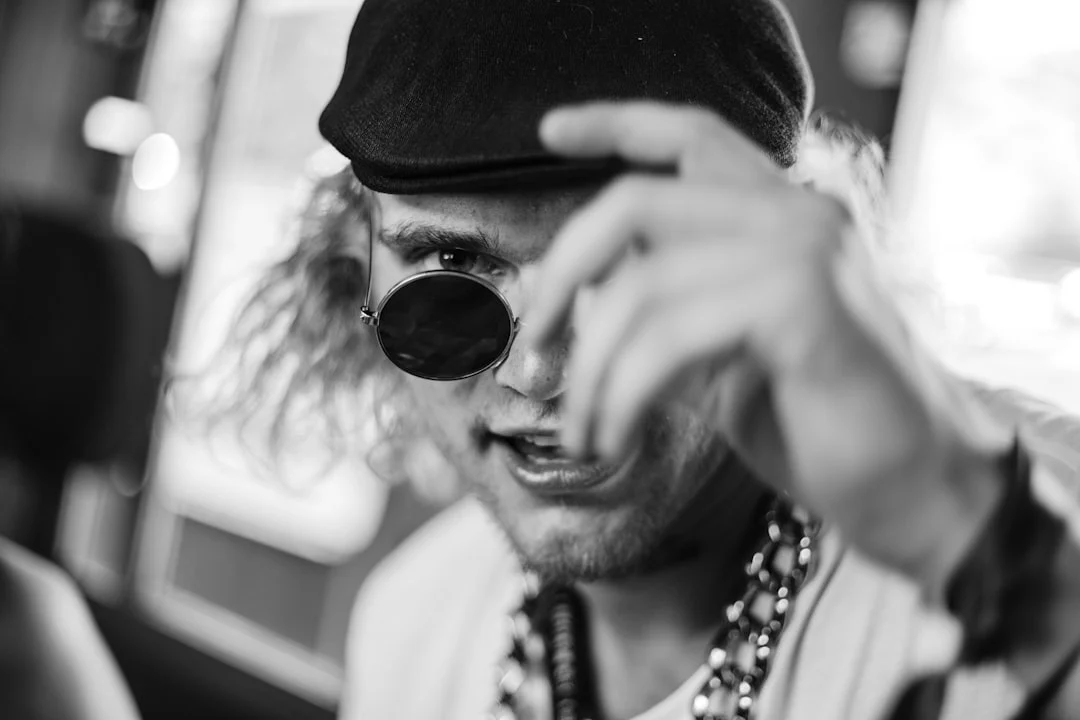
Filling the frame is one of the most effective composition techniques in photography. It eliminates distractions, creates visual impact, reveals details that would otherwise be invisible, and forces a sense of intimacy between the viewer and the subject. It works for portraits, wildlife, macro, street photography, and nearly every other genre. Once you develop the habit of asking “Can I get closer?” before every shot, your images will improve immediately.
Why Filling the Frame Works So Powerfully
The power of filling the frame comes from two complementary effects: addition and subtraction.
Addition: When your subject fills the frame, the viewer sees more detail. Pores, textures, patterns, expressions, and small features become visible that would be invisible in a wider shot. A tight portrait reveals the crinkle around someone’s eyes when they smile. A close-up of a flower shows the individual grains of pollen on the stamen. This level of detail creates intimacy and draws the viewer in.
Subtraction: At the same time, filling the frame eliminates everything that is not your subject. The distracting background, the cluttered edges, the irrelevant elements that compete for attention, all gone. What remains is pure subject. There is nowhere for the viewer’s eye to wander. The entire frame says “look at this.”
The famous photojournalist Robert Capa said, “If your pictures aren’t good enough, you aren’t close enough.” This advice has stood the test of time because it addresses the fundamental human tendency to stand back and include too much in the frame. Getting closer is almost always the right move.
Three Ways to Fill the Frame
You do not always need to physically walk closer to your subject (though that is often the best approach). There are three distinct ways to fill the frame, and each produces a different visual result.
Move your feet. Physically walking closer to your subject is the simplest and most effective approach. It changes your perspective, alters the background, and creates a more intimate relationship between you and the subject. In street photography and portrait work, getting physically closer produces a distinctly different energy than zooming in from a distance.
Use a longer focal length. When you cannot walk closer (wildlife behind a fence, a performer on a distant stage, a mountain across a valley), a longer focal length fills the frame by magnifying the subject. Telephoto lenses also compress perspective, which stacks elements closer together and can create a distinctive look. Keep in mind that telephoto lenses require faster shutter speeds to avoid camera shake.
Crop in post-processing. If you could not get close enough in the field, cropping in your editing software achieves a similar result. The tradeoff is reduced resolution: you are using fewer of your sensor’s pixels, which limits print size and can reduce detail. But a tightly cropped, impactful image is almost always better than an uncropped image where the subject gets lost. Shooting in RAW format gives you more cropping flexibility without quality degradation.
The best approach depends on your situation. Whenever possible, get closer physically. Use your zoom as a secondary option. Reserve cropping for situations where neither option was available in the field.
When to Fill the Frame
Filling the frame is not a universal rule. It is a powerful tool best used in specific situations.
Portraits. A tight headshot that fills the frame with the face creates immediate, powerful eye contact with the viewer. The subject’s expression becomes the entire story. The background becomes irrelevant. This approach is particularly effective for emotional or editorial portraits where you want the viewer to connect directly with the person.
Wildlife and birds. In wildlife photography, the closer you can get (or appear to get), the more compelling the image. A frame-filling shot of a bird’s eye with every feather detail visible is far more engaging than a distant shot of a tiny bird in a big landscape. This is why wildlife photographers invest in super-telephoto lenses.
Details and textures. When the beauty of your subject is in its fine details (the bark of a tree, the weave of a fabric, the weathered paint on a door), filling the frame forces the viewer to see what you saw. These detail shots work beautifully in macro photography and as part of a larger photo series that alternates between wide establishing shots and tight details.
Busy or distracting environments. When you are shooting in a location with a cluttered, ugly, or distracting background, moving in tight eliminates the problem entirely. Instead of spending time trying to find a clean background, simply get close enough that the background disappears.
Emotional impact. If your goal is to create an image that hits the viewer with immediate emotional force, filling the frame intensifies whatever emotion is present. A tight shot of a laughing child feels more joyful. A close-up of a weathered hand tells a richer story. A frame-filling flower feels more alive.
When NOT to Fill the Frame
Knowing when to pull back is just as important as knowing when to get close. Not every subject benefits from being frame-filling.
When context matters. A mountain climber on a vast cliff face tells a story of scale and challenge that a tight portrait of the climber cannot. A lone figure in a sprawling landscape conveys isolation and grandeur. When the environment is part of the story, pulling back to include it makes the image stronger.
When negative space serves the composition. Sometimes the empty space around your subject is the composition. Minimalist photography depends on the relationship between the subject and the space around it. Filling the frame would destroy the very quality that makes the image work.
When you need environmental portraits. An environmental portrait places the subject in their surroundings: a chef in their kitchen, an artist in their studio, a farmer in their field. These images need the environment to tell the complete story. Filling the frame with just the face would lose the narrative.
When the pattern or repetition is the subject. Some compositions work because of the expanse of a repeating pattern or texture. Cropping in too tight on a field of lavender or a wall of windows can destroy the sense of repetition that makes the image compelling.
Technical Considerations When Getting Close
Getting physically close to your subject introduces a few technical factors worth understanding.
Minimum focus distance. Every lens has a minimum focus distance: the closest point at which it can achieve sharp focus. If you move closer than this limit, the lens simply cannot focus and the image will be blurry. Know your lens’s minimum focus distance and respect it. For extreme close-ups, a macro lens or extension tube lets you focus much closer than standard lenses.
Perspective and distortion. When you get very close with a wide-angle lens, perspective distortion exaggerates the size of near objects relative to distant ones. A person’s nose appears larger, nearby objects loom disproportionately, and straight lines near the edges of the frame may curve. This can be creative (it adds energy and drama) or problematic (it distorts faces), depending on the subject. For portraits, use a longer focal length and step back rather than getting close with a wide lens.
Depth of field shrinks. The closer you are to your subject, the shallower your depth of field at any given aperture. At close range, f/4 might give you only an inch or two of sharpness. This means you need to be precise about where you focus and may need to stop down to a narrower aperture to keep enough of your subject sharp.
Common Mistakes
- Not getting close enough. This is the fundamental problem this entire technique addresses. Review your images and honestly assess how many would be stronger if the subject were larger in the frame. For most photographers, the answer is “more than half.”
- Getting too close and losing context. Over-correcting by filling every single frame can be just as problematic as never filling the frame. Some images need breathing room. Alternate between tight and wide shots to tell a complete visual story.
- Cutting off important parts of the subject. When you fill the frame with a portrait, be intentional about what you include and exclude. Cutting off the top of someone’s head can work as a deliberate compositional choice. Cutting off their chin while including a lot of forehead usually looks like an accident. Compose with purpose.
- Relying only on cropping. Cropping in post should be a last resort, not a substitute for getting closer in the field. A physically closer perspective produces a fundamentally different image than a cropped distant one, with different background blur, different perspective, and different energy. Move your feet first.
- Ignoring depth of field at close range. The closer you are to your subject, the shallower your depth of field becomes at any given aperture. When filling the frame at close range, you may need to stop down to ensure enough of the subject is in focus, especially for three-dimensional subjects like faces or products.
Try This: Practical Exercises
These exercises will train you to fill the frame instinctively and know when it makes a shot stronger.
Exercise 1: The Three-Step Close-Up. Choose any subject: a flower, a building, a person, a parked car. Take three photographs: one from your natural standing distance, one after taking several steps closer, and one after getting as close as you can while still keeping the subject in frame. Compare the three images. In most cases, the closest version will be the strongest. This simple exercise rewires your instinct about shooting distance and shows you exactly how much impact “one step closer” can have.
Exercise 2: The Edge-to-Edge Challenge. Spend an entire photo walk committed to making your main subject touch at least two edges of the frame in every single image. This forces you to get close, zoom in, or choose subjects that can genuinely fill the rectangle. You will probably find it uncomfortable at first. That discomfort is exactly the creative stretch you need. By the end of the walk, you will have a set of images with far more impact than your usual shooting distance produces.
Exercise 3: Wide vs. Tight Pairs. For 10 different subjects, take two photographs of each: one wide shot that shows the subject in its environment, and one tight shot that fills the frame with just the subject. When you review the 20 images, you will see that some subjects work better wide and some work better tight. This builds your judgment about when filling the frame serves the image and when pulling back tells a better story. That judgment is one of the most valuable skills a photographer can develop.
Filling the frame is not a rule. It is a discipline. It forces you to commit to your subject, eliminate distractions, and present your vision with clarity and confidence. The photographer who consistently gets close enough produces images that demand attention. The next time you raise your camera, before you press the shutter, ask yourself: “What would this look like if I got one step closer?” Then take that step.
See it side by side
Getting closer (or using a longer lens) eliminates distracting edges and makes the subject unmistakable. A loose crop with dead space around the subject dilutes the image.