Copyright infringement in photography means copying, sharing, displaying or adapting a protected photograph without permission when no legal exception applies. Fair use is the best-known exception: a flexible defense in some countries that can allow limited uses such as criticism, commentary, news reporting, teaching or parody. Other countries use narrower exceptions, often called fair dealing or listed exceptions, so the same use can be allowed in one place and infringing in another.
The short overview of fair use on copyright basics for photographers introduces the four factors. This page goes further for both sides of the question: when someone else’s use of your photograph is infringement, when your own photograph might infringe someone else’s work, how the main exceptions compare, the myths that cause most disputes, and what to do if you find a copy of your work or receive a complaint. It is general education, not legal advice. Exceptions are decided case by case and laws vary by country, so speak to a copyright lawyer about any real dispute.
What counts as infringement of a photograph
Copyright gives the owner a set of exclusive rights. The exact list varies, but for photographs it usually includes the right to:
- Copy the image, including downloading, screenshotting, printing or saving it to a server.
- Distribute copies, such as selling prints, including the image in a product or sending it to others.
- Display or communicate it to the public, which covers websites, social posts, advertising and presentations.
- Adapt it, making a new work based on it, such as a painting traced from the photo, a heavily edited version or a composite.
Doing any of these with a protected photograph, or a substantial part of it, without a license and without an exception is infringement. “Substantial” is about importance as well as size: a small crop of the most distinctive part of an image can still be a substantial part.
Copyright protects the photograph as expressed, meaning the choices that make it original, such as timing, framing, angle, lighting and processing. It does not protect the subject, an idea, a general style or a technique. Anyone can photograph the same landmark at sunrise. What they cannot do is copy your photograph of it.
Intent usually does not decide whether infringement happened. Someone who copies a photo believing it was free has still copied it, although intent can affect what a court orders them to pay.
Fair use, fair dealing and other exceptions
Every copyright system has exceptions that allow some uses without permission, but they are built differently.
| Approach | How it works | What it means for photos |
|---|---|---|
| Fair use | An open, flexible defense. A court weighs several factors for each use. The United States is the best-known example, and a few other countries use similar wording. | Hard to predict in advance. Commentary, criticism, news and teaching uses are more likely to qualify, but none is automatic. |
| Fair dealing | Use is allowed only for listed purposes, such as research, private study, criticism, review, news reporting or parody, and must also be fair. Common in countries with a shared legal tradition, such as the United Kingdom, Canada and Australia. | Some systems exclude photographs from the news reporting purpose, so check before relying on it. |
| Listed exceptions | The law sets out specific situations, such as quotation, teaching, caricature or incidental inclusion, each with its own conditions. Common across much of Europe. | A use must fit a listed exception closely. There is no general fairness test to fall back on. |
Because the internet is international, a use that might be defended in one country can still be challenged in another. If you are publishing to an audience in many countries, the narrowest rule that applies is often the safest guide.
How the four fair use factors apply to photographs
Where fair use exists, courts usually look at four factors together. No single factor decides the case.
- Purpose and character of the use. Is the new use transformative, adding new meaning or serving a different purpose, such as a critic discussing the photograph itself? Or does it use the photo for the same reason it was made, such as illustrating an article or decorating a product? Commercial use weighs against fair use but does not rule it out.
- Nature of the work. Creative photographs tend to get more protection than purely factual ones, and unpublished work gets more protection than published work. Most photographs have enough creative choices to count as creative.
- Amount used. Using a whole photo weighs against fair use, but whole images are often needed for commentary to make sense. A small, low-resolution version may be more defensible than a full-size file.
- Effect on the market. Does the use replace a sale or license the photographer could have made? For photographs this factor is often decisive, because licensing images to illustrate things is exactly how photographers earn money. A use that substitutes for a license usually weighs heavily against fair use.
Courts have narrowed how far “transformative” stretches for photographs: changing the colors or style of a photo is not, by itself, enough when the result serves the same purpose as the original, such as an illustration licensed for a magazine.
Uses that are often allowed and uses that rarely are
These are tendencies, not rules. The facts of each case and the country involved can change the answer.
More likely to be allowed
- A review or critique that discusses the photograph itself, showing it at a modest size.
- News reporting about the photograph, such as a story about a famous image or a dispute over it, where the photo is the subject of the news.
- Teaching in a classroom setting, within the limits local law allows.
- Parody that comments on the original work.
- Thumbnail images in search results, as some courts have held.
Rarely allowed
- Using a photo to illustrate a blog post, article, advertisement or social account.
- Printing a photo on products for sale, such as shirts, mugs or posters.
- Using a photo in a business website, brochure or presentation.
- Applying a filter, crop or style change and posting the result as new work.
- Training material, menus, flyers and real estate listings using photos found online.
Want to use someone else’s photo legally? Creative Commons and public domain photos explained covers images you can use free, and the conditions that come with them.
Myths that cause most photo disputes
- “I gave credit, so it is fine.” Credit is good manners, but it is not permission. Using a photo with a credit line is still infringement unless the license or an exception allows it.
- “It was non-commercial.” Non-commercial use may help a fair use argument in some places, but it is not a defense by itself.
- “It was on the internet, so it is public.” Being viewable is not the same as being free to use. Most images online are protected.
- “I changed it enough.” There is no fixed percentage of change that makes copying legal. What matters is whether the protected expression is still there.
- “I took it down when asked, so there is no problem.” Removing the image is the right step, but the use that already happened can still be a claim.
- “No copyright infringement intended.” A disclaimer does not change what the use is.
- “The photo had no watermark or copyright notice.” In most countries no notice is needed for protection.
When your own photo might infringe someone else
Photographers are usually on the receiving end of copying, but a photograph can infringe too. The risk comes up in three ways.
Recreating another photographer’s image
Being inspired by a photograph, or shooting the same subject, is fine. Deliberately recreating a specific image, matching its pose, framing, lighting, props and processing so closely that the result looks like a copy, can infringe. The more distinctive and creative the original choices were, the riskier a close recreation is. Treat famous photos as lessons in why something works, then make your own choices.
Photographing artworks
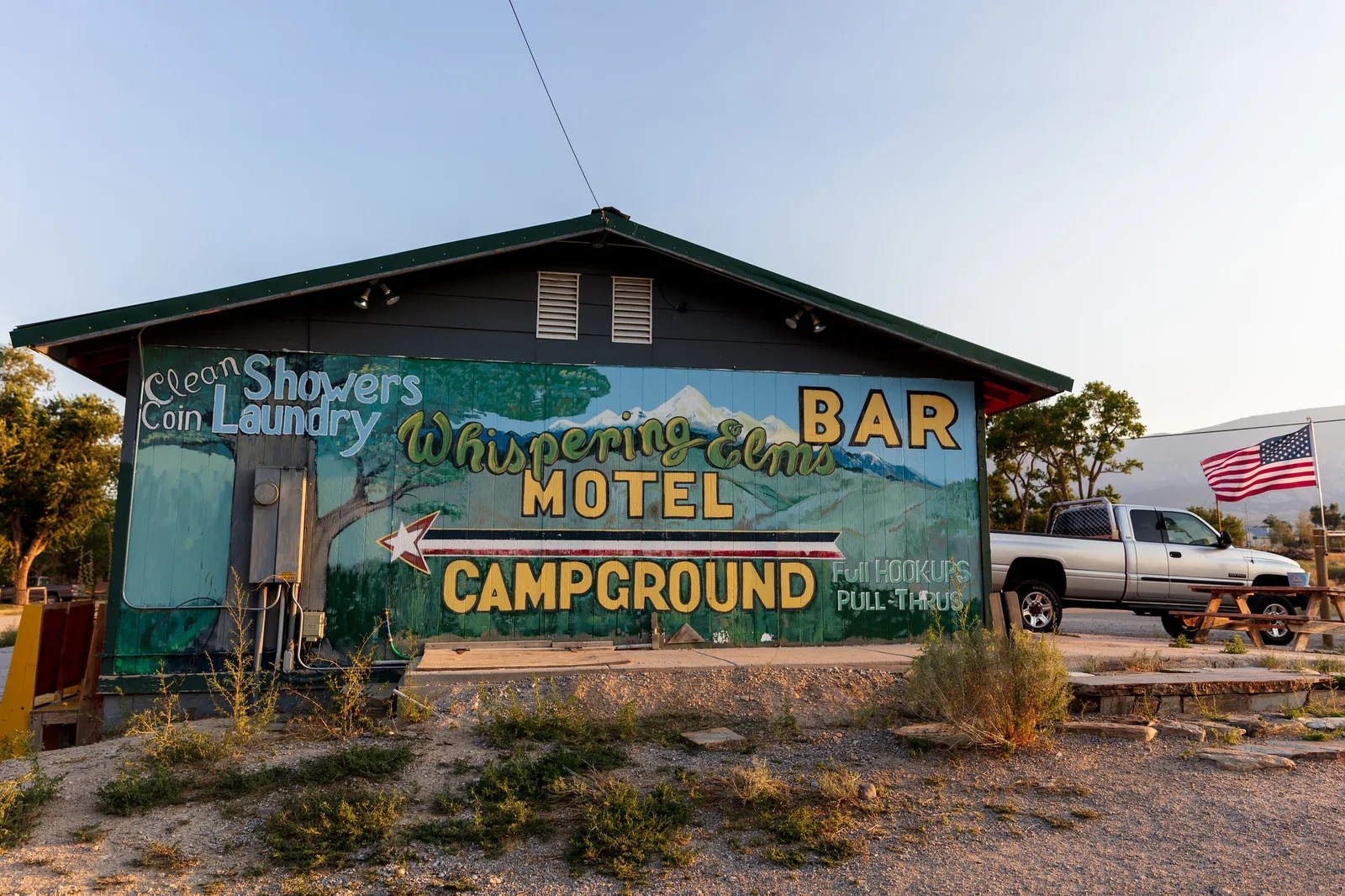
Paintings, sculptures, murals, street art and designed objects can have copyright of their own. A photograph whose main subject is a protected artwork may need permission for some uses, especially commercial ones like prints or advertising. When the art is only part of a wider scene, many places have exceptions for incidental or background inclusion. Some countries also have a freedom of panorama exception for buildings and public artworks permanently in public places, but its scope varies a lot, and some countries limit it to non-commercial use or exclude artworks.
Using other people’s material in your work
Textures, overlays, backgrounds, graphics and stock elements in composites all come with their own licenses. Read them before including such material in work you sell. People in your photos raise a separate question again, covered on model release forms.
Logos, brand names and product designs raise trademark and design questions, which are different from copyright. These are covered on property releases, along with when owners of buildings, objects and private places may need to give permission.
If you find your photo used without permission
Finding a copy of your work is common, and most cases are settled without lawyers. Work through it in order.
- Document it. Take screenshots that show the image, the page address and the date. Save a copy of the page if you can. Do this before contacting anyone, because pages change once the owner knows.
- Check your records. Did you license it to this user, a client or an agency? Is it a use your license allowed? The usage terms you agreed decide this. Many “infringements” turn out to be licensed through a client.
- Consider exceptions. Is the use commentary, news about the image, or teaching? If it is plausibly allowed, a request is better than a demand.
- Decide what you want. Credit, a license fee for the use, or removal. A small personal blog and a large company advertising a product deserve different responses.
- Contact the user. A short, polite message stating that you own the photo, where it is used, and what you are asking for resolves many cases. Offer a retroactive license when that makes sense.
- Use a takedown notice if the user does not respond or the use should simply stop. See DMCA takedowns for how notice-and-takedown works.
- Get legal advice for significant commercial uses, repeat infringers or refusals to pay. Whether you registered the photo, covered on copyright registration, may affect your options.
How do you find copies of your photos in the first place? Reverse image search covers how to search for your images and keep a simple monitoring routine.
If someone says you infringed their photo
Receiving a complaint is stressful, and the right response is calm and quick.
- Do not ignore it. A message that goes unanswered can turn into a larger demand or a lawsuit.
- Verify the claim. Check that the image is really theirs and that the use is the one you made. Scam letters exist, so confirm the sender is the owner or their genuine agent, and do not click unexpected links.
- Remove the image while you sort out the facts, if you cannot show a license.
- Look for your license. If you bought a stock license or have written permission, find the record.
- Get advice before paying a large demand. Some demands are fair, some are inflated. A lawyer can tell you which.
The best prevention is simple: only use images you made, images you have licensed in writing, or images with a clear free license whose conditions you follow.
Common mistakes
- Assuming fair use means the same everywhere. Many countries have no fair use at all. Fix: check the exceptions where the use happens.
- Treating credit as a license. Fix: get permission in writing, or use a license that allows the use.
- Sending an angry demand first. It can harden the other side and sometimes hits a licensed use. Fix: document, check your records, then send a polite message.
- Not saving evidence. The page disappears and the proof with it. Fix: capture screenshots and the address before you write.
- Recreating a famous photograph exactly. Fix: learn from it, then change the pose, light and framing into your own.
- Selling prints of other people’s art. Fix: check whether the artwork is still protected and get permission when it is the main subject.
- Paying or refusing a demand without checking it. Fix: verify the sender and get advice when the amount is significant.
Try this
Spend ten minutes testing your own judgment. Pick five uses of photographs you have seen in the last week: a news site, a friend’s blog, a business social post, a meme and a product listing. For each, write one line answering three questions: does it use the whole image, does it serve the same purpose the photo was made for, and would it replace a license the photographer could have sold? Mark each as “likely licensed or allowed”, “unclear” or “likely infringing”. Then do the same for three images you have used yourself, and replace any you cannot back with a license.
Frequently asked questions
Is it copyright infringement to use a photo if I give credit?
Usually yes, unless you have permission, a license or a legal exception covers the use. Credit is often required by a license, but it does not replace one.
What is the difference between fair use and fair dealing?
Fair use is an open defense where a court weighs several factors. Fair dealing allows use only for specific listed purposes, and the use must also be fair. Which applies depends on the country.
Can I photograph a mural or sculpture and sell the photo?
It depends on the country and how prominent the artwork is. Some places allow photos of artworks permanently in public, others restrict commercial use, and a photo where the art is the main subject is more likely to need permission.
Is copying another photographer’s style infringement?
A general style, technique or subject is not protected. Closely recreating a specific photograph, with the same distinctive choices, can be.
What should I do if someone uses my photo without permission?
Document the use, check whether it was licensed, decide whether you want credit, payment or removal, and contact the user. If that fails, a takedown notice to the host usually works. Get legal advice for large commercial uses.
Does editing a photo make it a new work I can use?
Not by itself. If the protected expression of the original is still recognizable, an edited version is usually treated as an adaptation that needs permission.
Related guides
- Copyright basics for photographers: ownership, duration and licensing.
- Copyright registration: when registering affects what you can recover.
- DMCA takedowns: getting copies removed from websites and platforms.
- Reverse image search: finding where your photos are used.
- Ethics of AI photography: the questions generated and edited images raise.
- Legal basics for photographers: the map of copyright, contracts and releases.