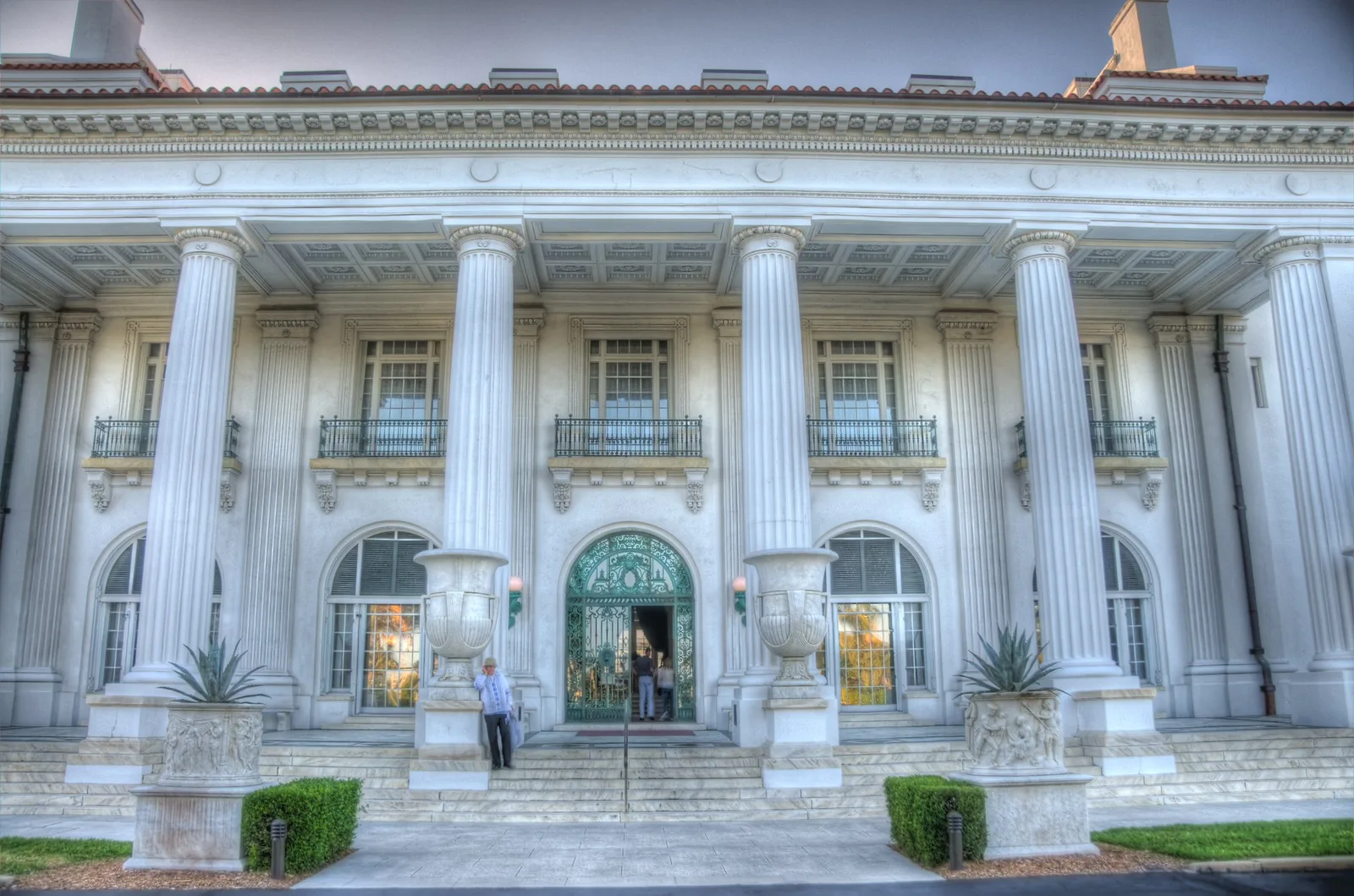
A property release is a signed permission from the owner of a building, place, object, artwork or animal that appears in a photograph, allowing the photographer to use the image in agreed ways. It is most often needed when a photo featuring recognizable private property is used commercially, such as in advertising or as stock. It is rarely needed for editorial use or for photos where property appears only in the background, though the rules vary by country.
Releases for people are covered on model release forms, which introduces property releases briefly. This page goes further on property alone: when one is likely to be needed and when it usually is not, how a release differs from a location agreement and a permit, buildings and landmarks, logos and products, artworks, animals, what a release should contain, who can sign, and how stock agencies treat property. It is general education, not legal advice. Property, trademark and privacy rules differ between countries, so have a lawyer check any release you plan to rely on.
What a property release does
Owning the copyright in a photograph does not give you every right needed to use it. Other people may have rights in what the photo shows: the owner of a private home, the business whose logo is on a sign, the artist whose sculpture fills the frame, or the person who owns the horse in the paddock. A property release deals with those rights in advance.
A good release does three things:
- Records permission. The owner agrees that the property can be photographed and that the photos can be used in stated ways.
- Prevents later claims. The owner agrees not to bring claims, such as for invasion of privacy or misuse of their property’s image, for those uses.
- Makes the photo licensable. Clients, publishers and stock agencies can rely on it, which often decides whether an image can be sold for advertising at all.
In many places there is no general right to stop people photographing a building or object that is visible from public ground. The release matters less for taking the picture than for how the picture is used later.
When a property release is likely to be needed
The more commercial the use, and the more the property is the point of the photo, the more likely a release is needed or expected.
- Advertising and marketing. A recognizable private home, shop interior, car or product used to sell something, especially where it could suggest the owner endorses the product.
- Stock photography. Agencies usually require a property release, or will only accept the image as editorial, when distinctive private property is prominent.
- Shoots on private property. Photographing inside homes, venues, offices, farms or estates for commercial work. The owner usually expects a written agreement, and a release can be part of it.
- Artwork as the main subject. Paintings, sculptures, murals and installations that are still protected by copyright.
- Owned animals as the subject. A specific person’s pet, horse or livestock used in advertising.
- Products and packaging. Designs, logos and branded goods used commercially, where trademark and design rights can apply.
When a release is usually not needed
These are general patterns, and laws differ. Where rules are strict, or the use is valuable, err toward getting a release.
- Editorial use. News, documentary, education and commentary uses rarely need property releases in many countries, as long as the caption is accurate and nothing suggests endorsement.
- Incidental property. Buildings, cars and signs that are part of a wider scene rather than the subject, such as a street with many shopfronts.
- Public places and views. Streets, skylines and landscapes photographed from public ground. Some countries have specific exceptions allowing photos of buildings visible from public places.
- Your own property. If you own it outright, you do not need to release it to yourself, though a client or agency may still ask you to sign one for their records.
- Personal and portfolio use. Showing the photo in your own portfolio rarely raises property issues, though shooting on private property still needs the owner’s permission to be there.
Is it a person rather than property in the frame? Model release forms covers when releases are needed for people, minors and events.
Property release, location agreement or permit?
The three documents are often confused because they all involve a place, but they answer different questions.
| Document | Question it answers | Who gives it |
|---|---|---|
| Property release | May the photos of this property be used in these ways? | The owner of the property, object, artwork or animal |
| Location agreement | May this crew be on this property, at these times, doing this work, for this fee? | The owner or manager of the place |
| Permit | Is this shoot allowed on public land or in a regulated space? | A public authority, park agency or local government |
A commercial shoot on private land often needs a location agreement that includes release wording. A shoot in a public park may need a permit but no release. Permits are covered on photography permits and drone rules.
Buildings, landmarks and interiors
Architecture is one of the most common reasons property questions come up.
- Private homes. A recognizable home as the main subject of an advertising image can raise privacy concerns for the people who live there. A release from the owner is usual for commercial and stock use. Avoid showing house numbers and street signs unless the use needs them.
- Distinctive buildings. In some countries the design of a building still within its copyright term is protected as an architectural work. Many of those countries allow photos taken from public places, but not all, and some limit the exception to non-commercial use.
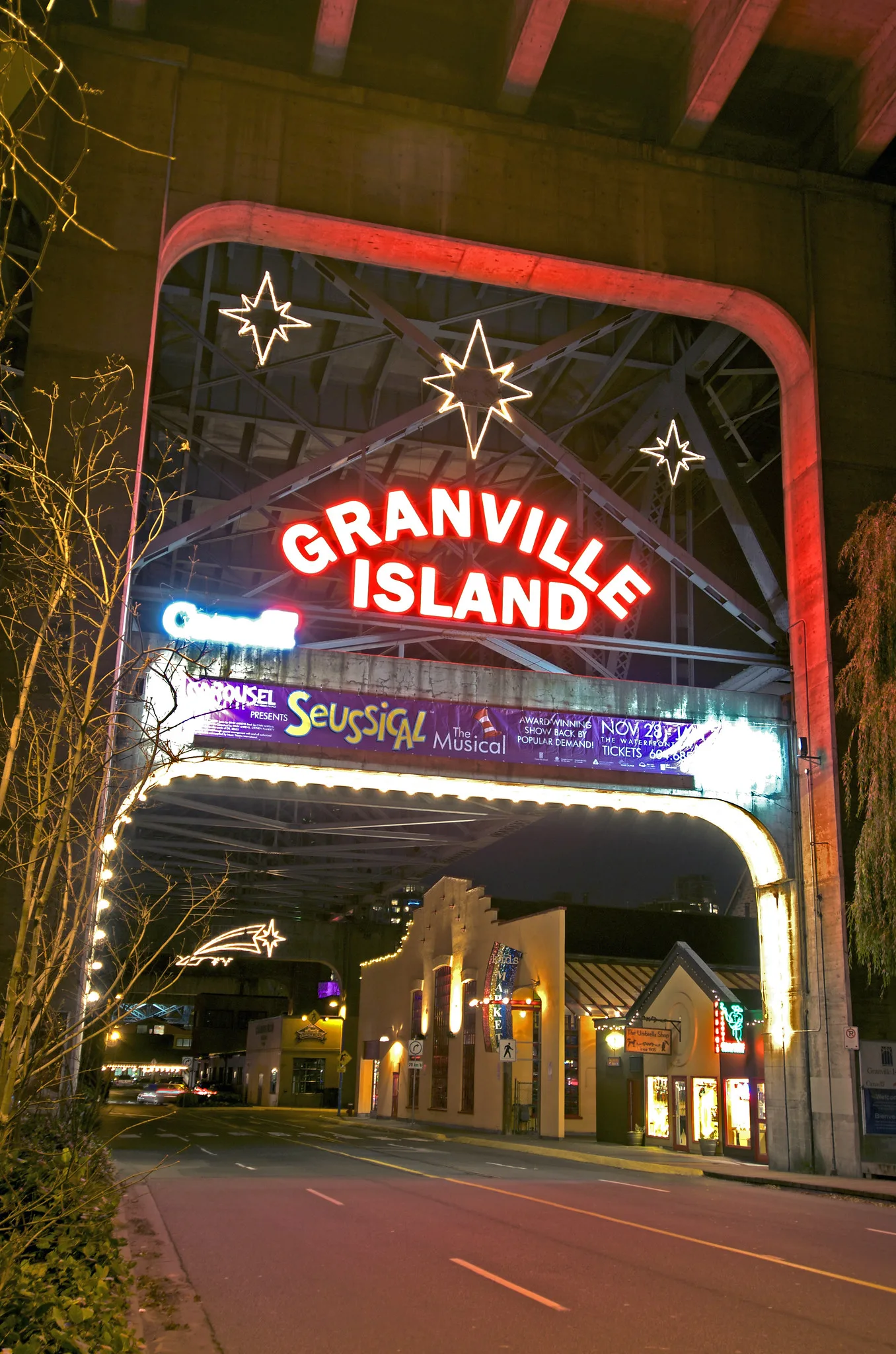
- Landmarks with trademarks. Some famous buildings, bridges and attractions are registered trademarks, and their owners may object to commercial use that suggests a connection. Some claim rights in special features, such as a lighting display at night.
- Interiors. Inside a building, the owner controls access and usually sets conditions on photography. Museums, venues, stations and shopping centers often have their own photo rules and may charge for commercial shoots.
Architecture and interior specialists deal with these questions constantly; see architecture photography and interior photography for how those jobs are usually set up.
Logos, products and artworks
Two different kinds of rights are at work here, and they behave differently.
Trademarks and brand names
Trademark law protects names, logos and some product shapes against uses that might confuse people about who made something or who endorses it. A photo showing a logo is not automatically a problem. The risk comes from commercial uses that make a brand look like a sponsor or partner. That is why stock agencies and advertising clients usually ask for logos to be removed, hidden or released.
Copyright in artworks and designs
Paintings, sculptures, murals, street art and some designed objects are protected by copyright of their own. A photo where a protected artwork is the main subject may need the artist’s permission for commercial uses such as prints or advertising. When a work is only part of the scene, many places have an exception for incidental inclusion. How these exceptions work is covered on fair use and copyright infringement, and artworks old enough to be out of copyright are explained on Creative Commons and public domain photos.
For product photography, the client who commissions the shoot usually owns or licenses the products, so the question becomes what your contract says rather than whether you need a release.
Animals and owned objects
In law, pets and livestock are usually treated as property, so a recognizable animal belonging to someone can need a property release for commercial use. The same goes for distinctive owned objects such as classic cars, boats and custom bikes. Wild animals in the wild have no owner, but animals in zoos, farms and sanctuaries photographed on their property are covered by the location’s rules.
For pet sessions, put the release in the booking contract, signed by the owner. For a horse or dog you meet by chance, ask the owner and get a simple signed release before using the photo commercially.
What to include in a property release
Many photographers use a short standard form, adjusted for each job. Have a lawyer in your country check the wording once, then reuse it.
| Section | What it covers |
|---|---|
| Parties | Your name and business, and the owner’s or authorized signer’s full name and contact details |
| The property | A clear description: address, name of the building or object, registration or identifying details, and the date of the shoot |
| Grant of rights | What the photos may be used for, such as advertising, stock, editorial or all media, and for how long, and whether you may license them to others |
| Payment | What the owner receives, even if it is a nominal sum or copies of the photos, since some legal systems need something given in return |
| Waiver | The owner agrees not to make claims about the agreed uses |
| Authority | A statement that the signer owns the property or is authorized to sign for the owner |
| Signatures | Signatures and dates, ideally with a reference photo of the property attached |
Who can sign
Only someone with the right to grant permission can sign. That may not be the person who lets you in.
- A tenant may control access to a rented home but may not be able to release the building itself. Some leases also restrict commercial shoots.
- A manager or staff member may have no authority to sign for a company. Ask who signs contracts.
- Jointly owned property may need all owners, or written authority from one on behalf of the others.
- For artworks, the owner of the physical work and the owner of the copyright can be different people.
Keep signed releases with the images they cover, labeled so you can find them years later. Digital signature tools are widely accepted, and the same storage habits as for model releases apply.
Where do release terms sit in a client agreement? Photography contracts covers usage, ownership and the clauses that go alongside releases.
Property releases and stock agencies
Stock agencies are often stricter than the law, because their buyers want images they can use anywhere without worrying. Common practice includes:
- Requiring a property release for recognizable private property, interiors and artworks before accepting an image for commercial licensing.
- Accepting unreleased images only for editorial licensing, with accurate captions.
- Rejecting images that show logos, trademarks or designed products prominently, unless they are removed or released.
- Keeping lists of places and objects they will not accept for commercial licensing, because owners have objected before.
Each agency publishes its own rules and release templates. Read them before shooting for stock, and see how to sell stock photography for how releases fit into submitting work.
Common mistakes
- Assuming copyright covers everything in the frame. Your copyright does not cancel the owner’s rights. Fix: consider property rights before commercial use.
- Getting the wrong person to sign. A tenant or staff member may have no authority. Fix: ask who owns the property and confirm authority on the form.
- Using a vague description. “The house” will not help in a dispute. Fix: give an address or identifying details and attach a reference photo.
- Confusing a permit with a release. A permit lets you shoot; it does not release the property for advertising. Fix: check which document each use needs.
- Leaving logos in commercial images. Fix: remove or hide them in camera or in retouching, or get permission.
- Losing the paperwork. Fix: store releases with the images and back them up.
- Licensing an editorial-only image for advertising. Fix: mark unreleased images clearly in your catalog.
Try this
Spend ten minutes auditing your releases. Pick ten of your photos that you sell or would like to sell. For each, note whether there is a recognizable person, private building, interior, logo, artwork or owned animal as a main subject. Mark each photo “released”, “needs a release for commercial use” or “editorial only”. Then write a short property release template using the sections in the table above, leaving the wording for a lawyer to check, and save it next to your model release so both are ready for the next shoot.
Frequently asked questions
What is a property release in photography?
A signed permission from the owner of a building, place, object, artwork or animal that appears in your photo, allowing the image to be used in the ways the release describes, most often for commercial or stock use.
Do I need a property release to photograph a building?
Usually not to take the photo from a public place, and usually not for editorial use. A release is more likely to be needed when a recognizable private building is the main subject of an advertising or stock image, and some countries have stricter rules for distinctive architecture.
Do I need a property release for a logo in my photo?
Not for every use. The concern is commercial use that suggests a connection with the brand. Stock agencies and advertising clients usually ask for logos to be removed or released.
Is a property release the same as a location permit?
No. A permit or location agreement gives permission to shoot in a place. A property release gives permission to use the images of that property in certain ways. Some shoots need both.
Do I need a release to photograph someone’s pet?
For commercial use of a recognizable animal, often yes, because animals are usually treated as their owner’s property. For a pet session, include the release in the booking contract.
Can a tenant sign a property release?
Sometimes, but a tenant may not have authority to release the building itself. Check who owns the property and ask for the owner’s signature or written authority when the use is commercial.
Related guides
- Model release forms: releases for people.
- Photography permits and drone rules: permission to shoot in public and regulated places.
- Fair use and copyright infringement: artworks and other protected works in your photos.
- How to sell stock photography: releases and agency rules.
- Photography contracts: where release terms sit in a client agreement.
- Legal basics for photographers: the map of copyright, contracts and releases.