Exhibiting your photography transforms it from a private pursuit into a public conversation. When your images hang on a wall, they exist in physical space where viewers encounter them with full attention. This experience is fundamentally different from scrolling past images on a screen.
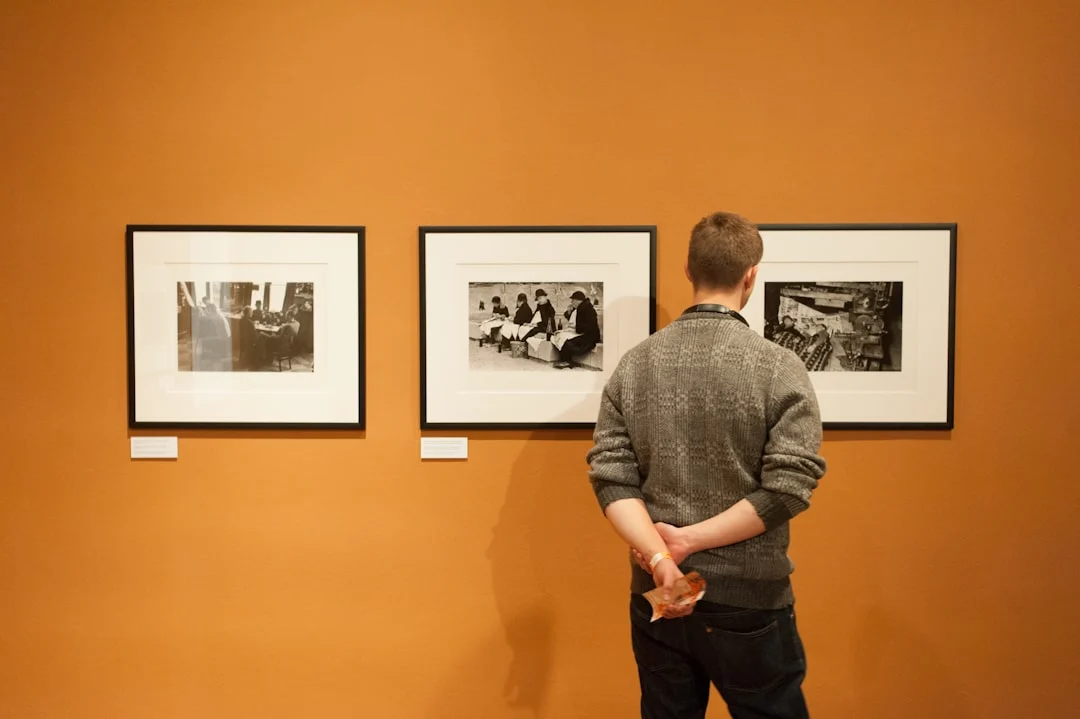
Exhibitions also mark a professional milestone. Whether you show in a coffee shop or a gallery, the process of preparing, curating, and presenting your work requires skills that elevate your entire practice as a photographer.
This guide covers every stage of the exhibition process, from choosing your venue type to documenting the show after it comes down.
Types of Photography Exhibitions
Exhibitions come in many forms, each with different audiences, costs, and opportunities.
| Type | Description | Accessibility | Cost to Photographer |
|---|---|---|---|
| Solo show | Your work exclusively, 15-30+ pieces | Moderate (requires track record) | Moderate to high |
| Group show | Multiple artists sharing the space | Higher (shared reputation) | Lower (shared costs) |
| Pop-up exhibition | Short-term in non-traditional venues | High (self-organized) | Variable |
| Online exhibition | Virtual gallery or curated website | Very high (global reach) | Low |
| Gallery representation | Gallery promotes and sells your work | Low (competitive selection) | Gallery takes commission |
| Art fair booth | Your work at a multi-artist event | Moderate (application required) | Booth rental fee |
First-time exhibitors should consider group shows or pop-up exhibitions. Group shows distribute the workload and cost among participants. Pop-up shows in cafes, restaurants, co-working spaces, or community centers provide venue access without the formal gallery application process.
Preparing Your Work for Exhibition
Exhibition prints demand quality that exceeds casual printing. Your prints represent your professional standards. Invest in the best printing you can afford. Our Preparing Photos For Print guide covers the technical process in detail.
Print size matters. For exhibitions, prints need to be large enough to hold a wall and reward close viewing. 16×20 inches is often the minimum for solo shows, with hero images at 24×36 or larger. Consider the viewing distance: a narrow hallway requires smaller prints than a spacious gallery. Understanding Color Management Photography ensures your prints match your creative vision.
Framing and matting choices affect how the work is perceived. Simple, clean frames in black, white, or natural wood work for most photography. White mats with generous borders (3 to 4 inches) are standard. Avoid ornate frames or colored mats that compete with the images.
Consistency in framing and matting across the entire show creates a cohesive, professional appearance. If budget constrains framing options, frameless mounting options (face-mounted acrylic, standoff-mounted aluminum prints, or gallery-wrapped canvas) provide a clean, modern presentation.
Writing an Artist Statement
An artist statement accompanies most exhibitions. It explains the work’s concept, your motivation, and the ideas behind the images. Writing one is often the most challenging part of exhibition preparation, but it is also one of the most valuable exercises for understanding your own work.
Keep it concise: 150 to 300 words is usually appropriate. Write in the first person. Describe what the work explores (theme, concept, question) and why you made it (personal connection, curiosity, response to something). Avoid technical jargon, pretentious language, and art-speak that obscures rather than clarifies.
A strong artist statement answers three questions: What is this work about? Why does it matter to you? Why might it matter to the viewer? Test your statement by reading it aloud to someone unfamiliar with your work. If they understand your intention, the statement is working.
Pricing Your Exhibition Work
Pricing photography for exhibition sale is part math and part market research. Start with your costs: printing, framing, matting, and any production expenses. Then add your time and creative value. Our Photography Pricing Guide covers pricing strategies in depth.
Research comparable work in your market. Visit galleries showing photography and note the price ranges for similar sizes and career stages. Pricing too high creates stale inventory. Pricing too low undermines perceived value and makes it difficult to raise prices later.
Consider edition sizes. Limited editions (numbered prints with a fixed total) command higher prices because of scarcity. Open editions are unlimited. Most emerging photographers start with editions of 10 to 25 for larger prints and open editions for smaller sizes.
Gallery Submissions and Proposals
Approaching galleries requires research and professionalism. Start by identifying galleries that show photography in a style related to your work. Submitting landscape photography to a gallery that shows abstract art wastes everyone’s time.
A gallery submission typically includes: 15 to 20 images (as high-quality digital files), an artist statement, a CV or bio, and a brief cover letter. Your Photography Portfolio should be polished and cohesive. Galleries want to see a consistent body of work, not a random collection of your best individual shots.
Follow each gallery’s specific submission guidelines exactly. Some accept email submissions. Others use online forms. A few still prefer physical portfolios. Sending work in the wrong format signals that you did not research the gallery, which eliminates you before the work is even reviewed.
Curating a Cohesive Show
A strong exhibition is more than a collection of good images. It is a curated experience with visual flow, thematic consistency, and intentional pacing. Each image should relate to the others while contributing something unique to the whole.
Start with more images than you need and edit down. For a solo show with wall space for 20 prints, prepare 30 to 40 candidates. Live with them on your wall for days or weeks. Notice which images you keep returning to and which ones feel redundant or disruptive.
Consider the sequence. How will viewers move through the space? Create a visual narrative with a strong opening image that sets the tone, varied pacing in the middle section, and a resonant closing image that leaves a lasting impression. Group images by visual similarity (tone, color, subject) or by contrast (light next to dark, calm next to energetic).
Hanging and Display
Standard gallery hanging places the center of each image at 57 to 60 inches from the floor, which is approximately eye level for an average adult. Maintain consistent center height across the show for a professional appearance, even when frame sizes vary.
Spacing between frames affects the viewing experience. Too close and the images compete. Too far apart and the show feels sparse. Four to six inches between frames is standard for most gallery settings. Measure and mark positions before hanging.
Lighting makes or breaks an exhibition. Gallery-quality lighting uses adjustable spotlights or track lighting positioned to illuminate each piece evenly without creating glare on glass. If you are controlling the lighting, angle the lights at approximately 30 degrees from the wall to minimize reflections.
Planning an Opening Reception
The opening reception is a celebration and a marketing event. It brings people into the space, generates word-of-mouth, and provides an opportunity for you to connect with viewers, potential buyers, and fellow artists.
Keep refreshments simple. Wine and light snacks are standard for gallery openings. The focus should be on the work, not the food. Ensure the space is not overcrowded. If you expect a large turnout, stagger the invitation times.
Prepare a brief talk or walkthrough for interested viewers. Practice describing your work and process in casual, accessible language. Visitors appreciate hearing directly from the artist about the inspiration and creation of the work.
Promoting Your Exhibition
Promotion starts weeks before the opening. Create a simple, visually strong announcement (physical postcard and digital version) featuring one compelling image, the exhibition title, dates, location, and opening reception information.
Use social media to build anticipation. Share behind-the-scenes preparation, preview images, and the story behind the work. Invite your personal network through direct messages or email. Personal invitations convert far better than broadcast announcements.
Reach out to local media, photography blogs, and community event listings. A brief press release with one or two high-quality images gives journalists what they need to feature your show. Even a small mention in a local publication can significantly increase attendance.
Documenting Your Exhibition
Photograph the exhibition itself. Document the installed work, the space, the opening reception, and visitors engaging with the images. These photos serve multiple purposes: portfolio evidence of exhibition history, social media content, and future grant or gallery applications.
Hire or ask a friend to photograph the opening reception. You will be busy hosting and cannot effectively document the event simultaneously. Brief them on what you need: wide shots of the installed show, detail shots of individual pieces on the wall, and candid moments of engagement.
Common Mistakes in Exhibition Planning
- Rushing the printing: Order test prints early and evaluate them in the actual exhibition space before committing to the full run.
- Inconsistent presentation: Mixed frame styles, mat colors, or print quality undermines professionalism.
- No artist statement: Viewers want context. Even a brief statement enhances the experience.
- Under-promoting: If nobody knows about the show, nobody comes. Start promotion at least three weeks before opening.
- Ignoring logistics: How will prints get to the venue? Who hangs them? What time can you access the space? Plan every detail.
- Not pricing the work: Even if you are not sure about selling, having prices available prevents awkward conversations and lost sales.
Try This: Exhibition Preparation Exercises
- Mini Exhibition at Home: Select 8 to 10 images, print them (even small), and hang them on a wall at home. Practice curation, spacing, and sequencing.
- Write Your Statement: Draft an artist statement for your current body of work. Revise it three times over three days. Read it aloud to someone unfamiliar with your work.
- Visit Three Exhibitions: Attend three photography exhibitions and study the presentation: print quality, framing, spacing, lighting, and artist statements. Take notes.
- Pop-Up Plan: Identify three non-gallery spaces in your community that could host a small show (cafes, libraries, offices). Contact one and ask about their art display program.
- Pricing Research: Visit galleries and online platforms selling photography prints. Create a spreadsheet of sizes, edition sizes, and prices to understand market positioning.
Frequently Asked Questions
How many images do I need for an exhibition?
It depends on the space. A small cafe might show 8 to 12 pieces. A solo gallery show typically requires 15 to 30. Measure the available wall space and plan sizing and spacing before committing to a number.
How much does it cost to put on an exhibition?
Costs include printing, framing, venue rental (if applicable), promotion, and reception expenses. A small pop-up show might cost a few hundred dollars. A solo gallery show with professional framing can cost several thousand. Group shows share costs among participants.
How do I find exhibition opportunities?
Start with non-traditional spaces: cafes, restaurants, libraries, community centers, and co-working spaces. Many welcome local art. For gallery shows, research open calls, apply to juried exhibitions, and build relationships with gallery owners over time.
Should I sell prints at my exhibition?
Yes, unless you have a specific reason not to. Having work for sale does not make the show commercial. It allows interested viewers to support your work and live with images they connect with. Price fairly and make the purchase process simple.
What if nobody comes to my opening?
Promote thoroughly and invite personally. But also know that exhibition success is not measured solely by opening night attendance. Many viewers visit during the run of the show. The work is seen over weeks, not just one evening.