Shutter speed is the length of time a camera’s sensor is exposed to light when you take a photograph. Along with aperture and ISO, it is one of the three settings in the exposure triangle. Shutter speed’s second job, beyond exposure, is recording time itself: it decides whether motion appears frozen into a single sharp instant or stretched into a streak.
How Shutter Speed Works
When you press the shutter button, a mechanical curtain or an electronic sensor readout controls how long light is allowed to accumulate before the exposure ends. A fast shutter speed, such as 1/2000 of a second, lets light in for a very brief window and freezes motion. A slow shutter speed, such as 1/4 of a second, lets light accumulate for much longer and records anything that moved during that window as blur.
Most cameras built after the film era use one of two shutter mechanisms, sometimes both in the same body. A mechanical shutter uses two physical curtains that travel across the sensor; the gap between them controls exposure time. An electronic shutter instead reads the sensor’s rows in sequence with no moving parts, which allows very fast top speeds and silent operation, but can distort fast-moving subjects (a bending effect called rolling shutter) because the top and bottom of the frame are not read at exactly the same instant.
The Shutter Speed Scale
Shutter speed is measured in stops, the same unit used for aperture and ISO. Each full stop doubles or halves the exposure time, and therefore doubles or halves the light reaching the sensor. The standard full-stop sequence is:
1/8000, 1/4000, 1/2000, 1/1000, 1/500, 1/250, 1/125, 1/60, 1/30, 1/15, 1/8, 1/4, 1/2, 1s, 2s, 4s, 8s, 15s, 30s
Moving from 1/250 to 1/125 doubles the exposure time and therefore doubles the light. Moving from 1/125 back to 1/250 halves it. Past 1 second, times are written as whole seconds with a prime mark (1″, 2″, 30″) rather than as fractions. Exposures longer than 30 seconds usually require Bulb mode, where the shutter stays open for as long as you hold or lock the shutter release, timed with a stopwatch or an intervalometer.
As with aperture, most cameras also offer 1/3-stop increments for finer control. Between 1/125 and 1/60, the third-stop steps are 1/125, 1/100, 1/80, 1/60. Between 1/15 and 1/8, they are 1/15, 1/13, 1/10, 1/8. These finer increments matter most when you are balancing shutter speed against a specific aperture or ISO value rather than choosing motion blur for its own sake.
Fast Shutter Speeds: Freezing Motion
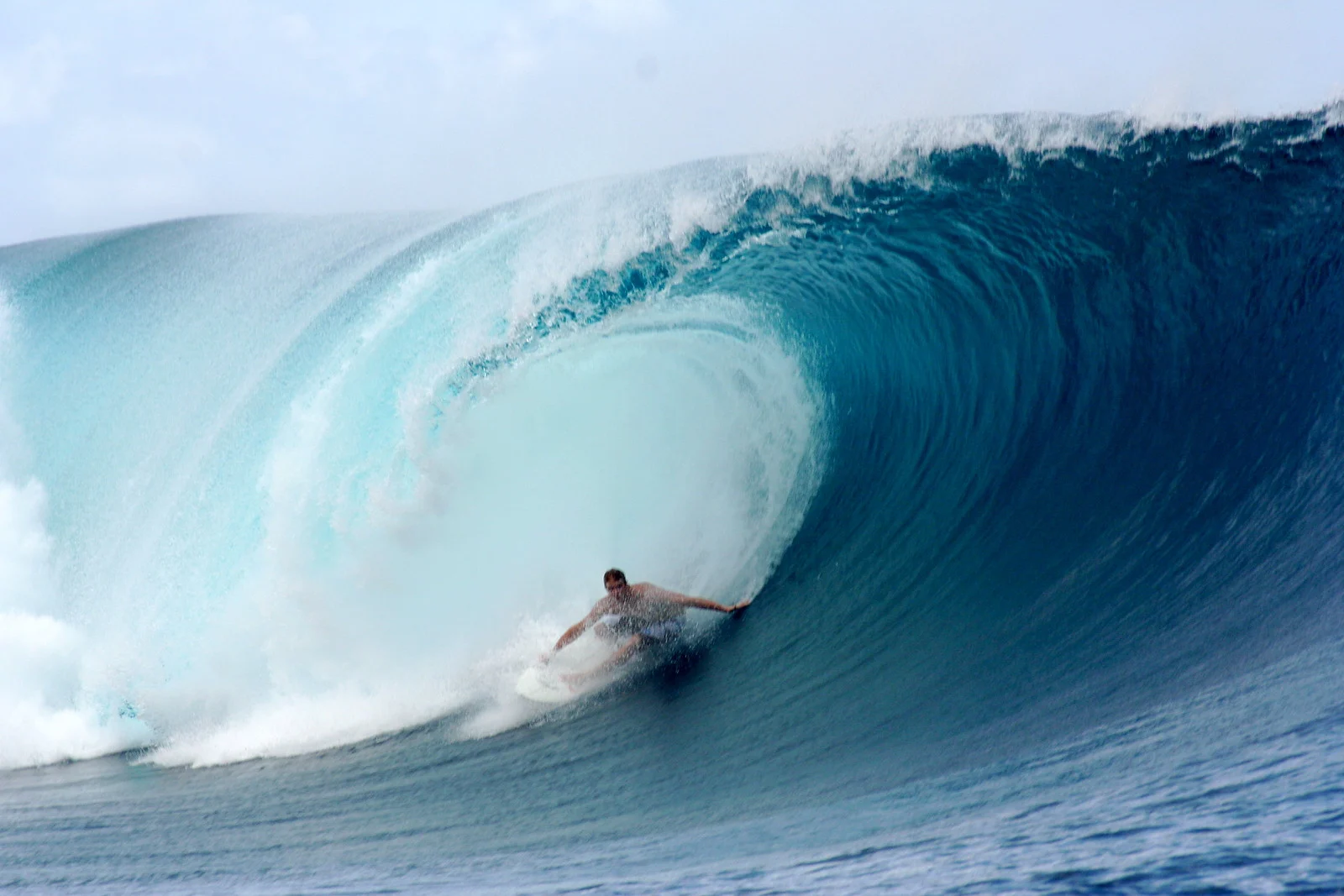
Fast shutter speeds are essential when you want to render a moving subject in sharp, frozen detail. Sports photographers commonly shoot at 1/1000 of a second or faster to catch an athlete mid-stride. Wildlife photographers use similarly quick speeds to freeze a bird in flight. At 1/500 or faster, most everyday human motion appears completely still; faster subjects such as splashing water or a bursting balloon may need 1/2000 or beyond to stop cleanly.
The tradeoff is that a fast shutter speed lets in very little light. To compensate, you typically need to open the aperture wider or raise the ISO. This tradeoff, more light in exchange for less time, is the fundamental balancing act of the exposure triangle.
Slow Shutter Speeds: Capturing Motion
Slow shutter speeds create a sense of movement and time passing in a photograph. Waterfalls become silky curtains at 1/4 second or slower. City traffic transforms into streaks of light during a long exposure. Intentional camera movement during a slow exposure can produce abstract, painterly effects that no fast shutter speed could ever capture.
When using slow shutter speeds handheld, camera shake becomes the limiting factor rather than subject motion. A widely used guideline is the reciprocal rule: keep your shutter speed at least as fast as 1 over your focal length. With a 50mm lens, that means staying at 1/50 of a second or faster when shooting handheld; with a 200mm lens, 1/200 or faster. Modern high-resolution sensors are less forgiving of small amounts of shake than older, lower-resolution ones, so many photographers now use a stricter version, roughly 1.5 to 2 times the focal length, or the more precise NPF rule, which also accounts for aperture and pixel size. Image stabilization in the lens or camera body can buy several extra stops of handheld flexibility, and a tripod removes the limit entirely.
Panning and Long Exposures
Panning tracks a moving subject with a slow shutter speed while the camera follows its motion. Done well, the subject stays reasonably sharp while the background streaks past it, conveying speed in a way a frozen frame cannot. This technique typically works between 1/15 and 1/60 of a second, depending on how fast the subject is moving and how smoothly you can track it.
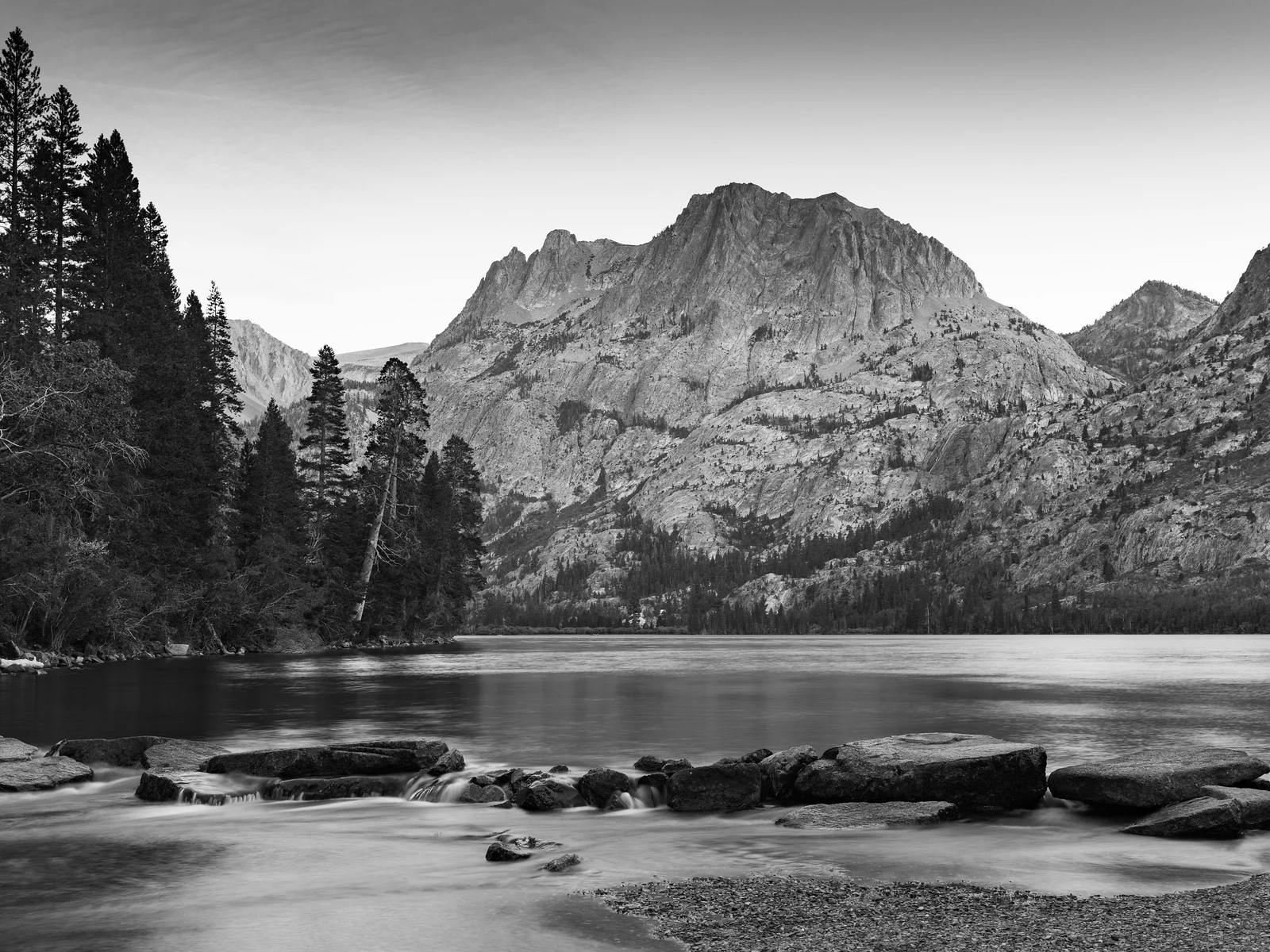
Long exposures of several seconds to several minutes reveal things invisible to the naked eye. Flowing water smooths into fog. Clouds streak across the sky. Light painting and ghostlike figures in a crowded space both rely on extended exposure times. A sturdy tripod and a remote or delayed shutter release are essential; even pressing the shutter button by hand can introduce enough vibration to soften a multi-second exposure.
Flash Sync Speed
Flash photography adds a limit that has nothing to do with motion: sync speed. A mechanical focal-plane shutter exposes the sensor by moving two curtains across it; at fast shutter speeds, the second curtain starts closing before the first has finished opening, so only a narrow moving slit of the sensor is ever exposed at any instant. A regular flash fires in a single brief burst, fast enough to light that whole slit only if the shutter speed is slow enough that the sensor is still fully uncovered when the flash fires. The fastest shutter speed at which the sensor is fully open all at once is the camera’s sync speed, typically somewhere between 1/160 and 1/250 of a second depending on the body.
Try to use a plain flash faster than sync speed and part of the frame comes out as a dark band, the shadow of the closing curtain. Many flashes offer a high-speed sync mode that pulses repeatedly through the whole exposure instead of firing once, which sidesteps the limit at the cost of some flash power. This is why a bright, sunny outdoor portrait with fill flash often still needs a shutter speed no faster than roughly 1/200, even though the ambient light alone could support something much faster.
See It Side by Side
Fast shutter speeds freeze motion into a single crisp instant. Slow shutter speeds record the trajectory of the motion as blur.
Shutter Speed in Practice: Comparing Real Photos
These three photographs span most of the practical shutter speed range, from a fraction of a second to half a minute.

Try It Yourself: Camera Simulator
The challenge below drops you into a moving scene and asks you to freeze the action. Watch how fast the shutter needs to be, and what you have to give up elsewhere in the exposure to get there.
Choosing the Right Shutter Speed
The right shutter speed depends on your subject and your creative intent, not on a single universal answer. For portraits of a still subject, 1/125 is usually sufficient. For children or pets, 1/250 or faster helps with unpredictable movement. Sports and action typically call for 1/500 to 1/2000. Flowing water looks best between 1/4 and 2 seconds. Star trail photography needs a single exposure of several minutes or a stack of many shorter exposures, not a single 15 to 30 second frame, see the exposure triangle page for the distinction between freezing stars as points and trailing them into arcs.
Experiment with shutter priority mode (S or Tv on your camera dial) to build intuition. In this mode you set the shutter speed and the camera automatically adjusts the aperture. Watch your histogram rather than the screen preview to confirm proper exposure as you explore different speeds.
Common Shutter Speed Mistakes
- Shooting handheld below the reciprocal rule. A shutter speed slower than roughly 1 over your focal length invites camera shake that no amount of sharpening will fully undo.
- Forgetting that a fast shutter speed needs light. Freezing action at 1/2000 in dim conditions usually forces a wide aperture, a high ISO, or both. Plan for the tradeoff before the moment happens, not after.
- Confusing subject blur with camera shake. A blurred subject against a sharp background means the shutter speed was too slow for the subject’s motion. A blurred entire frame means the camera itself moved. The fix for each is different.
- Using a slow shutter speed without a tripod for the effect. Handheld long exposures rarely produce clean, intentional blur, they usually just produce a shaky, disappointing photo.
- Ignoring electronic shutter distortion on fast-moving subjects. A propeller, a fast car, or a quick pan can bend visibly if the camera’s electronic shutter reads the sensor too slowly relative to the subject’s speed. Switch to the mechanical shutter for these situations if your camera offers one.
- Using plain flash faster than sync speed. Without high-speed sync enabled, a shutter speed faster than the camera’s sync speed produces a dark band across part of the frame, not a properly lit photo.
Try This
Find a subject with reliable, repeatable motion, a running tap, a swinging pendulum, or moving traffic. Photograph it at 1/1000, 1/30 and 1 second, adjusting aperture or ISO each time to hold the exposure steady. At 1/1000 the motion should freeze completely. At 1/30 you should see partial blur. At 1 second, on a tripod, the motion should smear into a clear streak. Notice how little time separates a frozen subject from a fully blurred one.