Photography is one of the most accessible and rewarding hobbies you can pick up at any age. It requires no special talent to begin, improves with practice, and produces tangible results you can share and enjoy. Whether you are looking for a creative outlet, a reason to explore outdoors, or a way to document your life, photography delivers on all fronts.
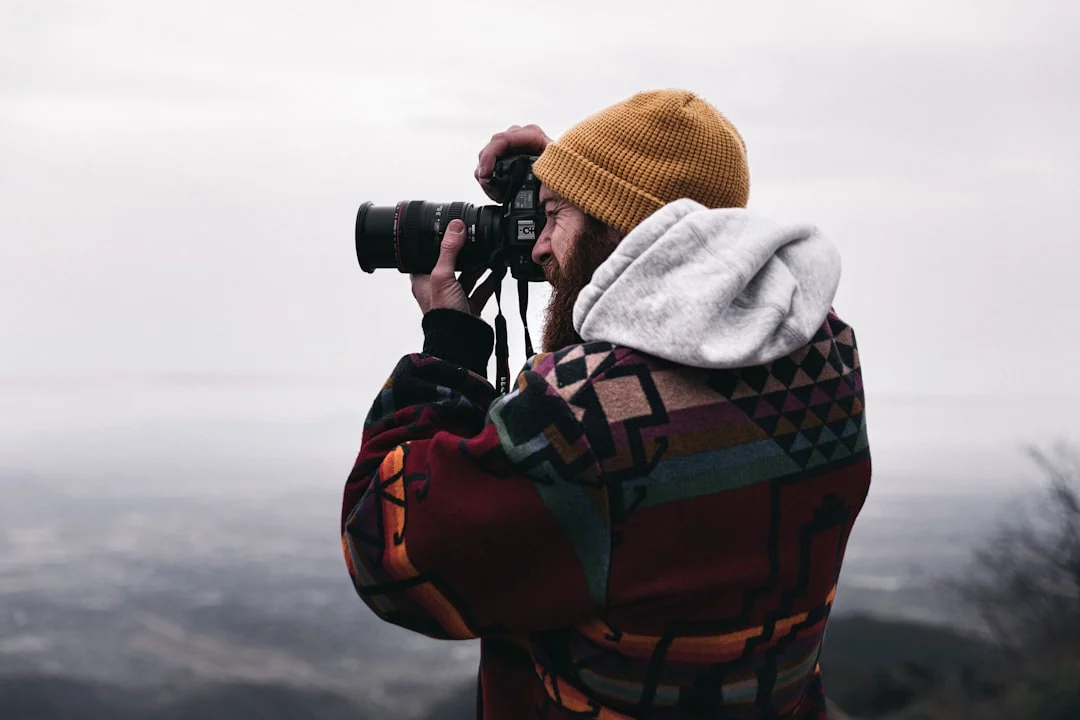
The barrier to entry has never been lower. The camera in your pocket right now is more capable than professional equipment from two decades ago. You can start today without buying a single piece of gear and gradually invest as your interests develop.
This guide covers everything you need to get started, stay motivated, and grow as a photographer. It is written for beginners who want to explore photography for the love of it, without pressure to monetize or turn it into a career.
Why Photography Makes an Excellent Hobby
Photography changes the way you see the world. Once you start looking for photos, you notice light, patterns, textures, and moments that previously passed unobserved. This heightened awareness is one of the most common and delightful side effects photographers describe.
It combines creative expression with technical problem-solving. You choose the subject and the story (creative), then figure out how to capture it with the right settings and conditions (technical). This balance keeps the hobby engaging because there is always something new to learn and master. For more, see our photography courses guide. For more, see our photography schools guide.
- Physical activity: Photography gets you outside, walking, exploring, and often hiking to reach the best vantage points.
- Mindfulness: Composing and focusing on a photograph requires present-moment awareness that provides a break from daily stress.
- Social connections: Photography communities, photo walks, and clubs provide social opportunities with like-minded people.
- Lifelong learning: New techniques, genres, and tools mean you never run out of things to explore.
- Tangible results: Unlike many hobbies, photography produces artifacts you can print, display, share, and give as gifts.
- Adaptable to any lifestyle: You can photograph in five-minute breaks or on week-long trips. It fits any schedule.
Getting Started Without Expensive Gear
Your smartphone is all you need to begin. Modern phone cameras handle exposure, focus, and white balance automatically, letting you concentrate on the two things that matter most: what you point the camera at and how you frame it. For smartphone-specific techniques, see our Smartphone Photography guide.
If you decide to move beyond a smartphone, an entry-level Mirrorless Vs Dslr camera with a kit lens is an excellent next step. It gives you more control over settings and better image quality in challenging conditions. But resist the urge to buy gear before you know what you need. Shoot with what you have until its limitations become clear through your own experience.
The best early investment is not gear but knowledge. Understanding Photography Composition, Natural Light Photography, and the Exposure Triangle will improve your photos far more than any equipment upgrade.
Finding Your Photographic Interests
Photography encompasses dozens of genres, and most hobbyists find their passion by trying several. Do not commit to a specialty too early. Instead, experiment broadly and notice which subjects and styles consistently hold your attention.
| Genre | What It Involves | Getting Started |
|---|---|---|
| Landscape Photography | Natural scenery, mountains, coasts, forests | Visit a scenic area during golden hour with any camera |
| Street Photography | Candid moments of daily life in public spaces | Walk through a busy area and photograph what catches your eye |
| Portrait Photography | People, expressions, and personality | Ask a friend to sit for portraits near a window |
| Macro Photography | Extreme close-ups of small subjects | Use your phone’s close-up mode on flowers and insects |
| Night Photography | Cities, stars, and low-light scenes | Set up a tripod at dusk and experiment with long exposures |
| Wildlife Photography | Animals in natural habitats | Start with backyard birds or local park animals |
You might love one genre exclusively, or you might enjoy switching between several depending on your mood and circumstances. Both approaches are perfectly valid. The hobby is yours to shape.
Joining Photography Communities and Clubs
Photography can be a solitary activity, but it does not have to be. Joining a community accelerates your learning, provides motivation, and connects you with people who share your enthusiasm.
Local camera clubs meet regularly for critiques, presentations, and group outings. Many are welcoming to beginners and charge modest annual dues. Search for photography clubs in your city or check community center bulletin boards.
Online communities offer convenience and global perspectives. Photo sharing platforms, forums, and social media groups focused on specific genres provide feedback, inspiration, and camaraderie. Choose communities that emphasize constructive feedback over competitive criticism.
Photo Walks and Meetups
Photo walks are group outings where photographers explore a location together, shooting independently but sharing the experience. They combine exercise, exploration, socializing, and photography into a single activity. Many cities have regular photo walk groups that welcome all skill levels.
If there is no photo walk group in your area, start one. Pick a meeting point, choose a route, set a time, and invite people through social media or local photography forums. Even two or three participants make for a rewarding outing.
Solo photo walks are equally valuable. Dedicate an hour to walking a familiar route with the sole intention of photographing. The constraint of time and location forces you to look harder, see more, and find photos in places you would normally overlook.
Sharing Your Work and Getting Feedback
Sharing your photos is a critical part of growth as a photographer. The act of selecting, editing, and presenting your work develops your critical eye. Feedback from others provides perspectives you cannot generate yourself.
Build a Photography Portfolio even as a hobbyist. It does not need to be a professional website. A simple album on a photo sharing platform curated with your best work serves the same purpose. The act of curating forces you to evaluate your own photography critically.
When receiving feedback, distinguish between subjective preferences and objective observations. ‘I would have composed it differently’ is subjective. ‘The horizon is tilted’ is objective. Both have value, but objective technical feedback is more actionable for improvement.
Setting Personal Photography Projects
Projects provide structure and purpose that transform casual shooting into focused learning. A project can be as simple as a theme (photograph reflections for a month) or as involved as documenting a community, a neighborhood, or a personal interest over an extended period.
Start with time-based challenges. A photo-a-day project for 30 days builds the habit of looking for images and teaches you to create photographs when inspiration does not strike naturally. The discipline of daily shooting reveals your tendencies, strengths, and areas for growth.
Longer-term projects develop deeper creative muscles. Document a local park through all four seasons. Create a series on the architecture of your town. Photograph every meal you cook for a month. The sustained attention to a single theme produces a cohesive body of work that individual snapshots never achieve.
Avoiding Gear Acquisition Syndrome
Gear Acquisition Syndrome (GAS) is the persistent belief that better equipment will make you a better photographer. It is the most common trap in the hobby. Understanding the difference between cameras (Full Frame Vs Crop Sensor, Mirrorless Vs Dslr) is useful knowledge, but constantly upgrading is not the path to better photographs.
The test is simple: can you articulate exactly what your current equipment cannot do that the new equipment can? If the answer is vague (‘better quality,’ ‘more professional’), you have GAS. If the answer is specific (‘I need a wider aperture for indoor sports because my current lens cannot reach 1/500 in gymnasium lighting’), you have a genuine need.
A useful exercise: before buying new gear, commit to learning one new technique with your existing equipment. Master manual mode. Try a new genre. Experiment with composition. The creative growth from learning outweighs the incremental improvement from upgrading almost every time.
Balancing Technical Learning with Creative Play
Photography requires both technical knowledge and creative vision. Learning Manual Mode, understanding Metering Modes, and mastering Focus Modes are important. But spending all your time on technical perfection at the expense of creative exploration turns the hobby into homework.
Alternate between technical practice sessions and creative play sessions. One day, work on understanding exposure compensation. The next, forget the settings and just photograph whatever moves you. This alternation prevents burnout and ensures that technical knowledge serves creativity rather than replacing it.
Remember that technically ‘perfect’ photos are not always the most meaningful or compelling. A slightly blurred photo of a genuine moment can be infinitely more powerful than a technically flawless but emotionally empty image. Give yourself permission to break the rules.
Keeping Photography Fun
The moment photography feels like an obligation, something has gone wrong. Comparison is the most common fun-killer. Social media floods you with incredible images that can make your own work feel inadequate. Remember that you are comparing your journey to someone else’s highlight reel.
Give yourself permission to take bad photos. Not every outing needs to produce a masterpiece. Some of the most enjoyable photography happens when you experiment freely with no attachment to results. Play with intentional blur, extreme angles, double exposures, or subjects you would normally ignore.
Return to the feeling that first attracted you to photography. Was it the magic of freezing a moment? The beauty of light? The joy of exploring new places? When the hobby feels stale, reconnect with that original spark. Try a completely different genre. Shoot film. Photograph with just your phone. Change something to reignite the curiosity.
Common Mistakes New Hobby Photographers Make
- Spending more time buying gear than using it: One camera and one lens is enough to learn every fundamental skill.
- Comparing yourself to professionals: They have years of experience and different goals. Compare your new work to your old work instead.
- Not printing photos: Digital images disappear into hard drives. Print your favorites and enjoy them.
- Shooting everything in auto mode forever: Auto mode is a great start, but learning some manual controls unlocks creative options.
- Only shooting on vacation: The best practice happens in your daily environment where you can revisit and reshoot.
- Not reviewing your work: Looking at your photos critically and asking ‘what would I do differently?’ is how you improve.
Try This: Projects to Spark Your Creativity
- 10-Photo Walk: Go for a 30-minute walk and take exactly 10 photos. The limit forces you to be selective and intentional.
- One Lens, One Week: If you have a zoom lens, tape it at one focal length for a week. If you have a prime, commit to only that lens. Constraints breed creativity.
- Recreate a Favorite: Find a photo you admire and try to recreate it. The process teaches you about light, composition, and technique.
- Mundane Monday: Every Monday, photograph the most ordinary object or scene you can find and try to make it interesting.
- Shoot in Manual Mode: Spend one full session in manual mode. The frustration of getting it wrong teaches faster than any tutorial.
Frequently Asked Questions
Is photography an expensive hobby?
It can be, but it does not have to be. Your smartphone is a capable camera that costs nothing extra. If you want a dedicated camera, refurbished and used options are excellent values. The ongoing costs (storage cards, occasional prints) are minimal compared to most hobbies.
How long does it take to get good at photography?
You can take noticeably better photos within a few weeks of deliberate practice. Understanding composition and light makes the biggest difference early on. Technical mastery develops over months and years, but the learning curve is steep at first and flattens as you build foundational skills.
Do I need to learn editing software?
Basic editing is worth learning. Adjusting exposure, cropping, and straightening horizons improve almost every photo. Start with free tools or phone apps, then move to dedicated software like Lightroom For Beginners as your interest deepens.
What genre of photography should I start with?
Start with whatever interests you and is accessible. Landscape photography if you love nature. Street photography if you live in a city. Macro photography if your backyard fascinates you. There is no wrong starting point.
How do I stay motivated when I feel stuck?
Try something different. Shoot a genre you have never attempted. Join a challenge or photo walk. Study the work of photographers you admire. Revisit your old photos and notice how much you have improved. Creative plateaus are normal and temporary.
Should I shoot in RAW or JPEG?
Start with JPEG for simplicity. When you find yourself wishing you had more control during editing, switch to Raw Vs Jpeg. RAW files capture more data and allow more editing flexibility, but they require post-processing and more storage space.