Photography gives us the power to capture the world, but that power comes with responsibility. Every time you raise your camera, you make choices about what to include, what to leave out, how to represent your subjects, and whether your actions respect the people and places you are photographing. Check out our cultural sensitivity in photography for more details. Ethics in photography is not a set of rigid rules. It is a framework for making thoughtful decisions about how you use your camera and the images you create.
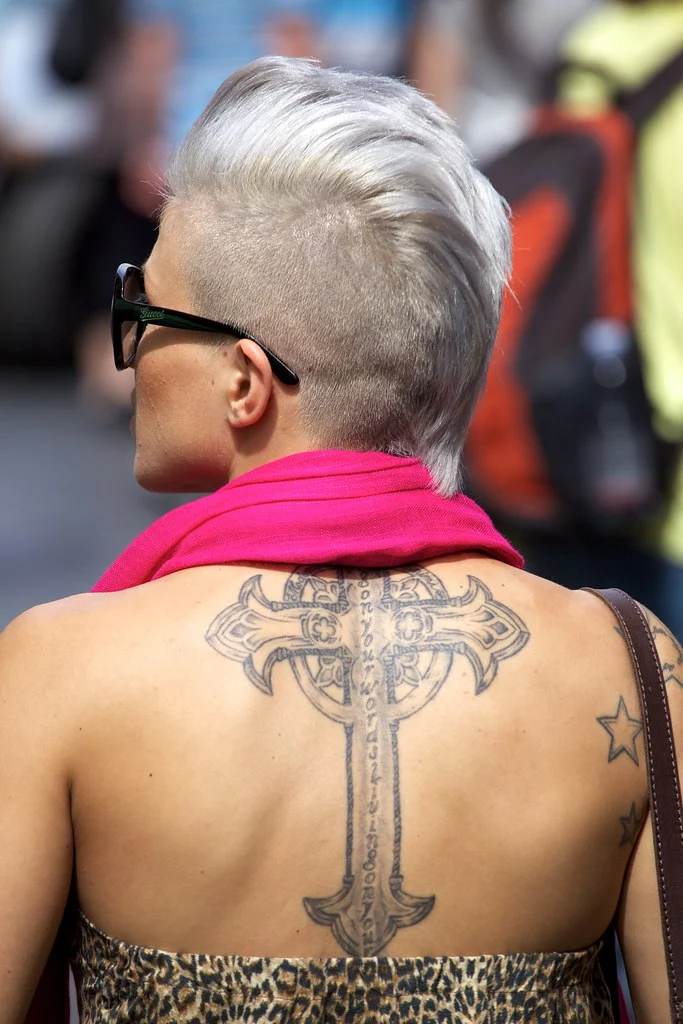
These questions matter whether you are a professional photojournalist, a hobbyist street photographer, a wedding photographer, or a wildlife enthusiast with a long lens. This guide explores the ethical considerations that every photographer should think about, from photographing strangers to manipulating images to respecting cultural boundaries.
Photographing Strangers and Consent
In most countries, you have the legal right to photograph people in public spaces without their permission. But legal permission and ethical behavior are not the same thing. The fact that you can photograph someone does not always mean you should.
Street photography has a long tradition of candid, unposed images of people in public. Photographers like Henri Cartier-Bresson, Vivian Maier, and Garry Winogrand built their life’s work on this approach. The candid moment, captured without the subject’s awareness, often reveals a truth about human behavior that posed photographs cannot. There is genuine artistic and documentary value in this tradition.
At the same time, consider the power dynamic. You are choosing to photograph someone. They have not chosen to be photographed. Respect this imbalance. If someone notices you and clearly objects, whether through a gesture, a word, or a facial expression, put your camera down. Do not argue about your legal right to shoot in public. No photograph is worth making another person feel violated or unsafe.
Be especially thoughtful about photographing vulnerable people: those who are homeless, mentally ill, elderly, or in distress. These subjects can produce powerful images, but they can also be exploitative. Ask yourself whether your photograph dignifies the person or uses their suffering for your artistic purposes. If you would not want to show the image to the person in it, reconsider taking it.
When photographing children, extra caution is warranted. Many parents are uncomfortable with strangers photographing their kids, and rightfully so. In most situations, seek the parents’ permission before photographing children. At public events where photography is expected (festivals, sporting events, school performances), the expectations are different, but remain aware of parental concerns.
When in doubt, ask permission. Approaching a stranger and saying “I love the light right here, would you mind if I took your photo?” transforms the dynamic from secretive to collaborative. Many people are flattered. Some say no, and that is fine. The interaction itself can lead to a more genuine, connected portrait than a candid ever could.
Cultural Sensitivity and Travel Photography
When you travel with a camera, you enter cultures with different norms about photography, privacy, and representation. What feels normal in your home country may be deeply offensive elsewhere. Learning about local customs before you start shooting is not just polite. It is essential.
In many cultures, photographing people without permission is considered rude or aggressive. In some communities, photography of religious ceremonies, sacred sites, or certain individuals is forbidden entirely. In others, people may expect payment for being photographed. These expectations are not obstacles to your travel photography. They are part of the cultural context you are entering, and respecting them is part of being a responsible visitor.
Avoid the “human safari” mentality of pointing your camera at people as if they are exhibits. The person selling fruit at a market is not a prop for your portfolio. They are a human being with their own life, dignity, and feelings about being photographed. Engage with people. Learn a few words in the local language. Buy something from their stall. Ask permission with a smile and a gesture. These small acts of respect transform the experience for both you and your subject.
Be thoughtful about how you represent other cultures in your images. Poverty, illness, and hardship exist everywhere, but reducing an entire community to its struggles is reductive and often harmful. If you photograph difficult conditions, also photograph joy, beauty, resilience, and everyday life. Show the full picture, not just the parts that confirm stereotypes or provoke emotional reactions.
Photo Manipulation and Truthfulness
Every photograph involves choices that shape reality. The frame you choose, the moment you press the shutter, the composition you select, these all present a particular version of the truth. But there is a meaningful difference between the inherent selectivity of photography and deliberate manipulation that misrepresents reality. Check out our photo retouching ethics for more details.
For photojournalism and documentary photography, the standard is clear: do not alter the content of your images in ways that change what happened. Removing objects, adding elements, or combining multiple photos to create a scene that never existed violates the trust between photographer and viewer. Basic adjustments like exposure, contrast, and color correction are standard practice. Moving or removing content is not.
For commercial, portrait, and artistic photography, the rules are different. Retouching skin in a portrait, compositing a dramatic sky into a landscape, or creating entirely fictional scenes through digital manipulation are all legitimate creative techniques when presented honestly. The ethical line is transparency. If you present a manipulated image as a straight photograph, you are being deceptive.
Body retouching in portrait and fashion photography deserves special attention. There is a difference between removing a temporary blemish and fundamentally altering someone’s body shape, skin color, or features. Excessive retouching contributes to unrealistic beauty standards and can make subjects feel that their real appearance is not good enough. Many photographers now take a “less is more” approach to retouching, preserving skin texture, body shape, and natural features while making minimal corrections. Understanding editing fundamentals helps you develop your own ethical approach to retouching.
Wildlife and Environmental Ethics
Wildlife photography carries unique ethical obligations because your subjects cannot consent and your presence can cause real harm. The fundamental rule is simple: the welfare of the animal always takes priority over the photograph.
Do not approach animals closer than recommended distances. Use a long lens to maintain a safe gap. If an animal changes its behavior because of your presence (moves away, becomes agitated, abandons a nest), you are too close. Back off. The image is not worth the disturbance. This is especially critical during nesting, breeding, and feeding periods when animals are most vulnerable.
Never bait, lure, or provoke wildlife for a photograph. Playing predator sounds to attract birds, using food to draw animals to a specific location, or deliberately flushing animals so they fly or run for a dramatic shot are all harmful practices. They stress the animals, alter their natural behavior, and can attract them to dangerous areas. The practice of sharing exact GPS locations of rare species on social media has led to harassment of animals and destruction of habitat as photographers converge on a single location.
Drone photography introduces additional concerns. Drones disturb birds and wildlife, especially at altitude where animals may perceive them as predators. Many parks and wildlife areas restrict or prohibit drones for this reason. Even where drones are legal, consider whether the aerial perspective is worth the disturbance to animals in the area. Fly quietly, maintain distance, and do not chase or follow animals with your drone.
Environmental impact extends beyond wildlife. Stay on marked trails to protect fragile vegetation. Do not trample wildflowers or delicate ecosystems for a composition. Do not rearrange natural elements. Leave every location exactly as you found it. The outdoor photography community’s reputation depends on every individual photographer acting as a responsible steward of the environment.
Copyright, Sharing, and Using Others’ Work
As a photographer, you benefit from copyright protection. You also have an obligation to respect the copyright of others. Using someone else’s photograph without permission, whether in a blog post, a social media share, or a commercial project, is both illegal and disrespectful of the creator’s work and livelihood.
Credit the photographers whose work you share. Even when sharing is technically allowed (through social media sharing features, for example), tagging and crediting the original photographer is the right thing to do. Many photographers support themselves through their images, and uncredited sharing undermines their ability to earn a living.
Be honest about your own work. Presenting heavily AI-generated or AI-altered images as your original photography is misleading. If you use AI tools in your creative process, be transparent about it. The photography community values authenticity, and deception erodes trust for everyone. Similarly, entering AI-assisted images in photography competitions without disclosure is dishonest and has led to high-profile controversies.
Protect the privacy of your subjects when sharing images. If you photograph people in sensitive or private moments, consider whether publishing those images could cause harm. A photograph taken with permission at a private event is not necessarily appropriate for public sharing. When in doubt, ask the subjects before posting.
Common Mistakes in Photography Ethics
Confusing legal rights with ethical behavior. Just because you can legally photograph something does not mean you should. Laws set the minimum standard of acceptable behavior. Ethics asks you to consider a higher standard: what is kind, respectful, and responsible.
Prioritizing the shot over the subject. When you start thinking “I need this photo” rather than “Is this photo appropriate,” you have crossed a line. The best photographers know when to lower their camera. The discipline to not take a photo is as important as the skill to take one.
Assuming your perspective is universal. What seems like a harmless photo to you might be deeply offensive to the person in it or the culture it depicts. When photographing people from different backgrounds, your assumptions about what is acceptable may not apply. Listen, observe, and ask.
Ignoring the impact of sharing. A photograph shared online can reach millions of people in hours. Consider the potential consequences before you post. Could this image embarrass someone? Could it endanger someone? Could it contribute to a harmful narrative? Once an image is on the internet, you cannot take it back.
Dismissing ethics as a limitation. Ethical constraints are not obstacles to creativity. They are guardrails that push you toward more thoughtful, respectful, and ultimately more powerful work. The photographers who produce the most enduring images are those who engage deeply and respectfully with their subjects.
Try This: Ethics Reflection Exercises
Exercise 1: The Permission Experiment. Spend an afternoon doing street photography with one rule: ask permission before every photo. Approach at least 10 strangers, explain that you are a photographer, and ask if you may take their portrait. Notice how the interaction changes the resulting image compared to candid shooting. Notice how people respond and how asking permission makes you feel. This exercise builds empathy and communication skills while teaching you that connection with your subject often produces better images than stealth.
Exercise 2: The Edit Audit. Review the last 20 images you shared publicly (on social media, your website, or elsewhere). For each image, ask: Would the person in this photo be happy to see it? Did I have permission? Does this image represent the subject fairly? Is the editing honest? This retrospective exercise reveals your current ethical habits and identifies areas where you might want to reconsider your approach.
Exercise 3: The Other Side. Have someone photograph you for an hour without your control over the images. Let them choose the angles, the moments, and the compositions. Review the images together. Notice how it feels to be the subject rather than the photographer. Notice which images you like and which make you uncomfortable. This reversal of roles builds empathy for your own subjects and gives you direct experience of what it feels like to be photographed without control.
Photography ethics is not about restricting what you do. It is about doing it thoughtfully. Every photograph you take, share, or sell reflects your values as a person and as a photographer. Building a practice grounded in respect, honesty, and consideration for others will not limit your creativity. It will deepen it. The most powerful photographs are made by photographers who care about their subjects as much as they care about their images.