Sports photography is one of the most technically demanding and exhilarating genres in photography. Freezing a sprinter at full stride, capturing the expression on a goalkeeper’s face during a save, or showing the grace of a gymnast mid-flight requires a combination of fast reflexes, technical knowledge, and the ability to anticipate moments before they happen.
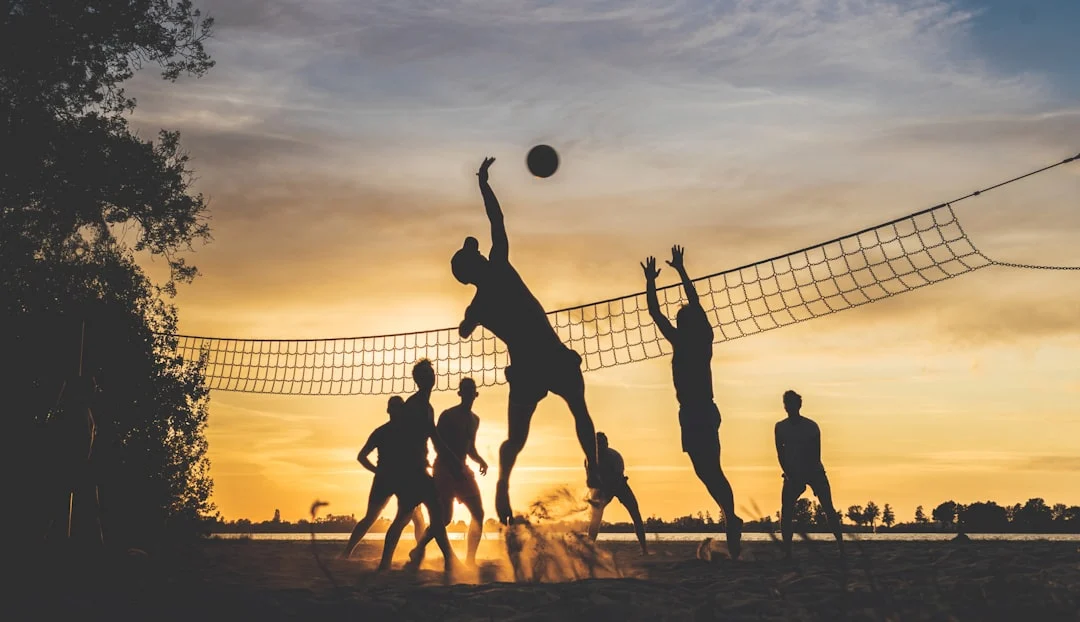
This guide covers the essential techniques for capturing compelling action photographs, whether you are shooting professional athletics, youth leagues, or informal recreational sports.
Go deeper:
Camera Settings for Fast Action
The foundation of sports photography is a fast shutter speed. To freeze most athletic action, you need a minimum of 1/500th of a second. For very fast sports like tennis serves, basketball drives, or sprint finishes, use 1/1000th of a second or faster. These speeds eliminate motion blur and capture sharp, decisive moments.
Starting shutter speeds to freeze motion, assuming the subject crosses the frame. Subjects coming toward you can be frozen about one stop slower; a longer lens or a closer subject needs faster.
| Subject | Freeze it at |
|---|---|
| People walking | 1/250 |
| Runners, children playing | 1/500 to 1/1000 |
| Field sports, cycling, surfing | 1/1000 to 1/2000 |
| Motorsport, birds in flight | 1/2000 to 1/4000 |
| Panning to blur the background | 1/30 to 1/125 |
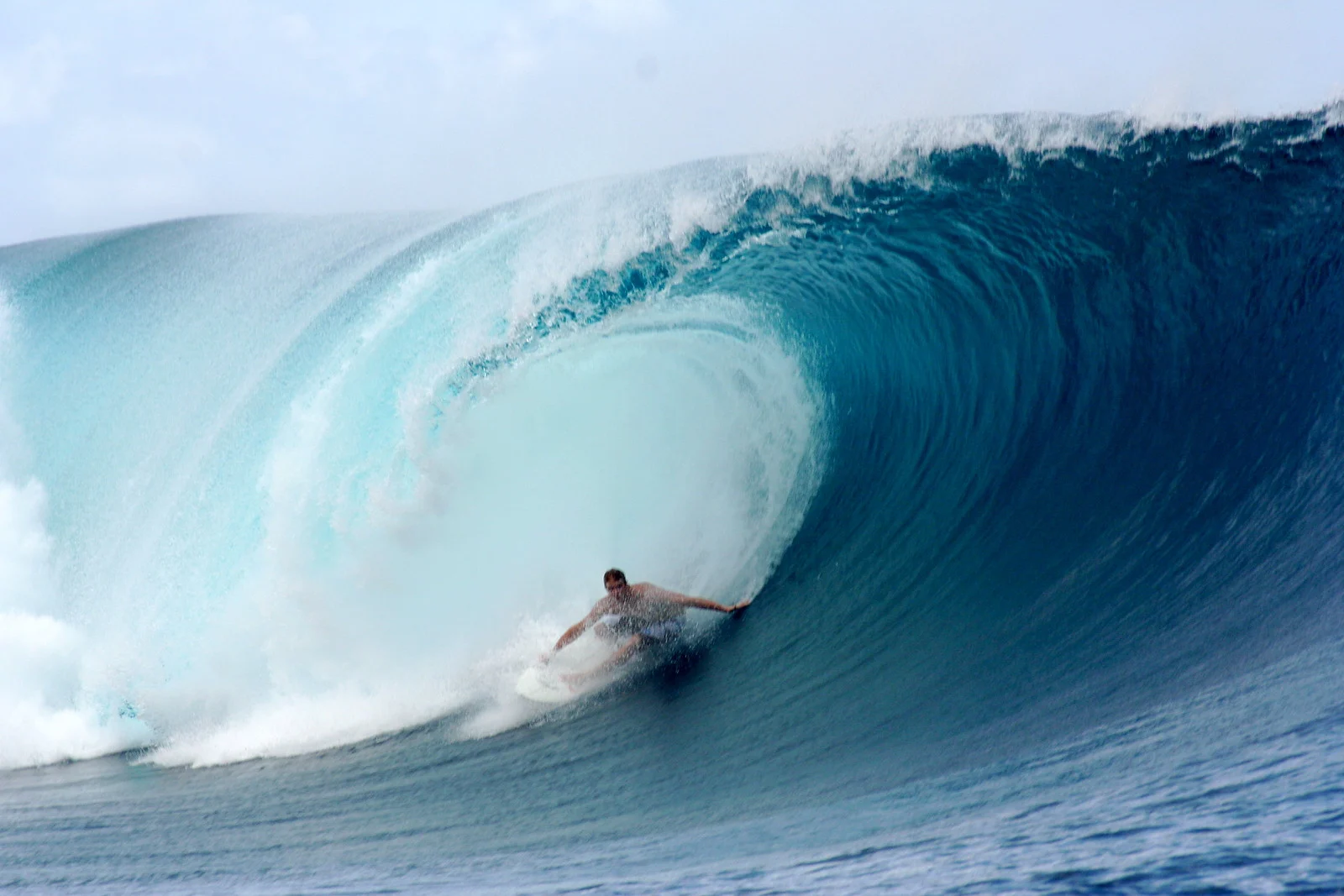
Want the other challenges? The full camera simulator has all 21, across eight scenes.
Set your camera to Shutter Priority mode or Manual mode. In Shutter Priority, set your minimum shutter speed and let the camera adjust the aperture. In Manual, set both shutter speed and aperture, then use Auto ISO to handle changing light conditions. Check best camera settings for sports for detailed starting points by sport.
Set your camera to its fastest continuous shooting mode (burst mode). Sports moments last fractions of a second, and shooting 8-20 frames per second dramatically increases your chances of capturing the peak moment. Modern cameras with large buffers can sustain high-speed bursts for dozens of frames.
Autofocus for Moving Subjects
Reliable autofocus tracking is critical for sports. Set your camera to Continuous AF (AI Servo on Canon, AF-C on Nikon/Sony). This mode continuously adjusts focus as your subject moves, keeping them sharp frame after frame. Single-shot AF, which locks focus on a single press, cannot keep up with moving athletes.
Use a single focus point or a small group of focus points rather than full-area auto-selection. This gives you control over which part of the frame the camera focuses on. Position the active focus point on the athlete and track them through the viewfinder.
Modern cameras with eye detection and subject tracking can follow athletes across the frame automatically. If your camera offers these features, test them in the specific sport you are shooting. They work well for sports with predictable movement (track and field, swimming) but may struggle with chaotic, multi-subject sports (soccer, basketball) where athletes overlap frequently.
Anticipating the Peak Moment
The best sports photographs capture the peak of the action: the instant of contact between bat and ball, the apex of a jump, the moment of greatest effort or emotion. Capturing these moments requires anticipation, not just fast reactions.
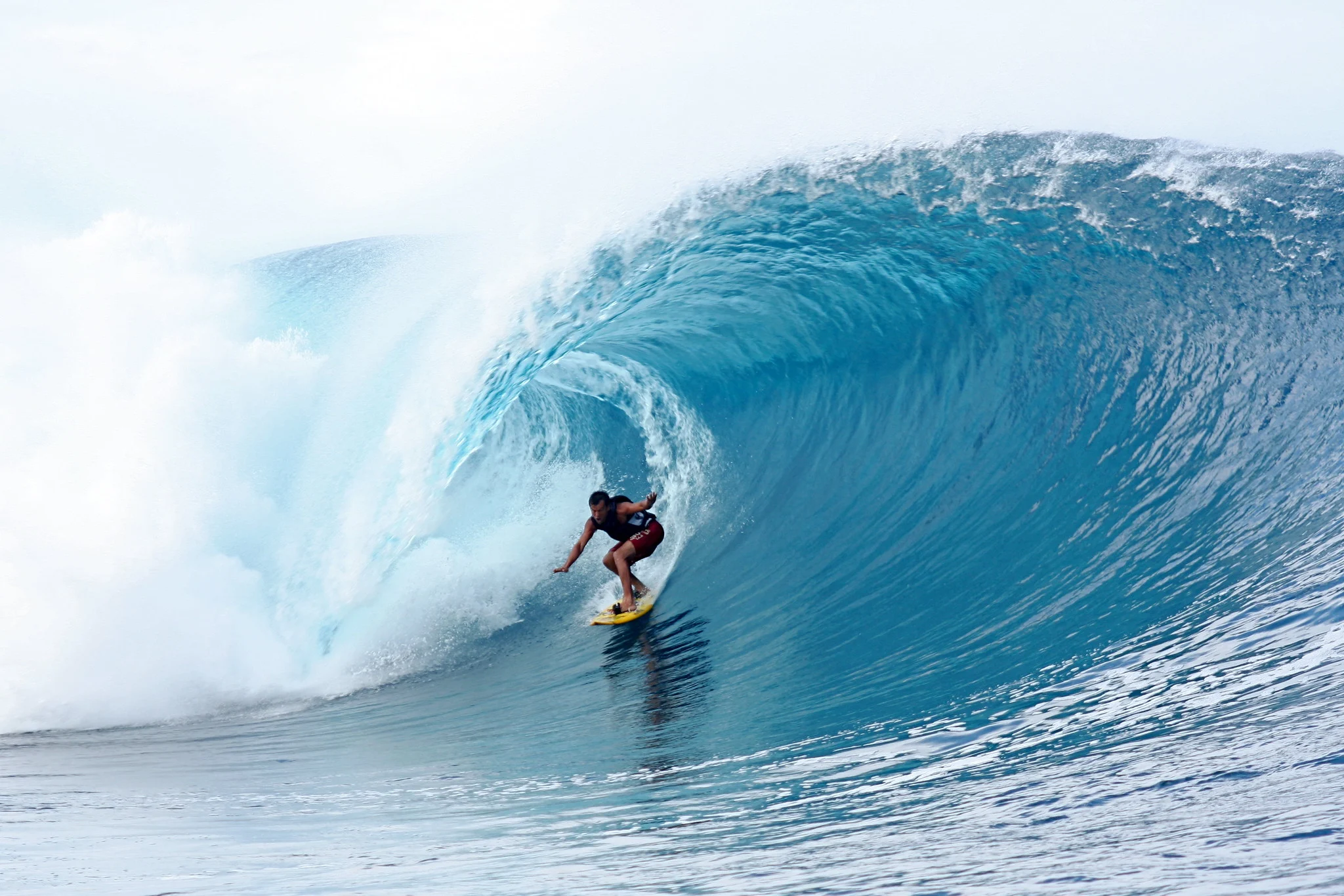
Learn the sport. Understanding the flow and rules of the game helps you predict where action will happen and when peak moments are likely to occur. A basketball photographer knows to focus on the basket during a fast break. A soccer photographer anticipates corner kicks and penalty shots.
Pre-focus on locations where action will occur. If you know a runner will cross a finish line, focus on that spot and wait. If you know a batter will swing, focus on the strike zone. This reduces the burden on your autofocus system and increases your success rate.
Watch the athletes’ bodies for cues. A pitcher’s wind-up, a long jumper’s approach stride, a tennis player’s weight shift before a serve, all signal that action is about to happen. Start shooting before the peak moment. By the time you react to seeing the moment, it is already past. Anticipate and shoot through the action.
Panning for Motion Blur Backgrounds
Panning is a technique where you track a moving subject with your camera during a slower shutter speed. The subject remains relatively sharp while the background blurs into horizontal streaks, conveying a powerful sense of speed and movement.
Use a shutter speed of 1/30th to 1/125th of a second, depending on the subject’s speed. Faster subjects need slightly faster shutter speeds. Track the subject smoothly through the viewfinder and press the shutter while maintaining the panning motion. Continue panning after the shutter closes for a smooth follow-through.
Panning requires practice. Your success rate will be low at first, with many blurry failures for every sharp result. This is normal. The technique rewards persistence, and the results, a tack-sharp cyclist or runner against a streaked background, are worth the effort.
Positioning and Vantage Points
Your position relative to the action determines the quality of your images. A great vantage point with average equipment will produce better results than average positioning with great equipment.
Shoot at field level when possible. Eye-level images with the athletes create an intimate, immersive perspective. Shooting from elevated positions (bleachers, press boxes) produces a removed, observational feel that works for showing formations and context but lacks the visceral impact of field-level shots.
Position yourself where the action comes toward you or passes across your field of view. Subjects moving toward the camera are easier to track with autofocus than subjects moving perpendicular to the camera. End zones, goal lines, and finish lines are classic positions because action converges on these points.
Arrive early to scout the venue. Check the light direction, identify the best positions, and note any obstructions (poles, fences, other photographers) that could block your view. Being prepared before the action starts means you can focus entirely on capturing it once it begins.
Indoor vs. Outdoor Sports
Outdoor sports in daylight are the easiest conditions for sports photography. Abundant light lets you use fast shutter speeds with low ISO for clean, sharp images. Use the sun’s position to your advantage: side lighting creates depth and dimension on athletes’ bodies.
Indoor sports are significantly more challenging. Gymnasium and arena lighting is dimmer and often mixed in color temperature. You will need to push ISO higher (3200-12800), use wider apertures (f/2.8), and accept some noise in exchange for fast enough shutter speeds. Flash is typically prohibited at sports events because it can distract athletes.
Under artificial lighting, set a custom white balance to avoid the green or orange color casts common in indoor venues. Shooting in RAW gives you more flexibility to correct white balance in post-processing.
Capturing Emotion Beyond the Action
The most memorable sports photographs often show emotion rather than peak action. A player’s celebration after scoring, the dejection of defeat, the embrace of teammates, the concentration before a pivotal moment, these human elements give sports photography its power.
Keep shooting during breaks in play. Timeouts, halftime, warm-ups, and post-game moments often produce the most expressive images. Athletes’ faces reveal the emotional intensity of competition in ways that action shots cannot.
Do not focus exclusively on the star players. Bench reactions, coaching moments, and crowd emotions all contribute to the story of a sporting event. A wide-ranging selection of images tells a complete narrative.
Common Mistakes
Using too slow a shutter speed. Even 1/250th of a second is often not fast enough for athletic action. When in doubt, go faster. A slightly noisy image at ISO 6400 with a fast shutter speed is better than a smooth, blurry image at ISO 800.
Shooting from only one position. Move around the venue throughout the event. Different angles and perspectives create variety in your coverage. The same game looks completely different from behind the goal versus along the sideline.
Waiting for “the moment” instead of shooting through action. Sports moments happen in milliseconds. If you wait until you see the peak moment to press the shutter, you have already missed it. Shoot in bursts through the entire action sequence and select the best frame afterward.
Ignoring the background. A cluttered background with spectators, signage, and competing visual elements weakens the impact of an otherwise strong action shot. Use wider apertures to blur the background, or choose positions where the background is clean and uncluttered.
Frequently Asked Questions
What focal length do I need for sports?
It depends on your distance from the action. A 70-200mm lens covers most situations where you can get close to the field. For larger venues like football stadiums or outdoor tracks, a 100-400mm or 200-600mm lens is needed. For basketball at a small gym, even a 24-70mm can work from courtside.
Can I shoot sports with a kit lens?
A kit lens (typically 18-55mm or 55-200mm with maximum aperture f/5.6) can work for sports in bright outdoor light. The slow maximum aperture becomes a significant limitation in indoor or low-light situations, where you need faster lenses (f/2.8 or wider) to maintain fast shutter speeds without excessive ISO.
How do I get sharp action photos in low light?
Use the widest aperture available, push ISO as high as your camera handles acceptably, and maintain the fastest shutter speed you can. Post-processing noise reduction can clean up high-ISO grain. If shutter speed drops below 1/500s, accept that some images will have motion blur and shoot many frames to increase your chances of sharp ones.
Do I need a monopod for sports photography?
A monopod is highly recommended for long telephoto lenses (300mm and above). It supports the weight of the lens during extended shooting sessions and provides stability without the bulk and setup time of a tripod. For shorter lenses, handheld shooting is typically fine. Most professional sports photographers use monopods as a standard part of their kit.