Visual literacy is the ability to read, interpret, and understand images the way you read and interpret text. For photographers, it means going beyond “I like this photo” or “I don’t like this photo” and developing the ability to articulate why an image works, what choices the photographer made, and how the image communicates meaning.
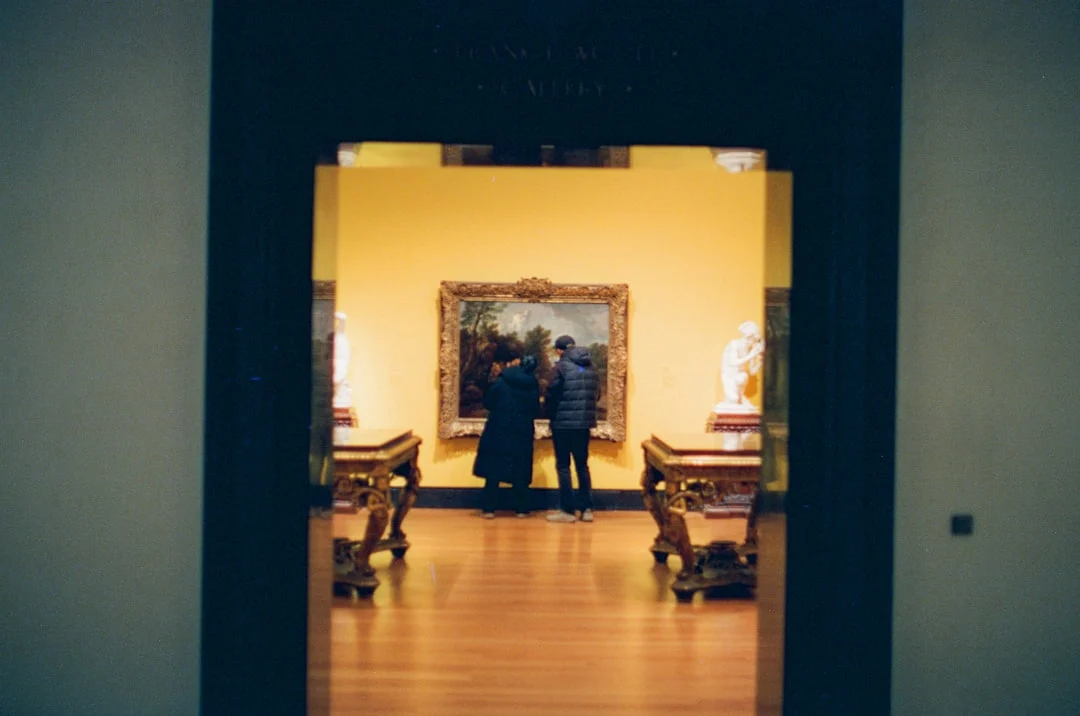
Developing visual literacy transforms you as both a viewer and a creator of photographs. When you can analyze images critically, you begin to see the decisions behind every photograph: the Photography Composition, the Photography Lighting, the moment chosen, and the story being told. This analytical ability feeds directly into your own photographic practice.
What Visual Literacy Is
Visual literacy encompasses several related skills: the ability to observe carefully, to identify the elements within an image, to understand how those elements work together, and to interpret the meaning they create. It is a form of critical thinking applied to images.
A visually literate person can look at a photograph and identify not just what is depicted (a man on a street, a mountain at sunset) but how it is depicted. They notice the quality of light, the framing choices, the relationships between elements, the use of color or its absence, and the overall design of the image. They can then connect these observations to the meaning or feeling the image conveys.
How to Read a Photograph
Reading a photograph means examining it systematically. Here is a framework for analyzing any photograph.
Subject
What is the photograph of? This seems obvious, but looking deeper reveals layers. Is the subject a person, a place, an event, an emotion? Is the obvious subject the true subject, or is there something else being communicated beneath the surface?
Light
How is the scene lit? The quality, direction, and color of light profoundly shape the mood and meaning of a photograph. Harsh, direct light creates a different feeling than soft, diffused light. Natural Light Photography in the Golden Hour Photography carries warmth and nostalgia. Cold, flat light feels clinical or lonely.
Composition
How is the frame organized? Where is the subject placed? What is included and what is excluded? Compositional tools like Rule Of Thirds, Leading Lines, and Negative Space guide the viewer’s eye and create visual structure. A centered subject feels stable. An off-center subject creates tension or dynamism.
Wondering how the eye sorts a scene into subject and background? Design principles in photography covers figure-ground and how gestalt principles group a scene.
Technical Choices
What technical decisions did the photographer make? A shallow Depth Of Field isolates the subject and directs attention. A slow Shutter Speed introduces motion blur, suggesting movement or time passing. A wide-angle lens distorts perspective and emphasizes foreground elements. Each technical choice is a creative statement.
Context
When and where was the photograph made? Who made it and why? Context changes how we interpret images. A photograph of a crowd means different things depending on whether it was taken at a celebration, a protest, or a disaster. Understanding context is essential for accurate reading.
Denotation vs. Connotation
In visual analysis, denotation refers to the literal content of an image: what is objectively depicted. A photograph of a dog by a fence is, denotatively, a picture of a dog by a fence.
Connotation refers to the associations, feelings, and ideas the image suggests. The same dog by a fence might connote loyalty, loneliness, confinement, home, security, or abandonment, depending on how it is photographed. The lighting, the composition, the expression, and the context all shape the connotation.
Strong photographs create a gap between denotation and connotation that the viewer fills with their own interpretation. This is what makes a photograph compelling rather than merely descriptive.
Semiotics in Photography
Semiotics is the study of signs and symbols. In photography, visual elements function as signs that carry meaning beyond their literal appearance.
A photograph of a wilting flower is literally a picture of a plant. Semiotically, it can signify mortality, the passage of time, fragility, or neglect. The photographer’s choices about lighting, angle, focus, and context shape which meaning dominates.
Understanding semiotics helps you create photographs that communicate more effectively. When you are aware that visual elements carry symbolic weight, you can choose to emphasize, subvert, or play with those associations in your own work.
Want to see how symbols and emotional cues carry a story? Photography as a visual language covers symbolism, framing and emotional cues.
Understanding Photographer Intent
Every photograph is the result of choices: where to stand, what to include, how to expose, when to press the shutter. Understanding photographer intent means reconstructing those choices from the finished image.
Ask yourself: Why did the photographer choose this moment? Why this framing? Why this light? What story are they telling? What do they want me to feel? Sometimes the intent is straightforward: document an event, capture a beautiful scene. Sometimes it is more complex: provoke a reaction, challenge assumptions, reveal something hidden.
You may not always be able to determine intent with certainty, and that is fine. The exercise of considering intent deepens your engagement with the image and develops your ability to make intentional choices in your own photography.
Cultural Context and Meaning
Photographs do not exist in a vacuum. They are made and viewed within specific cultural contexts that shape their meaning. The same image can be read very differently by viewers from different backgrounds, time periods, or communities.
A photograph that seems straightforward may carry complex cultural significance. Family snapshots from past decades become historical documents. Commercial photographs reflect and shape cultural ideals. Documentary photographs can challenge or reinforce power structures.
Being aware of cultural context makes you a more sensitive and thoughtful photographer. It also helps you understand how your own photographs might be received by audiences with different perspectives.
Curious how different eras shaped what photographs were meant to do? Photography movements covers pictorialism, straight photography, humanist documentary and the ideas behind each.
Analyzing Famous Photographs: A Framework
Studying famous photographs is one of the best ways to develop visual literacy. Here is a framework you can apply to any significant photograph.
- First impression. What do you notice immediately? What is the emotional impact?
- Description. Describe the image objectively. What is literally depicted?
- Technical analysis. Examine the technical choices: light, composition, depth of field, perspective, color.
- Contextual analysis. Research the photographer, the time period, the circumstances. How does context affect meaning?
- Interpretation. What does the image mean? What ideas, emotions, or narratives does it convey?
- Evaluation. How effectively does the image communicate? What makes it work (or not work)?
Want to see one iconic photograph taken apart? Anatomy of an iconic photograph looks at the elements of greatness.
Developing Critical Thinking About Images
In an age of ubiquitous images, critical thinking about what you see is more important than ever. Visual literacy helps you evaluate the truthfulness, intent, and quality of the images you encounter daily.
- Question the source. Who made this image and why? What is their perspective or agenda?
- Consider what is excluded. What was outside the frame? What happened just before or after? A photograph is always a selective view.
- Evaluate manipulation. Has the image been edited, cropped, or altered to change its meaning? How does editing change the story?
- Recognize visual rhetoric. Images in advertising, news, and social media use visual techniques to persuade. Recognizing these techniques helps you evaluate images critically.
- Compare multiple images. Different photographs of the same subject can tell very different stories. Comparing multiple perspectives reveals the choices each photographer made.
Where does editing end and altering the meaning begin? Photo retouching ethics covers journalism standards, disclosure and AI-generated content.
Applying Visual Literacy to Your Own Photography
The ultimate benefit of visual literacy for photographers is that it improves your own image-making. When you can articulate what makes a photograph effective, you can apply those principles to your own work.
- Edit more critically. When reviewing your images, apply the same analytical framework you use for other photographs. Which of your images communicates most effectively? Why?
- Make intentional choices. Instead of relying on intuition alone, consciously choose your compositional approach, your lighting, and your technical settings to serve your message.
- Develop a personal vision. As you study what works in other photographers’ images, you develop a clearer sense of what you want to communicate in your own work.
- Seek meaningful feedback. When sharing your work for critique, ask specific questions based on visual literacy concepts. Instead of “Do you like this?”, ask “Does the composition guide your eye where I intended?”
Common Mistakes
- Confusing technical quality with visual quality. A technically perfect image (sharp, well-exposed, good color) can be visually boring. A technically imperfect image can be visually powerful. Technical quality serves visual quality, not the other way around.
- Only analyzing what you like. Study images that you do not like as well. Understanding why an image fails teaches you as much as understanding why an image succeeds.
- Ignoring context. Viewing photographs without any context limits your understanding. Research the photographer, the time period, and the purpose of the image.
- Being overly academic. Visual literacy should enhance your enjoyment and understanding of images, not drain them of feeling. Analysis and emotional response should complement each other.
- Not practicing regularly. Visual literacy is a skill that requires regular practice. Make it a habit to analyze at least a few images every week.
Try This: Visual Literacy Exercises
- Choose a famous photograph and spend 10 minutes analyzing it using the framework above. Write down your observations. Then research the image and compare your analysis to the photographer’s stated intent.
- Open a photography magazine or website. Select three images at random. For each one, describe: What is the subject? How is the light used? What compositional choices were made? What mood is created?
- Take three photographs of the same subject, each telling a different story. Change your angle, lighting, composition, or timing to shift the narrative. Ask someone else to describe what each image communicates.
- Find two photographs of the same event or subject by different photographers. Analyze the differences. How do the photographers’ choices shape different interpretations of the same subject?
Frequently Asked Questions
Do I need formal training to develop visual literacy?
No. While art and photography courses can accelerate learning, you can develop visual literacy through self-study. Read about photographic analysis, practice analyzing images regularly, and seek out discussions about photographs.
How is visual literacy different from knowing photography rules?
Knowing the rule of thirds or leading lines is technical knowledge. Visual literacy is the ability to understand why and when those techniques are effective, and to recognize how they contribute to meaning. It is about understanding images, not just making them.
Can visual literacy make me a better photographer?
Yes. Understanding how images communicate makes you more intentional about your own image-making. You begin to compose, light, and edit with purpose rather than relying on trial and error.
Should I study paintings and other art forms too?
Absolutely. Painting, cinema, graphic design, and photography share many visual principles. Studying composition in Renaissance paintings, lighting in cinema, or layout in graphic design all develop transferable visual literacy skills.
How does visual literacy relate to photo editing?
Visual literacy helps you make better editing decisions. When you can articulate what an image needs, you can adjust your processing to achieve that goal. Instead of randomly moving sliders, you edit with intention.