The Portrait Photographer’s Mindset
There is a fundamental difference between taking a picture of someone and making a portrait. A snapshot records a person’s presence. A portrait reveals something about who they are. The shift from one to the other is less about technical skill and more about intention. You have to decide, before you press the shutter, what you want this image to say about your subject.
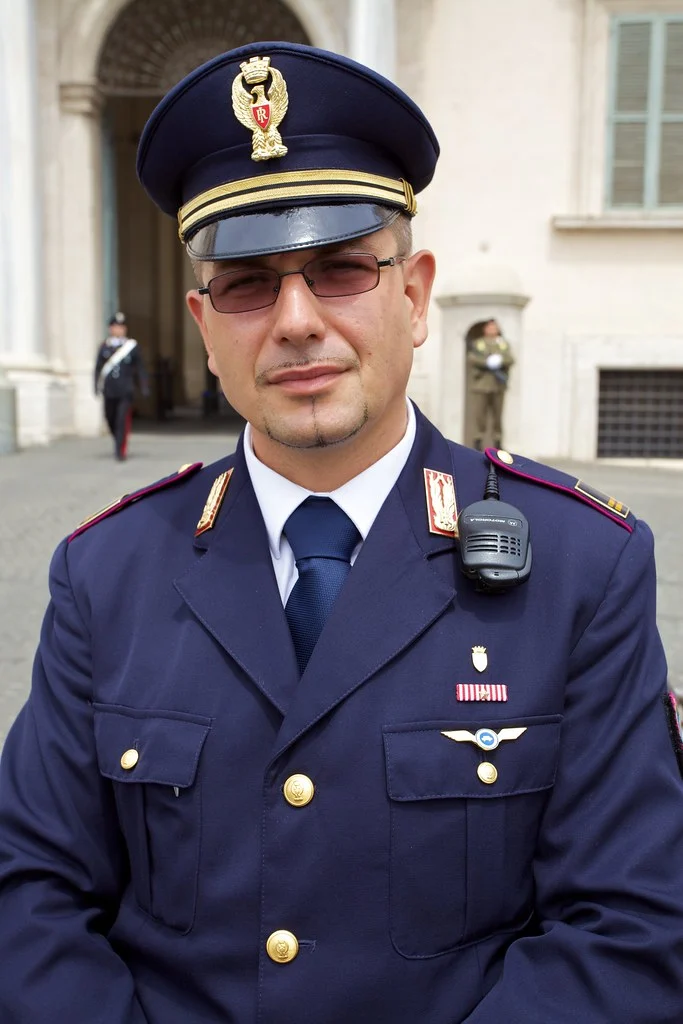
Think about the portraits that have stayed with you over the years, the ones you remember from galleries, books, or even family albums. What makes them stick? Almost always, it is a sense of connection. The subject seems present, alive, caught in a moment of genuine feeling. That kind of image does not happen by accident. It comes from a photographer who is paying attention, not just to light and composition, but to the human being in front of the lens.
Portraits generally fall into three broad categories. Candid portraits capture people in unguarded moments, on the street, at an event, in the middle of daily life. Environmental portraits show a person in a setting that tells part of their story: a chef in their kitchen, a musician with their instruments, a gardener among their flowers. Formal portraits are more directed, often with controlled lighting and a deliberate pose. Each approach has its strengths, and most portrait photographers move between all three depending on the situation.
What unites all good portrait work is the photographer’s ability to connect with their subject. Photography is, at its core, a social act when people are involved. Your energy, your body language, and the way you communicate will shape the mood of the session and, ultimately, the images you create. If you are tense, your subject will be tense. If you are relaxed and genuinely interested in them, that ease will show in the photographs.
Self-awareness matters in portrait photography more than in almost any other genre. Your mood, your confidence, and your preparedness all transfer directly to your subject. Before a portrait session, take a few minutes to center yourself. Know your equipment well enough that you can operate it without thinking. Have a loose plan for the session so you are not fumbling for ideas. When your technical and logistical worries are handled, you can give your full attention to the person in front of you, and that attention is what makes the difference between a good portrait and a great one.
Choosing and Using Locations
The location you choose for a portrait is never just a backdrop. It is part of the story. A portrait taken in a cluttered, colorful workshop says something entirely different from the same person photographed against a clean white wall. Before you think about camera settings or posing, think about what the location adds to the image.
Environmental portraits are particularly powerful because they give the viewer context. When you photograph a woodworker in their shop, surrounded by tools and sawdust, the image communicates their craft without a single word. Look for locations that have a natural connection to your subject, their home, their workplace, a place they love. Even a simple detail like a bookshelf or a window with a view can add narrative depth.
Light should be your primary consideration when scouting any location. The most beautiful setting in the world is useless if the light is harsh, flat, or unflattering. For indoor portraits, look for large windows that provide soft, directional light. North-facing windows (in the Northern Hemisphere) offer consistent, diffused light throughout the day. For outdoor portraits, open shade, under a tree, beside a building, beneath an overhang, gives you soft, even illumination without the squinting and hard shadows of direct sun.
When you scout a location in advance, pay attention to the background. A busy background competes with your subject for the viewer’s attention. Look for clean, simple backgrounds: a solid-colored wall, out-of-focus foliage, or a stretch of open sky. If you cannot find a clean background, remember that a wider aperture will blur distracting elements behind your subject, creating smooth bokeh that isolates the face. For a more thorough discussion of how to select camera settings for portrait work, visit the Portrait Photography hub page.
Consider the practical aspects too. Is the location quiet enough to have a conversation? Is there room to move around and try different angles? Will other people be walking through the frame? A little advance planning saves enormous time during the actual session.
Working with Your Subject
The most important skill in portrait photography has nothing to do with your camera. It is the ability to make another person feel comfortable, seen, and at ease. People who are not professional models are often self-conscious in front of a lens. They worry about how they look. They do not know what to do with their hands. They smile stiffly because they think they are supposed to. Your job is to move them past that discomfort and into something genuine.
Start before you even pick up the camera. Talk to your subject. Ask them about themselves, their work, their passions, something that lights them up. People relax when they are talking about things they care about, and that relaxation translates directly into better photographs. Keep the conversation going while you shoot. Share what you are seeing. Give genuine compliments. Say things like “that looks great” or “I love the way the light is hitting you right now.” People need feedback to feel confident.
When it comes to directing poses, the key word is guide, not command. Instead of telling someone to put their hand on their hip, try saying “lean slightly toward me and let your hands rest naturally.” Instead of “tilt your head,” try “imagine you are listening to someone telling you an interesting secret.” Giving people an emotion or an action to play usually produces more natural results than giving them a specific physical instruction.
Pay attention to the small things. Hand placement matters: clenched fists or awkwardly placed hands can ruin an otherwise beautiful portrait. Weight distribution matters: if your subject is standing with their weight evenly on both feet, they will look stiff. Ask them to shift their weight to one foot, angle their body slightly, and let their shoulders relax. These micro-adjustments make a significant difference.
Some of the best portrait moments happen between the “official” frames, when your subject thinks you have stopped shooting, when they laugh at something you said, when they glance away for a moment. Keep your camera ready during these transitions. The unguarded moments often have more life in them than any carefully directed pose.
Group portraits introduce additional challenges. Arranging multiple people so that everyone is visible, well-lit, and connected to each other requires patience. Stagger heights by having some people sit and others stand. Create physical connections, a hand on a shoulder, arms linked, to make the group feel cohesive rather than like a lineup. In larger groups, shoot several frames quickly because someone is almost always blinking or looking away.
Children and pets require a different approach entirely. Patience replaces direction. Instead of posing a child, create a situation where they are engaged and interested, and then photograph them in the middle of that engagement. Get down to their eye level rather than shooting from above. Let them play, explore, and forget about the camera. The best portraits of children are almost always candid rather than posed, and they require a photographer who is willing to follow the child’s energy rather than impose a structure on it.
Lens Choice and Framing for Portraits
The focal length you choose for a portrait changes the look and feel of the image in ways that go well beyond how much of the scene you capture. Shorter focal lengths (wide-angle lenses) exaggerate features closest to the camera, which can make noses look larger and faces appear distorted. Longer focal lengths compress the features, producing a more flattering and natural rendering of the human face. This is why moderate telephoto lenses, in the range of roughly 85mm to 135mm on a full-frame camera, have long been the preferred choice for portraiture.
But “preferred” does not mean “required.” Wide-angle lenses can produce striking environmental portraits where the subject is placed in context with their surroundings. A 35mm lens used at a comfortable distance gives you a portrait that feels intimate and documentary, as though the viewer is standing right there. The key is understanding what each focal length does and choosing deliberately.
Framing is equally important. A headshot, framed from the chest or shoulders up, puts all the emphasis on the face and expression. A three-quarter framing, from roughly mid-thigh up, includes body language and some context. A full-length portrait shows the whole person, often incorporating their environment and posture as part of the story. Each framing tells a different kind of portrait story, and you should try all three during any session.
Depth of field is one of the portrait photographer’s most powerful tools. A wide aperture (f/1.8, f/2.8) creates a shallow depth of field that isolates your subject against a softly blurred background. This draws the viewer’s eye directly to the face and minimizes distracting elements behind the subject. However, be careful with extremely wide apertures at close range. With an 85mm lens wide open at a headshot distance, the depth of field can be so thin that one eye is sharp while the other falls out of focus. If in doubt, stop down to f/2.8 or f/4 for a little more forgiveness.
Where you focus matters immensely. In almost every portrait, the point of critical focus should be on the eye nearest to the camera. The eyes are where we look first when we see a face, and if they are not sharp, the entire portrait feels off. Many modern cameras offer eye-detection autofocus, which makes this easier. But even with older equipment, training yourself to lock focus on the near eye is a habit worth developing.
Portrait Lighting Essentials
You do not need a studio full of expensive lights to create beautiful portrait lighting. Some of the finest portrait photographs ever made used nothing more than a single window. Understanding how light falls on the human face, and how to control and shape it with minimal equipment, will elevate your portraits more than any piece of gear.
The simplest and most accessible portrait lighting setup is a large window with indirect light. Position your subject near the window so that the light falls on them from one side. This creates gentle shadows on the far side of the face, giving the image dimension and depth. The closer your subject is to the window, the softer and more directional the light becomes. Move them further away and the light wraps around more evenly but with less drama. Experiment with the angle: having your subject face the window directly gives flat, even lighting, while turning them at a 45-degree angle creates more shadow and sculpting.
If the shadows on the far side of the face are too deep, you can fill them with a simple reflector: a white piece of foam board, a bedsheet, or even a white wall opposite the window. Place the reflector on the shadow side to bounce some light back into the dark areas. This gives you a classic one-light portrait setup with beautiful, soft quality that rivals professional studio lighting.
As your confidence grows, start recognizing the classic portrait lighting patterns. Rembrandt lighting creates a small triangle of light on the shadowed cheek, produced by positioning the light source at roughly 45 degrees above and to one side of your subject. Split lighting illuminates exactly half the face, with the other half in shadow, dramatic and moody. Rim lighting (or back lighting) places the light behind your subject, creating a bright edge or halo around their hair and shoulders while the face falls into shadow or is filled with a secondary source. Each of these patterns creates a different emotional tone, and all of them can be achieved with a single window or a single lamp.
When working outdoors, the quality of the light changes dramatically throughout the day. The golden hour, the period just after sunrise or before sunset, bathes everything in warm, directional light that is naturally flattering for portraits. Overcast skies act like a giant softbox, providing even, diffused light with no harsh shadows. Direct midday sun, on the other hand, creates deep shadows under the eyes and nose and makes people squint. If you must shoot in bright sun, move your subject into open shade and use the sky as your light source.
One last thought on portrait lighting: do not be afraid of shadow. Beginning photographers often try to eliminate all shadows, resulting in flat, lifeless images. Shadows give a portrait dimension, mood, and drama. The question is not whether to have shadows, but where to place them and how deep to let them be. A face half in shadow can be more compelling than a face evenly lit, because the shadow creates mystery and draws the viewer in.
Practise It in the Simulator
Practise the portrait decision: open the aperture, zoom in and focus on the face, then compare how far the background falls apart at each focal length.
Try This: Portrait Exercises
The best way to grow as a portrait photographer is to photograph people as often as you can. These exercises will push you to practice the human connection, the location selection, and the technical skills we have covered in this lesson.
The Five-Minute Portrait
Ask a friend or family member to sit for you for just five minutes. Set up near a large window with available light. Your goal is to capture three distinctly different expressions: a neutral, contemplative look; a genuine laugh; and a moment of quiet thoughtfulness. Focus on making your subject comfortable with conversation and direction. Review the images afterward and notice which expressions feel the most alive.
Environmental Portrait
Photograph someone in a location that is meaningful to them, their workspace, their garden, a room in their home filled with things they love. Before you start shooting, spend a few minutes looking at the space and deciding how to incorporate it into the frame. The background should tell part of the subject’s story. Try both wide framing (showing the full environment) and tighter shots (where just a hint of the surroundings is visible).
Stranger Portrait (with Permission)
This exercise is about building courage and connection. Approach someone in a public place, a market, a park, a cafe, and ask if you may take their portrait. Be genuine, polite, and respectful if they say no. If they agree, take just a few frames and thank them sincerely. The goal is not to create a masterpiece but to practice the social courage that portrait photography demands. You may be surprised by how willing most people are to say yes when asked with warmth and respect.
The Lighting Comparison
Using a willing subject and a single window, create four different lighting setups in the same session. First, position your subject facing the window for flat, even light. Then turn them at 45 degrees for Rembrandt lighting. Next, turn them sideways for split lighting. Finally, move them so the window is behind them and photograph them as a silhouette or with rim light. Compare the four results side by side. Notice how each lighting pattern changes the mood, the drama, and the story the portrait tells, all without changing a single piece of equipment. Portrait photography is a lifelong practice of observation, empathy, and communication. The more you photograph people, the more naturally you will learn to read expressions, direct body language, and find the light that brings a face to life. Every portrait session teaches you something new about your subject, about your craft, and about yourself. If you want to explore the work of photographers who have mastered portraiture, study the images of Annie Leibovitz and August Sander, two photographers whose approaches to the human face could not be more different, yet whose work is equally powerful.