A photography mini session is a short portrait session, usually 15 to 20 minutes, sold as one of several back-to-back slots at one location on one date, with a small fixed set of edited images. To run them well, choose a spot with dependable light, build slots with buffers between them, price from the total hours the day really takes, take payment at booking, and shoot the same sequence for every client.
This guide covers the format itself: who it suits, how to pick a place, how to build the timetable, how to work out a price from costs and time, what the booking page must say, what to shoot in 15 minutes and how to deliver six galleries in one batch. General pricing models are compared in photography pricing methods, and the steps from first inquiry to signed booking are in photography client onboarding. This page goes further on what neither covers: fitting many short sessions into one stretch of good light and still earning a fair return on the hours.
What a mini session is and who it suits
You fix three things before anyone books: the place, the date and what the client receives. The client chooses only a time slot. Because every family comes to the same spot on the same day, you plan once, travel once, set up once and promote once, and those shared hours are divided among everyone who books.
A mini session is not a full session at a lower price. It is a different product with firm limits: a slot length, a maximum number of people, one location, no outfit changes and a set number of finished images. Leave any limit vague and the day runs late and the editing grows.
- A good fit: families who want one updated picture each year, returning clients between larger sessions, couples, a parent with one or two children, and people who have never hired a photographer and want a small commitment.
- A poor fit: babies in their first weeks, who need long, unhurried sessions; extended families too large to arrange in two minutes; anyone who wants several outfits or backgrounds. Say so on the booking page and offer those clients a full session.
It has to suit you too. Fifteen minutes leaves no time to experiment, so you must be able to direct quickly and get a usable group frame in the first few minutes. Practise the sequence below on friends before selling it.
Choosing a location and light that work for six families in a row
A spot that gives one lovely picture at one moment is not enough. The location must give flattering light on faces for the whole block, often two hours or more. In that time the sun moves along its path by about 15 degrees every hour, so shade that covered your spot for the first slot may have slid away by the fourth.
Two kinds of light hold up across a block:
- Open shade. Stand the family just inside the shade of a building, a wall or a dense line of trees, facing out toward open sky. The light is soft and even, nobody squints, and it changes slowly. Avoid thin tree cover that drops bright spots of sun on faces.
- Low sun from behind. Late in the day, put the sun behind the family. Every face is then in its own shadow, lit evenly by the sky in front, with a bright edge on hair and shoulders. Expose for the faces and let the background go bright. Golden hour photography explains when that light happens.
Then check the practical things that decide whether the day runs on time:
- Two or three backgrounds within a few steps, so you can vary the pictures without walking anyone across a park.
- A short, obvious walk from parking, and a meeting point you can mark with a map pin.
- Somewhere for the following family to wait, out of your frame and out of the current family’s eyeline.
- Safe, level ground for small children, away from roads and open water.
- Permission. Many parks and public lands require a permit for paid photography, and private land needs the owner’s consent. Rules differ from place to place, so ask whoever manages the site before you advertise a date.
Visit at the same time of day in the week before and stand where the families will stand. Note where the shade edge sits at the first planned slot and at the last. How to find and scout photography locations describes what to check on a scouting visit. Choose a wet-weather plan then too: a reserve date, or a covered spot nearby with usable light. An indoor space with large windows removes the weather risk, at the cost of a hire fee that goes into the price calculation below.
Building the time slots and buffer
Think in cycles, not sessions. One cycle is the shooting time plus a buffer. With 15 minutes of shooting and a 5 minute buffer, a cycle is 20 minutes and three fit in an hour. The buffer is not spare time. It absorbs a family that is three minutes late, a shoe that needs retying, the handover between groups, a battery check and a proper hello and goodbye.
Build the timetable backward from the end of the good light. Decide when the last session must finish, then count back one cycle at a time. Finishing about 10 minutes before sunset leaves a margin for running late. This example is for an evening when the sun sets at 7:00 pm, with a longer catch-up gap in the middle.
| Slot | Shooting | Gap afterward |
|---|---|---|
| 1 | 4:45 to 5:00 | 5 minutes |
| 2 | 5:05 to 5:20 | 5 minutes |
| 3 | 5:25 to 5:40 | 15 minutes for catching up, water and a card check |
| 4 | 5:55 to 6:10 | 5 minutes |
| 5 | 6:15 to 6:30 | 5 minutes |
| 6 | 6:35 to 6:50 | Margin before sunset at 7:00 |
Six sessions keep you on location for just over two hours, plus setting up. More slots are possible with a morning block and an evening block, or indoors, but patience with children runs down faster than batteries do.
A few rules keep the timetable intact:
- Ask families to arrive 10 minutes early, parked and ready to walk.
- End each slot at its end time. A late family gets the time that is left. State this before they book and hold to it kindly, or every later family pays for it.
- Offer the earliest slots to families with the youngest children when the block runs toward evening and bedtime.
- Photograph a card with the slot number as the first frame of every session. It makes sorting the files simple.
- Carry spares: a second battery, a second memory card and, if you have one, a second camera.
A pricing method for short sessions
The common error is to price by shooting minutes: a quarter of the time, so a quarter of the full-session price. But shooting is the smallest part of the work. Add up every hour the event takes and every cost it creates, then divide by the number of slots you expect to sell.
Count the hours
Some hours are fixed for the event and others repeat for each client. This example uses six slots.
| Task | Per client | Total for six |
|---|---|---|
| Planning, scouting and promoting the date | Fixed | 3 hours |
| Travel, setting up and packing away | Fixed | 1 hour 30 minutes |
| Booking emails, reminders and questions | 15 minutes | 1 hour 30 minutes |
| Time on location | 20 minutes | 2 hours |
| Sorting and culling | 10 minutes | 1 hour |
| Editing | 30 minutes | 3 hours |
| Export, gallery and delivery | 10 minutes | 1 hour |
| Total | 13 hours |
Thirteen hours across six clients is 2 hours 10 minutes of work for each 15 minute session. If only four slots sell, the fixed 4 hours 30 minutes stay, the per-client work falls to 5 hours 40 minutes, and each client now carries just over two and a half hours. Empty slots make every sold slot cost more to produce.
Count the costs of the day
List what the event costs in money: a permit or location fee, travel, props bought for it, payment processing fees and gallery hosting. Then add a share of the costs your business carries all year, such as insurance, software and equipment wear. One way is to divide the yearly total by the hours you expect to work in the year, then multiply by the hours this event takes.
Work out the floor
Decide what one hour of your work needs to earn. Then:
Floor price per slot = (costs of the day + total hours × hourly pay) ÷ slots you expect to fill
Use a cautious number of filled slots, not the full timetable. If you plan on four of six and all six sell, the extra is margin. If you plan on six and four sell, you have worked below your floor. The result is the lowest price that makes sense. What clients in your area will pay sets the upper end.
Check it against a full session
Run the same sum for a full session: its price, less its costs, divided by all the hours it takes. A mini event should earn at least as much per hour of total work. If it earns less, raise the price, add slots, deliver fewer images or simplify the edit. Keep the offer narrow enough that it does not replace your full session, and offer extra images for sale afterward to lift the return without adding shooting time.
Whether tax must be added to the price, and how the income is recorded, depends on where you work. Check local rules or ask an accountant.
Not sure what belongs in your yearly costs? The photography pricing guide covers understanding your costs, the common pricing models and creating pricing packages.
The booking page, payment and rescheduling terms
A mini session sells from one page. Put everything a client needs on it, because every missing detail becomes an email, and emails are hours.
- The date, the block of times and the general location, with the exact meeting point sent after booking.
- Slot length, and how many people or pets are included.
- The number of finished images, how they are delivered and by what date.
- The price, what it covers and what costs extra.
- The weather plan, and when you will make the call.
- What happens if a family is late, cancels or wants to swap.
Let clients choose a slot and pay in one step. A scheduling tool that removes a slot once it is paid for prevents double bookings. Many photographers take full payment at booking, because an unpaid slot dropped the day before cannot be resold. Others take a booking fee and the balance before the date.
Deposit, retainer or booking fee? Photography invoicing covers deposits, retainers and booking fees, payment timing models and payment methods.
Put the terms in a short written agreement the client accepts when booking. It should answer the questions that cause disputes: is the payment refundable, can a slot be transferred, what happens if you cancel for weather or illness, and how many images are owed by when. Deposits, refunds and cancellations are governed by contract and consumer law that differs by country and region, so have the wording checked by a professional who knows your local rules. The same goes for permission to show the pictures in your portfolio or advertising, which matters most when children are in the frame.
What should the agreement contain? Photography contracts sets out the essential elements of a photography contract and covers digital contracts and e-signatures.
After booking, send one confirmation with a map pin, parking, arrival time, simple clothing guidance and your phone number, then a reminder two days before. Keep a waiting list so a cancelled slot can be refilled. For your own checklist: ask the site manager whether proof of liability insurance is required, and ask your insurer whether your policy covers the event.
A repeatable 15-minute shot sequence
Shoot the same sequence for every family. It guarantees that the sixth family gets the same set of pictures as the first, and it frees your attention for expressions. Put the picture every client must have at the front, while children are fresh and clothes are clean.
- Minutes 0 to 2: greeting and slate. Say hello at the children’s eye level, photograph the slot card and walk everyone to the first spot.
- Minutes 2 to 5: the whole group looking at the camera. Standing close, then seated or with the smallest child lifted. Shoot short bursts to catch every pair of eyes open.
- Minutes 5 to 8: the children. All together, then each child alone, closer.
- Minutes 8 to 11: smaller pairings. The adults together, then each adult with the children.
- Minutes 11 to 14: movement at the second spot. Walking toward you holding hands, a swing between two adults, a race, a whispered joke.
- Minutes 14 to 15: one last group frame and goodbye. Repeat the delivery date as they leave.
Give actions, not poses: “walk to me and bump hips” works faster than arranging hands and feet. Keep the camera at your eye, because every look at the rear screen costs seconds and breaks contact. Resist overshooting too, since every extra frame is multiplied by six when you cull.
Set the camera once at the start of each slot. Everyone must sit inside the depth of field, so keep heads at a similar distance from the camera and avoid the widest apertures when people stand in rows. Children move without warning, so keep the shutter speed fast. Check exposure on the first frame of every slot, because the light changes across the block. How to photograph groups and large families covers lens choice, arranging people and where to focus.
What if the children will not cooperate? How to photograph your kids covers getting down to their level, capturing candid moments and camera settings that work for kids.
Culling, editing and delivering in batches
The profit in a mini session day is won or lost at the computer. Six galleries edited one at a time can take longer than six full sessions. Treat the day as one job.
- Copy and back up first. Copy every card to the computer and a second drive before formatting anything.
- Split by family. Use the slate frames or capture times to give each slot its own folder or collection.
- Cull in passes. Remove blinks, blur and near-duplicates, then choose the best frame from each step of the sequence. The photo culling workflow explains the multi-pass method.
- Set the look once. Edit one frame from each spot for white balance, exposure and your usual style.
- Carry it across. Apply those settings to every frame from the same spot, then correct each slot for how the light shifted. Batch editing in Lightroom shows the sync, copy and preset methods, and other raw editors have equivalents.
- Finish by hand. Crop, straighten and tidy only the chosen images, then export with one saved setting.
Deliver every gallery on the same day, on or before the promised date, because families from one event compare notes. Then record how long each stage really took and put those figures into the hours table, so the floor price for your following event rests on measurement.
Seasonal themes without clichés
Demand for short family sessions follows the calendar: blossom in spring, beaches and long evenings in summer, leaf colour in autumn, cards and gifts before the winter holidays. A theme gives people a reason to book now. The risk is that the pictures become about the props.
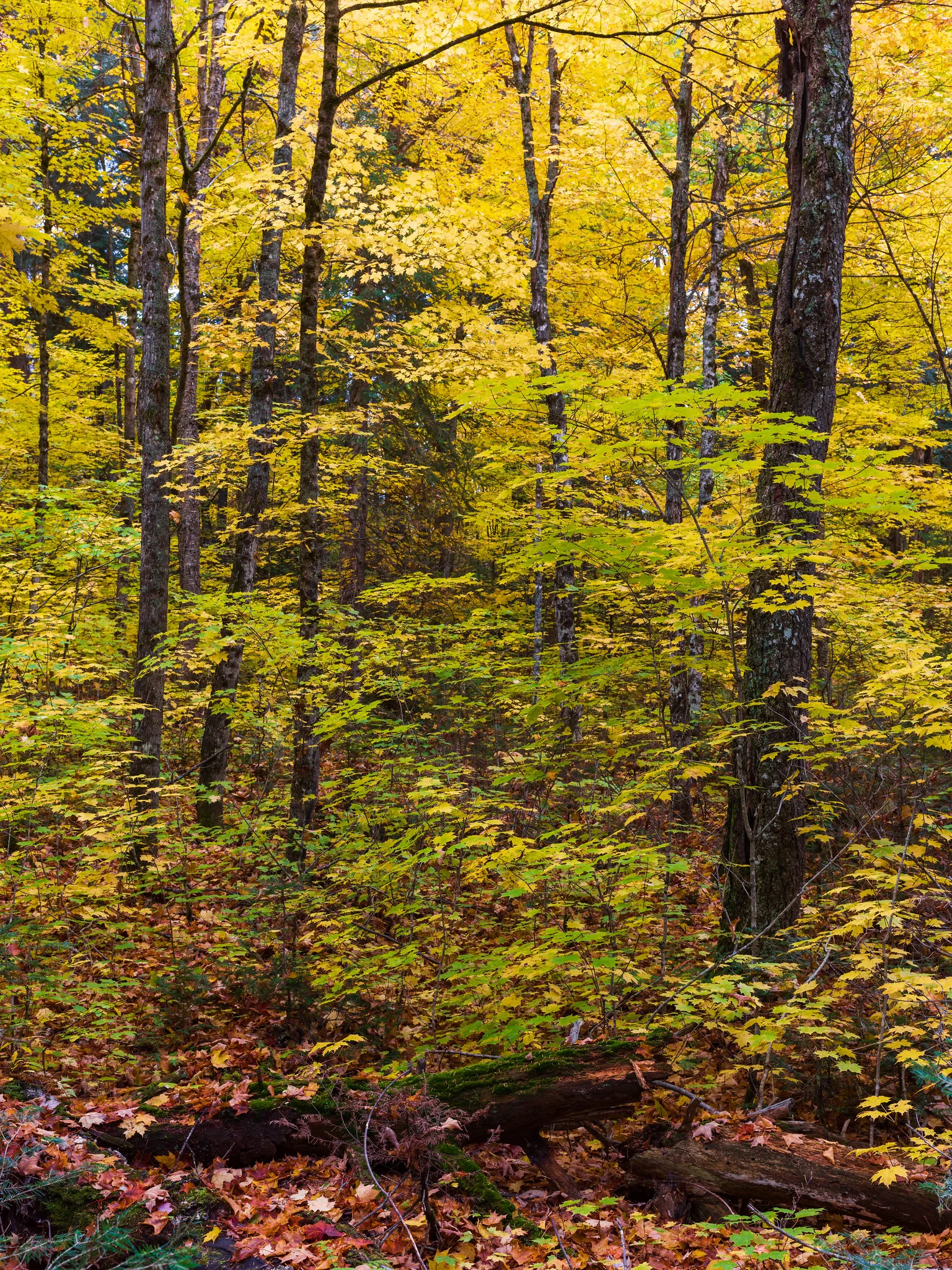
- Let the place carry the season. An avenue of autumn trees or an orchard in flower says more than a painted sign, and will not look dated later.
- Limit props to things that do a job. A blanket or a low crate gives people somewhere to sit and puts heads at different heights.
- Suggest a colour range, not matching outfits. Two or three related colours that suit the background look more natural than identical shirts.
- Count back from the deadline. If clients want cards posted by a certain date, allow for your editing, their choosing and the printer’s turnaround.
- Plan for nature being early or late. Blossom and leaf colour do not keep appointments, so announce a main date and a reserve date.
- Ask before using private venues. Orchards, farms and gardens may charge a fee, which joins the day’s costs.
Themes need not be seasonal. A morning for dogs and their owners, or a block of headshot slots at a local business, uses the same timetable, pricing sum and delivery routine.
Common mistakes
- Pricing by shooting minutes. The event earns less per hour than a full session. Fix: add up every hour and cost, then divide by the slots you expect to fill.
- No buffer between slots. One late family pushes the last session into the dark. Fix: leave at least 5 minutes after every slot and a longer gap halfway.
- Choosing the spot for one moment of light. The shade has gone by the fourth family. Fix: scout at the same hours and check the first and last slots.
- Vague limits. Clients arrive with extra relatives and three outfits. Fix: state people, images, time and location on the booking page.
- Holding slots without payment. Unpaid slots are dropped late. Fix: treat a slot as booked only when it is paid, and keep a waiting list.
- Delivering more than promised. Extra images raise your hours and undercut your full session. Fix: deliver the stated number and offer the rest for sale.
Try this
Set aside 20 minutes. Spend the first five writing a timetable: pick a real date, look up its sunset time, end your last slot 10 minutes before it, and count back six cycles of 15 minutes plus 5, with one longer gap in the middle. Then stand two chairs or two willing people in a room, set a 15 minute timer, and talk through the six steps of the shot sequence aloud, noting the clock as you finish each. If the greeting and first group frame overrun, adjust until the whole sequence fits with a minute to spare.
Frequently asked questions
How long is a mini session?
Most are 15 to 20 minutes of shooting, and some run to 30. Allow at least 5 minutes between slots on top of that.
How many photos should a mini session include?
There is no standard. State a small fixed number on the booking page, and choose one you can cull and edit inside the hours you priced for.
Should a mini session cost less than a full session?
One slot costs less, but the event should earn at least as much per hour of total work as a full session. Work out the floor from hours and costs, not from the slot length.
How many mini sessions can you do in one day?
Outdoors, good light sets the limit. Three 20 minute cycles fit in an hour, so a two hour block holds about six. Two blocks, or an indoor space, allow more.
Do you need a permit for mini sessions in a park?
Often, yes. Many parks and public lands require a permit for paid photography, and rules and fees differ by place. Ask whoever manages the site before you advertise.
Related guides
- Photography pricing methods: cost-plus, value-based and package pricing compared.
- Photography client onboarding: the full path from inquiry to booked session.
- Photography marketing: email, referrals and social media for filling the slots.
- Lifestyle photography: prompts in place of poses, and family lifestyle sessions.
- Photography insurance: types of cover and what venues may require.
- How to write a photography business plan: where a mini session day fits among yearly costs, bookings and marketing.