Lifestyle photography captures people in real environments doing things that feel natural, unscripted, and emotionally true. It lives in the space between posed portraiture and pure documentary work. The subjects know they are being photographed, and the photographer gently guides the scene, but the resulting images look and feel candid. A family cooking breakfast together, a couple walking through their neighborhood, a brand founder working at her desk. These moments are loosely directed but never stiff. That balance between intention and authenticity is what makes lifestyle photography both appealing and difficult to master.
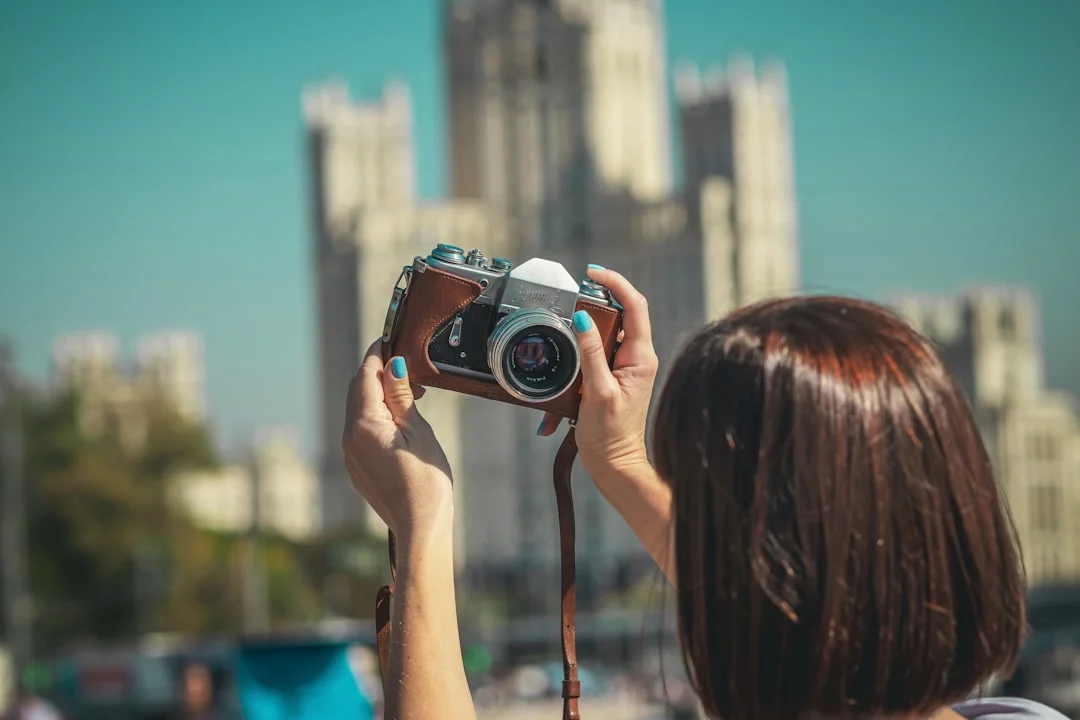
What Is Lifestyle Photography?
Lifestyle photography documents real life in an artful way. The subjects are real people, the locations are real places (homes, parks, cafes, offices), and the activities are things these people actually do. The photographer’s role is to set the stage, provide gentle prompts, and then capture the genuine interactions that unfold. The goal is images that feel lived-in and emotionally resonant rather than perfectly posed.
The genre gained momentum through social media, where audiences respond more strongly to relatable, authentic imagery than to polished studio work. Brands noticed that lifestyle photos outperform traditional product shots in advertising. Families started choosing lifestyle sessions over stiff studio portraits. The demand for this style has grown steadily across personal, editorial, and commercial markets.
How Lifestyle Photography Differs from Portraits
Traditional portrait photography places the emphasis on the subject’s appearance. The photographer controls the pose, the lighting, the background, and the expression. A well-posed portrait is about how someone looks. Lifestyle photography is about how someone lives. The subject may or may not look at the camera. The environment is as important as the person. A lifestyle portrait of a baker is not a headshot in front of an oven. It is the baker kneading dough with flour on her hands, morning light coming through the kitchen window, a half-finished loaf on the counter behind her.
How Lifestyle Photography Differs from Documentary
Documentary photography records events as they happen without any intervention from the photographer. There is no direction, no staging, and no repeating moments. Lifestyle photography borrows the documentary aesthetic (natural light, real environments, authentic emotion) but adds a layer of gentle direction. You might ask a family to go into the kitchen and start making pancakes together. You did not script what happens next. The kids will crack eggs, the parents will laugh, flour will get spilled. But you created the conditions for those moments to occur. Documentary waits for life to happen. Lifestyle creates a framework and lets life happen within it.
The “Directed Candid” Approach
The core technique in lifestyle photography is the “directed candid.” You give your subjects something to do, then photograph the authentic moments that emerge. You are not telling them exactly where to stand, where to look, or what expression to make. You are setting a scene and capturing what unfolds. This works because people cannot fake genuine interaction. When a father lifts his daughter onto his shoulders, the joy on both their faces is real.
How to Give Directed Candid Prompts
A pose is a static position: “Stand here, put your hand on his shoulder, look at the camera.” A prompt is an activity or interaction: “Walk to the end of the path together and tell each other what you love most about this time of year.” Effective prompts involve movement, require genuine engagement between people, produce unpredictable results, and make people forget they are being photographed.
- For couples: “Whisper something in her ear that will make her laugh.” “Dance together like nobody is watching. I will stay back here.”
- For families: “Everyone tickle Dad at the same time.” “Let’s all go to the kitchen and make hot chocolate together. Just do it the way you normally would.”
- For individuals: “Walk to the end of the street and back, and do not worry about me at all.” “Tell me about the project you are most excited about right now.”
- For brand shoots: “Show me how you actually pack an order, start to finish.” “Use the product the way you normally would. Pretend I am not here.”
Notice that none of these prompts mention the camera, posing, or smiling. They redirect the subject’s attention toward an activity or another person. That redirection is the engine of the directed candid approach.
Family Lifestyle Sessions
Family lifestyle photography is one of the largest markets in the genre. Parents want images that show their family as they really are, not lined up in matching outfits staring at a lens. These sessions happen in the family’s home, their favorite park, or a location with personal meaning.
A strong session starts with a pre-session conversation. Ask the parents what their family enjoys doing together. Cooking, playing board games, reading stories, building pillow forts, gardening. These real activities become the framework for your session. When kids are doing something they actually enjoy, they forget about the camera within minutes. The pre-session conversation also builds trust and rapport before the camera ever comes out.
Discuss wardrobe in advance. Lifestyle sessions look best when the family wears coordinated (not matching) clothing in soft, neutral tones. Avoid logos, bold patterns, and neon colors. The clothing should not compete with the faces and interactions for the viewer’s attention. Suggest layers and textures rather than specific outfits. Schedule the session around the children’s energy levels. Toddlers are often best in the morning when they are rested and fed. Older children may be more cooperative after school. Avoid nap times and meal times. A well-timed session with cooperative kids produces ten times more usable images than a poorly timed one.
Start with an activity the family is comfortable with, then move through the space as the session progresses. Kitchen for cooking, living room for playing, bedroom for reading, backyard for running around. Each room offers different light, different backgrounds, and different activities. Let the chaos happen. Kids will misbehave, cry, refuse to cooperate, and do unexpected things. Some of the best family lifestyle images come from these unscripted moments.
Children under five cannot be directed in any traditional sense. This is actually an advantage because children are naturally candid. Give them something fun to do and keep shooting. For older children (six to twelve), use challenges and games as prompts. “Race your sister to that tree.” “Jump as high as you can on the count of three.” Teenagers are the trickiest age group because they are self-conscious. Give them space, ask them about their interests, and photograph them doing something they care about.
Brand and Commercial Lifestyle Photography
Commercial lifestyle photography uses the same candid, authentic aesthetic to sell products, services, and brand identities. Rather than placing a product on a white background, lifestyle commercial photography shows real people using the product in real environments. A skincare brand might capture a woman applying their moisturizer as part of her morning routine in a sunlit bathroom. A furniture company might want images of a family actually living in a room styled with their pieces.
Brand shoots require more pre-production than personal sessions. You need a creative brief that outlines the brand’s visual identity, target audience, intended use for the images, and specific products to feature. Model selection is critical. Many brands prefer real customers or employees because their comfort with the product reads as genuine. Product placement should feel organic. The product is present and visible, but it is woven into a broader scene of someone living their life rather than displayed as an obvious advertisement.
Much of today’s commercial lifestyle photography is created for social media platforms. These images need to stop a fast-scrolling thumb and look native to the platform. Brands typically need high volumes of content, so plan for variety during every shoot. Change angles, swap activities, adjust the framing, and shoot both with and without the product visible across different compositions and orientations.
Location Selection
The location is as important as the subject in lifestyle photography. It provides context, sets the mood, and tells the viewer something about who these people are. The best locations feel personal and specific rather than generic.
The Client’s Home
Home sessions are the gold standard for family lifestyle photography. People are most comfortable in their own space, which translates directly into more relaxed, authentic images. Before the session, do a walkthrough to identify the best rooms for light and background. Look for large windows, uncluttered walls, and rooms where the family naturally spends time. Ask the client to tidy up but not to deep-clean. A perfectly staged home looks like a real estate listing, not a lifestyle photograph. Some lived-in warmth adds authenticity.
Cafes and Small Businesses
Cafes and restaurants make excellent lifestyle locations because they have built-in atmosphere, interesting textures, and activities to photograph. Scout potential locations during the time of day you plan to shoot. Check the light, the crowd level, and the visual clutter. Always get permission from the business owner before shooting. Many will accommodate photographers during slow hours, especially in exchange for images they can use on their own social media.
Outdoor Locations
Parks, trails, beaches, urban streets, and open fields all work well. The key is choosing a location that offers visual variety within a small area. A single park might give you open meadow for running, tree-lined paths for walking, a bench for sitting, and a creek for playing. Avoid visually generic locations. Look for character: textured walls, interesting architecture, mature trees, wildflower fields, or water features. Time your outdoor sessions to coincide with golden hour whenever possible for universally flattering warm, directional light.
Working with Natural Light
Natural light is the primary light source for lifestyle photography. The genre’s emphasis on authenticity means that artificial lighting is often counterproductive. A flash or strobe changes the feel of a room and can make images look produced rather than candid. Learning to see, find, and shape natural light is the single most important technical skill for a lifestyle photographer.
Window Light Indoors
Large windows are your best friend for indoor sessions. North-facing windows provide soft, consistent light throughout the day. East-facing windows give warm light in the morning, west-facing in the afternoon. Position your subjects near windows, ideally within a few feet. Place them facing the window for flat, even lighting. Turn them 45 degrees for more dimensional, sculpted light. If the window light is too harsh, diffuse it with sheer curtains or a collapsible diffuser panel. If shadows are too deep, use a white foam board on the shadow side to bounce light back.
Outdoor Natural Light
Overcast skies act as a giant softbox, producing even, flattering light. Direct midday sun is the most challenging. It creates harsh shadows and makes people squint. Move subjects into open shade (the shadow side of a building, under a tree canopy) if you must shoot at midday. Golden hour light is warm, directional, and inherently flattering. Backlight your subjects by placing the sun behind them for a warm glow around the hair and shoulders. Expose for the skin and let the background blow out slightly for the bright, airy look that has become a signature of the lifestyle genre.
Minimal Direction Techniques: Prompts vs. Poses
The less direction you give, the more authentic the images feel. But “less direction” does not mean “no direction.” A pose is a specific physical position that works well in portrait photography where control is the goal. But in lifestyle photography, poses create stiff, staged images. When you pose people, they become self-conscious. They think about their body position instead of their emotions.
Prompts work because they give people something to do rather than a way to look. The best prompts follow a simple formula: action plus connection. Give people a physical activity (walk, cook, play, dance) and a reason to connect with each other (tell a story, share a memory, play a game). The physical activity creates interesting compositions. The connection creates genuine emotion.
Even in a loosely directed session, there are times when you need to step in. If the light is wrong, gently reposition people. If the background is distracting, suggest moving the activity. Learn to read the energy of the session. When people are genuinely engaged, stay quiet and shoot. When the energy dips, introduce a new prompt. A typical session cycles between periods of active direction and periods of quiet observation.
Camera Settings and Gear for Lifestyle Photography
Camera Settings
Shoot in aperture priority or full manual. Aperture priority lets you set your desired depth of field and trust the camera to handle exposure as you move between bright windows and dim corners. Shoot wide open or near wide open (aperture of f/1.4 to f/2.8) to create shallow depth of field. This bokeh effect is a hallmark of the lifestyle aesthetic, simplifying busy environments by blurring distracting backgrounds. Stop down to f/4 or f/5.6 when you need more of the scene in focus for group activities.
Use continuous autofocus (AF-C or servo mode) with eye detection enabled. People in lifestyle sessions move constantly, and single-shot autofocus will miss the moment. Keep your shutter speed at 1/200s or faster to freeze natural movement. In low indoor light, raise your ISO rather than dropping your shutter speed. Modern cameras produce clean images at ISO 3200 to 6400, and a slightly noisy sharp image is always better than a smooth blurry one. Shoot in RAW format for maximum flexibility in post-processing.
Lenses
A 35mm lens is the single most popular focal length for lifestyle photography. It is wide enough to include the environment but not so wide that it distorts faces. It forces you to work close to your subjects, creating intimate, immersive images. A 50mm lens provides a more neutral perspective for tighter compositions and two-person interactions. An 85mm lens is useful for detail shots and close-up moments: hands holding hands, a child’s expression, a product in use. A 24-70mm zoom offers the most versatility for a single-lens approach, though the trade-off is a slower maximum aperture.
Additional Gear
Keep your gear minimal. A heavy bag full of equipment slows you down and creates a barrier between you and your subjects. Two camera bodies (or one body and one backup) and two to three prime lenses is a typical professional lifestyle kit. Some photographers use a dual-camera harness to carry two bodies with different lenses, allowing them to switch focal lengths instantly without stopping to change lenses.
A small collapsible reflector or white foam board from an art supply store is useful for bouncing light indoors or adding fill outdoors. Avoid bringing light stands, strobes, or modifiers unless commercial work specifically requires it. The gear changes the dynamic and makes the experience feel like a production. A fast memory card and a backup card are essential. Lifestyle sessions generate a high volume of images, and running out of space during a session is catastrophic. Use dual card slots if your camera supports them.
Storytelling Through Image Sequences
One of the most powerful aspects of lifestyle photography is its ability to tell stories through sequences of images. Think of your session as a short visual story with a beginning, middle, and end. At minimum, aim to capture three types of shots for every activity:
- Wide establishing shot. Shows the full environment and the subjects in context. A family at the kitchen counter with ingredients spread out and morning light flooding through the window.
- Medium interaction shot. Shows people engaged with each other. A parent and child at the counter, the child cracking an egg while the parent watches with a smile.
- Close-up detail shot. Focuses on a single moment or detail. Hands covered in flour, a child’s concentrated face, bare feet on the kitchen floor.
Strong composition in lifestyle photography serves the story. The rule of thirds is a reliable starting point: place subjects off-center and leave room in the frame in the direction they are looking or moving. Use foreground elements (doorways, shoulders, objects on a table) to add depth and the feeling that the viewer is observing a private moment. Color plays a storytelling role too. Warm tones convey comfort and nostalgia. Cool tones create a calmer, more contemplative mood.
Editing for a Consistent Lifestyle Aesthetic
Post-processing is where you develop the cohesive look that defines your brand. The most popular lifestyle editing aesthetics share several characteristics: warm skin tones, slightly desaturated secondary colors, lifted shadows (blacks that are dark gray rather than true black), and subtle warmth in the highlights. This look feels organic, inviting, and timeless.
Start developing your style in Lightroom or your preferred editing software. Lift the bottom of the tone curve slightly for matte shadows. Desaturate greens and yellows while keeping reds and oranges warm for flattering skin tones. Save your settings as a preset and apply them to every image as a starting point, then fine-tune individual images for exposure, white balance, and cropping.
Color grading goes beyond basic correction. The HSL panel is your most powerful tool. Shifting orange hues slightly toward yellow brightens skin tones. Desaturating green and aqua tones makes outdoor environments feel less overwhelming. Increasing the luminance of orange brightens skin without affecting other elements. Avoid heavy-handed editing that calls attention to itself. The most enduring lifestyle editing styles are subtle. When in doubt, edit less.
Lifestyle sessions produce a high volume of images. A two-hour family session might yield 800 to 1,500 raw frames. Your first culling pass should eliminate all technically flawed images. Your second pass should select the strongest moments and compositions. Aim to deliver 50 to 100 final images for a typical family session and 150 to 300 for a commercial brand shoot.
Building a Lifestyle Photography Business
Your portfolio is your primary sales tool. It should show potential clients exactly what their images will look like if they hire you. Consistency is more important than range. A portfolio of 20 images that share a cohesive style, color palette, and emotional tone is far more compelling than 50 images that look like they were shot by five different photographers.
If you are starting from scratch, book model calls and styled shoots to build your portfolio quickly. Reach out to friends with families, couples, and small business owners. Offer free or discounted sessions in exchange for portfolio use. Choose locations and wardrobes that align with the work you want to attract. If you want to photograph families in their homes, do not fill your portfolio with outdoor sessions at public parks. Show what you want to sell. Update your portfolio regularly and remove older work that no longer represents your current style.
For family sessions, most professionals charge a session fee covering one to two hours of shooting plus a set number of edited digital images. Study the photography pricing guide to develop a pricing structure that covers your costs. Commercial lifestyle photography is priced higher because images are used for revenue-generating purposes. Commercial pricing may include a day rate, usage licensing fees, and charges for pre-production and styling. Protect yourself with clear contracts that spell out usage rights, deliverables, timelines, and payment terms.
Social media is the most effective marketing channel because lifestyle work is inherently shareable and visually compelling. Post consistently on platforms where your target clients spend time. Word of mouth drives the majority of bookings for established photographers. Every session is a marketing opportunity. Deliver an exceptional experience, over-deliver on image quality, and make it easy for clients to share and tag you. Happy clients are your best sales force. Develop a client management system that ensures a professional experience from first inquiry through final delivery.
Build relationships with complementary businesses for referral partnerships. Wedding planners, interior designers, boutique owners, and family therapists all interact with your potential clients and may refer them to you if they know and trust your work. Offer to photograph their business in exchange for referrals. These partnerships can become reliable, ongoing sources of new clients.
Every lifestyle photographer needs model releases signed before using images of recognizable people for any commercial or promotional purpose. This is especially important for sessions involving children. Use written contracts for every paid session outlining the session details, deliverables, delivery timeline, cancellation policy, usage rights, and payment terms. If you are starting a photography business, invest the time to set up these systems before you begin booking clients.
Common Mistakes in Lifestyle Photography
- Over-directing. Giving too many instructions produces posed portraits in a lifestyle setting. Give a prompt, step back, and let the moment develop.
- Ignoring the background. Before giving a prompt, look behind your subjects. Move a laundry basket, close a closet door, shift the angle to avoid a power line.
- Shooting only wide. A gallery of all wide shots feels monotonous. Vary your focal length and framing throughout the session.
- Chasing the light instead of the moment. The best moment in bad light is always better than a mediocre moment in golden hour. You can fix exposure in post. You cannot recreate a missed moment.
- Forgetting to connect with subjects. The quality of your relationship with the subjects directly affects the quality of the images. Talk to them, laugh with them, share something about yourself.
- Inconsistent editing. Develop a consistent editing workflow and apply it uniformly. Clients hire you for a specific look. Deliver that look reliably.
- Not shooting enough. Genuine expressions are fleeting. If you are waiting for the “perfect” moment, you are missing hundreds of small moments that collectively tell the story.
- Neglecting the in-between moments. The moments when people think the camera is not on them (adjusting hair, whispering to each other, staring out a window) are often the most authentic images from a session.
Try This: Lifestyle Photography Exercises
- Photograph a friend’s morning routine. Ask a friend or family member if you can document the first hour of their morning. Give no direction for the first 15 minutes, then introduce gentle prompts. Compare the two sets to see how minimal direction affects authenticity.
- Practice the three-shot story. Choose a single everyday activity (cooking a meal, walking the dog, reading in a cafe) and capture it using only wide, medium, and close-up shots. Deliver exactly three images that together tell a complete visual story.
- Shoot a self-directed lifestyle session using only a smartphone. Set up your phone on a timer and photograph yourself doing an activity you enjoy in your own home using only natural light. This teaches you what it feels like to be the subject.
- Edit one session three ways. Take 10 images from a single lifestyle shoot and edit them bright and airy, dark and moody, then warm and matte. Study how editing changes the emotional impact of identical images.
- Host a mini session marathon. Schedule three 30-minute lifestyle sessions back to back in the same location. Different families, same environment, same light. This forces you to develop a repeatable workflow and build rapport quickly.
Frequently Asked Questions
What is the difference between lifestyle photography and candid photography?
Candid photography captures moments without any direction from the photographer. Lifestyle photography uses gentle direction (prompts, activity suggestions, scene setup) to create the conditions where authentic moments happen. The results look candid, but the photographer played an active role in creating the situation.
Do I need a full-frame camera for lifestyle photography?
No. A crop-sensor camera with a fast prime lens (f/1.4 or f/1.8) produces excellent results in most lifestyle situations. Full-frame cameras offer slightly better low-light performance and shallower depth of field, but the quality of your light, your connection with subjects, and your compositional eye matter far more than sensor size.
How long should a lifestyle photography session last?
Most family lifestyle sessions run 60 to 90 minutes. This is long enough to move through multiple activities while short enough to maintain energy, especially with young children. Brand and commercial shoots often run two to four hours or a full day. Energy and authenticity tend to peak around the 30 to 45 minute mark and gradually decline after that.
What should I tell clients to wear?
Suggest soft, neutral tones and coordinated (not matching) outfits. Avoid bold logos, neon colors, and busy patterns. Solid colors and subtle textures photograph best. Most importantly, clients should wear clothes they feel comfortable in. Discomfort with wardrobe shows in body language and undermines the authentic feel of lifestyle images.
How do I handle poor natural light during an indoor session?
Move the activity closer to the largest windows. Turn off overhead artificial lights, which create unflattering mixed lighting. Open all curtains and blinds. If the light is still insufficient, raise your ISO. A slightly noisy image with genuine emotion is always preferable to a clean image lit by on-camera flash that destroys the lifestyle aesthetic. A white foam board bouncing window light back onto the subject can also double the effective light in a room.
Can I use flash in lifestyle photography?
Most lifestyle photographers avoid flash because it changes the quality of light and can undermine authenticity. If you must use it in very dark environments, bounce it off a white ceiling or wall for diffused, natural-looking light. Never use direct on-camera flash. Some photographers use a small constant LED light as subtle fill, which is less disruptive than flash because there is no sudden burst.
How do I transition from portrait photography to lifestyle photography?
The biggest shift is psychological, not technical. Portrait photographers are trained to control every variable. Lifestyle photography requires you to release that control and trust the process. Start by adding lifestyle segments to your existing portrait sessions. After your posed portraits, spend 20 minutes giving prompts and shooting the interactions that follow. Gradually increase the lifestyle portion as you become more comfortable with the approach.
What is the best way to deliver lifestyle images to clients?
Use an online gallery platform that allows clients to view, download, favorite, and share images easily. Include high-resolution files for printing and web-sized files for social media. Organize the gallery chronologically or by activity so the images tell a story. Set the gallery cover image to the single strongest image from the session, as first impressions set expectations for the entire gallery.
Continue Learning
Lifestyle photography draws on skills from many areas of the craft. Deepen your abilities with these related guides: