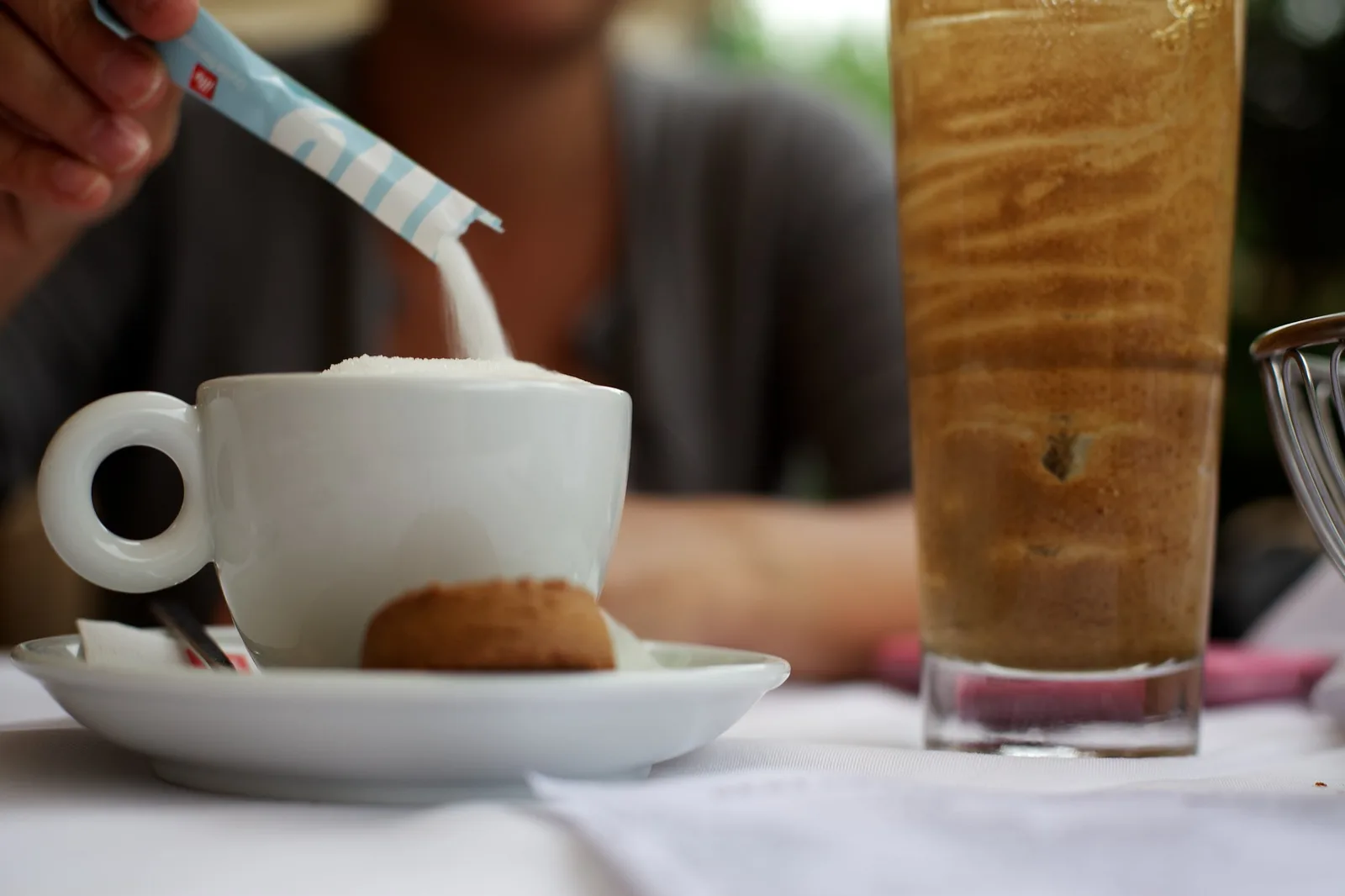
Cafes are some of the most inviting places to photograph. Steam rises from a fresh cup, soft light pours through the window, a barista pours a perfect leaf of milk into a latte and people linger over books and conversation at small tables. Whether it is a busy corner coffee shop, a quiet bakery cafe or a terrace spilling onto a square, a cafe is full of warm light, rich textures and small moments that make lovely, relaxed pictures.
This guide covers why cafes are great to photograph, cafe etiquette, coffee and drinks, food and treats, window light, interiors, terraces and street scenes, people, details, low light settings, phones and editing. For plates and menus, see the guide to food photography, and for everyday life on the street outside, see the guide to street photography.
Why cafes are great to photograph
Cafes pack many wonderful subjects into one small, cozy space.
- Beautiful light. Large windows let in soft natural light that flatters cups, food and faces.
- Rich textures. Wood tables, ceramic cups, marble counters, brick walls and leafy plants add depth and warmth.
- Everyday rituals. Ordering, pouring, sipping and chatting are familiar moments that people connect with.
- Character. Every cafe has its own style, from rustic and cozy to bright and minimal.
- Comfort. You can sit, order a drink and photograph slowly without rushing.
Cafes are also wonderful places to practice. The light changes through the day, the subjects are close at hand and a single table can give a dozen different pictures. A cup of coffee is one of the easiest still lifes you can photograph, and a visit to a cafe makes a relaxed photo outing on any day of the week.
Cafe etiquette
A cafe is a business and a place where people come to relax, so photograph with care.
- Buy something. Order a drink or snack, and be a good customer.
- Ask the staff. A quick, friendly question about taking pictures is usually welcomed, and staff may even suggest the best table.
- Respect other customers. Avoid pointing your camera at people up close without asking, and never photograph screens or private papers.
- Stay discreet. Use a small camera or phone, turn off the flash and keep the sound off.
- Keep the space clear. Do not block walkways, counters or doors, and avoid busy rush times.
Quiet times, such as mid morning or mid afternoon, are often best. The cafe is calmer, the staff have more time, and you can take the window seat with the best light. Regular visits help too, since staff who know you are more relaxed about a camera on the table.
Coffee and drinks
A cup of coffee is the star of most cafe pictures. Small changes in angle and light make a big difference.
- From above. Shoot straight down to show latte art, the round shape of the cup and the saucer.
- At table height. A low side view shows the shape of the cup, the foam and any steam.
- At an angle. A view from about 45 degrees feels natural, like the view of a person about to drink.
- Hands in the frame. A hand holding the cup or stirring sugar adds life and warmth.
Photograph latte art right away, before the pattern spreads. Turn the cup so the design faces you and the handle points to one side, which looks tidy and natural. Steam shows best against a dark background, lit from the side or behind. Iced drinks look fresh with drops of condensation and the light shining through the glass.
The barista at work
Baristas make wonderful subjects, if they are happy to be photographed. Ask first, then watch their routine: grinding, tamping, pulling a shot and pouring milk. The pour is the most exciting moment, so use a fast shutter speed and burst mode to catch the milk forming a pattern. Close pictures of hands, the espresso stream and the steam wand show the craft without needing a face in the frame.
Food and treats
Pastries, cakes, sandwiches and breakfast plates make tempting pictures.
- Shoot quickly. Food looks best fresh, so photograph it right after it arrives.
- Use the side light. Window light from the side shows the flaky layers of a croissant and the shine of a glaze.
- Get close. Fill the frame with crumbs, cream and texture.
- Tell a story. A cup with a pastry, a book and a pair of glasses suggests a slow morning.
- Show the counter. Glass cases of pastries and cakes make colorful, abundant scenes.
Keep the table tidy. Move stray napkins, sugar packets and receipts out of the frame, and turn the cup handle to a pleasing angle. A flat lay of cups, plates and small objects from above works especially well on a beautiful table.
Want to make your treats look even better? The guide to food photography covers light, angles and styling for food.
Window light
Window light is the secret to beautiful cafe pictures. It is soft, directional and flattering.
- Sit by the window. A table beside a large window gives the best light.
- Use side light. Light from one side shapes cups and food and adds gentle shadows.
- Try backlight. Light from behind makes steam glow and drinks sparkle, though you may need to brighten the exposure.
- Avoid harsh sun. Direct sun can be too strong. Look for bright shade or a window with sheer curtains.
A white napkin or menu can bounce light into dark shadows, acting as a simple reflector. Turn off nearby overhead lights in your mind by exposing for the window, so warm and cool light do not mix awkwardly on the same subject.
Curious about using windows as a light source? The guide to window light shows how to make the most of it.
Cafe interiors
The look of a cafe tells its story. Wide pictures of the room show its style and mood.
- Find the best corner. Stand in a corner or doorway to see the whole room.
- Keep lines straight. Hold the camera level so walls and shelves stay upright.
- Show the details. Hanging lights, chalkboard menus, plants and shelves of cups give character.
- Use the quiet times. An empty cafe in the morning, with chairs neatly set, makes a peaceful scene.
Mixed light is common in cafes, with warm bulbs and cool daylight. Choose a white balance that keeps the room feeling warm and inviting, and avoid letting bright windows burn out. For more on rooms and spaces, see the guide to interior photography.
Terraces and street scenes
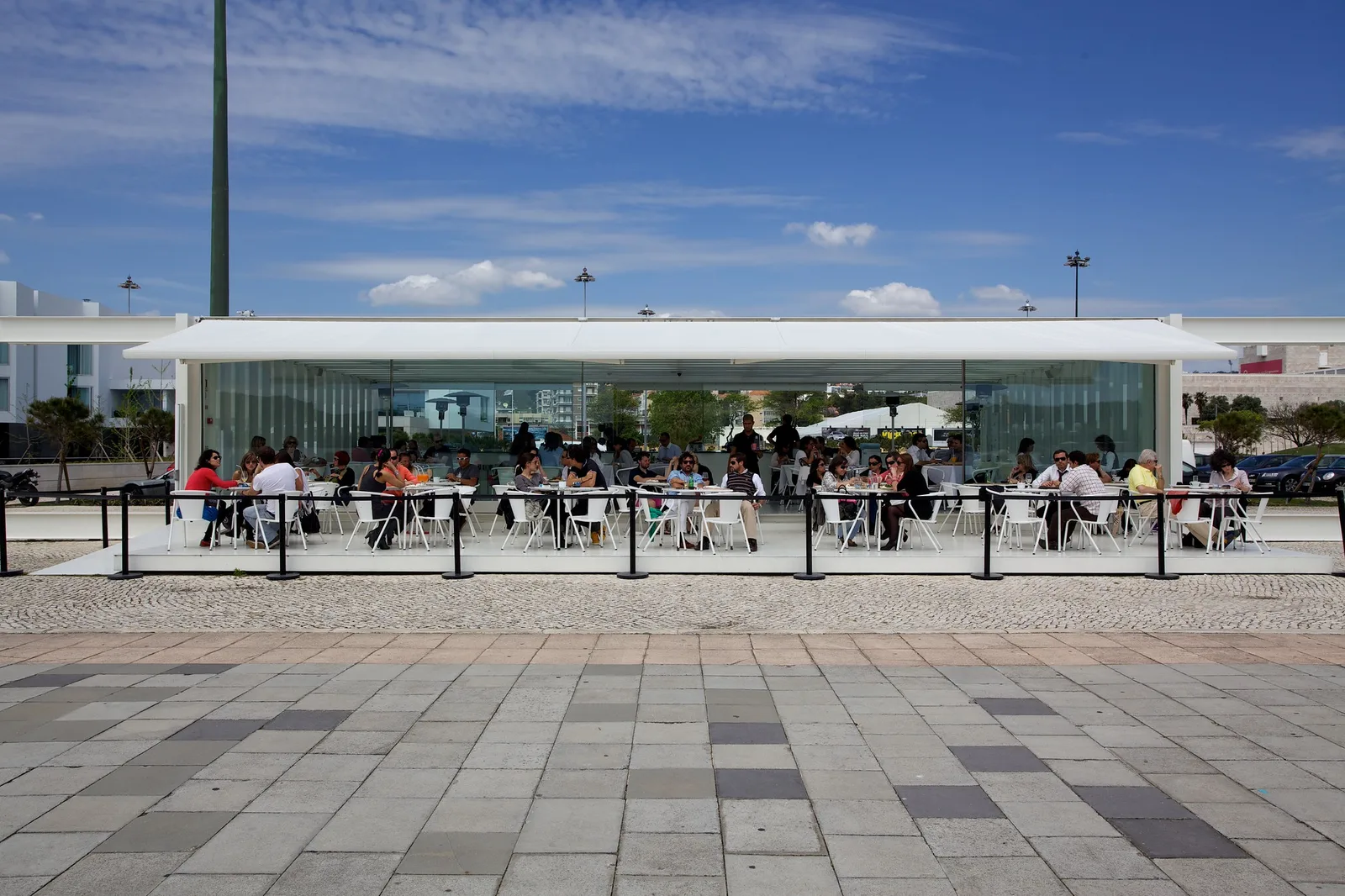
Outdoor cafe terraces bring the life of the street into view. Rows of small tables, colorful awnings and people watching the world go by make classic scenes.
- Step back. Show the cafe from across the street, with its sign, awning and tables.
- Look for frames. Use a doorway, a window or a row of plants to frame the terrace.
- Shoot through windows. A cafe window from outside shows people inside with reflections of the street layered on top.
- Wait for life. A waiter carrying a tray or a cyclist passing adds a sense of moment.
Rainy days are great for cafes. Wet streets reflect cafe lights, umbrellas add color and people sheltering inside behind fogged windows make moody, cozy pictures. At dusk, the glowing windows of a cafe look especially warm against the blue sky.
Cafes while traveling
Cafes are one of the best ways to capture the feel of a place when you travel. A tiny espresso bar where people drink standing up, a terrace on a busy square, a tea house with low tables or a seaside cafe with salt on the windows all say something about local life. Order what the locals order, and photograph the cup, the setting and the view. A set of cafe pictures from a trip becomes a charming record of the places you visited and the small pleasures along the way.
Planning to photograph cafes on your next trip? The guide to travel photography covers how to tell the story of a place.
People in cafes
Cafes are places of connection. Friends chatting, someone reading alone and a couple sharing a cake all make warm, human pictures.
- Photograph your companions. A friend reading, laughing or sipping coffee by the window makes a natural portrait.
- Show hands and gestures. Hands holding cups, turning pages or writing in a notebook tell a story without faces.
- Use silhouettes. People against a bright window become simple shapes.
- Keep strangers general. Wide views of a busy room show the mood without singling anyone out.
Always respect privacy. Ask before taking close pictures of anyone, and put the camera away if someone seems uncomfortable. The best people pictures in cafes are often of the friends you came with.
Details and still lifes
Cafes are full of small, beautiful details that make lovely still lifes.
- Cups and saucers. Stacks of cups, mismatched saucers and empty mugs make simple, charming pictures.
- Beans and tools. Coffee beans, grinders, kettles and scales show the craft of coffee.
- Signs and menus. Hand lettered chalkboards and old signs add charm.
- Plants and flowers. A small vase on a table adds color.
- The empty cup. A finished cup with a ring of foam suggests time passing and a visit ending.
Use a wide aperture to blur the background and isolate a single detail. A series of small details alongside a wider picture of the cafe makes a lovely set that captures the whole experience. Arranged in order, from arrival to the empty cup, the pictures become a small photo essay about a single visit.
Cafes through the day
A cafe changes from morning to night. Early morning brings the first customers, freshly baked pastries and low, golden light through the windows. Midday is bright and busy, with crowded tables and quick orders. Afternoon slows down, with long shadows and people lingering over books. In the evening, warm lamps glow and the windows turn into mirrors. Visit the same cafe at different times to see how its mood shifts, and you will start to learn which hour suits the pictures you want most.
Settings for low light
Cafes can be darker than they look, especially away from windows.
- Wide aperture. Use f/1.8 to f/2.8 to let in more light and blur the background.
- Raise the ISO. Go to ISO 800 to 3200 if needed, since a little noise is better than blur.
- Shutter speed. Keep it at 1/60 or faster for handheld pictures, and faster for moving hands and pours.
- Steady the camera. Rest it on the table or brace your elbows for slower speeds.
- No flash. Flash flattens the cozy light and disturbs others.
Spot metering on the cup or food helps keep the subject well exposed when a bright window is behind it. Learn more about ISO and how it affects noise.
Using a phone
A phone is perfect for cafes, since it is quiet and discreet. Use portrait mode for cups and pastries, tap to focus on the subject and lower the exposure slightly to keep window light from washing out. Shooting from directly above works well for flat lays, and night mode helps in dim corners.
Editing cafe photos
Keep cafe pictures warm and natural. Adjust white balance so whites look clean but the mood stays cozy, lift shadows a little and add gentle contrast. Avoid oversaturating coffee and food, which can look unreal. Straighten tables and walls, and crop out distractions at the edges. A soft, slightly faded look suits relaxed morning scenes. Black and white can also work beautifully for cafe interiors and people, where light and shadow matter more than color.
Common mistakes
- Using flash. It kills the mood and bothers others. Use window light instead.
- Cluttered tables. Tidy napkins, packets and phones before shooting.
- Waiting too long. Latte art spreads and food cools. Shoot first, then enjoy.
- Mixed color casts. Warm bulbs and cool daylight clash. Choose one main light source.
- Blur in low light. Raise the ISO, open the aperture or steady the camera.
- Ignoring privacy. Ask before close pictures of people, and avoid screens and papers.
- Only photographing the cup. Mix in the room, the terrace and the people for a fuller story.
Try this: a 10-minute coffee study
With your next cup of coffee, take five pictures before you drink it.
- A view straight down showing the whole cup.
- A low side view at table height.
- A picture with your hand holding the cup.
- A backlit view against the window.
- A wider view that shows the cup in the cafe.
Compare the pictures and notice how angle and light change the mood. This short exercise teaches more about light and composition than any book, and it only costs a cup of coffee you were going to drink anyway.
Frequently asked questions
Is it okay to take pictures in a cafe?
Usually, yes, as long as you are a customer and respectful. Asking the staff is polite, and some cafes have their own rules.
What is the best light for cafe pictures?
Soft window light from the side, at a table by a large window, away from harsh direct sun.
How do I photograph latte art?
Shoot from directly above, right away, with the light coming from the side.
How do I photograph in a dark cafe without flash?
Use a wide aperture, raise the ISO and steady the camera on the table.
How do I make steam show up?
Place a dark background behind the cup, and light it from the side or behind.
What lens works best in a cafe?
A standard prime lens with a wide aperture is ideal, since it handles low light and blurs backgrounds. A phone works well too.
How do I avoid reflections when shooting through a cafe window?
Press the lens close to the glass, or use reflections on purpose to layer the street over the scene inside.
For terms such as white balance, aperture, ISO and backlight, see the photography glossary.