Fine art photography is photography created as an expression of the artist’s vision rather than for commercial or documentary purposes. While a commercial photographer serves a client’s needs and a documentary photographer records events, a fine art photographer pursues a personal creative vision. The image exists as art, meant to provoke thought, evoke emotion, or express an idea.
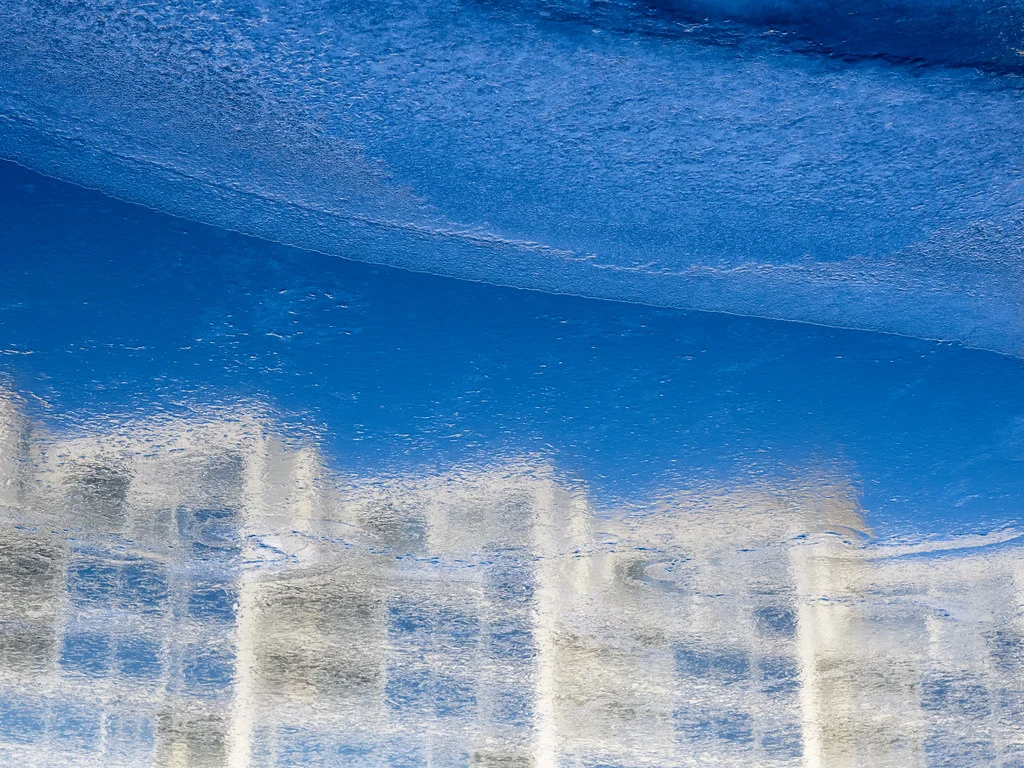
This genre is often misunderstood as simply “pretty pictures” or technically perfect photography. In reality, fine art photography is defined by intention. The question is not “is this technically well-executed?” but “does this express something meaningful?” Some of the most celebrated fine art photographs break technical rules deliberately to serve their artistic purpose.
What Defines Fine Art Photography
Fine art photography has no single visual style. It can be abstract or representational, black and white or color, documentary or fabricated. What defines it is the photographer’s intent to create work that expresses a personal vision or explores a concept beyond simply recording what was in front of the camera.
The photographer makes every decision, from subject and composition to processing and presentation, in service of that vision. Technical choices are creative tools, not ends in themselves. A deliberately blurred image, an unconventional exposure, or an unusual processing approach can all serve an artistic purpose.
Fine art photography is also typically created in series or bodies of work rather than as standalone images. A single photograph can be fine art, but the genre emphasizes sustained exploration of themes, ideas, or visual approaches across multiple images.
Finding Your Artistic Vision
The most challenging and rewarding aspect of fine art photography is developing your own artistic voice. This is not something that happens overnight. It emerges gradually through practice, study, and self-reflection.
Start by examining the work that moves you. Collect images by other photographers (and painters, sculptors, filmmakers) that resonate emotionally. Look for patterns in your collection: are you drawn to solitude, decay, intimacy, vastness, abstraction, human connection? These patterns reveal your aesthetic sensibility.
Then examine your own strongest work. Which of your images feel most authentically “yours”? Which ones did you make because you wanted to, not because someone asked you to? The intersection of what moves you in others’ work and what you naturally create yourself points toward your artistic direction.
Do not try to develop a style by imitation. Study others for inspiration and understanding, but your artistic voice should come from your own experiences, interests, and worldview. Authenticity is the foundation of meaningful art.
Conceptual Development
Fine art photography often begins with an idea or concept rather than with a specific subject. The concept is the “why” behind the work. Why are you making this image? What do you want the viewer to think or feel?
Concepts can be personal (exploring memory, identity, or relationships), social (documenting change, questioning norms, reflecting on culture), or formal (investigating light, form, color, or space as subjects in themselves). The strongest work often combines multiple layers of meaning.
Before shooting, spend time thinking and planning. Write about your concept. Sketch ideas. Research how other artists have explored similar themes. This intellectual groundwork gives your images depth and coherence that distinguishes fine art from casual creative photography.
Technical Choices as Creative Tools
In fine art photography, every technical decision serves the concept. Long exposures blur water to suggest the passage of time. Shallow depth of field isolates a subject to focus attention on a specific element. High contrast black and white eliminates color to emphasize form and texture. Each choice should be intentional and justified by the work’s artistic purpose.
Minimalism is a common approach in fine art, stripping away elements until only the essential remains. Conversely, layered, complex images with multiple elements can create richness and narrative depth. The key is that the visual approach matches the conceptual intent.
Post-processing is a creative tool equal in importance to the capture itself. Fine art photographers often develop distinctive processing styles that become part of their signature. This might include specific color palettes, tonal treatments, or compositing techniques. The goal is consistency within a body of work, not conformity to external standards of “correct” processing.
Building a Body of Work
A single strong image can be fine art, but the genre’s strength lies in series and bodies of work. A series is a group of images that explore a theme, subject, or visual approach in depth. Each image in the series contributes to the whole, and the collection says more than any individual image could alone.
Begin a series with an idea, then shoot extensively. Edit ruthlessly. A tight series of 10-15 powerful images is far more impactful than a loose collection of 50 average ones. Sequence the images so they create a visual narrative or rhythm when viewed in order.
Personal projects are the foundation of fine art practice. Set yourself assignments, give yourself deadlines, and commit to completing bodies of work rather than accumulating random images. The discipline of working in series develops your artistic voice faster than anything else.
Presentation and Display
How you present your fine art work matters. The print size, paper type, framing, and display context all affect how the viewer experiences the image.
Large prints can immerse the viewer in the image, while small prints create an intimate, precious quality. Matte papers suit quieter, more contemplative work, while glossy or metallic papers add vibrancy and impact. The frame (or the choice to go unframed) sets the tone for how the work is perceived.
When exhibiting, consider how images relate to each other on the wall. Spacing, size relationships, and sequencing all matter. An exhibition is a composed experience, not just a collection of images hung in a row. Refer to preparing photos for print for technical guidance on getting your images ready for physical display.
Writing an Artist Statement
An artist statement explains the intent, context, and meaning behind your work. It is typically 100-300 words and accompanies exhibitions, portfolio submissions, and grant applications.
Write about what your work explores, why these themes matter to you, and how your visual approach serves the concept. Avoid jargon and pretension. The best artist statements are clear, honest, and accessible. They help viewers understand and engage with the work without dictating how to interpret it.
Revise your statement regularly as your work evolves. An artist statement is a living document that reflects your current practice, not a fixed declaration. It should grow and change as your artistic vision matures.
Common Mistakes
Confusing technical skill with artistic merit. A technically perfect image is not automatically fine art. Technical skill is a tool, not the destination. Focus on what you are saying with your images, not just how sharp or well-exposed they are.
Imitating other artists instead of finding your own voice. Studying other work is essential, but copying another photographer’s style produces derivative work that lacks authenticity. Use inspiration as a starting point, then push beyond it.
Avoiding critique. Growth in fine art requires honest feedback. Seek out critique from other photographers, artists, and viewers. Not all feedback will be useful, but exposure to different perspectives sharpens your own thinking about your work.
Never finishing projects. Starting many projects and finishing none is a common trap. Discipline yourself to complete bodies of work. A finished series of modest images teaches you more than ten ambitious, abandoned beginnings.
Frequently Asked Questions
Can any photograph be fine art?
In theory, any photograph created with artistic intent and presented as art can be considered fine art photography. In practice, the photography world uses the term for work that demonstrates a sustained creative vision, conceptual depth, and intentional artistic choices. The boundary is debated and subjective.
Do I need formal art education to create fine art photography?
No. Many successful fine art photographers are self-taught. Formal education can provide structure, critique opportunities, and art historical context, but it is not required. What matters is your commitment to developing a personal vision and creating meaningful work. Study art history, attend exhibitions, and engage with the photography community to build your knowledge independently.
How is fine art photography different from creative photography?
Creative photography is a broad term for any photography that goes beyond straightforward documentation. Fine art photography is a subset that specifically positions itself within the art world, with emphasis on conceptual depth, bodies of work, artist statements, and gallery or museum presentation. All fine art photography is creative, but not all creative photography is fine art.
Can I sell fine art photography?
Yes. Fine art photography is sold through galleries, art fairs, online platforms, and direct sales. Limited edition prints (numbered and signed) are the standard format. Pricing depends on your reputation, print size, edition size, and the venue. Building a collector base takes time and consistent exhibition of strong, cohesive work. Building a photography portfolio is the first step toward presenting your work professionally.