Why Food Photography Requires Specific Techniques
Food photography is one of the most commercially valuable genres in photography, and it is also one of the most technically precise. The goal is to make food look as appealing as possible, triggering that visceral “I want to eat that” response in the viewer. Every element matters: the lighting direction, the color temperature, the angle, the styling, and the camera settings that bring it all together.
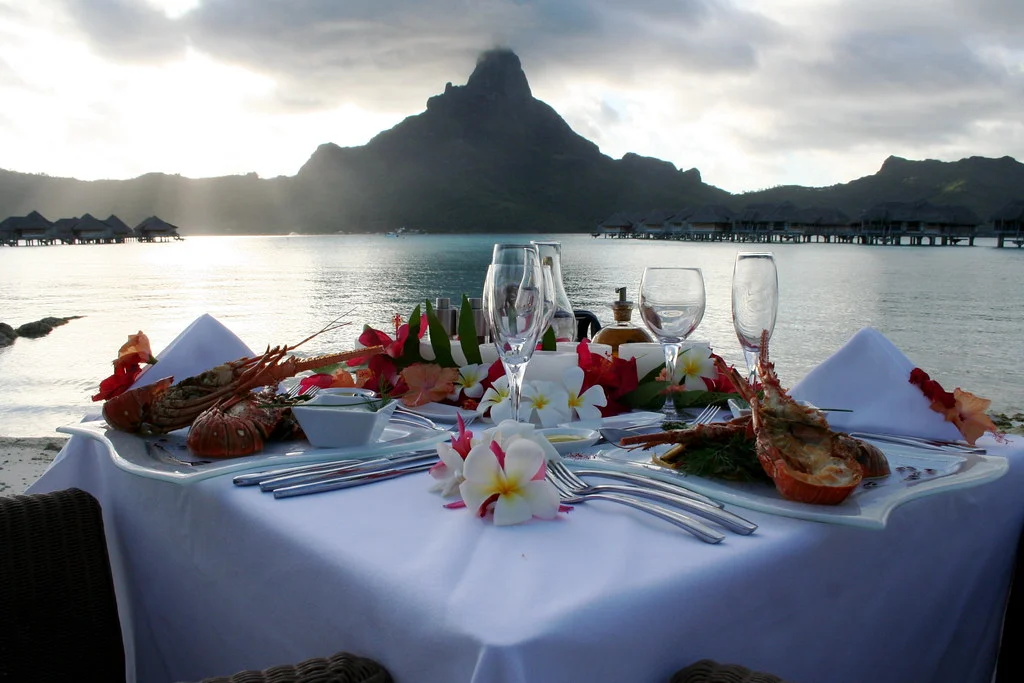
Whether you are shooting for a restaurant’s website, a cookbook, a food blog, social media, or product packaging, this guide covers the camera settings, lighting techniques, composition strategies, and styling tips that separate amateur food snapshots from images that make people hungry.
Core Camera Settings for Food Photography
| Setting | Value | Why |
|---|---|---|
| Mode | Manual (M) or Aperture Priority (A/Av) | Consistent exposure control for styled setups |
| Aperture | f/2.8 – f/4 (shallow DOF) or f/5.6 – f/8 (full dish sharpness) | Controls how much of the food is in sharp focus |
| Shutter Speed | 1/125s minimum handheld; any speed on tripod | Prevents handshake blur; tripod allows optimal aperture at base ISO |
| ISO | 100 – 400 | Low noise for clean, detail-rich food images |
| White Balance | Custom or Kelvin (match your light source exactly) | Accurate food colors are critical; no green/blue casts |
| Focus | Single Point AF on the key element | Focus on the most important part of the dish |
| File Format | RAW | Full control over white balance and color in post |
Aperture and Depth of Field in Food Photography
Aperture is the most creative decision in food photography. It determines how much of the scene is in focus, which dramatically affects the mood and impact of the image.
Shallow Depth of Field: f/1.8 to f/2.8
Shooting at wide apertures creates a soft, dreamy look where the hero element (the food closest to camera) is sharp and everything else melts into a creamy blur. This is the style popularized by high-end food magazines and Instagram food bloggers.
At f/2 with a 50mm lens focused on the front edge of a plate, the depth of field is only about an inch deep. The garnish on top is sharp; the back of the plate blurs. This selective focus draws the viewer’s eye to exactly where you want it and creates a sense of depth and intimacy.
Use shallow depth of field when you want to: highlight one specific element (the filling of a cut pastry, the drizzle on a cake), create a moody atmosphere, or simplify a complex scene by blurring background clutter.
Moderate Depth of Field: f/4 to f/5.6
This range keeps most of the food sharp while still providing some background separation. It is the most versatile aperture range for food photography and the safest choice when you need the entire dish in focus but still want background blur.
Use moderate depth of field for: complete dish presentations, menu-style photos where the customer needs to see the whole dish, and overhead shots where depth of field is less of a factor.
Deep Depth of Field: f/8 to f/11
For flat-lay (overhead) shots and scenes that include multiple dishes, plates, and props, you need more depth of field. f/8 to f/11 keeps everything sharp. Since food photography is usually well-lit (with window light, continuous lights, or flash), you can use these apertures without needing high ISO.
Lighting: The Make-or-Break Factor
Lighting is the single most important element in food photography. The right light makes food look fresh, textured, and delicious. The wrong light makes it look flat, gray, and unappetizing.
Natural Window Light
Natural light from a large window is the gold standard for food photography. It produces soft, directional illumination that creates gentle highlights and shadows, revealing the texture and dimension of food. Most professional food photographers, even those who own elaborate lighting equipment, prefer window light for its natural quality.
How to set up: Place your food on a table near a large north-facing window (or any window on an overcast day). The light should come from the side or slightly behind the food. Use a white foam board or reflector on the opposite side to fill in the shadows. Diffuse direct sunlight with a sheer white curtain if it is too harsh.
Light Direction for Food
The direction of light relative to the food has an enormous impact on how appetizing it looks:
- Backlight (light behind the food, toward the camera): The most popular direction for food photography. Creates a beautiful glow through translucent items (drinks, sauces, soups, thin slices), highlights steam, and creates a rim of light around the edges of the dish. This is the “hero” lighting direction in food photography.
- Side light (light from the left or right): Reveals texture beautifully. The shadows created by side light make bread crusts look crusty, make salads look dimensional, and make grill marks pop. This is the second most popular direction.
- 45-degree light (from behind and to one side): A combination of backlight and side light. Creates both glow and texture. This is the most versatile single-light position for food.
- Front light (light behind the camera, hitting the food directly): Flat and unflattering for food. Eliminates shadows that reveal texture. Rarely used in professional food photography.
Using Reflectors and Blockers
A white foam board (available at any art supply store for a few dollars) is the most important food photography “modifier.” Place it opposite the light to bounce soft fill light into the shadows, preventing them from going too dark. Move it closer for more fill (softer shadows) or further away for less fill (more dramatic shadows).
A black foam board does the opposite: it absorbs light and deepens shadows on one side of the food. Use this when you want a moodier, more dramatic look with stronger contrast.
Artificial Lighting for Food
When window light is not available or you need consistent, controllable light, artificial lights work well:
- Continuous LED panels: What you see is what you get. Easy to position and adjust. Make sure to use high-CRI (Color Rendering Index) lights (CRI 95+) for accurate food colors.
- Speedlight or strobe with softbox: More powerful than continuous lights, with better color accuracy. Bounce through a large softbox or shoot through a diffusion panel to mimic window light quality.
- Avoid: On-camera flash (too harsh and flat), overhead fluorescent lights (green cast, unflattering angle), and mixed light sources (impossible white balance).
Camera Angles for Food
The angle at which you photograph food matters as much as the lighting. Different foods look best from different angles.
45-Degree Angle (Eye Level While Seated)
This is the most natural food photography angle because it is how you see food when sitting at a table. It shows the front and top of the dish, providing a clear view of what the food looks like. Works well for: burgers, sandwiches, pasta, salads, stacked dishes, layered desserts.
Overhead (Flat Lay, 90 Degrees)
Shooting straight down is ideal for flat dishes and styled scenes. It works for: pizza, flat lay spreads with multiple dishes, cookies, grain bowls, and anything where height is not a feature. For overhead shots, you need either a tripod with a horizontal center column or the ability to stand above the scene on a stool or ladder.
Low Angle (10 to 20 Degrees)
Shooting from a low angle emphasizes height and makes the food look more dramatic and imposing. Works for: tall stacked burgers, towering cakes, tall drinks, piled sandwiches, and anything you want to look impressive in scale.
Straight On (0 Degrees)
Shooting at food level from directly in front. Emphasizes layers and height while showing the cross-section. Works for: stacked pancakes, layer cakes shown from the side, tall drinks, and showing the interior of cut items.
White Balance for Accurate Food Colors
Accurate white balance is more important in food photography than in almost any other genre. Incorrect white balance makes food look unappetizing: green-shifted chicken looks rotten, blue-shifted bread looks stale, and overly warm salad greens look wilted.
Getting White Balance Right
- Custom white balance: Photograph a gray card under the same light as the food. Set your camera’s custom white balance from this reference. This is the most accurate method.
- Shoot RAW: Always shoot RAW so you can adjust white balance precisely in post-processing. Click the white balance eyedropper on a white plate or napkin in the scene for instant correction.
- Kelvin setting: If you know your light source, set a specific temperature. Window daylight is approximately 5500K. Tungsten bulbs are approximately 3000K. Most continuous LED panels are labeled with their color temperature.
Food Styling Essentials
Camera settings alone do not make great food photos. Styling, the art of making food look its best for the camera, is equally important.
The Hero Dish
Identify the single most important element in the scene (the “hero”). This is where you place your focus point and where your best styling effort goes. Everything else in the frame supports the hero.
Imperfection and Authenticity
Food that looks too perfect appears fake. A few crumbs on the board, a sauce drip down the side, a slightly messy pile of greens. These imperfections make food look real, fresh, and ready to eat. The current trend in food photography favors natural, lived-in scenes over sterile perfection.
Color Contrast
Use props, backgrounds, and garnishes that contrast with the food’s color. Red sauces pop against white plates. Green herbs brighten brown-toned dishes. Dark backgrounds make light-colored dishes glow. Composition rules about color contrast apply powerfully to food photography.
Height and Layers
Build dishes upward. Stack, pile, and layer ingredients so the dish has visible dimension. A flat plate of pasta looks boring. A mound of pasta with a twist of spaghetti on top, a grating of parmesan, and a fresh basil leaf looks compelling. Use bowls, boards, and plates that complement the food’s height and shape.
Garnish and Finishing Touches
A light brush of oil makes surfaces glisten. A sprinkle of sea salt adds texture. A twist of microgreens adds color. A drizzle of sauce adds motion. These small touches make the difference between a decent food photo and a great one. Apply garnishes immediately before shooting, as they wilt and settle quickly.
Props and Backgrounds
Background Choices
The background sets the mood. Dark wood boards convey rustic warmth. White marble suggests elegance. Textured concrete feels modern and minimal. The background should complement the food without competing for attention. Build a small collection of flat-lay surfaces: a few wooden boards, some linen napkins, a piece of marble tile, and a dark slate.
Props That Tell a Story
Utensils, napkins, glasses, ingredients, and cutting boards add context and narrative. A coffee cup with a partially eaten pastry tells a more interesting story than a pastry alone. Scatter a few raw ingredients (whole spices, fresh herbs, flour dust) to suggest the cooking process. But keep props minimal. Too many items create visual clutter and distract from the food.
Shooting for Different Platforms
Social Media (Instagram, Pinterest)
Square (1:1) or vertical (4:5) compositions work best for social feeds. Bright, clean images with vibrant colors tend to perform well. Overhead flat-lay shots are particularly popular on social media because they translate well to the small screen.
Websites and Blogs
Horizontal (3:2 or 16:9) images fit blog layouts. Include some wider shots with styling and context alongside tight detail shots. Consistency across all images (same light quality, similar color palette) creates a professional, cohesive look.
Menus and Restaurants
Menu photos need to show the complete dish clearly. The 45-degree angle with moderate depth of field (f/4 to f/5.6) works best. Colors must be accurate since customers will compare the photo to the real dish. Consistent lighting and styling across all menu items is essential.
Product Packaging
Product shots for packaging require absolute color accuracy, clean backgrounds, and full depth of field (f/8 to f/11). These images will be reproduced at high resolution on physical packaging, so shoot at your camera’s highest quality settings and ensure perfect sharpness throughout. See our product photography guide for additional techniques.
Common Food Photography Mistakes
1. Overhead Lighting
Kitchen ceiling lights shining down on food create unflattering top-down shadows (dark under plate rims, shadows falling into bowls). Turn off overhead lights and use directional light from the side or behind instead.
2. Using Flash Directly
On-camera flash produces flat, harsh light that makes food look shiny, oily, and unappealing. The sharp shadows and bright hotspots are the opposite of the soft, directional light that makes food photography work. Use natural light or off-camera flash with softboxes.
3. Wrong White Balance
Warm tungsten light makes white plates look orange and green vegetables look yellowish. Auto White Balance in mixed lighting can shift unpredictably between shots. Set a custom white balance or shoot RAW and correct in post.
4. Too Much in the Frame
Overcrowding the scene with props, dishes, and ingredients dilutes the impact. Ask yourself: “Does this element support the hero dish?” If the answer is no, remove it. Simplicity and negative space are powerful in food photography.
5. Shooting Too Slowly
Food deteriorates quickly under lights. Ice cream melts, lettuce wilts, sauces congeal, and steam disappears. Have your lighting, composition, and camera settings ready before the food arrives. Shoot quickly, especially for heat-dependent subjects. Professional food photographers often have a “stand-in” dish for setup and bring the real hero dish only for the final shots.
6. Ignoring the Background
A cluttered kitchen counter, a dirty napkin, or a distracting background element can ruin an otherwise beautiful food photo. Check every corner of the frame before shooting. Use a shallow depth of field to blur background distractions if you cannot physically remove them.
Frequently Asked Questions
What is the best lens for food photography?
A 50mm f/1.8 is an excellent and affordable starting point. It provides a natural perspective with good background blur capability. For overhead and tight-space work, a 35mm is useful. For detail shots, an 85mm or 100mm macro lets you capture close-up textures. A 24-70mm zoom offers versatility if you can only carry one lens.
Do I need a tripod for food photography?
A tripod is highly recommended. It lets you shoot at low ISO and optimal aperture regardless of light level, keeps your composition consistent while you adjust styling, and enables overhead shots without arm fatigue. For overhead flat-lay shots specifically, a tripod with a horizontal center column or a dedicated overhead rig is almost essential.
How do professional food photographers make food look so good?
It is a combination of styling, lighting, and camera technique. Professional food stylists spend significant time arranging every element: building height, placing garnishes, adding oil drops for shine, and using tweezers to position individual ingredients. The lighting is carefully controlled with reflectors and diffusers. And the camera settings are chosen to emphasize the most appealing aspects of each dish.
Should I use a phone or a camera for food photography?
Modern phone cameras produce excellent food photos for social media, especially in good natural light. The computational photography in phones handles exposure, HDR, and color processing automatically. However, a dedicated camera with a fast lens offers much greater control over depth of field (critical for the professional food look), better high-ISO performance for dim restaurants, and higher resolution for print work.
How do I photograph food at restaurants?
Restaurant food photography is challenging because you cannot control the lighting. Sit near a window if possible. Turn off your phone flash. Use the widest aperture available on your phone or camera. If the restaurant lighting is very dim, raise ISO and accept some noise rather than using flash. Frame tightly to minimize the restaurant background. The 45-degree angle with natural window light produces the best restaurant food photos.
Try This: Practice Exercises
Exercise 1: Light Direction Study
Place a plate of food on a table near a window. Without moving the food, walk around and photograph it from four angles: with the window behind the food (backlight), to the left (side light), to the right (side light from the other direction), and with your back to the window (front light). Compare the four images. You will immediately see why backlight and side light are preferred in food photography: the texture, depth, and glow they create are dramatically more appealing than flat front light.
Exercise 2: Aperture Impact on Food
Photograph the same dish at f/2, f/4, and f/8 from the same position and angle. Compare how depth of field changes the feel of each image. Notice how f/2 creates an intimate, editorial feel (one element sharp, rest dreamy), while f/8 gives a more documentary, complete view. Decide which aperture you prefer for different types of dishes.
Exercise 3: Styling Before and After
Plate a dish simply (as you would for eating). Photograph it. Then spend 5 minutes styling: add a garnish, wipe the plate rim clean, add a drizzle of sauce, scatter a few crumbs, place a fork at an angle. Photograph again with the same settings. Compare the two images. The styling difference is usually dramatic and demonstrates why professional food photos look so much better than casual snapshots of the same food.
Related Resources
- Food Photography Hub – Complete genre guide
- Photography Lighting Guide – Master natural and artificial light
- Natural Light Photography – Window light techniques
- Aperture Guide – Control depth of field for food styling
- White Balance Guide – Accurate food colors
- Composition Guide – Arrange food scenes effectively
- Product Photography Guide – Related commercial techniques
- RAW vs JPEG – Maximum editing flexibility for food photos
- Photo Editing Guide – Process your food photography
- Photography for Social Media – Optimize food photos for social platforms