Motorsport photography captures speed, precision, and raw mechanical power. Vehicles moving at extraordinary velocities, changing direction through corners, launching over crests, and threading through other competitors at close quarters. The technical challenge is intense: subjects moving at 100-200+ mph, rapidly changing distances, mixed lighting conditions at different parts of a circuit, and the need to convey a sense of speed in a still image. But the creative reward is enormous. A well-executed motorsport photograph freezes a moment of controlled chaos and communicates the visceral thrill of racing.
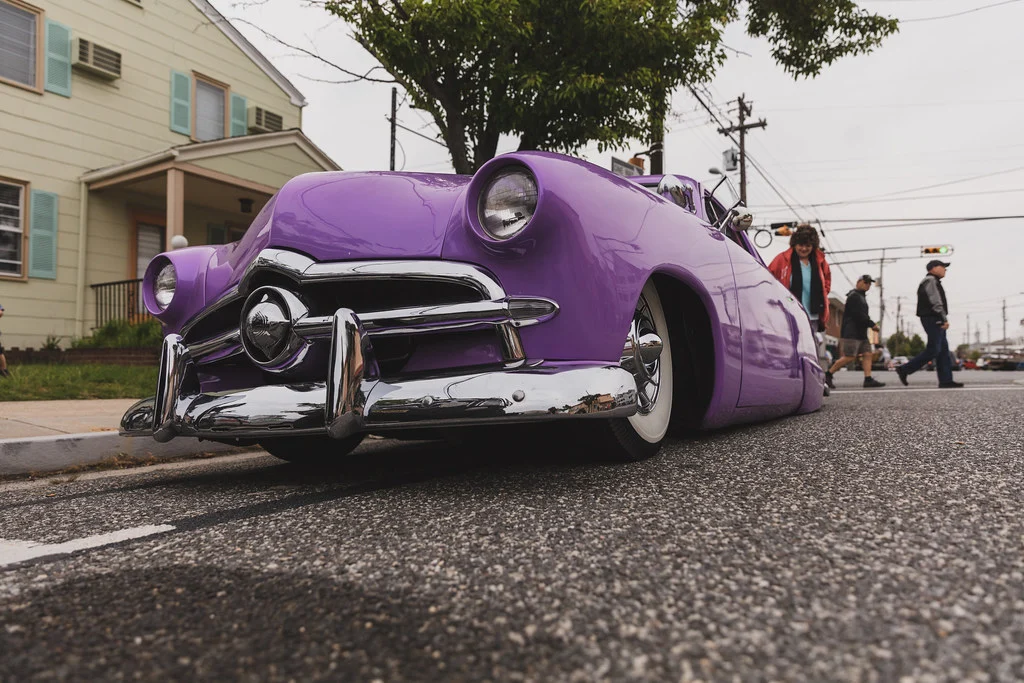
Whether you are shooting Formula 1, local club racing, rallying, drag racing, or motocross, the core principles remain the same: master the panning technique, understand your autofocus system, choose the right position, and prioritize safety. This guide covers everything from fundamental technique to the nuances of different racing environments.
The Panning Technique: Your Most Important Skill
Panning is the foundation of motorsport photography. It is the technique that separates compelling race images from snapshots. When you pan, you track a moving subject by rotating your camera to match its speed, then fire the shutter while continuing the smooth follow-through. The result is a sharp subject against a motion-blurred background. The blurred background is what conveys speed. Without it, even the fastest car looks parked. For a complete guide to this technique, see our Panning Photography page.
How to Pan Step by Step
- Stand parallel to the track with your feet shoulder-width apart and knees slightly bent
- Pick up the approaching vehicle in your viewfinder early and begin tracking it smoothly
- Rotate from your hips, not just your arms. Your whole upper body should turn as a unit.
- Match the vehicle’s angular speed in your viewfinder. The car should stay in the same position in the frame as you rotate.
- When the vehicle reaches your chosen composition point, press the shutter while continuing to pan. Do not stop your rotation at the moment of exposure.
- Follow through after the shutter fires, just like a golf swing. Stopping abruptly at the moment of exposure causes blur.
Shutter Speed Selection
The amount of background blur depends on your Shutter Speed and the speed of the vehicle. Faster vehicles require faster shutter speeds for the same amount of blur. As you get better at panning, you can use progressively slower shutter speeds for more dramatic blur.
| Shutter Speed | Effect | Difficulty |
|---|---|---|
| 1/1000s+ | Freezes everything. Sharp car, sharp background. Good for first attempts but no sense of speed. | Easy |
| 1/500s | Slight background blur. Car sharp. Subtle sense of motion. | Easy |
| 1/250s | Noticeable background blur. Good balance of sharpness and motion. Starting point for panning. | Moderate |
| 1/125s | Strong background blur. Wheels may show spoke blur. Very dynamic feel. | Challenging |
| 1/60s | Extreme background blur. Wheels are circular streaks. Very dramatic. | Difficult |
| 1/30s or slower | Extreme creative blur. Subject may partially blur. Requires excellent panning technique. | Very difficult |
Start at 1/250s and work your way down as your technique improves. The “keeper rate” drops significantly at slower speeds, but the images that do work are far more dynamic and exciting than pin-sharp freeze frames.
Autofocus Settings for Fast Subjects
Reliable Autofocus is critical for motorsport photography. The subject is moving fast, and you need the camera’s tracking system to keep up.
- Focus mode: Use continuous autofocus (AF-C on Nikon/Sony, AI Servo on Canon). This continuously adjusts focus as the distance to the subject changes.
- AF area mode: Zone or group AF works well. It covers enough of the frame to pick up the vehicle without being so wide that it grabs the background. Single-point AF is precise but very easy to lose the subject.
- Back Button Focus: Separating focus from the shutter button is very helpful. Hold the back button to track, release to lock focus.
- Focus limiter: If your lens has a focus range limiter switch, set it to the longer range to prevent the lens from hunting through close distances it does not need.
Positioning and Angles
Where you stand determines what kind of image you can make. Different positions along a circuit offer different photographic opportunities.
- Corner entry: Cars braking hard, weight shifting forward, nose diving. Dramatic side-on panning opportunities.
- Corner apex: Cars at their closest point to the inside barrier. Fill-the-frame close-ups with curbing and tire deformation.
- Corner exit: Cars accelerating, rear wheels spinning, sometimes smoke from tire spin. Head-on or three-quarter angle as cars come toward you.
- Straights: High-speed panning. Cars move fast, so you need faster shutter speeds for sharp pans. Head-on shots with telephoto compression.
- Elevation changes: Cars going over a crest or down a hill. Interesting angles and the chance to see the car from above or catch air.
- Chicanes and tight sections: Multiple direction changes in quick succession. Great for sequences.
Low angles make race cars look faster and more aggressive. Get as low as possible. Kneel, sit, or even lie down if the barriers and regulations allow it. Shooting through fences is sometimes unavoidable at public events. Use a wide Aperture and get as close to the fence as possible. The wide aperture combined with the telephoto lens’s shallow Depth Of Field will make the fence wires virtually invisible.
Safety at the Track
Motorsport is dangerous. Cars can leave the track, debris can fly, and weather conditions can change rapidly.
- Never climb over barriers or enter restricted areas
- Always be aware of the track direction and what is happening on circuit
- Stand behind solid barriers, not just catch fencing
- Wear ear protection at loud events (especially IndyCar, touring cars, and any event with open exhausts)
- Carry rain gear. Weather changes at outdoor events are common.
- Follow all instructions from marshals and officials
- If you are granted media access, attend the safety briefing and follow the credential rules exactly
Capturing the Start
The race start is the single most dramatic moment. The entire field is bunched together, all accelerating from the grid or rolling start. The visual intensity is enormous. Position yourself where you can see multiple rows of the grid, ideally with a view down the start/finish straight.
Use a moderate telephoto (100-200mm) to include several cars. A high burst rate is essential because the key moment lasts only a few seconds. Pre-focus on the grid. Switch to continuous AF just before the start lights go out. Shoot a long burst through the acceleration phase. Review later and select the peak moment: lights out, wheel spin, cars side by side.
Composition Principles for Motorsport
Strong motorsport images follow the same Photography Composition principles as any other genre, adapted for speed. The Rule Of Thirds works well: place the car on a power point with space in the direction of travel. Leading Lines from curbing, track edges, and rumble strips guide the eye toward the car. The track surface itself, with its tire marks and color changes, provides Negative Space that emphasizes the vehicle.
Environmental context makes motorsport images more interesting. Include the landscape surrounding the track, especially at scenic circuits. A car threading through a mountain pass or blasting along a coastal road tells a much richer story than a tight crop against a blurred barrier. Pull back occasionally and show the car in its environment. Include the crowd in the background for atmosphere and scale.
Reflections are powerful compositional tools in motorsport. Wet tarmac reflects the car and the sky. Polished bodywork reflects surrounding scenery. Visor reflections show the driver’s perspective. Look for these reflective elements and incorporate them into your compositions for added visual interest and depth.
Pit Lane, Paddock, and Detail Shots
Motorsport photography is not just about cars on track. The pit lane and paddock offer opportunities for storytelling that add context and drama to a race gallery. Mechanics working on cars, drivers concentrating before a race, tire changes during pit stops, team celebrations, and the emotional reactions of crew members all make compelling images.
Detail shots are equally important. Close-ups of tire treads, brake dust, carbon fiber textures, helmet visors, gloved hands on steering wheels, and rain droplets on bodywork all add variety and visual interest. Use a wide Aperture and get close. Macro Photography skills translate well to this kind of detail work.
Night Racing
Night racing adds an entirely new visual dimension. Headlights cut through darkness, brake discs glow red hot, sparks fly from underbodies, and track lights create pools of artificial illumination. The technical challenge is significant: you are working at high Iso settings with artificial Photography Lighting.
Slow panning at night produces spectacular results. A 1/15s to 1/30s pan with glowing brake discs and streaking lights creates images that are impossible to achieve in daylight. The Long Exposure Photography effects happen naturally because of the low light. Use a monopod for extra stability during these slow shutter speed pans.
Conveying Speed: Motion Blur vs. Freeze Frame
A frozen-sharp image of a race car can look like a parked car against a painted backdrop. Motion blur is what tells the viewer “this thing is moving fast.” There are several ways to introduce motion blur intentionally.
- Panning blur: The background streaks while the car stays sharp. The primary technique for most motorsport photography.
- Wheel blur: Even when the car is sharp, spinning wheels show motion at moderate shutter speeds (1/125s to 1/250s).
- Intentional Camera Movement: Moving the camera in unconventional ways during exposure for abstract, artistic results.
- Zoom burst: Zooming the lens during a slow shutter exposure creates radial blur lines emanating from the subject.
Getting Access and Building a Portfolio
Access at professional motorsport events is typically restricted. Spectator areas offer limited angles and are often behind catch fencing. Media credentials provide access to trackside, pit lane, the paddock, and sometimes the grid.
- Start by shooting at amateur and club-level events where access is often easier and sometimes free
- Track days and test sessions provide excellent practice with minimal access barriers
- Build a strong portfolio of your best work from accessible events before applying for media credentials at professional races
- Create a Photography Portfolio website showcasing your motorsport work
- Contact event organizers or series PR departments to request media credentials. Show your portfolio and explain where you plan to publish.
- Social media presence and a published track record (even blog posts) strengthen credential applications
Wet Weather and Changing Conditions
Rain transforms motorsport photography. Spray rooster-tails behind cars create dramatic curtains of water. Reflections on wet tarmac double the visual impact of lighting and car liveries. Headlights and tail lights cut through the mist. Wet conditions are more photographically interesting than dry conditions, though they require more gear protection.
Protect your gear with a rain cover and carry several microfiber cloths to keep the front element clear. Water droplets on your lens will ruin shots. A lens hood provides some protection from direct rainfall. Wrap a rubber band around your lens hood and tuck a cloth under it for quick access. In heavy rain, shoot from under covered grandstands or pit lane awnings when possible.
Dust, dirt, and changing light are common challenges at outdoor events. Rallying and off-road events produce clouds of dust that coat your equipment. Desert events, dirt track racing, and off-road courses demand extra vigilance about keeping your lens clean and protecting your camera’s sensor from fine particles. Change lenses in sheltered locations and keep a blower handy.
Adapting to Different Racing Types
Different motorsport disciplines demand different photographic approaches. Circuit racing (F1, GT, touring cars) provides repeating opportunities as cars pass the same point lap after lap. Rally offers one chance per car per stage in natural, often spectacular landscapes. Drag racing is over in seconds but produces incredible acceleration forces and tire smoke. Off-road and motocross events feature jumps, roost, and terrain interaction.
Each discipline also has different safety considerations. Rally stages require careful attention to the marshals’ instructions about safe spectating zones. Drag strips have strict rules about where photographers can stand. Motocross events allow closer access but riders can be ejected from jumps unpredictably. Always familiarize yourself with the safety protocols specific to the type of racing you are photographing.
Common Mistakes
- Always using fast shutter speeds: Pin-sharp images with frozen backgrounds do not convey speed. Learn to pan at slower shutter speeds.
- Centering the car in every frame: Leave space in front of the car (in the direction of travel) for a more dynamic composition.
- Only shooting action: The story of a race includes people, preparation, and atmosphere. Diversify your shots.
- Ignoring backgrounds: Move your position to get cleaner backgrounds. A distracting billboard or crowd behind the car weakens the image.
- Not checking settings between locations: Light changes as you move around a circuit. Check exposure at each new position.
- Chimping constantly: Checking every shot on the rear screen means missing the next moment. Shoot first, review later.
Try This
- Find a local highway overpass or road curve (staying on public land, safely behind barriers) and practice panning on passing cars. Start at 1/250s and work down to 1/60s.
- Attend a local amateur racing event or track day. These events often have relaxed access policies and plenty of action for practicing.
- Try shooting a sequence of the same corner at five different shutter speeds (1/1000s, 1/500s, 1/250s, 1/125s, 1/60s). Compare the sense of speed in each image.
- Capture a detail-only gallery at a car show or paddock walkabout: textures, reflections, curves, and mechanical components.
Frequently Asked Questions
What focal length do I need for motorsport photography?
A 70-200mm zoom covers many situations from trackside. A 100-400mm or 200-600mm zoom gives you reach for distant corners and straights. For pit lane and paddock work, a 24-70mm or similar standard zoom is useful. A Crop Factor sensor body extends your telephoto reach, which is an advantage for track photography.
Should I use a monopod?
A monopod is highly recommended for motorsport photography. It supports heavy telephoto lenses, reduces fatigue during long sessions, and provides stability for slow-speed panning. Most professional motorsport photographers use a monopod. It also keeps your camera at a consistent height and helps with smooth panning motion.
How do I shoot through catch fencing?
Get as close to the fence as possible without touching it. Use a long focal length (200mm+) and a wide aperture (f/2.8 to f/4). The shallow Depth Of Field combined with the wide aperture will make the fence wires virtually disappear. Manual focus can help if autofocus locks onto the fence instead of the cars behind it.
What camera settings do I use for a rolling start vs. standing start?
For both types, use continuous autofocus and high-speed burst. For a standing start, pre-focus on the front row and shoot through the light sequence and launch. For a rolling start, track the lead cars as they accelerate through the start/finish zone. The settings are similar, but standing starts give you a more predictable position to pre-focus on.
How do I get sharp panning shots consistently?
Practice is the only real answer. Start at faster shutter speeds and work slower as your technique improves. Use continuous AF in zone mode. Rotate from your hips with your feet planted. Keep shooting through the moment rather than stopping at the shutter press. Image Stabilization in panning mode (if your lens or camera offers it) stabilizes the vertical axis while allowing horizontal movement, which helps significantly.