Self-portrait photography is the practice of creating intentional, composed photographs of yourself using a camera on a tripod, timer, or remote trigger. It is fundamentally different from a selfie: where a selfie is casual and spontaneous, a self-portrait is deliberate, planned, and executed with the same care you would give to photographing any other subject.
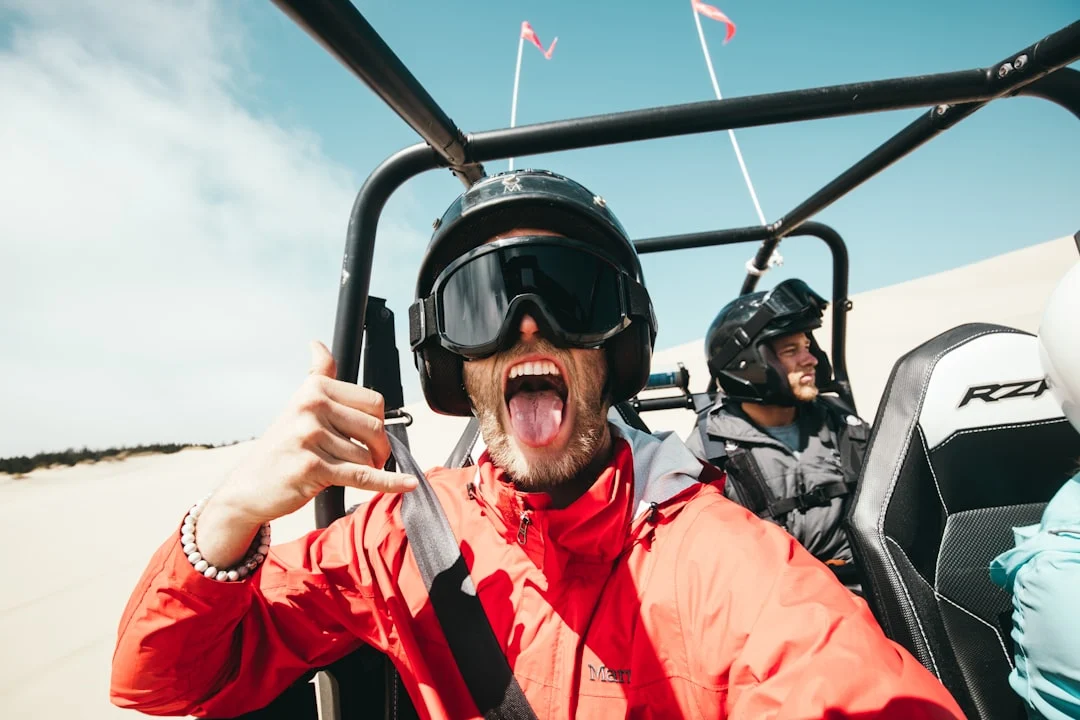
Self-portraiture has a long tradition in visual art, from Rembrandt’s painted self-studies to Cindy Sherman’s conceptual photography. For modern photographers, it is both a practical skill (you are always your own most available model) and a creative outlet for exploring identity, expression, and artistic vision.
Why Self-Portrait Photography Matters
When you photograph yourself, you gain a deeper understanding of what it feels like to be in front of the camera. This empathy improves your work with other portrait subjects because you understand the awkwardness, vulnerability, and self-consciousness that models and clients experience.
Self-portraits also give you unlimited practice time. You do not need to schedule a model, coordinate schedules, or feel pressure to make the most of someone else’s time. You can experiment freely, try techniques that might not work, and learn at your own pace.
For content creators, professionals, and anyone building a personal brand, consistent self-portrait skills ensure you always have quality images of yourself for websites, social media, and professional profiles. You never have to rely on someone else to take your photo.
Essential Gear for Self-Portraits
A tripod is the single most important tool for self-portrait photography. It holds the camera steady at any height and angle while you position yourself in front of the lens. Any sturdy tripod works, but one with a swivel head and adjustable center column gives you more flexibility for different compositions.
A remote shutter release, either wired or wireless, lets you trigger the camera from your position. This is more reliable and flexible than the camera’s built-in self-timer, which gives you a fixed countdown (typically 2 or 10 seconds) and only one shot per trigger. A wireless remote lets you shoot continuously from across the room.
Many cameras also offer smartphone app connectivity, allowing you to see the live view on your phone screen and trigger the shutter remotely. This is extremely useful for self-portraits because you can check your framing, expression, and focus in real time without walking back to the camera after every shot.
Setting Focus Without a Subject
The biggest technical challenge of self-portrait photography is achieving accurate focus when you cannot be behind the camera and in front of it simultaneously. Several methods solve this problem.
Pre-focus on a stand-in object. Place an object (a lamp, a stuffed animal, a light stand) exactly where you will be standing or sitting. Focus on it using autofocus, then switch the lens to manual focus to lock the focus distance. Move into position without touching the camera. This is the most reliable method for single-shot precision.
Use manual focus with distance estimation. Measure the distance from the camera to your position using the floor tiles, a measuring tape, or simply pacing it off. Set your lens to that distance using the focus distance markings. Use a smaller aperture (f/5.6 to f/8) for a deeper depth of field that compensates for minor focus errors.
Use continuous autofocus with face detection. Many modern cameras have reliable face and eye detection that works in continuous autofocus mode. Set the camera to continuous AF, start the self-timer or remote trigger, and the camera will focus on your face as you settle into position. This is the easiest method when your camera supports it.
Composition for Self-Portraits
Composition in self-portraits requires pre-visualization. You need to imagine the final image and set up the camera angle, framing, and background before stepping into the frame.
Use your camera’s grid overlay to align key elements with the rule of thirds. Leave space in the frame for your full pose. Many self-portrait photographers frame slightly wider than they ultimately want, then crop in post-processing. This provides a margin for positioning errors.
Think about the background before you focus on yourself. A cluttered, distracting background undermines even the best pose and expression. Choose simple backgrounds, or use a wide aperture to blur the background into a non-distracting wash of color.
Working with Light
Window light is the simplest and most flattering light source for self-portraits. Position yourself facing a large window for even, soft natural light. Turn slightly for loop or Rembrandt lighting patterns. The soft quality of window light is forgiving and creates beautiful, natural-looking portraits.
If you are working with artificial light, set it up and test it with your stand-in object before getting into position. Continuous lights (LED panels, ring lights) are easier for self-portraits than flash because you can see the light effect in real time. Ring lights, while not ideal for all portrait situations, are popular for self-portraits because they provide even, front-facing light that is difficult to set up incorrectly.
Avoid overhead room lights as your primary source. They create harsh shadows under the eyes, nose, and chin that are unflattering in close-up portraits. Turn off the overheads and rely on directional window or studio light instead. Refer to the photography lighting guide for more on controlling light quality and direction.
Expression and Posing
Being your own model means you need to direct yourself, which is harder than it sounds. Without a photographer to guide you, expressions can feel forced and poses can look stiff.
Start by relaxing. Take a few deep breaths, drop your shoulders, and soften your face before triggering the shutter. Think about something that makes you genuinely smile rather than trying to manufacture a smile. Authentic expressions are always more compelling than posed ones.
Experiment with subtle variations. Small changes in head tilt, eye direction, hand placement, and body angle create dramatically different images. Shoot many frames with slight variations and select the strongest ones afterward. The portrait posing guide provides a foundation of poses that translate well to self-portraits.
If you use a smartphone app for live view, check your expression and pose between shots. If not, shoot liberally and review on the camera’s LCD periodically. Self-portraiture requires more frames per keeper than standard portraiture because you cannot see yourself in real time.
Creative Self-Portrait Ideas
Silhouette self-portraits. Position yourself between the camera and a bright window or light source. Expose for the background to reduce yourself to a dark shape. This eliminates the need for expression and focuses on body shape and gesture.
Reflection self-portraits. Use mirrors, windows, puddles, or other reflective surfaces to capture yourself in the context of an environment. These often feel more candid and less staged than direct self-portraits.
Motion and long exposure. Use a slow shutter speed while moving during the exposure. The blur creates an abstract, ghostly effect that can express energy, transformation, or the passage of time.
Themed series. Create a set of self-portraits exploring a specific concept: emotions, seasons, professions, or artistic styles. Working in a series pushes you to think beyond single images and develop a cohesive body of work. This is a valuable photography project idea for growth.
Common Mistakes
Not checking focus before shooting. Take a test shot with your stand-in, zoom in on the LCD to confirm sharpness, then get into position. Discovering that everything is out of focus after a 30-minute session is demoralizing.
Tense body language. Running back and forth between the camera and your position creates stress that shows in your body. Slow down, breathe, and give yourself a moment to settle before each shot.
Only shooting head-and-shoulders. Self-portraits can include your full body, just your hands, your shadow, or you as a small figure in a larger scene. Variety in framing keeps your self-portrait practice interesting and develops your range.
Never printing or sharing the results. Self-portrait practice is valuable for growth, but it is also worth sharing. Include self-portraits in your portfolio and on social media. They show personality and demonstrate your ability to create compelling images.
Frequently Asked Questions
Is a self-portrait the same as a selfie?
No. A selfie is typically a casual snapshot taken at arm’s length with a phone. A self-portrait is a deliberate, composed photograph created with the same care and technique as any other portrait. Self-portraits use tripods, planned lighting, intentional composition, and often post-processing.
Do I need a remote shutter release?
It is highly recommended but not strictly required. You can use your camera’s self-timer (set to 10 seconds) as an alternative. However, a remote lets you take as many shots as you want without walking to the camera between frames, which makes the process much faster and less exhausting.
How do I avoid looking awkward in self-portraits?
Practice is the primary answer. The more self-portraits you take, the more comfortable you become in front of the camera. Study poses in magazines and other photographers’ work for inspiration. Remember that slight angles are more flattering than facing the camera straight on, and genuine expressions always look better than forced ones.