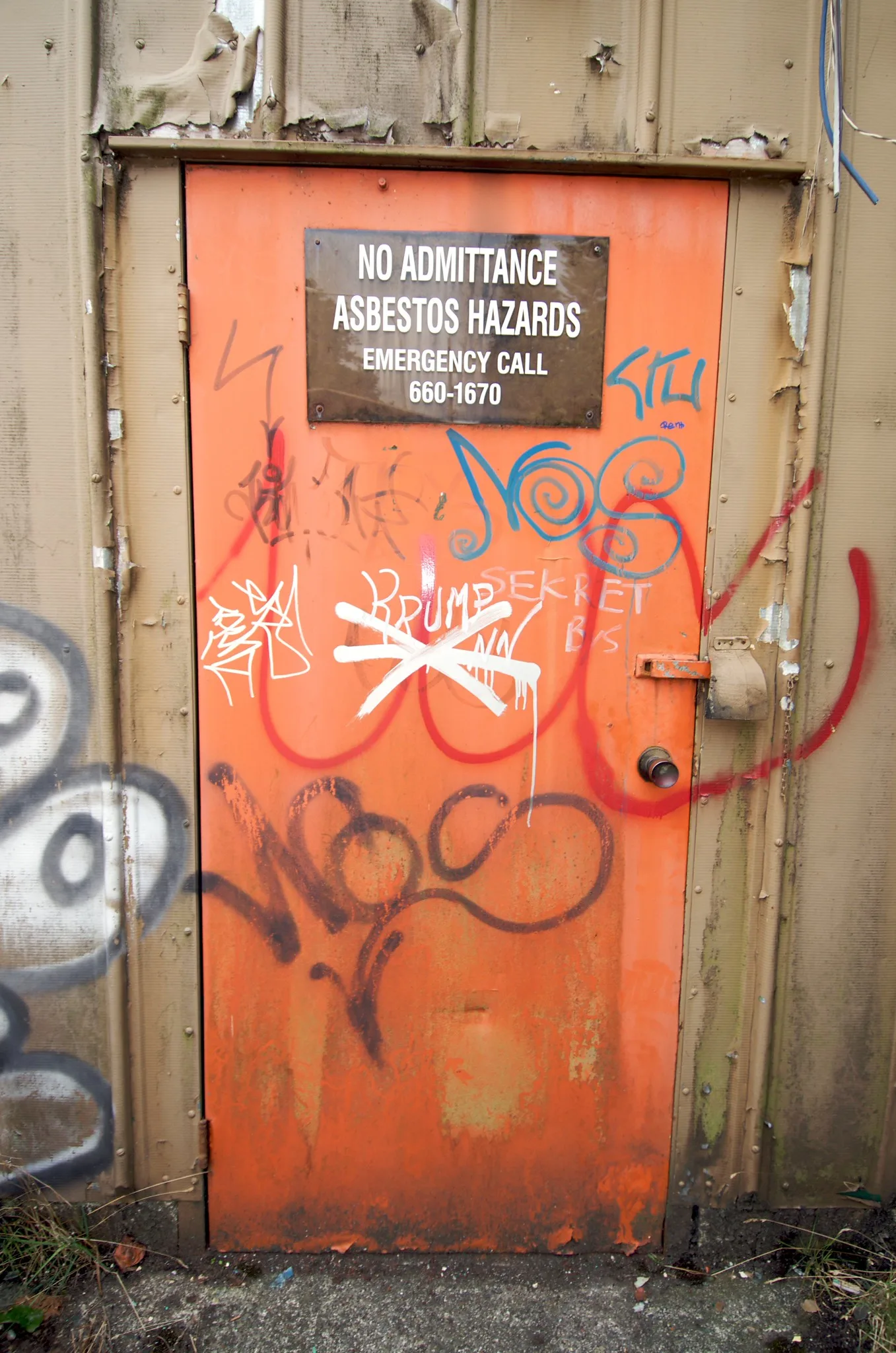
Doors are everywhere, and yet they are some of the most rewarding subjects you can photograph. A bright blue door in a whitewashed village, a heavy wooden door studded with iron, a rusty hatch in a stone wall or a doorway glowing with warm light at dusk all hint at the stories behind them. Doors invite curiosity. They suggest arrival and departure, welcome and secrecy, and every one is a little different.
This guide covers why doors make great subjects, finding interesting doors, the straight on door portrait, light, color, texture and age, details, doorways as frames, gates and shutters, doors at night, people and doors, door series, settings, phones and editing. For walls covered in paint, see the guide to graffiti photography, and for quiet streets full of charming doors, see the guide to small town photography.
Why doors make great subjects
Doors combine design, color and story in a simple, ready made composition.
- A natural frame. A door is already a rectangle, which fits neatly in a photograph and gives instant structure.
- Color. Painted doors in red, blue, green and yellow pop against plain walls.
- Texture and age. Peeling paint, worn wood, rust and moss show the passing of time.
- Character. Knockers, handles, house numbers and mail slots reflect the people and places behind them.
- Mystery. A closed door makes the viewer wonder what lies behind it, and an open one invites them in.
Doors are also patient subjects. They do not move, they are found on almost every street and they reward slow, careful looking. A walk through any neighborhood can turn up a dozen doors worth photographing, and each one teaches something about color, light and composition.
Finding interesting doors
Some places are especially rich in beautiful doors.
- Old town centers. Historic streets often have carved wooden doors, iron fittings and decorative arches.
- Villages and small towns. Painted doors with flower boxes and lanterns give charm and color.
- Churches, temples and grand buildings. Large ornate doors show craftsmanship and scale.
- Industrial areas. Metal doors, roller shutters and loading bays offer bold color, rust and graffiti.
- Farms and countryside. Barn doors, gates and shed doors have rustic texture.
Walk slowly and look in every direction, including down alleys and up at upper floors. Many of the best doors are tucked away on side streets, so wander rather than following the main route. Keep a note of good doors, since the light might be better at another time of day. A quick picture on your phone, with a note of the street and direction it faces, makes it easy to return at the right hour.
The straight on door portrait
The classic door picture is taken straight on, with the door filling most of the frame. This simple approach shows the shape, color and design clearly.
- Stand square. Face the door directly, with the camera at the height of the middle of the door.
- Keep lines straight. Hold the camera level so the edges of the door stay upright and parallel, rather than leaning inward.
- Include a little surround. A border of wall, step or frame around the door gives context and breathing room.
- Center it. Doors often look best centered, since their symmetry is part of their appeal.
If the door is tall and the street is narrow, step back as far as you can and zoom in, rather than tilting the camera up, which makes the door lean backward. A small amount of leaning can be corrected later in editing.
Other angles
Once you have the straight on picture, try others. An angled view along a street shows a row of doors receding into the distance. A low angle makes a grand door feel taller and more imposing. A close crop of half a door, with its handle and a strip of wall, can be more intriguing than the whole thing. Each angle tells the story a little differently. Try including the steps, a bench or a pot of flowers beside the door, which can turn a simple door picture into a scene with a sense of welcome.
Light on doors
Light makes or breaks a door picture.
- Soft, even light. Overcast days and open shade give smooth, even light that shows color and detail without harsh shadows. This is ideal for most door pictures.
- Side light. Low sun from one side brings out carving, texture and peeling paint.
- Avoid patchy shade. Dappled light from trees or harsh shadows from rooftops can cut across a door in distracting ways.
- Glowing doorways. At dusk, an open door with warm light inside looks inviting against the blue of evening.
Note which way a door faces. A door facing east catches morning sun, and one facing west glows in the evening. For even light on a sunny day, choose doors in shade, or come back when the sun has moved. The guide to overcast day photography explains why soft light works so well for subjects like these.
Doors at night
Doors change completely after dark. A lantern beside a door casts a warm pool of light, an open doorway spills a golden glow onto the street and a lit window above a door suggests life inside. Photograph during blue hour, when the sky still has some color, so the warm light contrasts with the cool evening. Rest the camera on a wall or use a tripod, keep the ISO low and use a slower shutter speed to capture the glow cleanly. A single lit doorway on a dark street makes a quiet, cinematic picture.
Color
Painted doors are some of the most joyful subjects in photography.
- Contrast. A red door in a gray wall or a blue door in a white wall makes the color sing.
- Harmony. A green door with green plants, or a yellow door with a matching window frame, looks pleasing and calm.
- Accent colors. A bright door knocker, a pot of flowers or a colorful mailbox adds a small pop of color.
- Faded colors. Sun bleached paint has a soft, gentle beauty.
Expose carefully so bright colors keep their detail. Slightly darker exposure often deepens color, while overexposure washes it out.
Want to understand why some color combinations work so well? The guide to color in photography explains contrast, harmony and mood.
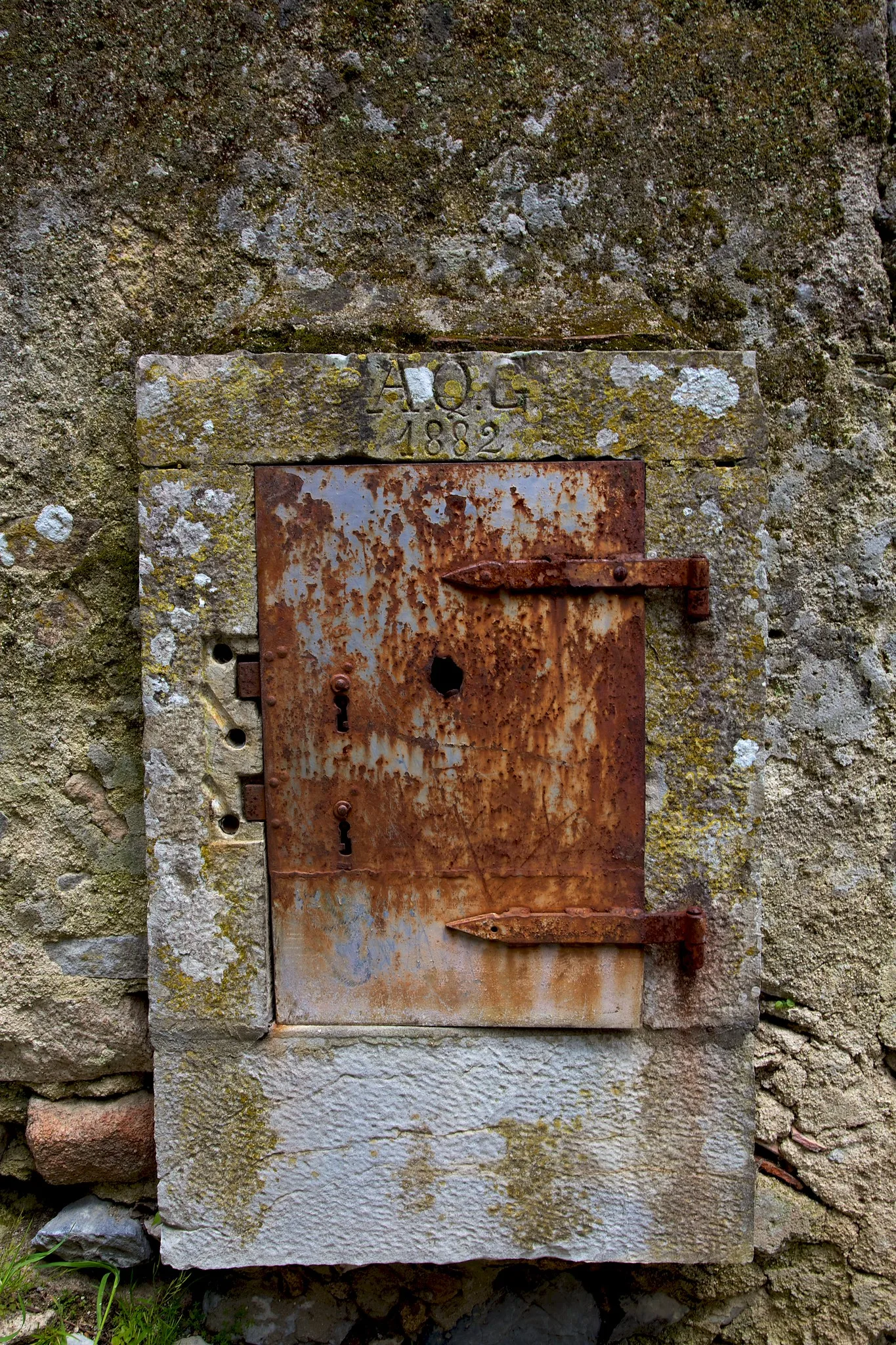
Texture and age
Old doors carry the marks of time. Peeling paint, cracked wood, rusty hinges, worn steps and moss on stone tell stories of years of use.
- Use side light. Light raking across the surface brings out every crack and ridge.
- Get close. Fill the frame with peeling paint or grain for abstract pictures.
- Show layers. Paint layers of different colors peeking through each other show the history of the door.
- Include surroundings. Crumbling walls, weeds and stone steps add to the sense of age.
Black and white often suits old doors, since it emphasizes texture and form. The guide to texture has more ideas for capturing surfaces.
Gates, shutters and garage doors
Do not overlook the less glamorous doors. Garden gates, wrought iron gates, rolled steel shutters, garage doors and shed doors are full of pattern and character. Shop shutters are often painted with murals or covered in tags, and a row of garage doors makes a neat study of repetition. Barn doors and farm gates bring rustic wood and weathered hardware. Treated with the same care as a grand front door, these everyday doors can make some of the most surprising pictures on a walk.
Door details
Doors are full of small details that make lovely close pictures.
- Knockers. Lion heads, hands and rings make charming subjects.
- Handles and locks. Old keyholes, brass handles and latches show craftsmanship.
- House numbers. Painted tiles, brass numbers and hand lettered signs add character.
- Mail slots and bells. Small, often overlooked, and full of personality.
- Hinges and studs. Iron fittings make strong patterns.
Use a wide aperture to blur the background, or a smaller one to keep the whole detail sharp. A set of details from one door, shown with a wider picture, makes a lovely portrait of a single place.
Doorways as frames
Doorways are natural frames. Shooting through an open doorway draws the eye into the scene beyond, such as a garden, a courtyard, a street or a room.
- Frame a view. Stand inside and look out through the doorway to a bright scene.
- Frame a person. A person standing in a doorway makes a classic portrait, with the frame around them.
- Use light and dark. A dark interior around a bright doorway makes a strong contrast.
- Layer doorways. A series of doorways one after another, like in an old building, creates depth.
Expose for the brighter area, which is usually the view beyond the door, and let the frame go dark for a dramatic effect.
Interested in using frames within your pictures? The guide to framing in photography explains how to use doors, windows and arches.
People and doors
A person in or near a door adds life and story. A friend leaning in a colorful doorway, someone stepping through a door or a figure walking past a row of doors all make lovely pictures.
- Use a friend. Ask a friend to pose in a doorway that matches their clothes or mood.
- Wait for a passerby. Frame a door and wait for someone to walk past, kept small and general.
- Show scale. A person beside a huge door shows its size.
Respect privacy. Doors on homes belong to real people, so avoid photographing people at their own doors without asking, and do not include house numbers and names in ways that reveal where someone lives. Never step onto private property for a picture. If an owner comes out, a smile and a compliment about their door usually goes a long way, and some may even share its history.
Door series
Doors are perfect for a series. A grid of colorful doors from one town, or the same type of door from many places, makes a striking collection.
- Keep it consistent. Photograph each door the same way: straight on, centered, in similar light.
- Choose a theme. Red doors, old doors, doors with knockers or doors from one street.
- Display as a grid. Nine or sixteen doors in a grid make a beautiful print or post.
A door series is a simple and satisfying project that can grow over many walks and trips. Revisiting the same door through the seasons, with a wreath in winter, flowers in spring and fallen leaves in autumn, makes a quieter series about time. Pairs of doors also work well side by side as a diptych, such as an old door and a fresh one.
Want to build your doors into a collection? The guide to creating a photo series explains how to plan and present one.
Settings for door photography
- Aperture. Use f/5.6 to f/8 for sharp doors from edge to edge.
- Details. Use f/2.8 to f/4 to blur the background behind a knocker or handle.
- ISO. Keep it low for clean detail, raising it in shade if needed.
- Focal length. A standard or short telephoto lens keeps lines straight. Wide lenses close up can distort.
- Grid lines. Turn on the grid display to keep the door straight and centered.
Using a phone
A phone is ideal for doors, since they are often found on casual walks. Turn on grid lines, step back and zoom slightly to avoid distortion, and tap to set exposure on the door. Many phones can correct lines automatically or in their editing tools.
Editing door photos
Straighten vertical lines so the door stands upright, and crop for a clean, balanced frame. Adjust exposure and contrast to bring out texture, and add a little vibrance for painted doors. Keep color natural, since overdone saturation makes doors look fake. For a series, edit every door the same way for a consistent look.
Common mistakes
- Leaning lines. Tilting the camera makes the door lean. Stand square and level.
- Harsh, patchy light. Dappled sun and strong shadows distract. Look for even light.
- Too much clutter. Bins, cars and signs in front of a door spoil the picture. Change angle or crop.
- Cutting off edges awkwardly. Include the whole door or crop boldly, not half way.
- Wide angle distortion. Step back and zoom in rather than shooting close with a wide lens.
- Trespassing. Stay on public paths and respect private homes.
Try this: a 10-minute door walk
Take a ten minute walk around your neighborhood, and photograph every interesting door you find.
- Photograph each one straight on, centered and level.
- Take one close detail of the best door.
- Find one doorway to use as a frame for a view.
At home, arrange the straight on pictures in a grid. You may be surprised how much variety there is on even the most ordinary street. Notice which doors stand out in the grid and why: a strong color, an unusual shape or a detail that hints at a story. Use what you learn to guide the next walk.
Frequently asked questions
How do I keep a door straight in photos?
Stand square to the door, hold the camera level at middle height and use grid lines. Correct small leans in editing.
What is the best light for photographing doors?
Soft, even light from an overcast sky or open shade. Side light is great for texture.
Is it okay to photograph doors of houses?
Photographing doors from a public street is generally fine. Be respectful, stay off private property and avoid revealing personal details.
What lens is best for door photography?
A standard or short telephoto lens, which keeps lines straight from a comfortable distance.
Where can I find the most interesting doors?
Old town centers, villages, historic buildings, industrial areas and farms all have characterful doors. Side streets are often better than main roads.
Should door photos be in color or black and white?
Color suits painted doors, while black and white suits old, textured doors where shape and surface matter most.
For terms such as symmetry, framing, perspective and texture, see the photography glossary.