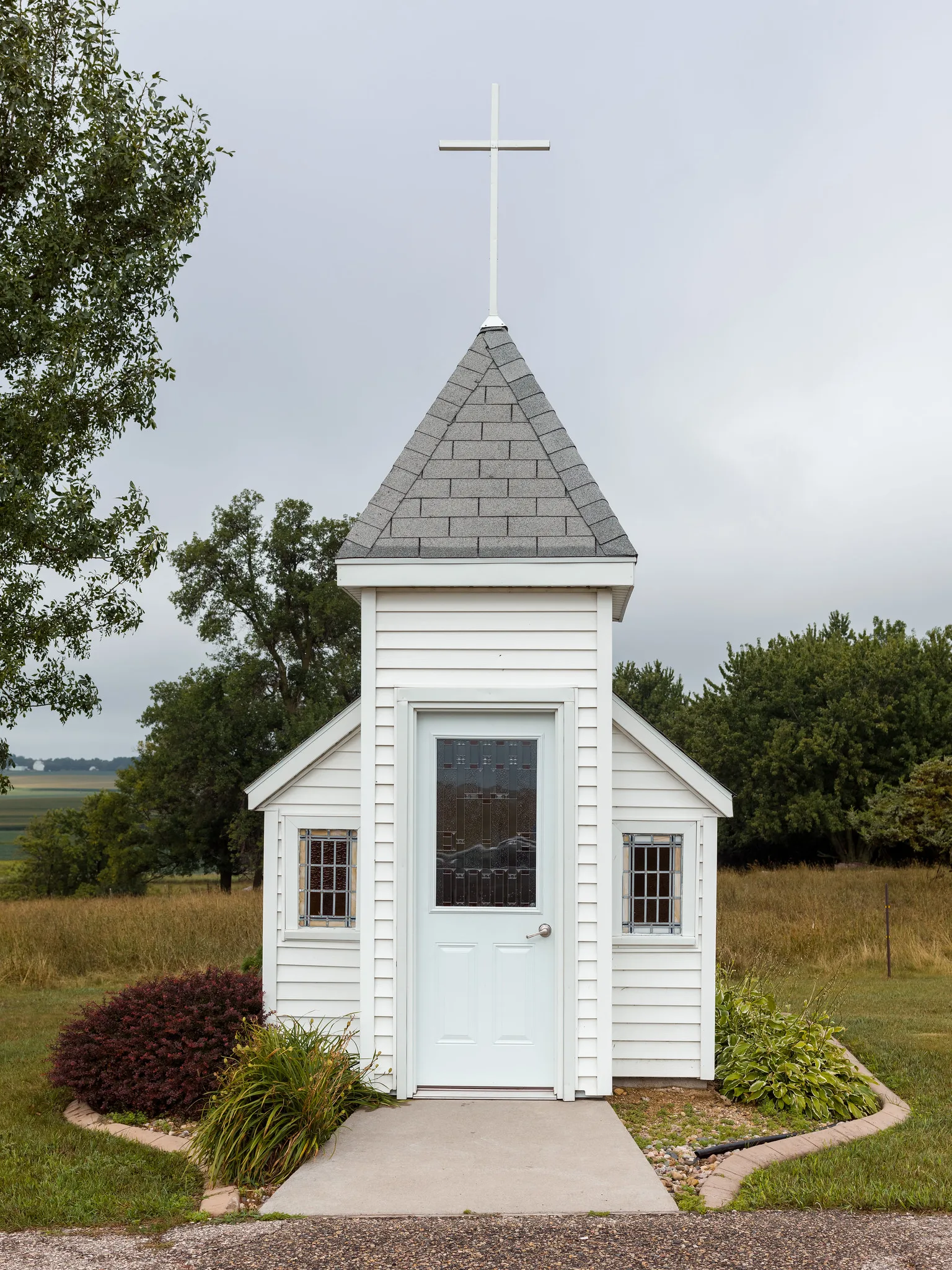
Churches are among the most photographed buildings in the world, and for good reason. A white country chapel beside a field, a steeple rising above village rooftops, a stone church on a hill or a grand cathedral at the end of a square all carry history, craftsmanship and a strong sense of place. Many photographers find that the outside of a church, seen in beautiful light and in its setting, tells a story just as powerful as the interior.
This beginner guide focuses on photographing churches from the outside: kinds of churches, finding the best view, keeping lines straight, symmetry, steeples and details, churches in their setting, light, weather and seasons, night views, people and community, respect, settings, phones, editing, common mistakes and a short practice exercise. For stained glass, ceilings and dim interiors, see the guide to photographing museums and churches inside.
Why churches are rewarding subjects
- Strong shapes. Steeples, spires, domes and gables make bold outlines against the sky.
- Craftsmanship. Carved stone, painted wood, bell towers and stained glass windows reward a closer look.
- History. Many churches are among the oldest buildings in their town.
- Sense of place. A church often sits at the heart of a village or on the edge of farm country, defining the landscape around it.
- Calm. Quiet churchyards and simple chapels make peaceful, timeless pictures.
Whether you share a faith or simply admire architecture, churches give you clear subjects with plenty of variety. The guide to architecture photography covers the wider craft of photographing buildings.
Seeing a church as a story
Every church was built by a community for a reason, and many have been rebuilt, extended and repaired over generations. Look for clues to that story: a newer wing beside an old stone tower, a bell that once rang for a whole valley, a date stone above the door, hand painted signs announcing suppers and festivals, or a gravel lot worn by decades of Sunday cars. When you photograph a church with its story in mind, you start to notice details that make it unique rather than simply recording another building. A short note about what you learned, shared alongside the picture, gives viewers a reason to linger.
It also helps to think in sets. One picture rarely tells the whole story of a church, but four or five can: a distant view in the landscape, a portrait of the front, a steeple against the sky, a detail of the door and a view at dusk with lit windows. Planned this way, even a small rural chapel can become a rich photo essay.
Kinds of churches
- Country churches. Small white wooden churches beside fields and roads.
- Wayside chapels. Tiny chapels built for travelers to rest and reflect.
- Village churches. Stone or brick churches at the center of small towns.
- Cathedrals. Large, ornate churches with towers, buttresses and great doors.
- Mission churches. Mud brick and plastered churches with bell walls.
- Domed churches. Onion domes and round domes, often painted or gilded.
- Abandoned churches. Weathered buildings left behind as towns change.
Each style suggests a different approach. A tiny chapel suits a simple, centered portrait, while a cathedral may need a long lens from across a square and a village church a view across rooftops.
Timing a visit
Weekday mornings are often the quietest times to photograph churches, with empty parking lots and few visitors. Check posted service times before you go and plan around them. Bells ringing at noon or in the evening can be a lovely moment to record on video, and community events such as fairs and suppers can give you lively pictures of the church in use, as long as you ask organizers first.
Finding the best view
- Walk around. Look at the church from every side and from near and far.
- Front view. Facing the main door shows symmetry and the full facade.
- Three quarter view. Standing off to one corner shows two sides and adds depth.
- From a distance. A hill, bridge or road outside town shows the church above surrounding buildings.
- Through gaps. Gates, trees and archways frame the church.
Use a map to find roads and hills with a line of sight to the steeple. The guide to location scouting explains how to plan before you go.
Country churches and road trips
Driving through farm country is one of the best ways to find beautiful churches. White steeples appear above fields from miles away, and many small communities have charming churches at crossroads. Slow down, pull off safely and take a moment to look. Many of these buildings are photographed rarely, so you may come away with pictures no one else has. Keep a list of places you pass in poor light and plan to return at golden hour. The guide to road trip photography has more tips for photographing along the way.
Keeping lines straight
Tall steeples lean backward when the camera tilts up. This is called converging verticals.
- Step back. Keep the camera level and include more foreground, then crop.
- Go higher. A slope or steps across the street reduces the upward angle.
- Use a longer lens. From farther away, verticals stay straighter.
- Correct later. Most editing apps straighten verticals easily.
The guide to perspective distortion explains why buildings lean and how to fix it.
Symmetry and composition
- Center the facade. Many churches are symmetrical, so a centered view feels calm and formal. See the guide to symmetry.
- Off center in landscape. A small church placed on a third line in a wide field feels peaceful.
- Leading lines. Paths, fences and roads lead to the door.
- Negative space. A big sky above a small chapel emphasizes solitude.
- Portrait orientation. Suits tall steeples and narrow facades.
Check the edges of the frame for parked cars, trash bins and signs, and move a little to remove them.
Lens choice in practice
Lens choice changes the feeling of a church picture dramatically. A wide lens close to the building makes the steeple soar and the doors loom large, which suits dramatic interpretations but exaggerates leaning lines. A standard lens from across the street gives a natural, honest view. A telephoto from a distance flattens the scene, keeps lines straight and lets you place the church against a hill, a stormy sky or a row of trees. Try all three at the same church and compare. Most photographers find the longer lens views feel more refined, while wide views work best for big, close facades.
Steeples and details
- Steeples. A long lens isolates the steeple against sky or clouds.
- Doors. Old wooden doors with iron hinges make lovely close ups. See the guide to door photography.
- Windows. Stained glass seen from outside, arched frames and shutters.
- Bells and crosses. Simple shapes high above the roofline.
- Stonework. Carvings, worn steps and weathered walls show age.
- Signs and boards. Hand painted signs add local character.
Side light reveals texture in stone and wood. The guide to texture has more ideas for detail pictures.
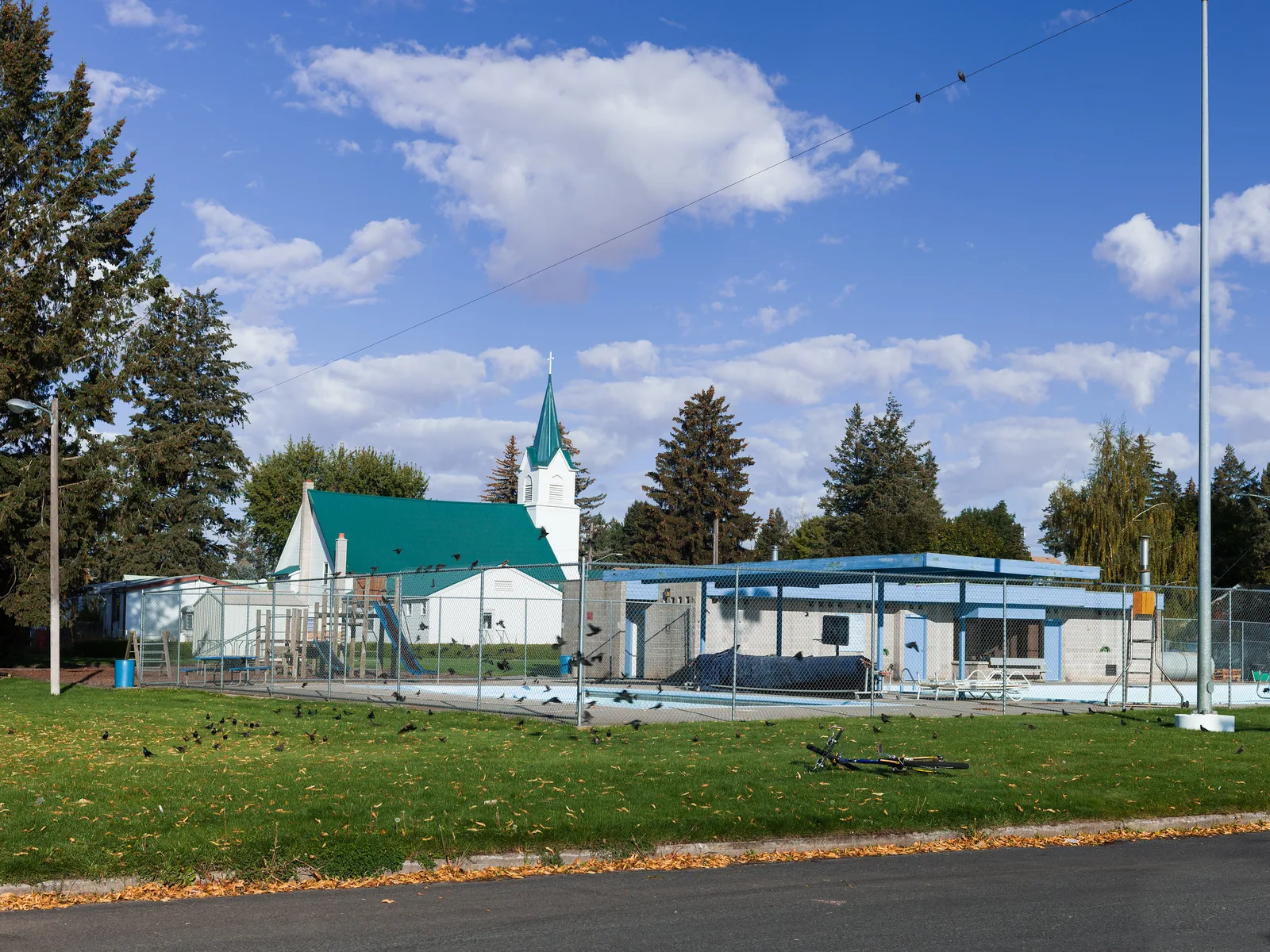
Churches in their setting
- Farm country. A white church alone among fields is a classic image. See the guide to rural photography.
- Small towns. A steeple above main street rooftops shows community. See the guide to small town photography.
- Hills and valleys. Churches on hilltops can be seen for miles.
- Coasts and lakes. Reflections double the church in calm water.
- Everyday life. A playground, pool or market in front shows how the church fits into daily life.
A long lens from far away can stack a steeple behind houses and trees. The guide to lens compression explains this effect.
Churchyards and grounds
The grounds around a church are full of quiet subjects. Old iron gates, stone walls covered in moss, lych gates, gardens and paths through long grass all add atmosphere. Wildflowers in spring and fallen leaves in autumn bring color, while frost on grass gives a delicate winter mood. Look for a bench under a tree, a bell rope, a weathervane or a small sign welcoming visitors. When photographing in churchyards, always walk on paths, avoid stepping on graves and keep a respectful distance from visitors who come to remember loved ones.
Light, weather and seasons
- Golden hour. Warm light makes white churches glow and stone look rich.
- Overcast. Soft light suits white wooden buildings and avoids harsh shadows.
- Storms. Dark skies behind a sunlit steeple are dramatic.
- Fog. Mist softens backgrounds and adds mystery.
- Autumn. Colored trees frame churches beautifully.
- Winter. Snow on roofs and a white churchyard create quiet scenes.
Note which way the front of the church faces. East facing churches catch morning light on the facade, while west facing ones glow in the evening.
Reflections and water
Churches beside rivers, lakes, ponds and harbors offer beautiful reflections. Calm mornings give the clearest mirrors, so arrive early before wind ripples the surface. Get low to the water so the reflection fills more of the frame, and place the shoreline across the middle for a symmetrical view or lower for more sky. After rain, puddles in a church parking lot or square can reflect a steeple in surprising ways. The guide to reflection photography has more ideas.
Churches at night
- Blue hour. Shoot just after sunset when the sky is deep blue and lit windows glow. See the guide to blue hour photography.
- Floodlights. Many churches are lit at night, making the steeple stand out.
- Stars. Rural churches under a starry sky make wonderful night pictures.
- Tripod. A tripod keeps long exposures sharp.
Interested in other tall landmarks? The guide to tower photography covers spires, clock towers and lookouts.
Abandoned and historic churches
Some churches stand empty, left behind as populations moved. Their peeling paint, broken windows and leaning steeples can make powerful pictures about time and change. Photograph them from public roads and never enter without permission, since old buildings can be unsafe and are often still owned and cared for by someone. Historic churches may be protected sites with their own rules for visitors and photographers, so look for signs and respect them. The guide to urban exploration photography explains how to photograph old buildings safely and responsibly.
People, community and respect
- Services. Avoid photographing during services unless invited.
- Weddings and funerals. Give private ceremonies space and privacy.
- Churchyards. Walk carefully among graves and do not lean on stones.
- Ask. A friendly word with a caretaker often leads to stories and access.
- People in pictures. Ask before photographing worshippers or volunteers closely.
Treat churches as living places of worship, not just backdrops. The guide to cultural sensitivity in photography has more advice.
Settings, phones and editing
- Aperture. f/8 to f/11 for sharp buildings.
- ISO. Low for clean detail; higher for hand held dusk views.
- Lenses. A wide or standard lens for the whole church, a telephoto for steeples and distant views.
- Exposure. White churches can lose detail, so watch highlights and reduce exposure slightly.
Using a phone
Turn on the grid to keep lines straight and the church centered. Tap on the white walls and lower exposure a little to keep detail. Use the telephoto lens for steeples and night mode for lit churches at dusk.
Editing church photos
Straighten verticals first. Lower highlights to protect white siding and bright skies. Add a little clarity to stone and wood. Black and white suits old stone churches and dramatic skies, while warm tones suit golden hour views.
Black and white churches
Churches are ideal subjects for black and white. Without color, the eye focuses on shape, texture and light: the triangle of a gable, the point of a steeple, the rhythm of windows and the grain of old stone. Dramatic skies become more powerful, and white wooden churches stand out cleanly against darker trees. In editing, darken blue skies by lowering the blue channel to make clouds stand out, and add contrast carefully so white walls keep some texture. Many of the most memorable church pictures ever made are in black and white.
Common mistakes
- Leaning steeples. Keep the camera level or correct later.
- Blown out white walls. Lower exposure slightly.
- Cluttered edges. Move to remove cars, bins and wires.
- Ignoring the setting. Show fields, streets and sky.
- Disturbing services. Check times and be respectful.
- One view only. Try near, far, details and night.
Making a church series
Photographing many churches in the same way creates a striking collection. Choose a consistent approach, such as a centered front view in soft light, and repeat it at every church you find in a region. Displayed together in a grid, the differences in shape, color and setting become fascinating. Typologies like this have long been a favorite approach of documentary photographers, and they make a satisfying long term project for beginners too.
Try this: a 10-minute church study
Choose a church near you and make five pictures in ten minutes.
- A centered, symmetrical view of the front.
- A three quarter view showing two sides.
- A distant view with the church in its setting.
- A telephoto view of the steeple against the sky.
- A close detail of a door, window or sign.
Frequently asked questions
Can I photograph churches from outside?
Yes, from public places. Be respectful during services and ceremonies.
How do I stop steeples from leaning?
Keep the camera level, step back or correct verticals in editing.
What time of day is best?
Golden hour for warm light and blue hour for lit windows and steeples.
How do I keep white churches from looking washed out?
Lower exposure slightly and reduce highlights in editing.
Do I need permission to photograph a church?
From public streets, usually not. On church grounds or for commercial use, ask the church office first.
What lens is best for churches?
A standard lens for honest views, a telephoto for steeples and distant views, and a wide lens for close, dramatic facades.
Love simple buildings in the countryside? The guide to barn photography covers rural buildings, weathered wood and farm light.
For terms such as converging verticals, symmetry and blue hour, see the photography glossary.