Maternity photography captures one of the most transformative periods in a person’s life. Done well, these images become treasured keepsakes that document the anticipation, beauty, and emotion of pregnancy. Done poorly, they become a source of frustration for clients who already feel vulnerable about their changing bodies. Whether you are a photographer adding maternity sessions to your offerings or a parent looking to understand what makes a great maternity shoot, this guide covers everything from timing and consultation to posing, lighting, camera settings, and editing.
When to Schedule a Maternity Session
Timing is one of the most important decisions in maternity photography. Schedule too early and the bump may not be visible enough to read as a maternity session. Schedule too late and the client may be too uncomfortable to pose, stand for extended periods, or travel to a location.
The ideal window for most clients is between 28 and 34 weeks of pregnancy (roughly seven to eight months). At this stage, the belly is clearly rounded and prominent, but the client is generally still mobile and comfortable enough to hold poses. Many photographers recommend booking the session around the 30 to 32 week mark as the sweet spot.
However, every pregnancy is different. Clients expecting multiples may need to schedule at 24 to 28 weeks due to mobility concerns. During your initial client consultation, ask about the due date, how the pregnancy is progressing, and any physical limitations.
Build buffer time into your calendar. If a session at 32 weeks needs to be rescheduled due to bed rest or complications, you need room for a backup date. Many experienced maternity photographers hold one or two open slots per month specifically for rescheduled sessions.
The Client Consultation
A thorough consultation before the session is essential. Maternity clients are often more anxious than other portrait clients because they feel uncertain about their changing body. A strong consultation builds trust, manages expectations, and prevents surprises on shoot day.
What to Cover in the Consultation
- Vision and style. Ask what kind of images the client has in mind. Soft and romantic? Bold and editorial? Casual and lifestyle? Have them share reference images. This aligns your creative direction with their expectations.
- Location preferences. Studio, outdoor, or in-home? Each has trade-offs covered below. Let the client’s comfort level and style guide this choice.
- Who will be in the photos. Solo session, or will a partner, older children, or pets be included? This affects your posing plan, time estimate, and session flow.
- Wardrobe plan. Discuss outfit options early. Many photographers provide a client wardrobe or style guide. If the client is bringing their own clothes, review fabric types, colors, and fit beforehand.
- Physical comfort. Ask about back pain, swelling, difficulty standing, or other discomforts. Knowing their limitations lets you plan comfortable poses.
- Timeline expectations. How long will the session last? How many final images? When will the gallery be delivered? Clear answers prevent misunderstandings. Put it all in your contract.
Send a preparation guide at least one week before the session. Include reminders about hydrating, moisturizing the belly (lotion reduces dry skin visible in close-ups), sleeping well, and avoiding tight clothing that leaves marks on the skin. Sock lines, bra strap indentations, and waistband marks take 30 minutes or more to fade, so clients should change into loose clothing at least an hour before the session.
Location Options
Where you shoot a maternity session shapes the entire mood and aesthetic of the final images. Each setting has distinct advantages and challenges.
Studio Sessions
A studio gives you total control over lighting, temperature, and background. You can use backdrops in any color, set up precise lighting ratios, and avoid environmental distractions. Studios also offer privacy, which matters when clients want bare belly or draped fabric shots they would not feel comfortable doing in a public park.
The biggest advantage of studio work is consistency. Rain, wind, and failing light are not factors. The challenge is making a studio session feel warm rather than clinical. Use soft textures like flowing fabrics, cushions, or a comfortable chair. Keep the studio warm. Pregnant clients are more sensitive to cold, and if you are working with bare skin or sheer fabrics, comfort is critical. A space heater and a cozy robe for between setups go a long way.
Outdoor Sessions
Outdoor maternity sessions offer natural beauty, variety, and a sense of openness that studio walls cannot replicate. Fields, gardens, beaches, tree-lined paths, and urban architecture all make compelling backdrops. Choose a location that complements the client’s style without competing for attention.
Schedule outdoor sessions during golden hour whenever possible. The warm, directional light in the last hour before sunset flatters skin tones and wraps around the belly beautifully. Backlighting creates a glowing rim of light around the silhouette that is especially striking for maternity work.
Scout your location in advance at the same time of day you plan to shoot. Check for shade options in case it is hotter than expected. Bring a blanket for ground-level poses and water for the client. Pregnant clients tire more quickly, so choose locations with easy access and minimal walking.
In-Home Sessions
Lifestyle maternity sessions in the client’s home feel intimate and personal, capturing the client in a meaningful space. The nursery, the bedroom, or a favorite reading corner can all serve as the setting.
The advantage of in-home shoots is comfort. The client is in their own space, near their own bathroom, with easy access to wardrobe changes. There is no travel stress. For high-risk pregnancies where mobility is limited, an in-home session may be the only practical option.
The challenge is natural light. Most homes do not have the large windows or open floor plans that make beautiful natural light portraiture easy. Before the session, ask the client to send photos of the rooms and windows so you can identify the best spots. Look for large windows that face north or get indirect light. You may need to move furniture to create space and clear clutter from the background. A simple reflector fills shadows when the window light does not wrap around the subject evenly.
Maternity Posing Guide
Posing for maternity sessions requires a different approach than standard portrait photography. The goal is to celebrate and accentuate the baby bump while keeping the client comfortable, confident, and natural-looking. Every pose should make the belly visible and prominent. If you need a refresher on general posing principles, see the portrait posing guide for foundational concepts that apply here too.
Foundation Principles for Maternity Posing
- Angle the body 45 degrees. A client facing the camera straight-on flattens the belly. Turning at a 45-degree angle reveals the full profile of the bump. This is the single most important posing principle in maternity photography.
- Hands on the belly. Placing one or both hands on the belly draws the eye to the bump, creates a visual connection between parent and baby, and gives the client something natural to do with their hands. Vary the placement: one hand on top and one underneath, both cradling the bottom, or fingertips resting on the sides.
- Create a gentle arch in the back. A slight lean back shifts the belly forward and creates a more dramatic silhouette. Do not overdo this or the client will strain their lower back. A gentle shift of weight is enough.
- Shoot from slightly below eye level. Dropping to chest height makes the belly appear more prominent and creates a powerful, confident perspective. Do not go so low that you are shooting up their nostrils.
- Watch for tension. Pregnant clients carry tension in their shoulders, neck, and jaw. Before every shot, remind them to drop their shoulders, relax their jaw, and breathe. Tension reads immediately on camera.
Solo Poses
- The profile. Client stands perpendicular to the camera, belly in full profile. One hand on top, one underneath. Head turned slightly toward camera or looking down at the belly. Works in any setting.
- The gentle hold. Client at a 45-degree angle, both hands cradling the belly from below, looking down with eyes closed. Pair with side lighting for beautiful dimension.
- The over-the-shoulder look. Client faces away from camera at a slight angle, looking back over her shoulder toward the lens. Shows the belly in profile with a dynamic, editorial feel.
- Seated with fabric. Client sits on a low stool or the floor, legs tucked to one side, flowing fabric draped around her. Works especially well in studio settings.
- The silhouette. Position the client in full profile in front of a bright window or backlight. Expose for the background to create a clean silhouette that outlines the bump.
- Walking toward camera. Client walks slowly toward you with one hand on the belly. Shoot in burst mode. Natural movement creates authentic expressions and avoids the stiffness of static posing.
New to silhouettes? Silhouette photography covers exposing for the background and keeping the outline clean.
Poses with a Partner
Partner poses should feel like a genuine moment between two people, not a staged production. The connection between the couple and the baby is the story you are telling.
- The embrace from behind. Partner stands behind the client, wrapping their arms around the belly. Both look down at the bump, or the partner rests their chin on the client’s shoulder. Naturally comfortable and shows the belly clearly.
- Forehead to forehead. Facing each other with foreheads touching, eyes closed, hands on the belly. Intimate, emotional, and timeless. Works beautifully with backlighting.
- The kiss on the belly. Partner kneels and gently kisses or rests their head against the belly. The client looks down with a natural expression. Strong emotional connection and a clear visual focus on the baby.
- Walking together. Couple walks hand in hand, free hand on the belly, talking and laughing. Shoot in burst mode for the most genuine-looking images.
- Seated together. Both sit on the ground or a low bench, angled toward each other. Partner places a hand on the belly while the other hand holds the client’s hand.
More ideas for two people? Couple and engagement photography has its own guide.
Including Older Siblings
Adding children to a maternity session is wonderful but unpredictable. Young children have short attention spans and no interest in posing directions. Work quickly, keep it fun, and lower your expectations for perfectly posed shots.
- Kiss the belly. Have the older child kiss or hug the belly. This is the quintessential sibling maternity shot and children usually enjoy doing it. Get down to the child’s level and shoot slightly upward to include the belly and the child’s face in the same frame.
- Ear to the belly. The child presses their ear against the belly as if listening for the baby. This is sweet, easy for kids to do, and tells a clear story. Have the parent place a hand on the child’s head for an added layer of connection.
- Walking together. The family walks hand in hand toward the camera. Children are much more comfortable in motion than standing still for poses. Burst mode is essential here.
- Reading or playing. Capture the family doing something they would actually do: reading a book about becoming a big sibling, sitting on the nursery floor, or playing in the yard. These unposed moments often produce the most natural images.
Schedule the sibling portion at the beginning of the session when the children have the most energy. Once the sibling shots are done, let the kids be done. A partner, family member, or babysitter who can take the children afterward allows you to focus on remaining solo and couple poses without distraction.
Wardrobe Guidance for Maternity Sessions
What the client wears shapes the entire look and feel of the images. Offering wardrobe guidance (or a client wardrobe collection) is one of the most valuable services a maternity photographer can provide.
Fabrics That Work
- Stretchy, form-fitting fabrics. Jersey, spandex blends, and body-hugging knits accentuate the belly shape. A form-fitting dress in a solid color makes the bump the star of the image.
- Flowing, sheer fabrics. Chiffon, tulle, and organza create movement and drama, especially outdoors with a breeze. They can be wrapped, draped, or tossed for dynamic shots.
- Lace and textured fabrics. Lace adds visual interest and a romantic quality. It photographs well in soft light and can be layered over solid colors for depth.
Colors and Patterns
Solid colors are the safest choice. They keep focus on the client and the belly rather than competing patterns. Neutral tones (cream, beige, soft gray, dusty rose, sage green) are timeless and pair well with almost any setting. Rich jewel tones (burgundy, emerald, navy, deep plum) add drama and work well in studio settings. Avoid busy patterns, large logos, and neon colors. White and ivory are popular for an ethereal, fine-art aesthetic but require careful exposure to avoid blowing out highlights in the fabric.
Practical Wardrobe Tips
- Plan for two to three outfit changes. This provides variety in the final gallery and gives you creative range between setups.
- Avoid anything that digs into the skin. Tight bra straps, socks, and waistbands leave marks that show in photos and take time to fade. Ask clients to change into loose clothing at least an hour before the session.
- Bring safety pins, fashion tape, and hair ties. Wardrobe malfunctions happen, and being prepared to make quick adjustments keeps the session moving.
- If the client is unsure about showing bare skin, offer a middle ground: a bra and flowing unbuttoned shirt, or a crop top paired with a long skirt that reveals just the belly. Comfort and confidence are more important than any specific look.
Lighting Techniques for Maternity Photography
Light is what gives dimension to the belly and creates the mood of the image. Understanding how different lighting setups affect the look of maternity photos allows you to match the light to the client’s vision. For a deeper dive into any of these approaches, see the guides on portrait lighting patterns and natural light photography.
Natural Light
Natural light is the most popular choice for maternity photography because it feels soft, warm, and authentic.
For window light, position the client at a 45-degree angle to a large window. This creates classic Rembrandt or loop lighting patterns with soft shadows that add dimension to the belly. The shadow side curves away into darkness, emphasizing the round shape. If the shadows are too deep, place a white reflector on the opposite side to bounce light back.
Only have one window? Window light portraits covers working with it.
For outdoor sessions, golden hour backlighting is exceptional. Position the sun behind and slightly to the side of the client. The warm rim light outlines the belly and glows through flowing fabric and hair. Expose for the client’s face rather than the background to keep skin tones clean.
Studio Lighting
In the studio, you have complete control over the quality, direction, and intensity of light. Here are the most effective setups for maternity photography.
- Large softbox at 45 degrees. The workhorse setup. A large softbox (at least 3 feet wide) placed at 45 degrees to the client and slightly above eye level creates soft, directional light that wraps around the belly and produces gentle, gradual shadows. Add a reflector or second fill light on the opposite side to control the shadow depth.
- Backlight with rim lighting. Place a light behind the client pointed toward the camera (flagged to prevent lens flare) to create a glowing rim around the silhouette. Pair this with a soft key light from the front or side. This setup creates separation from the background and a luminous, glowing effect.
- Dramatic side light. A single light source from a hard 90-degree angle creates bold shadows that split the belly and body. Half the belly is lit, half falls into shadow. This approach produces moody, artistic images with strong visual impact. It works best with dark backgrounds and simple wardrobe.
Using Flash and Modifiers
If you are working with flash, always use modifiers. Direct, unmodified flash is harsh and unflattering on bare skin. A large umbrella, softbox, or bounce surface softens the light and wraps it around curves rather than creating hard-edged shadows. The larger the modifier relative to the subject, the softer the light.
Continuous lighting (LED panels) is another option for studio maternity work. The client can see exactly where the shadows fall, making it easier to fine-tune poses in real time. The trade-off is lower power output compared to flash, which may require higher ISOs or wider apertures.
Camera Settings for Maternity Photography
Maternity sessions share many settings with standard portrait photography, but a few considerations are specific to this genre.
Aperture
Wide apertures between f/2.0 and f/4.0 are the most common choice. These create a shallow depth of field that separates the client from the background, producing creamy bokeh that draws attention to the subject. For solo poses on a single focal plane, f/2.8 is a reliable starting point. For couple and family poses where subjects are at different distances, stop down to f/3.5 or f/4.0 to ensure everyone is sharp.
Focal Length
A focal length between 50mm and 85mm (on a full-frame camera) is ideal for most maternity work. This range provides a flattering perspective without distorting facial features or body proportions. An 85mm lens is particularly popular because its mild compression flatters the subject while providing enough working distance that the client does not feel crowded.
Avoid wide-angle lenses (24mm to 35mm) for close-up maternity poses. Wide angles exaggerate whatever is closest to the camera, distorting the belly and face. They can work for full-body environmental shots where the location is part of the story, but keep the subject near the center of the frame to minimize distortion.
Shutter Speed, ISO, and Focus
Keep shutter speed at 1/200s or faster. Pregnant clients sway slightly when standing, and partners and children move unpredictably. A safety speed of 1/250s prevents soft images from micro-movement.
ISO should be as low as your lighting allows. In a well-lit studio, ISO 100 to 400 is typical. Outdoors during golden hour, you may need ISO 400 to 800. In-home sessions can push you to ISO 800 to 1600 or higher. A sharp image at ISO 1600 is always better than a blurry one at ISO 200.
Use single-point autofocus and target the client’s nearest eye. With wide apertures, depth of field is razor-thin. If you focus on the belly, the eyes may go soft. For poses where the client is looking down at the belly, focus on the eyelashes or the bridge of the nose.
Editing and Retouching Maternity Photos
Post-processing maternity images requires a balance between polishing the image and keeping it authentic. Clients want to look their best, but heavy retouching can make the images feel fake and disconnected from reality. The goal is to enhance what is already there, not to create a fantasy version of the client. If you are newer to editing, start with the fundamentals in the photo editing for beginners guide before tackling portrait-specific retouching.
Global Adjustments
Start with global adjustments in Lightroom or your preferred editing software. White balance should produce clean, natural skin tones. If you shot during golden hour, slightly warm tones are expected, but avoid pushing warmth so far that skin looks orange.
For color grading, maternity images respond well to soft, warm tones. Slight desaturation of greens and yellows in the background creates a dreamy, muted backdrop that keeps focus on the client. Lifting the blacks slightly adds an airy, film-like quality popular in modern maternity editing.
Skin Retouching
Pregnancy changes the skin. Stretch marks, linea nigra (the dark line on the belly), acne, and uneven tone are all common. Ask the client what they want. Some want stretch marks removed completely. Others want them softened but visible. Some want no retouching at all. Never assume. This should be part of your consultation.
When retouching skin, use frequency separation or healing brush techniques that preserve skin texture. Clone-stamping large areas smooth creates a plastic, artificial look. Remove temporary blemishes (a breakout, a bruise, a scratch) as you would for any portrait. For stretch marks and linea nigra, reduce their visibility by desaturating the color and softening the contrast rather than removing them entirely. This preserves the natural look while toning down elements the client may be self-conscious about.
Not sure how far to go? Photo retouching ethics covers where polishing ends and altering begins, and frequency separation covers the technique.
Body Shaping and Ethical Boundaries
Minor adjustments like smoothing a wrinkled fabric line or cleaning up a stray hair are standard retouching. Reshaping arms, slimming faces, or dramatically altering the client’s body proportions is a different matter. Be cautious with liquify and warp tools. The goal of maternity photography is to celebrate the pregnant body, not to alter it into something unrecognizable. Discuss retouching preferences during the consultation and deliver images that look like the client on a great day, not like a different person.
Common Mistakes in Maternity Photography
Avoiding these common errors will immediately improve your maternity work.
- Posing the client square to the camera. The belly disappears when the body faces the camera straight-on. Always angle the body to show the profile of the bump. This is the most common mistake beginners make.
- Ignoring the hands. Hands dangling at the sides look awkward and pull focus from the belly. In every pose, give the hands a purpose: holding the belly, touching a partner, resting on a hip, holding fabric.
- Forgetting to check the background. A beautiful pose is ruined by a trash can, power lines, or a distracting sign in the background. Before each pose, scan the frame and adjust your angle or position to clean up the background. Use composition and depth of field to minimize distractions.
- Shooting only from eye level. Shoot from slightly below to make the belly prominent, and from above for seated poses. A single elevation for every shot makes the gallery repetitive.
- Rushing the session. Pregnant clients need more breaks and more time to adjust poses. Plan for 90 minutes to two hours rather than one hour.
- Neglecting the rule of thirds. Centering the client in every frame gets monotonous. Place the subject off-center for some shots, using the rule of thirds to create more visually interesting compositions.
- Over-retouching. Heavy skin smoothing and dramatic body reshaping date the images and erode trust. A natural, polished look ages far better than heavy editing trends.
- Not having a model release signed. If you want to use the images in your portfolio or on social media, you need a signed release before the session. Many maternity clients are private about their pregnancy. Never assume permission.
Try This: Practical Maternity Photography Exercises
These exercises help you build maternity photography skills, even if you do not have a maternity client booked yet.
Exercise 1: Master the Profile Silhouette
Practice silhouette shots using a friend or family member standing in front of a bright window. Expose for the background so the subject goes completely dark. Focus on the outline: clean posture, hands placed deliberately on the torso, a gentle arch in the back. This exercise teaches you to see the body as a shape and to refine posing based on the silhouette alone. If the outline looks awkward, the pose needs adjustment regardless of how the front-lit version looks.
Exercise 2: One Light, Five Moods
Set up a single light source (a lamp, a window, or one flash with a softbox) and photograph the same pose with the light at five positions: directly in front, 45 degrees from the left, 90 degrees (side light), 135 degrees, and directly behind. Compare how the shadows change the mood and dimension of the belly. This builds your intuition for how light direction affects the three-dimensionality of a rounded form.
Exercise 3: The Fabric Toss
Get a long piece of lightweight fabric (chiffon or sheer curtain material works well) and practice tossing it while shooting in burst mode. The goal is to capture the fabric in mid-air, creating a flowing, dynamic element around the subject. This technique is popular in maternity photography for its ethereal quality, but it requires practice to get the timing right. Experiment with different toss directions, shutter speeds, and amounts of fabric.
Exercise 4: Detail Shots
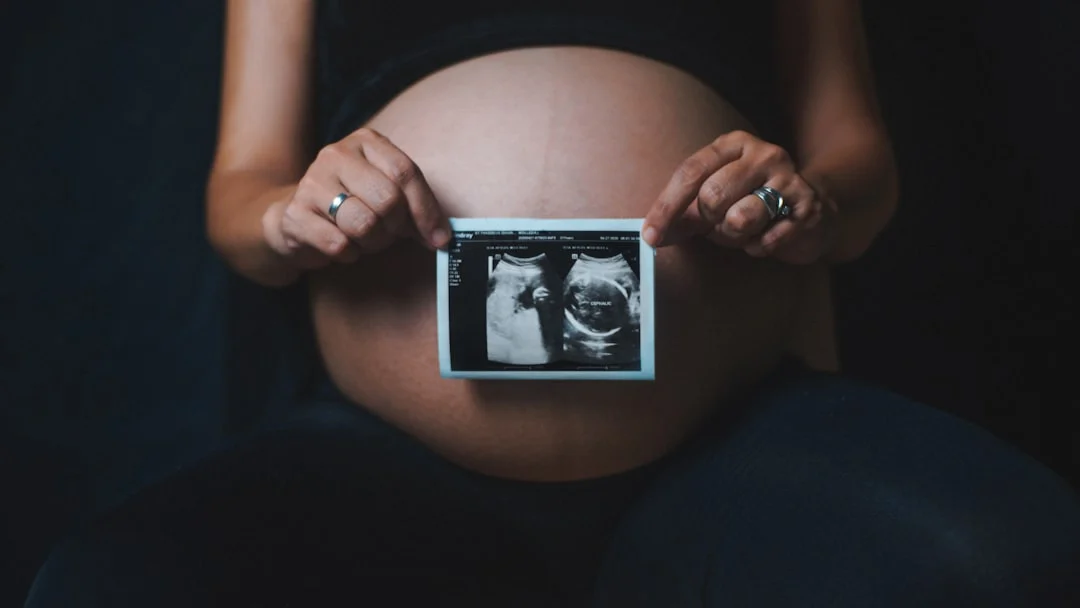
Practice tight detail shots: hands on a belly, baby shoes in cupped palms, a nursery crib with folded blankets, an ultrasound photo with soft backlighting. These close-ups round out a maternity gallery and tell a richer story. Use a wide aperture for shallow depth of field and soft, directional light.
Exercise 5: The Comfort Challenge
Ask a friend to model for you and practice the full client experience. Walk them through the consultation, guide wardrobe decisions, direct them through 10 poses, and practice giving verbal encouragement throughout. Time yourself. Note where the flow stalls, where your directions are unclear, and where the model seems confused. Technical skills matter, but the client experience is what generates referrals and repeat bookings.
Building a Maternity Photography Business
If you plan to offer maternity sessions professionally, a few business considerations are specific to this genre.
Pricing and Packages
Maternity sessions are often bundled with newborn sessions at a combined rate. The client gets a discount, and you lock in two bookings. A “bump to baby” package that includes both sessions is one of the most common offerings. For guidance on structuring your rates, see the photography pricing guide.
Factor in the additional time maternity sessions require. Extra consultation, wardrobe support, more breaks, and careful retouching all add to your cost of delivery. Price accordingly.
Contracts and Releases
Every maternity session should have a signed contract and model release before work begins. Your contract should include a rescheduling policy (maternity clients reschedule more than other portrait clients), a clear refund policy, and a gallery delivery timeline. The model release should specify how images can be used: portfolio, website, social media, print competitions, or advertising.
Client Experience and Referrals
Maternity photography is a high-referral business. Expecting parents connect constantly through prenatal classes, parent groups, and social media. A single great experience can lead to a chain of referrals that sustains your maternity business for years. Be patient, warm, and reassuring. Follow up after the session to check in and let the client know when to expect their images. These small touches turn a one-time client into someone who recommends you to every expecting parent they know.
Frequently Asked Questions
What is the best time of day for an outdoor maternity session?
The hour before sunset (golden hour) provides the most flattering light. The warm, low-angled light wraps around the belly, glows through sheer fabrics, and creates a soft, romantic atmosphere. If golden hour does not work with the client’s schedule, overcast days provide even, diffused light that is also excellent. Avoid midday direct sun, which creates harsh shadows and causes squinting.
How many photos should I deliver from a maternity session?
A standard maternity session typically yields 30 to 60 final edited images, depending on the session length and the number of outfit changes and setups. Quality matters more than quantity. A gallery of 40 strong, varied images tells a better story than 100 images that look repetitive. Set expectations in your contract so there are no surprises.
Should I offer a client wardrobe?
Providing a collection of maternity gowns and accessories is a significant value-add. Many clients do not own maternity-specific clothing that photographs well. A curated client wardrobe in a range of sizes and styles gives clients more options, produces more polished results, and differentiates your business from competitors. Start with three to five versatile pieces and build over time.
Can I photograph maternity sessions if I do not have a studio?
Absolutely. Many successful maternity photographers work exclusively on location. Outdoor sessions and in-home lifestyle sessions are in high demand and can produce images that are just as polished as studio work. If you eventually want studio capabilities, renting studio space by the hour is a cost-effective way to offer that option without the overhead of a permanent space.
What if the client is uncomfortable with bare belly photos?
Not every client wants bare belly images, and that is completely fine. Beautiful maternity photos can be made with the belly fully covered in fitted clothing. A form-fitting dress or top shows the bump clearly without exposing skin. Never pressure a client into a level of exposure they are not comfortable with. Discuss boundaries during the consultation and respect them completely during the session.
How do I handle a maternity session with a high-risk pregnancy?
Prioritize comfort and safety above everything. Consider an in-home session to eliminate travel stress. Keep the session short (30 to 45 minutes). Use mostly seated and reclining poses. Have water and snacks available. Check in frequently about how the client is feeling, and be prepared to stop and reschedule if needed. A signed waiver noting that the client is participating voluntarily and has cleared the session with their healthcare provider is a wise addition to your standard contract.
What lens should I use for maternity photography?
An 85mm lens on a full-frame camera (or 50mm on a crop sensor) is the most popular choice. It provides flattering compression, comfortable working distance, and beautiful background blur at wide apertures. A 50mm also works well in tighter spaces. A 35mm can work for environmental shots but keep the subject away from the frame edges. For more detail, see the focal length guide.
How do I pair maternity sessions with newborn sessions?
Photograph the maternity session around 30 to 32 weeks, then schedule the newborn session for 5 to 14 days after birth, when the baby is still very sleepy and easy to pose. Offer a combined package at a reduced rate compared to booking each session individually. During the maternity session, note the client’s preferences and communication style so you can provide a seamless experience when you return for the newborn session.
Continue Learning
Maternity photography draws on skills from many areas of portraiture, lighting, and client management. Deepen your expertise with these related guides: