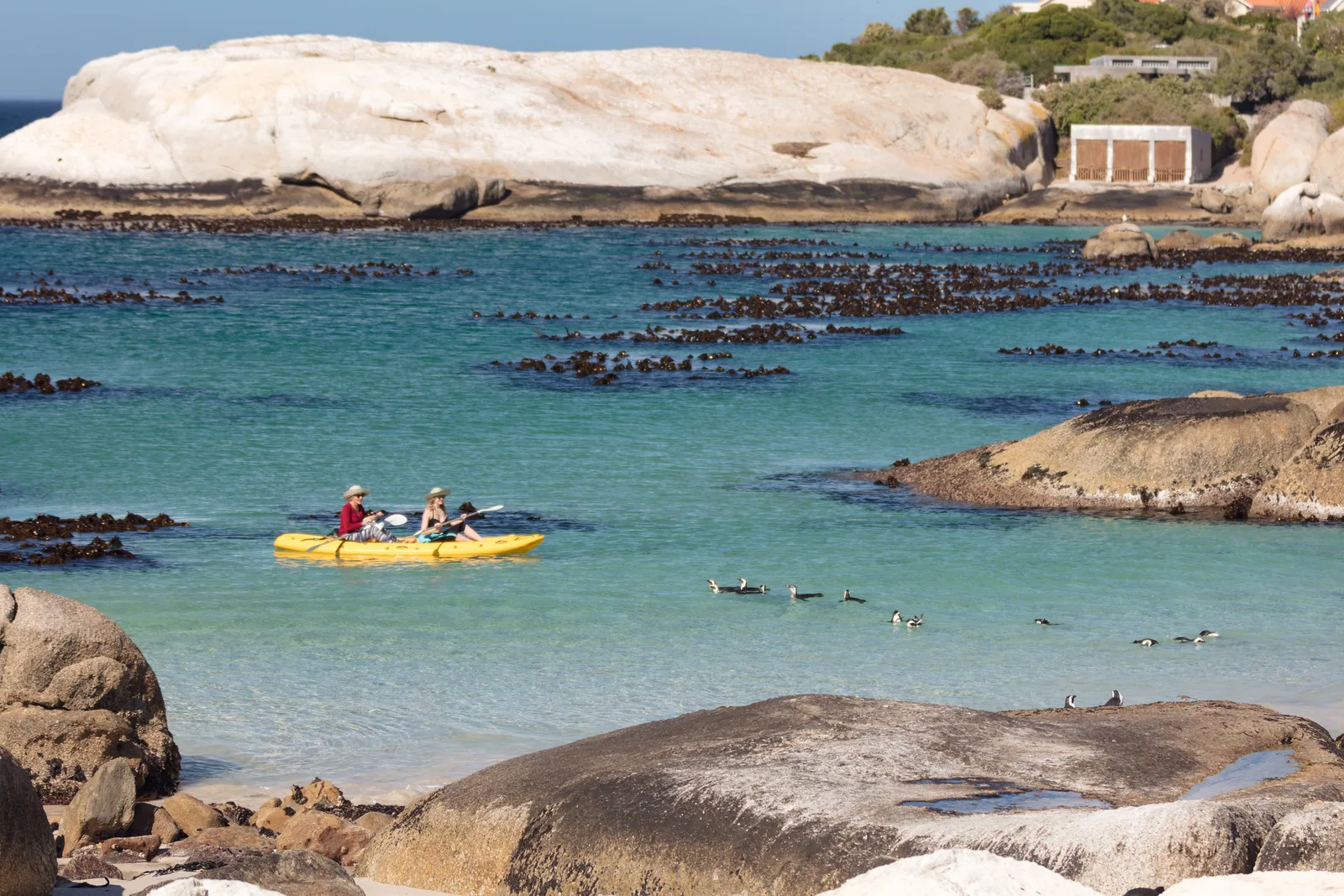
Penguins are pure joy to photograph. They waddle, hop, slide, squabble, preen and swim with a mix of comedy and grace that makes almost every frame feel full of character. Whether you meet them on a wild beach, at a busy colony or behind the glass of an aquarium, penguins are friendly subjects for beginners, and the same few skills will help you photograph them well wherever you find them.
This guide covers where to see penguins, getting down to their level, exposing for black and white feathers, behavior worth waiting for, penguins in water, colonies and landscapes, zoos and aquariums, settings, editing and ethics. For broader skills, see the guides to wildlife photography and how to photograph birds.
Why penguins make great subjects
Penguins are one of the rare wild animals that can be both approachable and truly wild. In many places they ignore quiet people entirely, carrying on with their lives a short distance away.
- They are full of personality. Waddling walks, flapping flippers, head tilts and noisy calls make expressive, often funny pictures.
- They are often calm around people. At many beaches and colonies penguins tolerate visitors who keep their distance and move slowly.
- They have bold markings. Black backs, white fronts and colorful patches on some species make strong graphic shapes.
- They come in groups. Colonies offer patterns, interactions and endless chances for pictures.
- They live in dramatic places. Rocky shores, sandy coves, icy beaches and windswept islands give beautiful settings.
Penguins also make the perfect practice subject for reading animal behavior. Because they repeat the same actions over and over, you can learn to predict what comes next and be ready for it.
Where to see penguins
Penguins live in the Southern Hemisphere, from cold southern oceans to warmer coasts. Many people first see them at zoos and aquariums, which are wonderful places to practice. Wild penguins can be seen at coastal colonies in several countries, often from boardwalks, viewing platforms or guided tours built to protect the birds. A few remote places, such as the far southern islands and icy coasts, offer huge colonies for those who travel there, and the guide to the best photography locations on Earth includes one of them.
Before any trip, read the website for the colony or reserve. Many have set viewing times, seasonal closures and rules about distance, flash and staying on paths. Some smaller colonies are best seen at dusk, when penguins return from the sea to their burrows, and photography rules at these evening parades are often strict. Respect them, since the rules exist to protect birds that are easily disturbed. When photography is not allowed at all, simply enjoy watching; there will be other chances.
Best times to visit
Penguins are often most active early and late in the day, when they leave for the sea or return from feeding. The breeding season brings nests, eggs, chicks and lots of activity, but also more sensitivity to disturbance. Molting season, when penguins stand around looking scruffy as they replace their feathers, can make charming and funny pictures, as long as you remember they cannot swim during this time and should not be stressed.
Get down to penguin level
Penguins are small, so the most important tip is to get low. A picture taken from standing height looks down on the top of a penguin’s head and shows mostly ground. A picture taken from a crouch or kneeling position puts you eye to eye with the bird, showing its face, expression and posture as it sees the world.
Where rules allow, kneel or sit at the edge of a path or boardwalk and let penguins walk past. A tilting screen helps with very low angles. On boardwalks above the birds, shoot through the gaps in the railing or wait for penguins on higher rocks closer to your level. The lower you go, the more the background softens and the more personal the picture feels. Even dropping from standing to a crouch changes the picture more than any new lens, so make it a habit before every frame.
Focus on the eye
A penguin’s eye is small and often sits in a dark patch of feathers, so it can be easy to miss. Place your focus point right on the eye and wait for the bird to turn its head so the light catches it. A small catchlight in the eye makes the whole penguin feel alive.
Exposing for black and white feathers
Penguins are a classic exposure challenge. Bright white fronts lose detail easily in sun, while black backs and heads can turn into solid shapes with no texture. The camera meter often struggles to balance the two.
- Protect the whites. Turn on the highlight warning and use a little negative exposure compensation if the white feathers flash.
- Look for soft light. Overcast days and the soft light of early morning and late afternoon hold detail in both blacks and whites.
- Use side light for texture. Low light from the side shows the feather pattern on dark backs.
- Shoot in raw. Raw files give more room to lift shadows and recover highlights later.
The guide to exposure compensation explains how to correct the meter, and the guide to the histogram shows how to check that no detail is lost.
Behavior worth waiting for
Penguins are constantly busy, and patience brings lovely moments. Watch for these:
- The waddle. Penguins walking in a line, flippers out for balance, are funny and charming. Shoot from low and slightly ahead.
- Calling. Many penguins throw their heads back and bray loudly, beaks open wide. It is a great expressive moment.
- Preening. Penguins twist and stretch as they groom, making curious shapes.
- Flipper flaps. After swimming, penguins often stretch and flap their flippers to dry.
- Pairs and courtship. Bowing, head shaking and mutual preening between partners make tender pictures.
- Chicks. Fluffy chicks begging for food from parents are irresistible. Keep extra distance during this sensitive time.
- Hops and slides. Penguins hopping between rocks or sliding on their bellies are quick, so use a burst.
Use a fast shutter speed and short bursts for action, and slower, careful single frames for quiet portraits. The guide to burst mode explains how to time quick sequences.
Penguins in the water
Penguins are clumsy on land but fast and graceful in water. Swimming penguins at the edge of a beach, porpoising through waves or bursting out of the surf onto rocks give exciting pictures.
Watch where penguins enter and leave the water, since they often use the same spots. Set a fast shutter speed, around 1/1600 second or more, and use continuous autofocus. Pre-focus on the area where they come ashore and shoot a burst as they leap out. For penguins swimming in clear, shallow water, a polarizing filter can cut reflections and let you see the birds below the surface, as the guide to the polarizing filter explains.
Interested in photographing the rest of the shoreline, too? The guide to beach photography covers sand, surf and light at the coast.
Colonies and penguins in the landscape
A colony offers two kinds of pictures: the crowd and the individual. Try both on every visit.
The colony
Hundreds or thousands of penguins together make patterns of black and white across rocks, sand or snow. Look for a higher viewpoint where allowed, so the birds separate and form a texture. Lines of penguins walking to and from the sea make natural leading lines. With so many birds, simplify by looking for a small group, a gap or a single penguin standing apart from the crowd.
The penguin in its world
Penguins small in a big scene tell a story about where they live: a few birds swimming past granite boulders, a line of penguins crossing a vast beach, a single bird on an icy shore under a stormy sky. Zoom out, place the birds against a clean part of the scene and include enough of the landscape to show the place. The guide to landscape photography helps with wide compositions.
Zoos and aquariums
Zoos and aquariums are wonderful places to photograph penguins, especially for beginners. Birds are close, active and often swimming in clear water where you can see them underwater through the glass.
- Get close to the glass. Press the lens or a rubber lens hood against the glass to cut reflections.
- Turn off the flash. It bounces off the glass and disturbs the birds.
- Raise the ISO. Indoor exhibits can be dim, so allow a higher ISO for a fast enough shutter speed.
- Watch the background. Wait for birds against clean rock, water or sky rather than signs, walls or visitors.
- Visit at feeding time. Penguins are most active then, and the keepers often share interesting facts.
The guide to zoo and aquarium photography covers glass, color casts and low light in more detail.
Wind, weather and cold
Penguin coasts are often windy, wet and cold, and the weather can change quickly. That can be good news for pictures. Penguins huddled against wind, birds standing in rain with water beading on their feathers or a line of penguins crossing a beach under dark storm clouds have a mood that a sunny day cannot match. Snow and ice in the coldest places give clean white backgrounds that make black backs stand out boldly.
Dress in warm, waterproof layers and bring gloves thin enough to work the camera. Keep spare batteries in an inside pocket, since cold drains them fast. Protect the camera from spray and rain with a simple cover or plastic bag, and wipe salt off the lens often. In bright snow, add positive exposure compensation so the scene stays white rather than gray, and check that the white penguin fronts still keep detail. Wind also blows sand and grit, so change lenses with your back to the breeze or not at all.
Heading out in rough weather? The guide to bad weather photography covers protecting gear and making the most of storms, rain and wind.
Settings for penguins
- Standing and walking penguins: 1/500 to 1/1000 second, aperture f/4 to f/8.
- Hops, flaps and swimming: 1/1600 second or faster, continuous autofocus and burst mode.
- Colonies and landscapes: f/8 to f/11 so more of the scene is sharp.
- ISO: auto ISO with a sensible upper limit, especially indoors.
- Lens: 100mm to 400mm for wild penguins at a respectful distance, shorter lenses for wide scenes and close aquarium birds.
- Focus: a single point on the eye for portraits, a small zone for moving birds.
Editing penguin photos
Keep edits natural. Recover highlights on white fronts, lift shadows on dark backs to reveal feather texture and keep the colors of the sea and sky believable. Crop so penguins have room to walk or look into, and level the horizon. Aquarium pictures may need a white balance correction to remove a blue or green cast.
Want a clear editing routine for your animal pictures? The guide to photo editing for beginners walks through the basic steps in order.
Ethics and responsibility
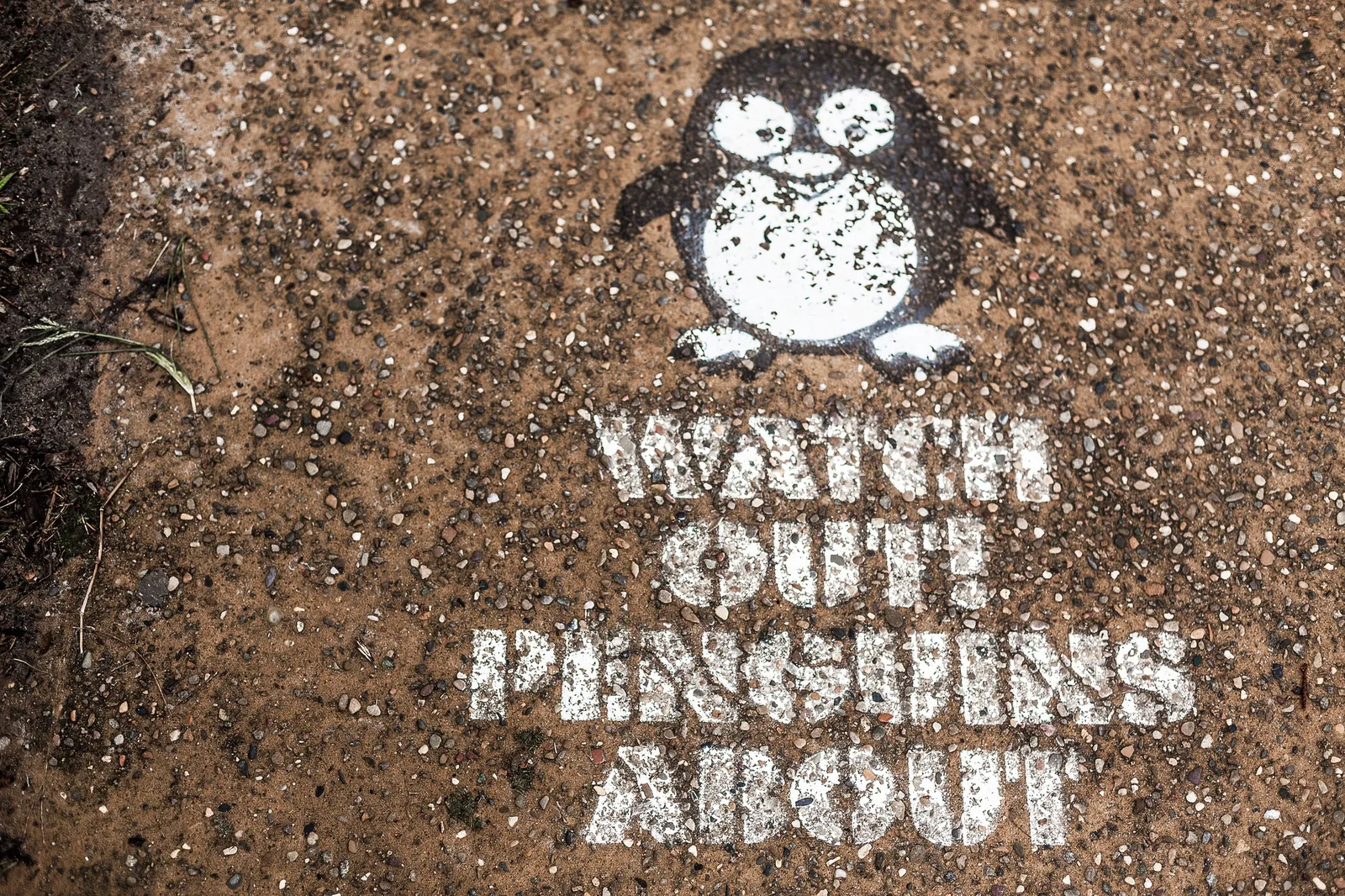
Many penguin species face real pressures, and colonies are easily disturbed. Follow every rule at colonies and reserves, stay on paths and boardwalks and keep the distances asked of you. Never block a penguin’s path to the sea or its nest, since they may refuse to cross and miss feeding their chicks. Never use flash where it is banned, especially at evening parades, and never feed or touch penguins.
If a penguin walks toward you, stay still and let it pass. A penguin that changes direction, freezes or flees because of you is telling you that you are too close. The best penguin pictures come from patient, quiet visitors who leave the birds exactly as they found them.
Common mistakes
- Shooting from standing height. Get low to see penguins eye to eye.
- Blown white fronts. Watch the highlights and use negative exposure compensation in sun.
- Black shapes with no detail. Look for soft or side light and lift shadows gently in editing.
- Shutter too slow for action. Use 1/1600 second or faster for hops, flaps and swimming.
- Cluttered backgrounds. Wait for penguins against clean rock, sand or water.
- Using flash. It disturbs birds and is often banned.
- Getting too close. Respect distances and let penguins come to you.
Try this: a 10-minute penguin session
Whether at a colony, beach or aquarium, give yourself ten minutes:
- Minutes one to three: watch quietly and notice which birds are active and where the light falls.
- Minutes four to seven: get as low as allowed and make a portrait of one penguin, focusing on the eye and checking the highlights.
- Minutes eight to ten: wait for an action moment, such as a waddle, flap or call, and catch it with a fast shutter speed and burst.
At home, compare the quiet portrait with the action frame and notice which shows more character.
Frequently asked questions
What lens is best for penguins?
A 100mm to 400mm zoom works well for wild penguins at a respectful distance. Aquarium penguins can often be photographed with shorter lenses.
How do I stop white feathers from looking overexposed?
Turn on the highlight warning, use negative exposure compensation in bright light and photograph in soft light where possible.
Can I use flash on penguins?
It is best not to. Flash disturbs birds, reflects off aquarium glass and is banned at many colonies.
How do I photograph penguins through aquarium glass?
Press the lens or a rubber hood against the glass, turn off the flash, raise the ISO and correct any color cast when editing.
When are penguins most active?
Often early and late in the day, when they leave for the sea or return to their nests, and at feeding time in zoos and aquariums.
Do I need to travel far to photograph penguins?
Not always. Many zoos and aquariums keep penguins, and they make excellent practice before any trip to a wild colony.
For terms such as exposure compensation, histogram, burst mode and white balance, see the photography glossary.