Bird photography is one of the most challenging and rewarding disciplines in all of wildlife photography. Birds are small, fast, unpredictable, and often skittish, making them incredibly difficult subjects to photograph well. Yet when you nail a sharp, well-composed bird image with beautiful light and an engaging pose, the result is utterly captivating. This guide covers the gear, settings, techniques, and fieldcraft you need to consistently capture stunning bird photographs, whether you are shooting backyard songbirds or rare species in remote habitats.
Essential Gear for Bird Photography
Reach is everything in bird photography. Most wild birds will not let you approach closer than ten to twenty meters, so a long telephoto lens is essential. A 400mm lens is the minimum practical focal length for serious bird photography, and 500mm to 600mm is the sweet spot used by most dedicated bird photographers. Super-telephoto zoom lenses like the 100-400mm, 150-600mm, or 200-600mm offer versatility and are more affordable than prime lenses, though they sacrifice some maximum aperture and optical quality.
A fast maximum aperture of f/4 or f/5.6 helps in two ways: it allows faster shutter speeds in low light, and it creates smooth background blur that isolates the bird from distracting surroundings. Prime lenses like the 500mm f/4 and 600mm f/4 are the gold standard, but they are heavy and expensive. Modern zoom lenses at f/5.6 to f/6.3 on the long end deliver excellent results and are far more practical for most photographers.
A camera with fast, accurate autofocus and a high frame rate is crucial for capturing birds in flight and fleeting moments. Modern mirrorless cameras with bird and animal eye detection autofocus have revolutionized bird photography, making it dramatically easier to maintain focus on a moving bird. Look for a camera that shoots at least ten frames per second and has reliable tracking autofocus.
Camera Settings for Birds
Speed is the overriding priority. Set your shutter speed to at least 1/1000 second for perched birds and 1/2000 to 1/4000 second for birds in flight. These fast shutter speeds freeze the motion of both the bird and your own hand-holding movement. Even a perched bird moves its head rapidly, and shutter speeds slower than 1/500 second frequently produce slight blur that softens the critical detail in the eye and feathers.
Use aperture priority mode or manual with auto ISO. Set your aperture wide open or close to it to maintain the fastest possible shutter speed and the smoothest background blur. Let the ISO float to whatever value is needed to maintain your target shutter speed. Modern cameras produce very usable images at ISO 3200 to 6400, and a sharp image at high ISO is always better than a blurry image at low ISO.
Set your autofocus to continuous tracking mode (AF-C or Servo AF) with your camera’s bird or animal detection enabled if available. Use a burst shooting mode to fire multiple frames per second. When a bird takes flight, turns its head, or displays interesting behavior, those rapid bursts increase your chances of capturing the perfect moment.
Camera Settings Cheat Sheet
| Setting | Perched Birds | Birds in Flight |
|---|---|---|
| Mode | Aperture Priority or Manual | Manual with Auto ISO |
| Aperture | f/4 to f/6.3 (wide open) | f/5.6 to f/8 |
| Shutter Speed | 1/1000 sec minimum | 1/2000 to 1/4000 sec |
| ISO | Auto (up to 6400) | Auto (up to 12800) |
| Focus Mode | Continuous AF with eye detect | Continuous AF with bird tracking |
| Drive Mode | High-speed burst | High-speed burst |
| White Balance | Auto or Daylight | Auto or Daylight |
| Image Format | RAW | RAW |
Fieldcraft: Getting Close to Birds
The most important skill in bird photography is not technical. It is the ability to get close to your subjects without disturbing them. This requires patience, stealth, and an understanding of bird behavior. Move slowly and deliberately. Avoid sudden movements and loud noises. Wear muted, earth-toned clothing rather than bright colors. Approach birds in a zigzag path rather than walking directly toward them, which they perceive as threatening.
Learn the behavior patterns of your target species. Know where they feed, roost, and nest. Understand their flight patterns and preferred perches. Many experienced bird photographers spend far more time observing than shooting, waiting for the right moment when a bird lands on a photogenic perch in good light with an interesting pose. This patience separates successful bird photographers from those who spray and pray.
Blinds and hides are invaluable for bird photography. A simple pop-up camouflage blind near a feeding station or water source lets you sit comfortably and photograph birds at close range as they become accustomed to the blind’s presence. Even a car serves as an excellent blind, as many birds are habituated to vehicles and will approach much closer than they would to a person on foot.
Light and Composition
The quality of light transforms bird photography from documentary to artistic. Early morning and late afternoon golden light adds warmth and dimension to feathers, creating catchlights in the bird’s eye that bring the image to life. Front lighting works well for showing feather detail and color, while side lighting creates drama and depth. Backlighting can produce stunning rim-lit effects, especially on birds with translucent wing feathers or fluffy plumage.
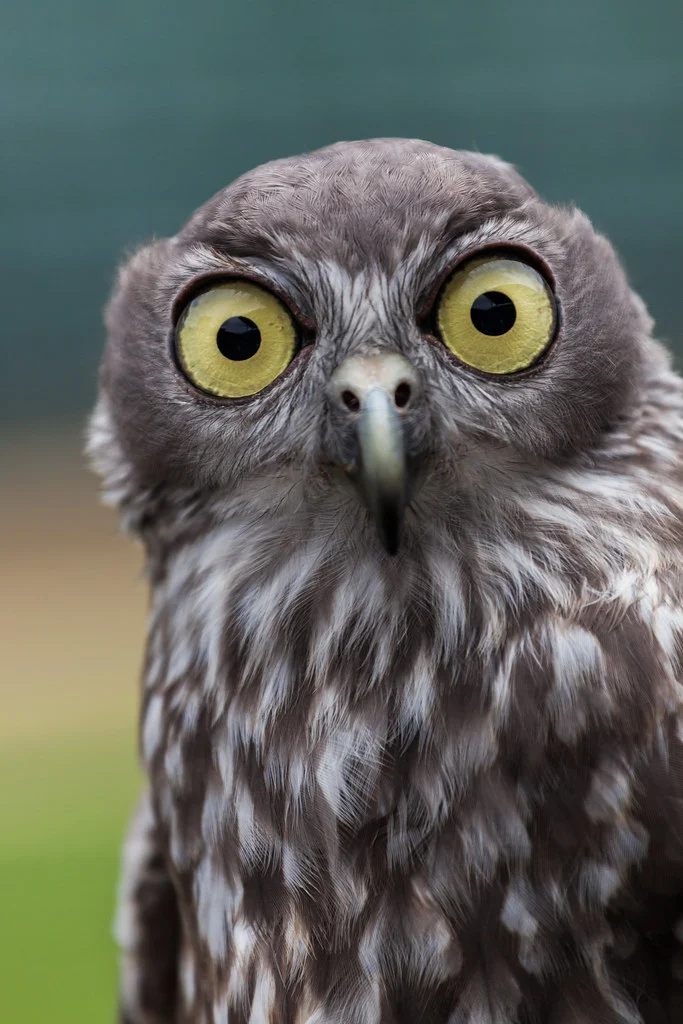
Composition in bird photography follows the same principles as other genres but with the added constraint of limited control over your subject’s position. The most important compositional element is the eye. A bird image lives or dies on whether the eye is sharp and well-lit. A bright catchlight in the eye gives the bird life and connects the viewer emotionally. Position yourself so that the light illuminates the bird’s face and produces a visible reflection in the eye.
Leave space in the frame in the direction the bird is looking or moving. This negative space creates a sense of direction and purpose. A bird crammed against the edge of the frame with no room to look or fly feels awkward and static. Eye-level shooting angles are the most flattering for birds. Getting down low, whether by lying on the ground or shooting from a low blind, creates an intimate perspective that puts the viewer in the bird’s world rather than looking down on it from above.
Birds in Flight Techniques
Photographing birds in flight is the ultimate test of your reflexes, tracking skills, and equipment. Start by practicing with large, slow-flying birds like herons, geese, and raptors before attempting small, fast species like swallows and hummingbirds. Use your camera’s fastest burst rate and continuous autofocus with tracking enabled.
Pre-focus on an area where you expect birds to fly through rather than trying to acquire focus on a bird that suddenly appears. When a bird takes off, start tracking it with your viewfinder while holding the shutter button for continuous bursts. Keep both eyes open if possible, using the non-viewfinder eye to maintain awareness of the bird’s position in the wider environment. Practice panning smoothly to match the bird’s speed and direction.
Common Mistakes in Bird Photography
Using too slow a shutter speed is the most common technical mistake. Birds move constantly, and even perched birds require at least 1/1000 second to freeze head movements. Prioritize shutter speed above all other settings.
Focusing on the body instead of the eye produces technically sharp but emotionally flat images. Always aim your focus point at the bird’s eye, as this is where the viewer looks first.
Shooting from too far away produces images where the bird is a tiny speck in the frame. Get as close as safely possible without disturbing the bird, and crop thoughtfully in post-processing to create a tight, impactful composition.
Shooting in harsh midday light creates deep shadows under the bird’s brow that obscure the eye. Shoot in soft morning or evening light, or on overcast days when the light wraps evenly around the bird.
Ignoring the background produces distracting images even when the bird is perfectly captured. Reposition yourself to place the bird against a clean, smooth background by shooting at a wider aperture and ensuring there is good distance between the bird and any background elements.
Disturbing nesting birds or habitats for a photograph is both unethical and often illegal. Maintain a respectful distance from nests and never alter the environment around a bird for a better shot.
Not studying bird behavior means you miss behavioral moments that make images truly special. Feeding, preening, singing, courtship displays, and interactions between birds create far more interesting images than simple perched portraits.
Frequently Asked Questions
What is the best lens for bird photography on a budget?
The Sigma 150-600mm Contemporary and Tamron 150-500mm offer exceptional reach at moderate prices. On crop-sensor cameras, a 100-400mm lens provides an effective 150-600mm or 160-640mm equivalent focal length. Even the affordable 70-300mm kit zooms can produce good results with backyard birds at closer distances.
Is a crop sensor camera better for bird photography?
A crop sensor provides a built-in magnification factor of 1.5x to 2x, effectively extending your lens’s reach. This is a genuine advantage in bird photography where reach is paramount. Modern APS-C cameras like the Canon R7, Nikon Z50, and Fujifilm X-H2S are popular choices among bird photographers specifically for this reason. The trade-off is slightly more noise at high ISO compared to full-frame sensors.
How do I photograph hummingbirds?
Hummingbirds are best photographed at feeders or favorite flower perches where their behavior is predictable. Use shutter speeds of 1/2000 to 1/4000 second to freeze their wing motion. A flash or high-speed sync flash can freeze wings even more sharply. Set up your feeder in a location with good natural light and an attractive background, then pre-focus on the feeder and wait.
What time of day is best for bird photography?
The first two hours after sunrise are the golden window for bird photography. Birds are most active in early morning as they feed after the overnight fast, the light is warm and directional, and the air is often calm with less heat shimmer. Late afternoon offers similar quality light. Midday is generally the worst time due to harsh overhead light and reduced bird activity.
How do I attract birds to photograph?
Set up bird feeders and a birdbath in your backyard near a window or blind position. Use species-appropriate food like sunflower seeds, suet, or nectar feeders. Add natural perches near the feeder by placing an attractive branch or weathered log where birds will land before and after feeding. This gives you a natural-looking perch to photograph them on rather than the feeder itself.
Bird photography is a lifelong pursuit that combines technical camera skills with natural history knowledge and outdoor fieldcraft. Every outing teaches you something new about bird behavior and photographic technique. Start with common species in your local area, build your skills progressively, and explore our guides on landscape photography, shutter speed, and the photography getting started guide to strengthen the fundamentals that underpin all great wildlife photography.
Continue Learning
Now that you know how to photograph birds, explore these related guides to continue developing your wildlife and action photography skills: