A street portrait is a photograph of a stranger made with their knowledge and permission, usually in a minute or two, right where you met them. The method is simple: find good light and a clean background first, then ask with a specific, honest compliment, direct the person briefly, take a handful of frames, and offer to send them the picture. Most people say yes more often than you expect, and a polite no costs you nothing.
Street portrait or candid: know which one you are making
Candid street photography records people who do not know they are being photographed. Its strength is honesty: unguarded gestures, people absorbed in their own lives. A street portrait is the opposite contract. The person knows, agrees, and usually looks into the lens. What you lose in spontaneity you gain in connection: eye contact, a face you can study, and a picture the person is happy to exist.
Neither is better, but mixing them up causes problems. If you ask permission and then try to make the picture look candid, you usually get a stiff, self-conscious frame. If you shoot someone candidly and then use the picture as a portrait, you have skipped the part where they agreed. Decide before you raise the camera. For a street portrait, the conversation is part of the picture.
A street portrait also differs from a planned environmental portrait, where you scout a location and schedule a session. Here you have one or two minutes and whatever the street gives you, which is why preparation before you ask matters so much.
Find the light and background before you ask
The biggest difference between a snapshot of a stranger and a strong street portrait happens before you say a word. Once someone agrees, you have perhaps a minute of their goodwill. Spend none of it looking for a better spot.
Walk the area first and pick your stage:
- Open shade. The shaded side of a building on a sunny day, a covered arcade, a deep doorway. The light is soft and even, and it comes from the open sky, so there are no harsh shadows under the eyes.
- Backlight. The sun behind the person, rimming their hair, with their face in soft shade. Expose for the face and let the background go bright. This is one of the most flattering setups outdoors; see backlighting.
- Window-like light on the street. A bright wall facing the sun bounces soft light onto anyone standing a couple of meters in front of it.
- A simple background. A plain wall, a stretch of distant street, foliage, deep shadow. Busy backgrounds can work, but only when you can throw them well out of focus or when they tell the viewer something about the person.
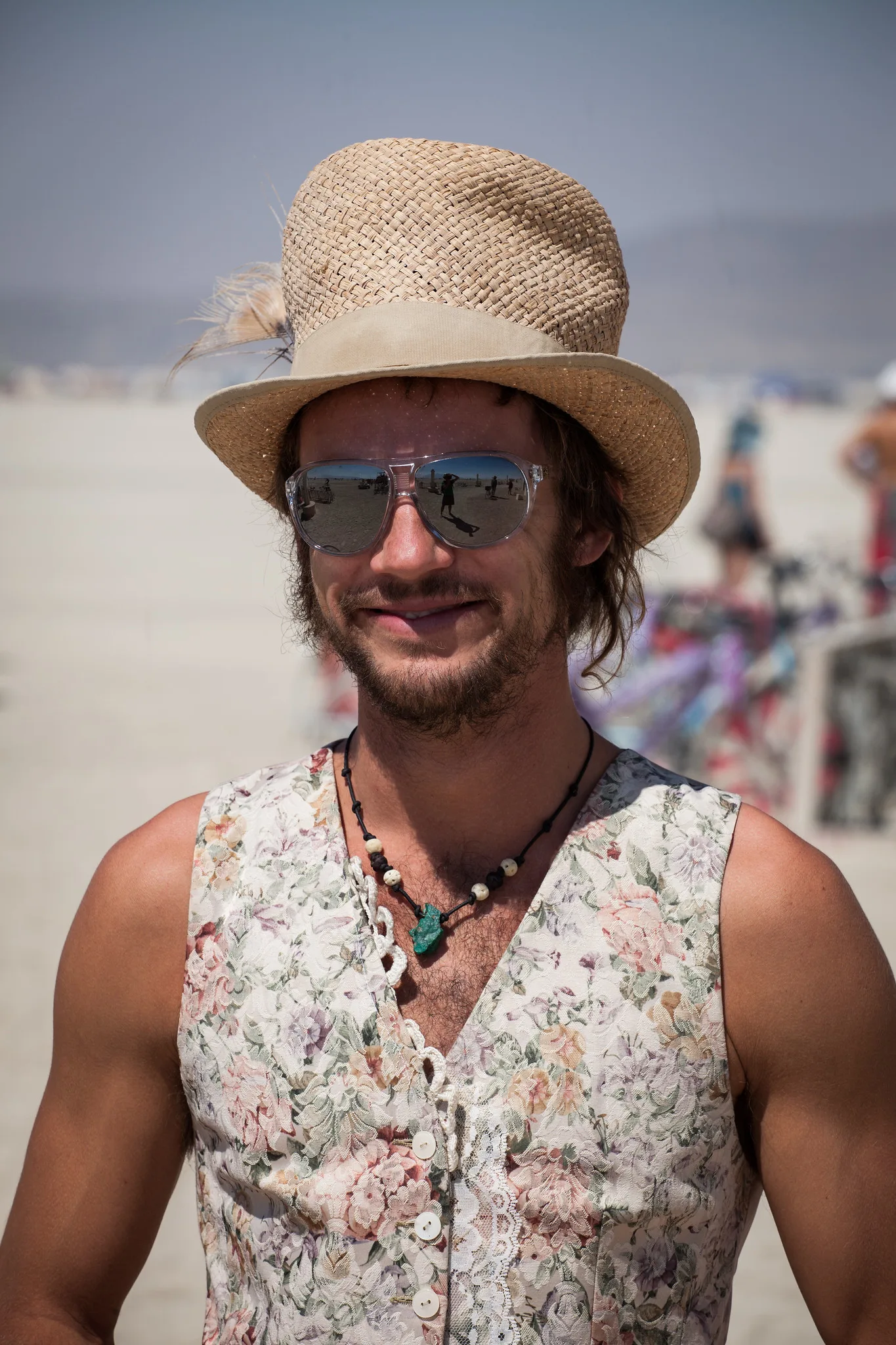
Then find people who pass through your stage, or invite them to take two steps into it: “Would you mind stepping over here? The light is beautiful.” That one move is the whole trick. The person is interesting; the light and background make the picture.
Approaching a stranger: what to actually say
Most photographers who avoid street portraits are not worried about technique. They are worried about the conversation. It helps to know that the words matter less than your manner. Approach from the front, where they can see you coming, at a relaxed pace. Smile. Hold the camera low, not pointed at them. Then say three things: who you are, why them, and what you want.
Specific beats general. “Can I take your picture?” invites suspicion because it gives no reason. “Your hat is fantastic with that jacket. I’m photographing people in this neighborhood; could I take a quick portrait?” tells them exactly why, flatters something they chose, and makes the request feel small.
Useful openers:
- “I love your style. Would you let me take one or two photos? It’ll take less than a minute.”
- “The light on you right now is perfect. Could I take your portrait?”
- “I’m working on a series about people who work on this street. Could I photograph you at your stall?”
If you do not share a language, a smile, a gesture toward the camera and a raised eyebrow work almost everywhere. Learn the local words for “photo” and “thank you” before you travel. If someone seems unsure, show them a portrait you have already made on the back of the camera, which tells them what to expect far better than words.
Be honest about what you will do with the picture. If you plan to post it online or use it in a project, say so when they ask. People can accept almost any honest use; they resent finding out later. For more on getting past the nerves, see overcoming your fear in street photography.
Handling no (and maybe)
You will hear no. That is normal, and it says nothing about you or your photography. People are busy, shy, on their way somewhere, or simply do not like being photographed. The right response is the same every time: “No problem, have a great day,” with a smile, and move on. Do not argue, bargain, or try a second pitch. A graceful no leaves the street friendlier for the next photographer, and people sometimes change their minds after watching you work nearby.
Treat a hesitant answer as a no unless it turns into a clear yes. If someone says “I look terrible today,” you can offer once to show them the picture and delete it if they do not like it, and then keep that promise. If someone asks you to delete a photo later, delete it in front of them.
Some people should not be asked at all. Do not approach people who seem distressed, confused or intoxicated, since they cannot give a meaningful yes. With children, ask the parent or guardian, not the child. The thinking behind this is laid out in photography ethics.
Directing in under a minute
Once someone agrees, take charge warmly. People who have never been photographed properly do not know what to do, and clear, simple directions relax them. Aim for four or five short instructions, then shoot.
- Place them. “Could you stand just here, facing me?” Put them in the light you chose, a step or two away from the background so it blurs.
- Angle the body. “Turn your shoulders a little toward the wall, and your face back to me.” A slight turn looks more natural than a square-on stance.
- Fix the chin. “Bring your chin forward and down a touch.” This sharpens the jawline and looks confident rather than awkward.
- Take a first frame, then talk. The first frame is usually stiff. Ask a question (where they are headed, where the hat came from) and shoot while they answer and relax.
- Get the eyes. “Look right into the lens for me.” Eye contact is the heart of most street portraits.
Take ten to twenty frames, not two. Expressions change between frames, and eyes blink. Show them one of the best on the back of the camera, thank them, and offer to send it. The whole exchange, from hello to goodbye, can take under two minutes.
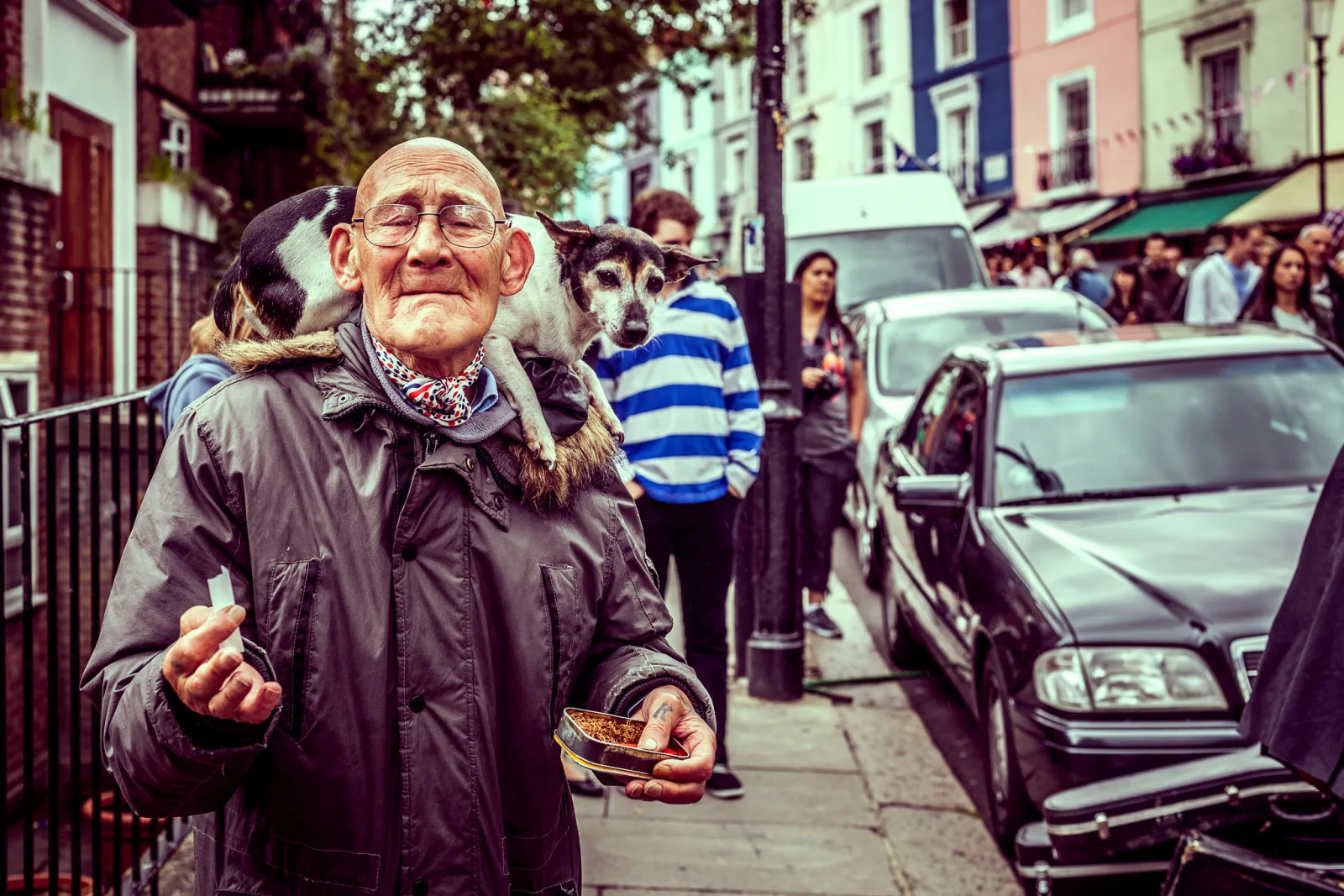
If they are with something that says who they are (a tool, an instrument, a dog, a market stall), include it. A step back and a wider frame turns a head shot into a small story.
Settings and focal lengths
You do not have time to experiment once someone is standing in front of you, so set up before you ask. Everything below is a starting point to adjust from.
| Setting | Starting point | Why |
|---|---|---|
| Focal length | About 35mm to 105mm (full-frame equivalent) | Short telephoto flatters faces; 35mm to 50mm includes surroundings |
| Aperture | f/2 to f/4 for head and shoulders, f/4 to f/8 to show the setting | Controls how much the background blurs |
| Shutter speed | 1/250 s or faster | Freezes small movements of the person and your hands |
| ISO | Auto, with a sensible upper limit | Lets you move between sun and shade without resetting |
| Focus | Single point on the nearest eye, or eye-detection autofocus | The eye must be sharp; everything else is optional |
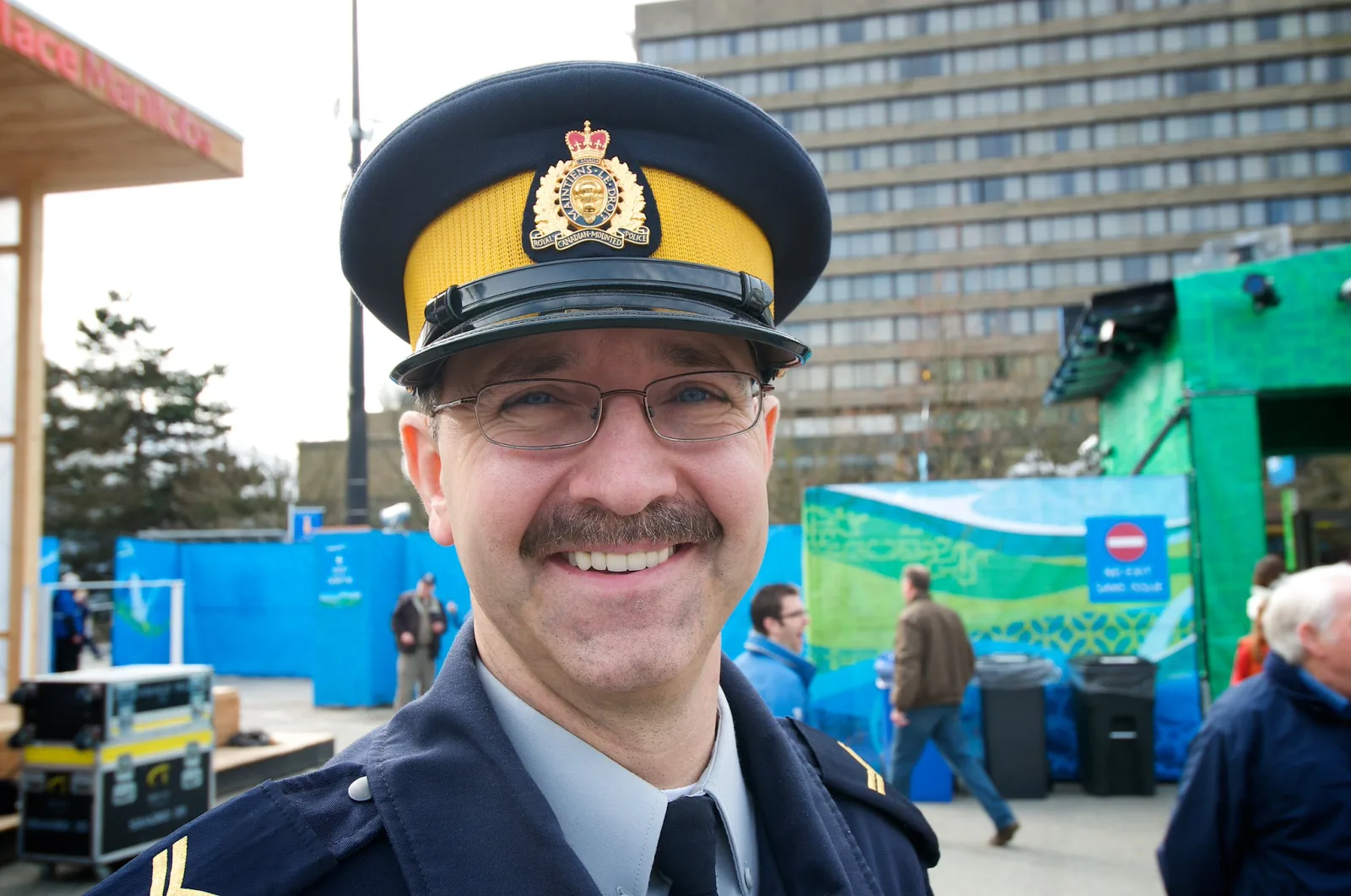
Focal length and distance. A short telephoto, around 85mm, lets you stand about two meters away for a head-and-shoulders frame: close enough to talk, far enough that noses and foreheads are not stretched. A 35mm or 50mm lens puts you closer and shows more of the street, which suits the environmental style but can distort a face if you fill the frame with it. See focal length for how distance, not the lens itself, controls perspective.
Aperture and background. A wide aperture blurs the background and pulls attention to the face, but depth of field at f/1.8 and close range is only a few centimeters deep, so a small movement can leave the eyes soft. f/2.8 to f/4 is a safer default in a hurry. Moving the person farther from the background blurs it as much as opening the aperture does.
Autofocus. Eye-detection autofocus is ideal when your camera has it. Otherwise use a single focus point placed on the eye nearest the camera.
Sharing photos back, and when a release matters
Offering to send the picture turns a request into a trade, and people remember it. Carry a simple way to take contact details: a small card with your email, or a note on your phone. Then actually send the photos, promptly. It is the single easiest way to earn goodwill for every street photographer who comes after you.
Whether you need anything in writing depends on what you do with the picture, and on the law where you live. The broad concept in many countries is this:
- Personal and artistic use (your portfolio, an exhibition, a photo book, editorial or news use) often does not require a signed release when the photo was taken in a public place. Some countries give people much stronger rights over their own image, so this is not universal.
- Commercial use (advertising, promoting a product or service, stock photography sold for commercial purposes) generally requires a signed release from any identifiable person.
If there is any chance you might license a street portrait commercially, ask for a release at the time, while the person is there. It is far harder to find them later. The details of what a release covers are in the guide to model release forms. Laws on image rights and publicity vary widely by country, so for any commercial use, consult a lawyer in your jurisdiction.
Legal or not, respect what people ask. If someone agreed to a portrait but asked you not to post it, do not post it.
Common mistakes
- Asking first, then looking for a background. The person’s patience runs out while you wander. Fix: pick your light and background, then invite people into it.
- A vague request. “Can I take your picture?” sounds suspicious. Fix: say what caught your eye and how long it will take.
- Too few frames. Two frames usually means one blink and one stiff smile. Fix: shoot ten to twenty and keep talking.
- Standing too close with a wide lens. Faces stretch and people feel crowded. Fix: use a short telephoto, or step back and show more of the scene.
- Soft eyes at a very wide aperture. Fix: f/2.8 to f/4 and focus on the nearest eye.
- Promising a photo and never sending it. Fix: send it the same day, or do not promise.
- Arguing after a no. Fix: thank them and move on, every time.
Try this
Give yourself 30 minutes on a busy street. Spend the first ten minutes finding one spot with soft light and a plain background, and set your camera for it: short telephoto, f/2.8 to f/4, 1/250 second, auto ISO. Spend the next twenty asking people who pass that spot for a portrait, using one specific compliment each time. Your goal is not yes; it is five asks. Count the yeses at the end. Most people are surprised how many there are, and every portrait you get will share the same good light, because you chose it first.
Frequently asked questions
Is it legal to photograph strangers in public?
In many countries it is generally legal to photograph people in public places, but not everywhere, and publishing or using the image commercially brings its own rules. Law varies by country, so check the rules where you live and consult a lawyer for commercial use.
Should I offer money for a street portrait?
Usually not; a sincere compliment and a copy of the photo are the normal exchange. In some tourist areas people pose for payment. That is a fair trade if you agree it upfront, but the pictures tend to look posed.
What is the best lens for street portraits?
A short telephoto around 85mm (full-frame equivalent) is the classic choice for head-and-shoulders portraits. A 35mm or 50mm is better when you want the surroundings. A standard zoom that covers both works well too.
How do I stop people from looking stiff?
Keep talking while you shoot. Ask a simple question and photograph them while they answer. The first frames are almost always stiff, so keep going past them.
Related guides
- Street Photography: the candid side of photographing public life.
- Overcoming Your Fear in Street Photography: building the nerve to raise the camera.
- Environmental Portrait Photography: portraits that use the setting to tell the story.
- Model Release Forms: what a release covers and when you need one.
- Photography Ethics: consent, dignity and sharing images of people.
- Portrait Photography: lighting, posing and connection in any setting.
- Festival Photography: asking first where cameras are everywhere.