Documentary photography is the art of telling true stories through images. It is one of the oldest and most respected genres in the medium, rooted in the belief that photographs can inform, move, and change the world. Unlike staged or conceptual photography, documentary work captures real events, real people, and real conditions as they exist. The documentary photographer’s role is to observe, interpret, and present reality with honesty and purpose. From photojournalism to long-term personal projects, documentary photography demands technical skill, emotional intelligence, ethical awareness, and the patience to wait for moments that reveal deeper truths. Check out our environmental portrait photography for more details. This guide covers the techniques, approaches, and considerations that will help you create compelling documentary work, whether you are covering a local community story or embarking on a years-long project.
What Makes Documentary Photography Different
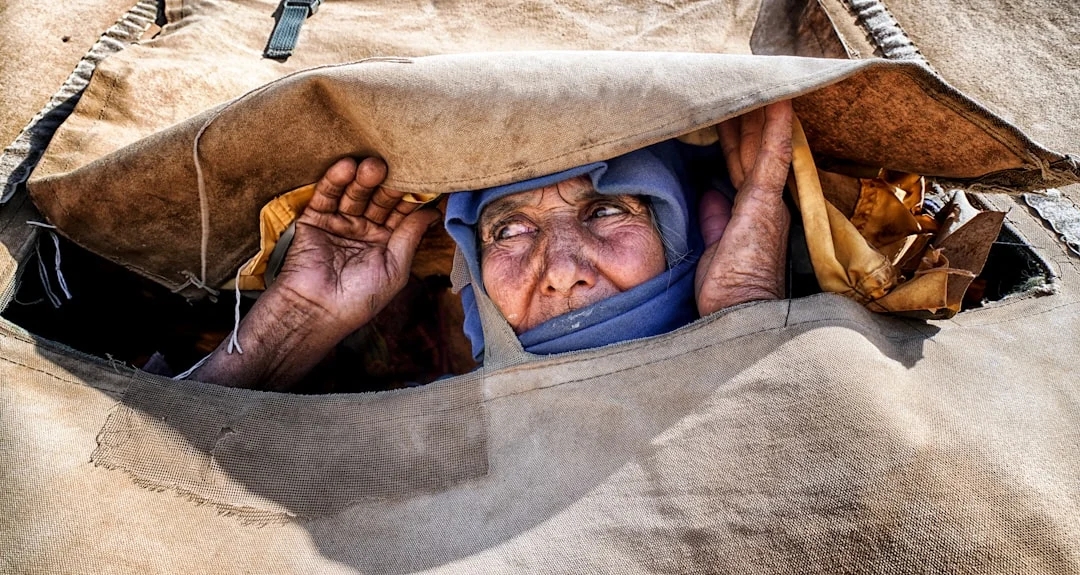
Documentary photography is defined by its commitment to truth. While all photography involves choices about what to include and exclude, documentary photographers operate within an ethical framework that prioritizes honest representation. You do not stage scenes, move objects, or ask subjects to repeat actions for a better shot. You observe and capture what actually happens.
This commitment to authenticity is what gives documentary photography its power. Viewers trust that what they see in a documentary image actually happened. That trust creates an emotional connection and a sense of responsibility that staged images simply cannot replicate. It also places unique demands on the photographer. You must be technically proficient enough to capture decisive moments without the luxury of retakes, perceptive enough to anticipate action before it happens, and disciplined enough to resist the temptation to manipulate reality for a more compelling image.
Documentary photography overlaps with several related genres. Photojournalism covers breaking news and current events for publication. Street photography captures candid moments in public spaces. Social documentary focuses on communities, cultures, and social issues. Photo essays and long-form projects tell extended narratives through curated image sequences. Each of these subgenres operates within the broader documentary tradition, and the skills covered in this guide apply across all of them.
Finding Your Story
Every documentary project begins with a subject worth exploring. The strongest stories are the ones you have genuine access to and genuine curiosity about. Look close to home before looking far away. Your own community, family, workplace, or neighborhood likely contains stories that have never been properly told through photographs.
Identifying Subjects
Ask yourself what you care about. What social issues concern you? What communities fascinate you? What hidden worlds exist in your area that most people never see? A great documentary subject combines personal relevance (you care enough to invest time and emotional energy) with visual potential (the subject has moments, environments, and details that can be captured compellingly in photographs). Some of the most powerful documentary projects focus on everyday subjects that others overlook: the routines of a local barber, the seasonal rhythms of a fishing village, the daily experience of living with a chronic illness.
Research and Access
Once you identify a subject, research it thoroughly. Read everything available. Talk to people involved. Understand the context, the history, and the key issues. This background knowledge helps you recognize significant moments when they happen and avoid misrepresenting situations out of ignorance.
Access is the most critical factor in documentary photography. You need to be present during key moments, which means building relationships with your subjects and gaining their trust. This rarely happens quickly. The best documentary projects involve weeks, months, or even years of relationship building before the most powerful images emerge. Start by spending time with your subjects without photographing at all. Let them get comfortable with your presence. Explain your intentions honestly and listen to their concerns. When you do begin photographing, start slowly and increase your presence gradually.
Narrative Structure in Documentary Photography
A documentary project is not a random collection of images. It is a visual narrative with a beginning, a middle, and an end. Understanding how to structure a story through photographs is what separates a compelling project from a pile of good individual images.
Essential Shot Types
Establishing shots set the scene and provide context. These are often wider compositions that show the environment where the story takes place: the neighborhood, the workplace, the landscape. They answer the question “where are we?”
Portrait shots introduce the people in the story. These can be formal posed portraits or candid moments where a subject’s face is clearly visible and their personality comes through. They answer the question “who is this about?”
Action shots show events happening. Someone working, cooking, protesting, celebrating, traveling, or performing the activities that define the story. These are the verbs of your visual narrative.
Detail shots capture the small, telling elements that provide texture and specificity. Worn hands, a faded sign, tools of a trade, the contents of a pocket, a handwritten note. Details make a story feel real and specific rather than generic.
Relationship shots show interactions between people. Conversations, shared tasks, conflicts, tender moments. These images reveal the human connections at the heart of every story.
Transitional shots move the narrative between scenes or time periods. A sunset, a clock, an empty room after people have left. These images provide pacing and breathing room within the visual story.
Sequencing and Editing
The order in which images are presented dramatically affects how the story is perceived. A strong opening image grabs attention and establishes tone. The middle section develops the theme through varied shot types and perspectives. The closing image provides resolution or leaves the viewer with a lasting emotional impression. Practice sequencing by printing small versions of your images and arranging them physically on a table. Move them around until the narrative flow feels natural and compelling.
Editing (selecting which images to include and which to cut) is as important as the photography itself. A tight edit of 15-25 powerful images tells a stronger story than a loose collection of 100. Every image in the final sequence should earn its place by contributing something essential to the narrative. If an image is beautiful but redundant, cut it.
Camera Settings for Documentary Photography
Documentary photography demands technical versatility because you cannot control your environment. You must be ready to shoot in any light, any space, and any situation, often with no time to adjust settings between moments.
Aperture: Work in the f/2.8 to f/8 range depending on the situation. Wide apertures (f/1.4 to f/2.8) isolate subjects from chaotic backgrounds and perform better in low light. Moderate apertures (f/5.6 to f/8) provide more depth of field for environmental portraits and scenes where context matters as much as the subject.
Shutter speed: For candid moments and action, keep your shutter speed at 1/250s or faster to freeze movement. For handheld shooting in low light, follow the reciprocal rule (shutter speed at least 1/focal length) and rely on image stabilization to push slower if needed. Documentary photographers often work in difficult lighting conditions where compromises are necessary.
ISO: Do not be afraid of high ISO. Documentary photography prioritizes capturing the moment over pixel-perfect technical quality. If you need ISO 3200 or 6400 to get the shot, use it. A slightly noisy image of a genuine moment is infinitely more valuable than a clean image of a missed one. Modern cameras produce usable images well beyond ISO 6400, and a small amount of grain can even add a documentary feel that enhances the storytelling.
Focus: Use continuous autofocus (AF-C/Servo) when covering action and moving subjects. Single-point or small-zone focus gives you the most precise control in unpredictable situations. If you are shooting in very low light where autofocus struggles, learn to use zone focusing or manual focus with a moderate aperture (f/5.6 to f/8) to ensure a workable depth of field.
Shooting mode: Aperture priority is the most popular choice for documentary photographers because it lets you control depth of field while the camera adjusts shutter speed automatically. Set your auto-ISO to cap at an acceptable maximum (ISO 6400 or 12800 depending on your camera) with a minimum shutter speed of 1/125s or 1/250s. This configuration lets you shoot quickly without constantly adjusting settings.
Essential Gear for Documentary Photography
Documentary gear should be reliable, unobtrusive, and versatile. The less attention your equipment draws, the more honest the moments you capture.
Camera Body
A compact mirrorless camera is ideal for documentary work. It is quieter than a DSLR (critical for not disrupting moments), smaller and less intimidating to subjects, and offers excellent autofocus and high-ISO performance. Weather sealing is important if your work takes you into challenging environments. A second camera body (even a cheaper backup) is essential for important projects where a gear failure would mean missing critical coverage.
Lenses
Documentary photographers typically work with a small selection of prime lenses or a single versatile zoom. The classic documentary kit is a 35mm and a 50mm prime. The 35mm is wide enough to capture environmental context while being close enough to feel intimate. The 50mm approximates natural human vision and is ideal for portraits and mid-range scenes. A 28mm is popular for photographers who prefer to work very close to their subjects. A compact 24-70mm zoom covers the range of all three primes with the convenience of a single lens, though it is larger and has a narrower maximum aperture.
The focal length you choose affects the relationship between you and your subject. Wide lenses (28-35mm) force you to be physically close to the action, creating an immersive, participatory feel. Longer lenses (50-85mm) let you observe from a comfortable distance, creating a more detached, observational perspective. Both approaches have their place in documentary work.
Supporting Gear
Carry extra batteries and memory cards. Always. Running out of power or storage during a critical moment is unforgivable in documentary work. A small, unobtrusive camera bag that does not scream “photographer” helps you blend into environments. A notepad (physical or digital) for recording names, locations, dates, and context is essential for captioning and fact-checking your work later. If you are working on a long-term project, a portable hard drive for daily backups protects months of irreplaceable work.
Working in the Field
The way you conduct yourself while photographing is as important as the images you create. Your presence, behavior, and relationship with subjects shape both the work and the ethics of the project.
Being Present Without Interfering
The documentary photographer’s ideal state is to be fully present and observant while remaining as invisible as possible. This does not mean hiding behind a telephoto lens. It means becoming a natural part of the environment so that people stop performing for the camera and return to their normal behavior. This takes time. In the first minutes or hours at a location, people are aware of you and may act differently. Be patient. Keep shooting through this adjustment period, and eventually subjects will relax and forget about the camera.
Learn to read situations and anticipate moments. Watch body language, listen to conversations, notice patterns. If a group of workers always takes a break at the same time and gathers in the same spot, position yourself there before they arrive. If a conversation is building toward an emotional peak, have your camera ready. The best documentary images come from photographers who are perceptive observers of human behavior.
Building Trust
Trust is the currency of documentary photography. Subjects who trust you will allow you into moments that they would hide from a stranger with a camera. Build trust by being consistent, honest, and respectful. Show up when you say you will. Explain what you are doing and why. Share images with your subjects. Ask about their lives and listen to the answers. Treat people as collaborators in the story, not as content to be extracted.
Reciprocity matters. If you are documenting a community, find ways to give back beyond the photographs. Attend events as a participant, not just as a photographer. Help with tasks when appropriate. The relationship should feel balanced rather than extractive.
Ethical Considerations
Ethics are central to documentary photography. The power to shape how people and communities are perceived through images carries significant responsibility.
Representation and Honesty
Represent your subjects honestly and with dignity. Avoid exploiting suffering for dramatic effect. A photograph of someone in distress can be powerful and important, but it should serve the story and the subject’s interest, not just your portfolio. Ask yourself: would the people in this image be comfortable with how they are being portrayed? If the answer is no, reconsider the image.
Be transparent about your editorial choices. Every photograph is a selection, a framing, a moment chosen from many. Acknowledge that your perspective is limited and that your images represent one version of reality, not the complete truth. Context provided through captions, text, and sequencing helps viewers understand what they are seeing.
Consent and Privacy
The legal right to photograph in public spaces does not eliminate the ethical obligation to consider your subjects’ privacy and dignity. In many documentary situations, formal written consent is not practical (during protests, public events, or street scenes), but you should always be prepared to explain who you are and what you are doing if asked. For long-term projects involving identifiable individuals, informed consent is essential. People should understand how their images will be used and have the right to decline.
Be especially careful when photographing vulnerable populations: children, people experiencing homelessness, refugees, people in medical situations, or anyone in a position where they cannot freely choose whether to be photographed. Power dynamics matter. If someone cannot realistically say no, treat the situation as though they have not consented and proceed with extra caution and sensitivity. Understanding photography copyright and usage rights helps you navigate these situations responsibly.
Manipulation and Truth
Documentary photography has clear ethical boundaries around manipulation. Do not stage, recreate, or direct scenes. Do not move objects to create a more compelling composition. Do not ask subjects to repeat actions. In post-processing, do not remove or add elements to the image. Basic adjustments (exposure, contrast, cropping, conversion to black and white) are acceptable. Anything that changes the factual content of the image crosses the line from documentary into fiction.
Composition in Documentary Photography
The compositional principles that apply to all photography apply to documentary work, but with an important caveat: you often have no control over the scene. You cannot move furniture, change the light, or ask people to reposition. Your composition tool is your own position, your timing, and your choice of focal length.
Use leading lines in the existing environment to draw the viewer’s eye toward the subject. Doorways, hallways, fences, roads, and architectural elements all create natural lines that you can leverage by positioning yourself correctly. Natural frames such as windows, arches, and doorways add depth and focus attention on the scene within them.
The rule of thirds provides a reliable starting point, but documentary images often break compositional rules to create tension, urgency, or rawness that mirrors the subject matter. A tilted horizon, a subject at the edge of the frame, or a deliberately cluttered composition can communicate chaos, instability, or intensity in ways that perfectly balanced compositions cannot.
Pay attention to layers. The most compelling documentary images often have foreground, midground, and background elements that work together to tell a richer story. A face in sharp focus in the midground, with blurred hands in the foreground and a relevant sign in the background, contains more narrative information than a simple portrait against a plain wall.
Editing and Post-Processing
Post-processing in documentary photography should enhance readability and impact without altering content. The ethical constraints on manipulation are clear, but there is still significant room for craft in how you process your images.
Start with the cull. Documentary shoots generate enormous quantities of images, and the editing process (selecting the final images) is where the story is truly shaped. Import everything into Lightroom and make a first pass to flag your selects. Let the images sit for at least a day before making your final selections. Fresh eyes see more clearly.
For processing, aim for consistency across the project. Develop a look that suits the story and apply it uniformly. Many documentary photographers prefer a slightly muted, desaturated treatment that feels honest and restrained. Others work in black and white, which strips away the distraction of color and focuses the viewer on light, shadow, gesture, and form. Whatever approach you choose, apply it consistently so the images feel like a cohesive body of work.
Basic adjustments to exposure, contrast, highlights, shadows, and white balance are standard and acceptable. Cropping is generally accepted as long as it does not change the meaning or context of the image. Removing or adding elements (cloning out distracting objects, compositing elements from different frames) is not acceptable in documentary work.
Long-Term Projects
The most impactful documentary photography often comes from long-term projects. Spending months or years with a subject allows you to reach a depth of understanding and access that short assignments cannot achieve. Long-term projects reveal patterns, changes, and nuances that are invisible in brief encounters.
Choose a project you can sustain. Long-term documentary work requires consistent effort without guaranteed outcomes. The subject should be accessible enough that you can visit regularly, interesting enough to sustain your motivation for an extended period, and substantial enough to yield a rich body of work. Many great documentary projects are rooted in the photographer’s own community, allowing frequent, low-cost access over time.
Set milestones and review your progress periodically. Print your images, lay them out, and evaluate the story you are building. Identify gaps in the narrative, moments you have not captured, perspectives you have not explored. These reviews guide your continued shooting and help you know when the project is complete. A project is finished when you have told the story fully and new images no longer add meaningful new information.
Presenting Documentary Work
How you present documentary work affects how it is received. The medium, the sequencing, and the accompanying text all contribute to the viewer’s understanding and emotional response.
Photo essays are the classic format for documentary photography. A curated sequence of 10-30 images with captions and optional introductory text tells a complete story in a format that works for print, web, and exhibition. The photo essay format forces disciplined editing and thoughtful sequencing.
Books offer the most control over the viewing experience. You determine the size, sequence, pacing, paper quality, and relationship between images and text. Self-publishing platforms have made photo books accessible to individual photographers without the need for a traditional publisher.
Exhibitions present images at scale and create a shared viewing experience. The physical space, print size, framing, and arrangement all contribute to how the work communicates.
Online platforms reach the largest audience but offer the least control over the viewing experience. Create a dedicated page or series on your website rather than posting individual images to social media, where they lose context and narrative structure.
Common Mistakes in Documentary Photography
- Starting to photograph too early. Arriving at a scene and immediately shooting before understanding the situation produces superficial images. Spend time observing, researching, and building relationships before you commit to photographing.
- Only shooting the dramatic moments. Documentary projects need the quiet, ordinary moments as much as the dramatic ones. Daily routines, waiting, resting, and mundane activities provide context and rhythm that make the peak moments more powerful.
- Forgetting to caption. Images without context lose much of their documentary value. Record names, dates, locations, and relevant details for every significant image. You will not remember these details weeks or months later.
- Imposing a narrative before understanding the story. Arriving with a preconceived idea of what the story is and only photographing evidence that supports that narrative is a form of dishonesty. Let the story reveal itself through observation. Be willing to discover that the real story is different from what you expected.
- Over-processing. Heavy-handed post-processing (extreme contrast, dramatic color grading, heavy vignettes) distracts from the content and can undermine the credibility of documentary images. Process for clarity and impact, not for style.
- Working alone without feedback. Documentary photography benefits enormously from outside perspectives during the editing process. A trusted colleague or editor can see narrative gaps, redundancies, and strengths that you are too close to the work to notice.
- Neglecting the quiet moments. Not every image needs a person in it. Empty spaces, still life details, and environmental shots provide essential breathing room in a documentary sequence and communicate information that people shots cannot.
Try This
- Document a single day in someone’s life. Choose a family member, friend, or willing subject and photograph their entire day from waking up to going to bed. Focus on the ordinary moments. This exercise teaches you to find visual interest in the mundane and to build a narrative over time.
- Shoot a photo essay about a local business. Pick a small business in your area and create a 10-15 image story about what they do and why it matters. Practice the full range of shot types: establishing, portrait, action, detail, and relationship shots.
- Work on a 30-day project. Choose a theme or subject and photograph it every day for a month. This exercise builds the discipline and consistency that long-term documentary work demands, and the extended timeframe forces you to look deeper than your initial impressions.
- Edit down to five images. Take any body of work (50-100 images) and reduce it to your five strongest. This brutal editing exercise teaches you to identify the images that carry the most narrative weight and to let go of images that are good but not essential.
- Study the masters. Look at the work of great documentary photographers and analyze their sequencing, composition, and storytelling strategies. Notice how they use different shot types, how they balance quiet and dramatic moments, and how they structure visual narratives. Then apply those observations to your own work.
Frequently Asked Questions
What is the difference between documentary photography and photojournalism?
Photojournalism is a subset of documentary photography focused on covering news events for publication, typically on tight deadlines. Documentary photography is broader and often involves longer-term, self-directed projects that explore themes, communities, or issues in greater depth. Both share a commitment to truthful representation, but photojournalism operates within the constraints of editorial publication (deadlines, word counts, editorial direction) while documentary photographers often have more creative freedom.
Do I need permission to photograph people for documentary projects?
Legally, in most countries, you can photograph people in public spaces without their permission for editorial (non-commercial) use. Ethically, the situation is more nuanced. For long-term projects involving identifiable individuals, informed consent is strongly recommended. For street scenes and public events, verbal acknowledgment is often sufficient. When photographing vulnerable populations, children, or private moments, proceed with extra caution regardless of legality. A model release is required for any commercial use of identifiable people.
What camera and lens should I use for documentary photography?
A small, quiet mirrorless camera with a 35mm or 50mm prime lens is the classic documentary kit. The camera should be unobtrusive enough to avoid drawing attention and fast enough in autofocus and low-light performance to capture fleeting moments. Many documentary photographers work with just one or two prime lenses for the entire project, which keeps the kit light and forces creative problem-solving.
How do I get started in documentary photography?
Start with a subject you have natural access to. Your family, your neighborhood, your workplace, your community. Begin photographing consistently and build toward a coherent body of work. Give yourself a project brief: a one-paragraph description of what you are documenting and why. This keeps you focused as you shoot. Share your work for feedback, study the work of established documentary photographers, and submit your projects to competitions, publications, and online platforms that showcase documentary work.
Can documentary photography be in color and black and white?
Yes, but within a single project, consistency matters. Choose one approach and commit to it. Black and white has a long tradition in documentary photography and can strip away distracting color to focus on gesture, light, and form. Color provides additional information about the environment and can be essential when color itself is part of the story (cultural celebrations, environmental conditions, branding). Neither approach is inherently better. Choose the one that serves your specific story.
Continue Learning
Documentary photography draws on skills from many areas. Explore these related guides to strengthen your craft:
- Street Photography Guide
- Portrait Photography Guide
- Composition Techniques
- Photography Ethics
- Photography Copyright
- Photo Essay Guide
- Photo Sequencing
- Natural Light Photography
- Black and White Photography
- Lightroom for Beginners
- ISO Explained
- Aperture Explained
- Shutter Speed Explained
- Travel Photography Guide
- Nature Photography Guide