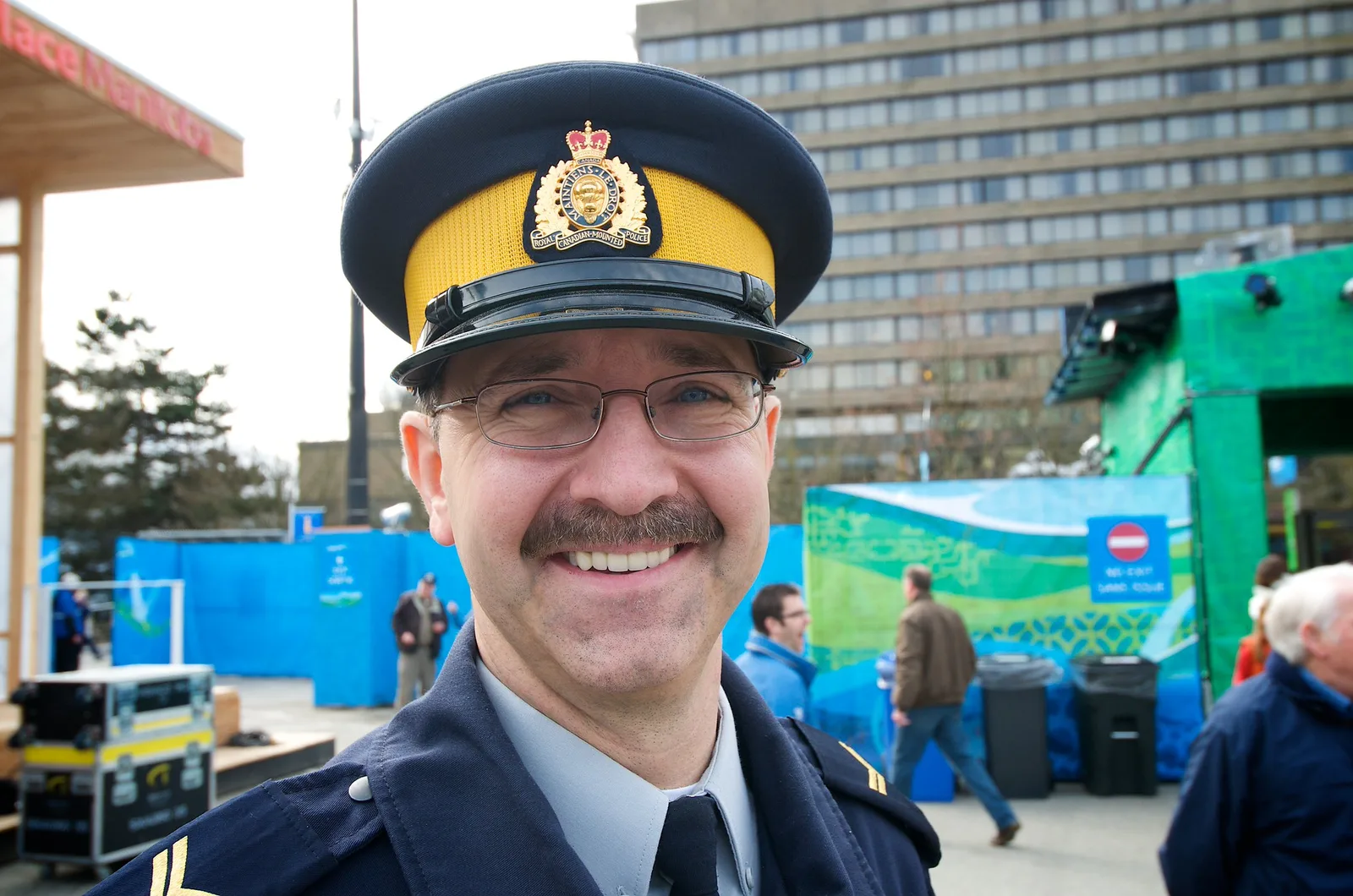
To get natural smiles in photos, never ask for “a smile” or “say cheese”. Instead, create a real feeling: ask a question about something the person loves, make them laugh, ask for a fake laugh that turns real, or have them look away and back at you. Keep talking, keep the shutter going in short bursts, and take the photo just after the laugh, when the face relaxes. A real smile reaches the eyes, so watch the eyes, not just the mouth.
Most people have a “photo smile”. It appears the instant a camera points at them: teeth showing, cheeks tight, eyes slightly blank. It is polite, it is familiar, and it rarely looks like the person on a good day. Their friends would never recognise it as the real thing.
Getting a natural smile is one of the most rewarding skills in people photography. It turns ordinary snapshots into photos people actually want to keep and share. And the good news is that it has very little to do with cameras. It is about how you talk, when you press the shutter, and how relaxed you make people feel.
This guide is for beginners. It explains the difference between real and fake smiles, prompts that create genuine expressions, timing, camera settings that help, expressions beyond smiling, and the mistakes to avoid. There is a 10-minute exercise and an FAQ at the end.
Real smiles vs posed smiles
A real smile involves more than the mouth. When people genuinely smile, the muscles around the eyes tighten too. The cheeks lift, little creases appear at the corners of the eyes, and the eyes themselves narrow slightly and seem to sparkle. This is sometimes called a Duchenne smile, after the scientist who first described it.
A posed smile often uses only the mouth. The lips pull back, the teeth show, but the eyes stay wide and still. Viewers notice the difference instantly, even if they cannot explain it. The smile looks “fake”.
So the simplest test for a natural smile is: look at the eyes. If you covered the mouth with your hand, would you still know the person was smiling? If yes, you have a real one.
Why “say cheese” does not work
“Say cheese” was invented to make people show their teeth. It does exactly that: the mouth makes a wide shape. But it does nothing to create a feeling, so the eyes do not join in. The result is the classic stiff snapshot smile.
Similar problems happen with “smile!”, “big smile!” and “look happy”. These instructions ask people to perform an emotion on command, which most people cannot do convincingly. They feel the pressure and the smile tightens.
The fix is simple: stop asking for expressions, and start creating feelings. Expressions follow feelings naturally.
Prompts that create real smiles
A prompt is anything you say or do that creates a real reaction. Here are prompts that work for most people. Try a few and find the ones that suit your style.
Ask about things they love
“What’s your favourite place in the world?” “Tell me about your dog.” “What’s the best meal you’ve ever had?” People’s faces soften and brighten when they talk about something they love. Shoot while they talk, and especially just as they finish a sentence and smile.
The fake laugh
Ask for “your worst, most fake laugh”. It feels silly, which is exactly the point. Almost everyone ends up laughing for real at how silly they feel. Keep shooting during and just after.
Look away, then back
Ask them to look at something off to the side, then, on a count of three, look back at you. The moment the eyes return to the lens, before the person has time to arrange their face, is often relaxed and genuine.
Think of someone
“Think of someone who always makes you laugh.” Or “Think of the last time you laughed so hard you cried.” Memories create real feelings, and real feelings create real expressions. This prompt is great for softer smiles.
Be a little silly
Make a ridiculous noise, pull a face, pretend to trip, or say something unexpected. Self-deprecating humour, joking about yourself, is safe and effective. Never joke about the person you are photographing.
Use other people
A friend or partner standing behind you can do the work for you. Ask them to make the person laugh. For couples, ask one to whisper something funny into the other’s ear. For groups, a shared joke works better than any instruction.
Breathe and relax
“Take a big breath in… and slowly let it out.” On the exhale, the face and shoulders relax. Take the photo then. This works well before a calm, gentle smile or a serious portrait.
Timing: shoot the moment after
The peak of a laugh is not always the best frame. Mouths open very wide, eyes squeeze shut, and heads tip back. Sometimes that is wonderful, but often the best expression comes a fraction of a second later, as the laugh fades into a relaxed, real smile.
Tips for timing:
- Keep the camera at your eye. If you lower it after a joke, you miss the moment.
- Use short bursts. Continuous shooting, taking several frames per second while you hold the button down, lets you capture the whole laugh. Pick the best frame later.
- Do not stop when they think you are done. “Okay, that’s it!” often gets the most relaxed smile of the whole session. Keep shooting after you say it.
- Watch, do not just wait. Look at the person’s face, not your settings, so you can react quickly.
Camera settings that help
Settings do not create expressions, but bad settings can ruin them. A few simple choices help you catch fleeting moments sharply.
- Fast enough shutter speed. Laughing faces move. A shutter speed of around 1/250 second freezes most expressions. Indoors, raise your ISO to get there.
- Eye focus. Focus on the eye nearest the camera. If your camera has eye detection autofocus, turn it on. It follows the eyes as people move and laugh.
- Continuous autofocus. For people who are moving, continuous focus keeps adjusting so the face stays sharp.
- Quiet shutter. A loud, rapid shutter can make people self-conscious. Use a quiet mode if you have one.
- Know your settings first. Set everything before you start so you can watch the person instead of the dials.
For a full set of starting points, see the guide to camera settings for portraits.
Light that flatters expressions
Light affects how expressions look. Harsh midday sun makes people squint, which kills real smiles and creates dark shadows under the eyes. Soft light lets people relax their eyes and shows every crinkle of a real smile.
- Move people into open shade or near a window.
- Avoid making people face the sun directly.
- Look for a catchlight, the small bright reflection of the light source in the eyes. It makes eyes look alive and helps smiles sparkle.
Beyond smiling: other natural expressions
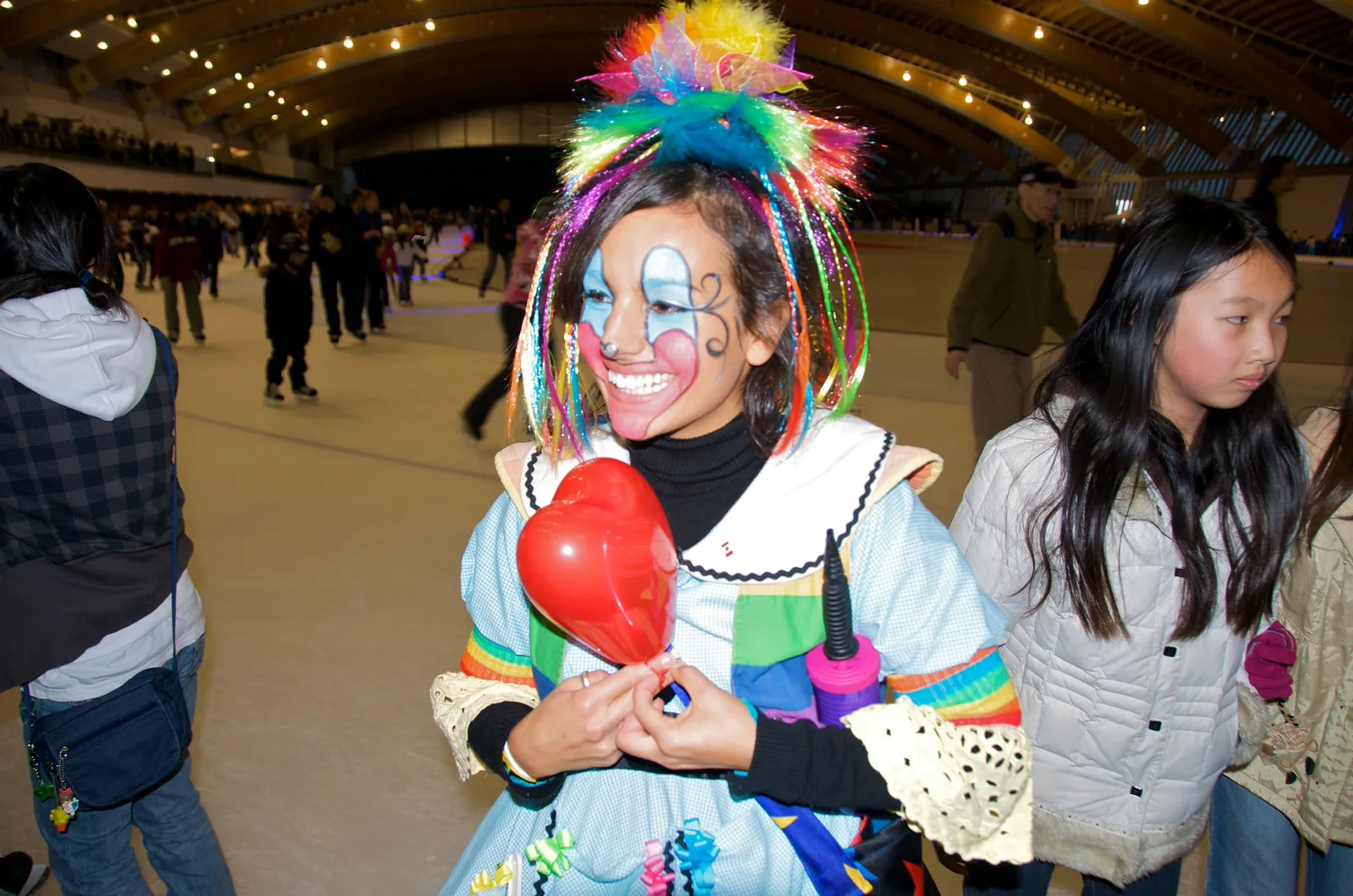
Not every great portrait needs a smile. Some of the most powerful portraits show thoughtfulness, calm, determination or quiet joy. Many people feel more comfortable with a gentle expression than a big grin.
Ways to create other expressions:
- Thoughtful. “Look out of the window and think about where you’d like to travel next.”
- Confident. “Imagine you’ve just finished something you’re really proud of.” A slight squint, sometimes called a squinch, also adds confidence.
- Calm. Breathing prompts, closed eyes then slowly opening them.
- Soft smile. “Smile with your eyes, not your mouth.” Or ask them to think of someone they love.
- Serious and strong. “Look straight into the lens like you’re about to tell me something important.”
Aim to capture a range in every session: big laugh, gentle smile, and a serious frame. Different expressions suit different uses. A headshot for work might call for a warm, closed-mouth smile; a family photo might want a big laugh.
Natural expressions in different situations
Portraits of one person
You have the most control here. Chat, use prompts, and take your time. The guide on how to direct people in photos covers the conversation side.
Groups
In a group, someone is almost always blinking or mid-word. Take lots of frames. Ask everyone to close their eyes, then open them on three, which reduces blinks. A shared joke works better than “everyone smile”. See the group photography tips.
Candid moments
With unposed photos, you do not prompt. You wait. Watch for laughter in conversation, reactions to a performer, or quiet moments of concentration. The candid photography guide covers how to be ready.
Shy people
Very shy people often freeze when asked to smile. Give them a task and photograph them doing it. Expressions appear naturally. The guide to photographing camera-shy people has more gentle approaches.
Strangers
With street portraits, a short, friendly chat after asking permission is usually enough. Ask where they are going or compliment something they are wearing, and shoot as they answer.
Your own expression matters
People mirror the faces around them. If you are frowning in concentration behind the camera, the person in front of you may frown too. If you smile, they are more likely to smile back.
Try this simple habit: smile yourself before you press the shutter. It feels strange at first, but it works. Some photographers even lower the camera slightly so the person can see their face, then raise it again and shoot.
Relaxed photographers make relaxed subjects. If you are enjoying yourself, it shows, and it spreads.
Choosing the best expression afterwards
After a session, you will have many similar frames. Choosing the best one is a skill too.
- Check the eyes first. Are they open, sharp and engaged? Do they show the smile?
- Look at the whole face. Are the mouth and eyes telling the same story?
- Avoid mid-blink and mid-word frames. Half-closed eyes and odd mouth shapes are common.
- Ask yourself: does this look like them? The best photo is often the one that feels most like the person on a good day.
- Ask them. If you are unsure, let the person choose. They know their own face best.
Practise reading expressions
You can train your eye for real expressions even without a camera. Watch people in cafés, on video calls or in films and notice when smiles are real and when they are polite. Look at the eyes each time.
Look through old photos of friends and family too. Pick out the ones where people look most like themselves and ask what was happening at that moment. Usually it was a real laugh, a real conversation, or a moment when they forgot about the camera. That is what you are trying to recreate.
Spotting and fixing tension
Even with good prompts, tension creeps in. Learning to spot it early lets you fix it before it ruins a whole set of photos. Common signs:
- Raised shoulders. Nervous people lift their shoulders toward their ears without noticing.
- Tight lips. The smile looks pressed or the lips look thin.
- Wide, staring eyes. The person is concentrating on “looking good” and the eyes go blank.
- Clenched jaw. You may see muscles tighten at the side of the face.
- Held breath. People often stop breathing when the camera comes up.
Quick fixes:
- “Drop your shoulders and shake them out.” It always gets a little laugh too.
- “Blow out through your lips like a horse.” Silly, effective, and it loosens the mouth.
- “Close your eyes for a second… and open them.” It resets a blank stare.
- Lower the camera, chat for a moment, then try again.
Open-mouth and closed-mouth smiles both work. Some people feel self-conscious about their teeth and prefer a closed smile. If so, use prompts that create a softer, warmer feeling rather than a big laugh, and do not push for teeth.
Common mistakes
- Saying “say cheese” or “smile”. It produces stiff, mouth-only smiles. Use prompts that create feelings.
- Lowering the camera after a joke. You miss the best moment. Keep the camera up.
- Only shooting the peak of the laugh. The relaxed frame just after is often better.
- Too slow a shutter speed. Laughing faces blur. Aim for around 1/250 second.
- Shooting in harsh sun. People squint and smiles look strained. Find soft light.
- Going silent. Silence makes people tense. Keep chatting.
- Joking at the person’s expense. Joke about yourself, never about them.
- Taking only one or two frames. Expressions change fast. Take short bursts.
- Frowning behind the camera. People mirror you. Smile.
Try this: a 10-minute expression session
Ask a friend to help. Find soft light, set your exposure and a shutter speed of around 1/250 second, and turn on eye focus if you have it.
- Minute 1: Take one photo after saying “say cheese”. This is your “before”.
- Minute 2 to 3: Ask about something they love and shoot as they talk.
- Minute 4: Ask for their worst fake laugh. Shoot a short burst during and after.
- Minute 5: Look away and back on three. Shoot as the eyes return.
- Minute 6: “Think of someone who always makes you laugh.” Shoot the soft smile.
- Minute 7: Try a serious expression: “Look into the lens like you have something important to tell me.”
- Minute 8: Say “Okay, that’s it!” and keep shooting.
- Minute 9 to 10: Review together. Compare the “say cheese” photo with the prompted ones. Cover the mouths and look only at the eyes.
The difference between the first photo and the rest is usually dramatic, and it costs nothing but a few questions.
Frequently asked questions
How do I get a natural smile in photos?
Do not ask for one. Create a feeling instead: ask about something they love, ask for a fake laugh, or have them think of someone funny. Shoot during and just after.
What is a Duchenne smile?
A genuine smile that involves the eyes as well as the mouth. The cheeks lift and small creases form at the corners of the eyes.
How do I stop people blinking in photos?
Take several frames, and for groups ask everyone to close their eyes and open them on a count of three.
What shutter speed is best for laughing people?
Around 1/250 second freezes most expressions. Faster is safer for big laughs or moving people.
How do I get a natural smile in a self-portrait?
Use a timer or remote, set burst mode, and think of something genuinely funny just before the shutter fires. Laughing at yourself works too.
Do portraits always need a smile?
No. Thoughtful, calm or serious expressions can be just as powerful. Capture a range and choose what suits the photo.
Wondering what to say between prompts to keep people relaxed? Read how to direct people in photos.
Is the person you are photographing very shy? Try the tips for photographing camera-shy people.