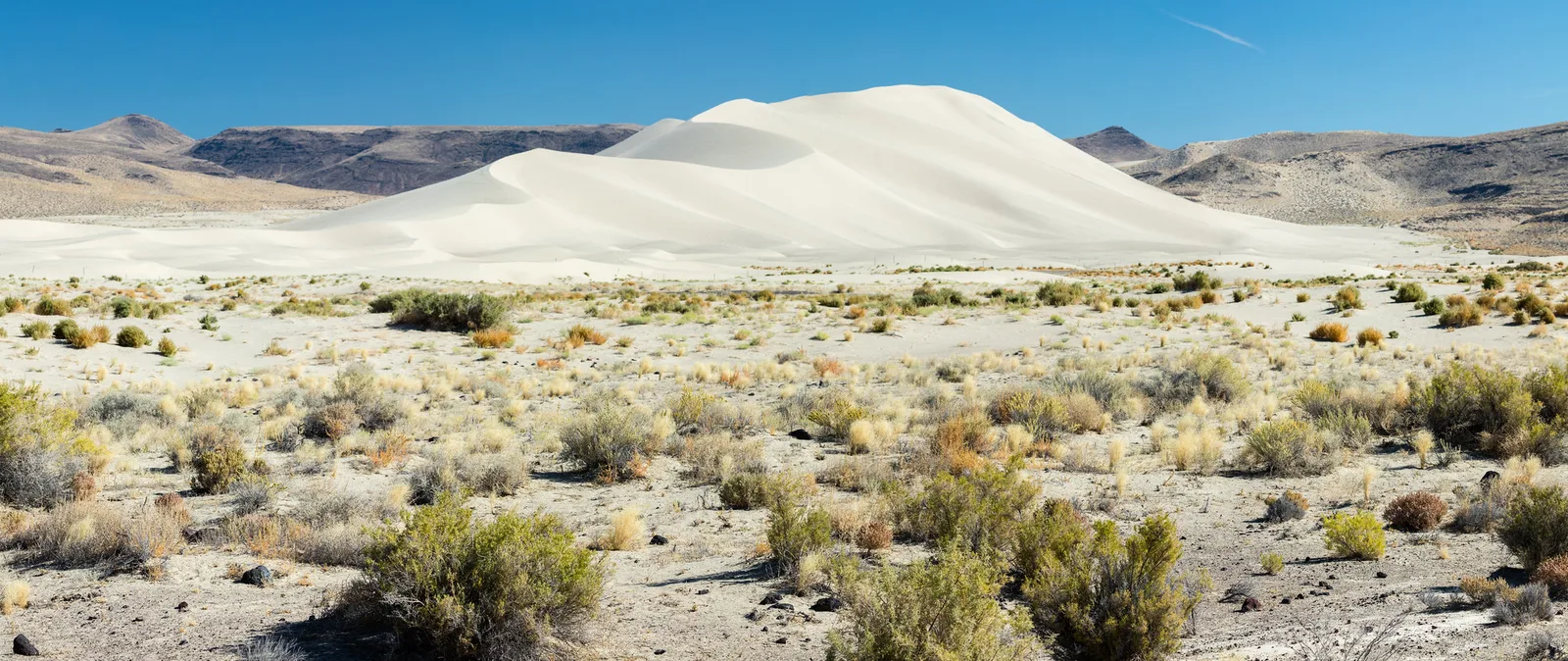
Hot days bring bright light, deep blue skies and long hours outside, but they are hard on photographers and their equipment. Cameras and phones overheat, distant scenes shimmer and blur, and the high sun flattens everything it touches. With a few habits for protecting yourself and your gear, and a different way of looking at the light, hot weather can become one of the most productive times to shoot.
This guide covers how heat affects cameras, phones and batteries, how to keep them working, why distant subjects wobble in heat haze and what to do about it, and which subjects and styles suit hard summer light. For seasonal ideas, the summer photography guide is a good companion, and desert photography covers the driest and hottest places in more depth.
Look after yourself first
The best photo trip is one you come home from feeling fine. Heat creeps up on people who are concentrating on a viewfinder, and the habits that keep you comfortable also keep you shooting longer.
- Start early. The first hours after sunrise are cooler and often have the best light. Many photographers shoot early, rest through the middle of the day and go out again in the evening.
- Carry more water than you think you need, and drink before you feel thirsty.
- Cover up. A wide-brimmed hat, light long sleeves and sunscreen protect you during long waits for the light. Apply sunscreen well before you handle the camera.
- Use shade. Set up under a tree or in the shadow of a wall while you wait. A small folding umbrella shades both you and the camera.
- Know your limits. Dizziness, headache or confusion are signs to stop, get into shade and cool down. Follow local guidance about heat warnings.
Plan routes so you are not walking long distances in the hottest part of the day, and tell someone where you are going if you head somewhere remote.
How heat affects cameras and phones
Electronics produce their own heat, and on a hot day there is nowhere for it to go. Most cameras and phones protect themselves by warning you and then shutting down until they cool. Understanding what makes them hot helps you avoid it.
- Direct sun is the biggest problem. A dark camera body in strong sunlight gets far hotter than the air around it.
- Video and live view run the sensor and processor continuously and generate the most heat. Long video clips are the most common cause of overheating warnings.
- Wireless features such as transfers and location tracking add to the load.
- Charging while shooting adds heat to an already warm device.
Heat also affects image quality slightly. A warm sensor produces more noise, especially in long exposures and shadow areas. You will not notice it in a bright daytime shot, but it can show up in night pictures taken after a hot day, when the camera has not yet cooled.
Batteries do not like heat either. They lose capacity faster when stored hot, and leaving them in a hot car shortens their life. The guide to camera batteries explains how to look after them.
Keeping your gear cool
- Keep the camera in shade between shots. Put it in your bag, under a hat or in the shadow of your body.
- Choose a light-colored bag if you can. Dark bags absorb a lot more heat in direct sun.
- Never leave gear in a parked car. The inside of a closed car in summer can become hot enough to damage batteries, screens and lenses. Take the bag with you.
- Turn the camera off when you are not using it, rather than leaving it on standby with the screen lit.
- Shorten video clips and let the camera rest between them. Some cameras have a setting that allows them to run warmer before they stop; check your manual.
- Do not cool gear with ice or cold water. Sudden temperature changes can cause condensation inside the camera and lens.
If a camera or phone does overheat, move it into shade, turn it off and let it cool naturally. Do not put it in a fridge or freezer. Most devices recover fully once they are back to a normal temperature.
Is your phone the camera that keeps shutting down in the heat? Phone camera settings covers the features worth turning on and off, including the ones that use the most power.
Humidity and condensation
In hot, humid places the danger runs the opposite way to winter. A camera kept in an air-conditioned room or car is cool, and when you step outside, moisture from the warm air condenses on the cold glass. The lens fogs instantly, and moisture can form inside the camera too.
- Before going outside, put the camera in a sealed plastic bag or closed camera bag.
- Let it warm up inside the bag for twenty to thirty minutes, so condensation forms on the outside of the bag instead of on your gear.
- If the lens fogs anyway, wait. Wiping only smears the moisture, and the fog clears on its own as the glass warms.
- Store gear with a few silica gel packets in humid climates to keep moisture down over longer trips.
The guide to camera maintenance covers condensation and storage in more detail.
Heat haze and shimmer
On a hot day, the ground warms the air just above it. That warm air rises unevenly, and because light bends slightly as it passes through air of different temperatures, distant subjects appear to ripple and wobble. Through a long lens, the effect is obvious: edges smear, fine detail turns soft and no amount of careful focusing makes the picture sharp.
Heat shimmer is worst when:
- you shoot a long distance, because there is more air between you and the subject;
- you use a telephoto lens, which magnifies the distortion along with the subject;
- you shoot low across hot surfaces such as roads, sand, rooftops or car hoods;
- the sun has been heating the ground for hours, usually from late morning through the afternoon.
To reduce it:
- Shoot early, before the ground heats up. The air is often steadier just after sunrise.
- Get closer and use a shorter focal length, so less air sits between you and the subject.
- Get higher. Shooting from a raised position puts your line of sight above the hottest layer of air.
- Avoid shooting across hot surfaces where you can. A path across grass shimmers less than one across asphalt.
- Take several frames. The air moves constantly, so in a short burst one frame is often sharper than the rest.
Heat haze is different from shimmer. Haze is a general softening of distant scenes caused by moisture, dust or pollution in the air. It lowers contrast and turns far hills pale blue. A polarizing filter helps a little, and editing tools for haze help more, but the best cure is clearer air early in the day.
Mirages: heat as a subject
Sometimes the heat itself is worth photographing. On a hot road or desert flat, the layer of very warm air near the ground bends light from the sky upward, so the far road appears to hold a shining pool of water. Distant cars, trees and hills can seem to float above the ground or reflect in that imaginary water.
To photograph a mirage, get low, use a long lens and aim along a straight road or across a flat, open surface toward something distant. The effect is strongest in the afternoon. The result is a picture of something the eye sees but the scene does not contain, which is one of the stranger things a camera can record. Always stay well off the road and out of traffic.
Planning a hot-day shoot
On hot days, the shape of the day matters more than usual. A simple plan lets you be in the right place when the light is good and somewhere comfortable when it is not.
- Dawn: the coolest, calmest and often clearest air of the day. Heat shimmer is at its lowest, haze is lighter and the low sun gives warm side light. This is the time for distant views and telephoto work.
- Mid-morning: the light hardens and the ground starts to heat. Move on to closer subjects, shaded streets and interiors.
- Midday to mid-afternoon: the hottest and harshest hours. Rest, scout, review your pictures, or work in shade and indoors. Museums, markets and covered spaces are good choices.
- Late afternoon and evening: the light softens and warms again, though the ground stays hot, so shimmer can linger over long distances. Portraits and nearby landscapes work well.
- After sunset: the blue hour brings soft, cool light and lit windows. Evenings in hot places are often when towns come to life.
Use the quiet middle of the day to scout. Walk the places you want to photograph, notice where shade falls and where the sun will set, and come back when the light is right.
Want to make the most of the cooler hours at either end of the day? Sunrise photography covers planning, exposure and composition for early light.
Working with hard midday light
Hot days often mean a high sun in a clear sky, which gives hard, short shadows and strong contrast. It is not the light for every subject, but it is far from useless. The guide to shooting in harsh daylight explains the general approach; here are the subjects and styles that suit a hot day.
- Bold shapes and shadows. Midday sun makes crisp, dark shadows under trees, railings and awnings. Look down as well as ahead, and treat shadows as shapes in their own right.
- Color and graphic scenes. Bright walls, painted signs and colorful buildings glow in strong light. A deep blue sky makes a clean backdrop.
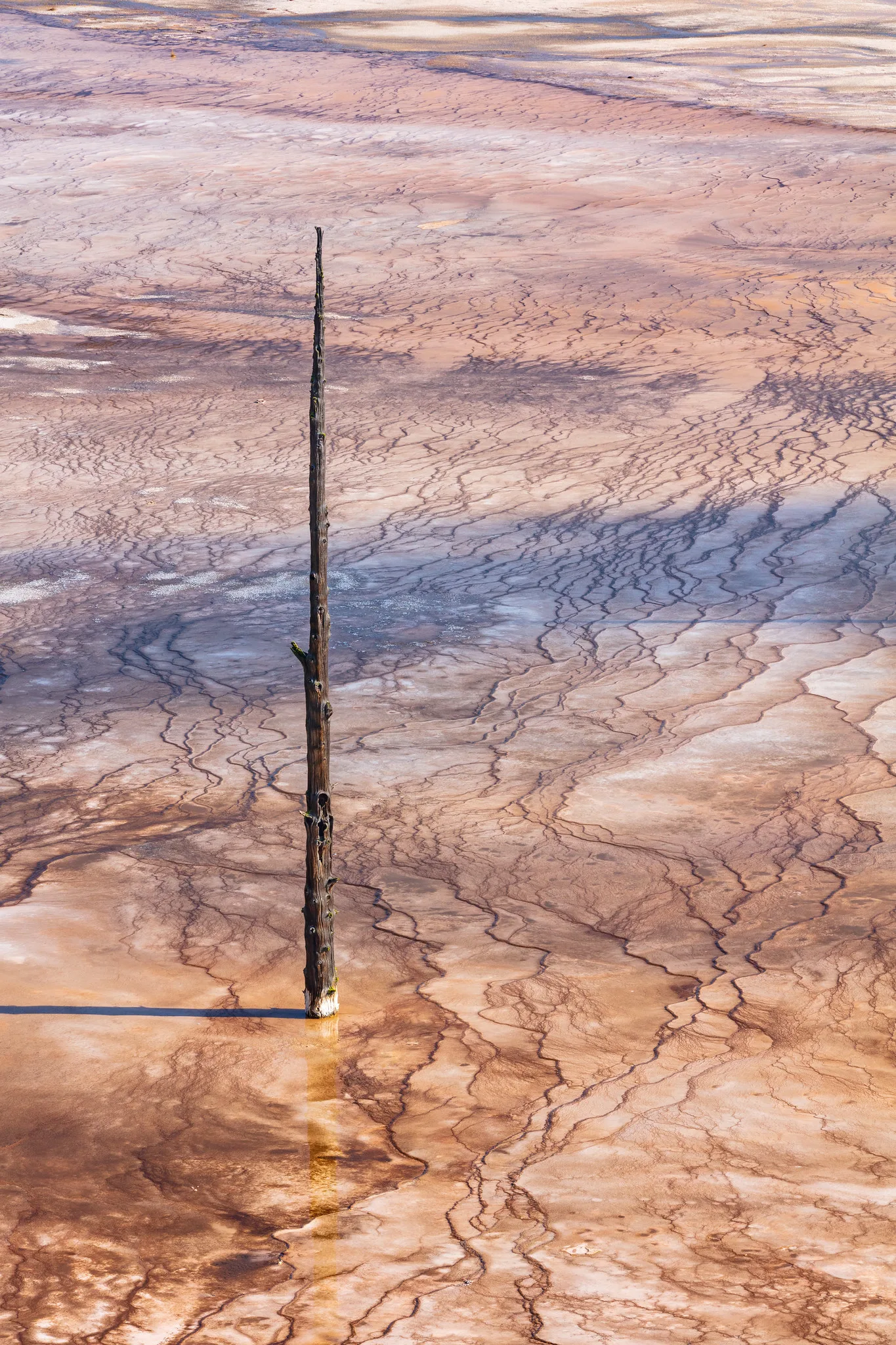
- Textures from above. High light rakes across walls and ground only at steep angles, but it brings out cracks, patterns and surfaces seen from above, like the mineral ground in the photo on this page.
- Black and white. Strong contrast that looks harsh in color can look striking in black and white.
- Open shade and interiors. Step into the shade of a building, a porch or a forest, where light is soft and even. Portraits in particular are much easier there.
- Water. Pools, fountains and the sea sparkle in high sun. Fast shutter speeds freeze splashes, and a polarizer reveals what is under the surface.
Exposure in bright, hot scenes
Hot places are often bright places: pale sand, white walls, glittering water. Camera meters tend to darken such scenes, so they look dull and gray. At the same time, a bright sky and deep shadows can exceed what the sensor can record.
- Add exposure compensation when pale surfaces fill the frame, and check the histogram so highlights are not pressed against the right edge.
- Turn on highlight warnings to spot burned-out areas quickly.
- Use your hand or a hat to shade the rear screen; in strong sun it can be hard to judge brightness. The viewfinder, if you have one, is more reliable.
- Shoot raw when contrast is very high, so you can recover detail in highlights and shadows later.
Sand, dust and sunscreen
Hot places are often dusty or sandy, and hot people are often covered in sunscreen. Both end up on the lens. A film of sunscreen on the front glass softens every picture and causes flare, and a phone lens wiped against a pocket picks up grit.
- Apply sunscreen before handling gear, and wipe your hands before touching the camera.
- Check the front of the lens often, and clean it with a blower first, then a clean microfiber cloth.
- Keep one lens on in dusty wind, and change lenses with your back to the wind if you must.
- Keep a lens hood on to shade the glass from both sun and dust.
Common mistakes
- Leaving the camera in the car. Heat damages batteries and electronics. Fix: take your gear with you, always.
- Shooting long telephoto shots in the afternoon. Heat shimmer blurs the subject. Fix: shoot early, get closer or get higher.
- Running long video clips in direct sun. The camera overheats and stops. Fix: shade the camera and record shorter clips.
- Wiping a fogged lens. It smears moisture. Fix: let gear adjust in a sealed bag before using it in humid heat.
- Hazy, low-contrast pictures. Often sunscreen on the lens or haze in the air. Fix: clean the glass and shoot early when the air is clearer.
- Forcing big landscapes at noon. The scene looks flat. Fix: switch to shadows, color, details and shade until the light softens.
Try this: a 10-minute hot-day hunt
- Minutes 1 to 2: In the middle of a hot, sunny day, step outside and find three strong shadows.
- Minutes 3 to 5: Photograph each shadow as a shape, with the object that casts it partly or fully out of the frame.
- Minutes 6 to 8: Find something brightly colored against a blue sky and make two frames, one with a little extra exposure and one without. Compare them.
- Minutes 9 to 10: Step into open shade and photograph something there. Notice how much softer the light is a few steps from the sun.
Midday light is often dismissed. Ten minutes of looking for what it does well will change how you see it.
Frequently asked questions
Can heat damage my camera?
Prolonged high heat can harm batteries, screens and electronics, which is why cameras shut down when they get too hot. Keep gear in shade and never leave it in a closed car.
Why do my distant photos look wavy on hot days?
Rising warm air bends light unevenly, causing heat shimmer. Shoot early in the day, get closer, avoid shooting across hot surfaces and take several frames.
How do I stop my lens fogging in humid heat?
Let the camera warm up in a sealed bag for twenty to thirty minutes before taking it out of air conditioning. If it fogs, wait rather than wiping.
What should I photograph at midday?
Strong shadows, bold colors, textures, black and white scenes and anything in open shade. Save big landscapes for early and late light.
What do I do if my phone overheats?
Move it into shade, stop using the camera and let it cool naturally. Do not put it in a fridge, where condensation can form inside.
For terms such as heat shimmer, exposure compensation, histogram and polarizing filter, see the photography glossary.