Real estate photography is one of the most accessible and profitable niches in professional photography. Every property listed for sale or rent needs compelling images, and agents know that high-quality photos sell properties faster and for higher prices. Whether you are looking to build a full-time real estate photography business or add it as a revenue stream to your existing photography services, this guide covers the equipment, techniques, and workflow you need to deliver professional results that agents and homeowners will love.
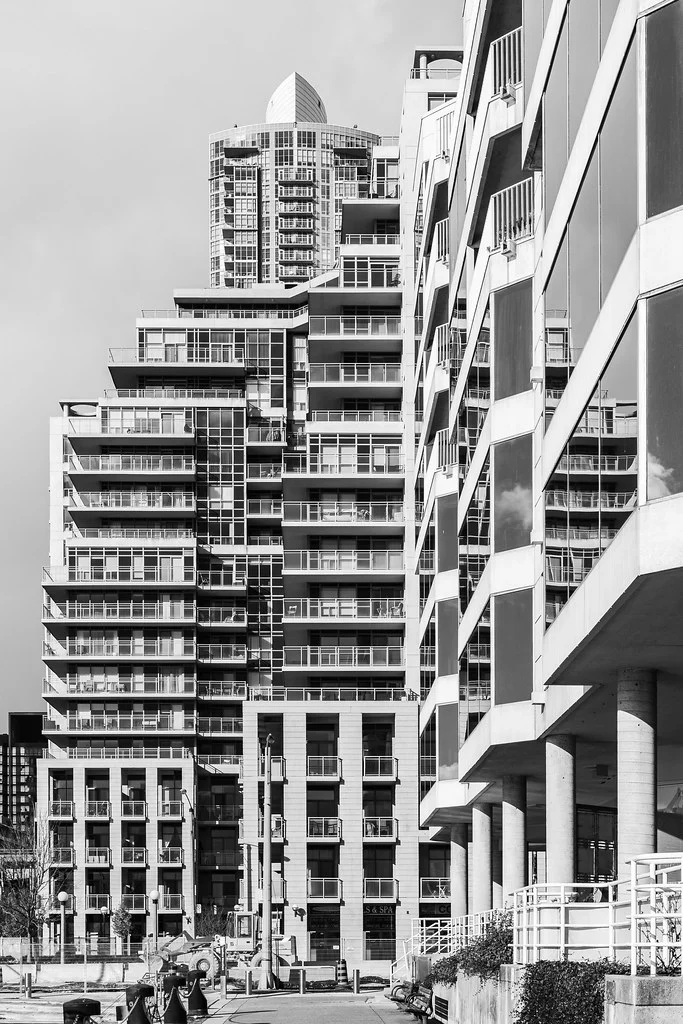
Essential Gear for Real Estate Photography
A wide-angle lens is the most important piece of equipment for real estate photography. Most interior shots are taken at focal lengths between 14mm and 24mm on a full-frame camera to capture as much of each room as possible in a single frame. The most popular real estate photography lenses include the 16-35mm f/2.8, the 14-24mm f/2.8, and more affordable options like the Sigma 14-24mm f/2.8 and Tamron 17-28mm f/2.8.
Ultra-wide lenses below 14mm can cause excessive barrel distortion that makes rooms look unnatural, so exercise restraint with the widest focal lengths. A 17mm to 20mm range hits the sweet spot for most rooms, capturing enough of the space to give viewers a clear sense of size and layout without the funhouse mirror distortion that ultra-wide angles produce.
A sturdy tripod is essential for the precise compositions and bracketed exposures that real estate photography demands. A tripod with a center column that can be set to different heights allows you to shoot at the optimal height for each room, which is typically around chest height or the midpoint between the floor and ceiling. A hot shoe level or your camera’s built-in electronic level ensures your verticals are perfectly straight, which is critical for architectural images.
A flash or off-camera lighting system is valuable for supplementing natural light, balancing exposure between bright windows and darker interiors, and adding light to dim rooms. Many real estate photographers use a single bounce flash aimed at the ceiling for quick, even illumination. More advanced practitioners use multiple off-camera flashes placed strategically throughout the room and blended in post-processing for a magazine-quality look.
Camera Settings for Real Estate
Real estate photography prioritizes sharpness and depth of field over everything else. You want every element in the room, from the nearest countertop to the furthest wall, in sharp focus. Set your aperture to f/8 to f/11 for maximum sharpness across the frame. Avoid apertures wider than f/5.6, which may not provide sufficient depth of field, and apertures narrower than f/14, which introduce diffraction softening.
Set your ISO as low as possible, ideally 100 to 400, to maintain clean, noise-free images. Since you are shooting on a tripod, you can use whatever shutter speed the exposure requires without worrying about camera shake. Shutter speeds of 1/4 second to 2 seconds are common in interior real estate photography.
Shoot in RAW format for maximum flexibility in post-processing. Real estate interiors often have challenging mixed lighting with daylight streaming through windows while incandescent or fluorescent fixtures light the interior. RAW files give you the latitude to correct white balance and exposure inconsistencies that are inherent in these mixed-light environments.
Camera Settings Cheat Sheet
| Setting | Interiors | Exteriors |
|---|---|---|
| Mode | Manual or Aperture Priority | Manual or Aperture Priority |
| Aperture | f/8 to f/11 | f/8 to f/11 |
| Shutter Speed | 1/4 sec to 2 sec (on tripod) | 1/60 to 1/250 sec |
| ISO | 100-400 | 100-200 |
| Focus | Single AF, back third of room | Single AF on building |
| White Balance | Auto (correct in RAW) | Daylight |
| Image Format | RAW (or RAW+JPEG) | RAW |
| Lens | 16-24mm on full frame | 24-35mm on full frame |
HDR and Exposure Bracketing
The dynamic range in interior spaces, where bright windows coexist with shadowy corners, often exceeds what a single exposure can capture. Exposure bracketing takes multiple shots at different exposure levels (typically three to five brackets, each separated by two stops) and merges them into a single image with detail in both highlights and shadows. This technique is the standard approach in professional real estate photography.
Process your brackets using dedicated HDR software like Photomatix, Enfuse, or Lightroom’s HDR merge. The goal is natural-looking results, not the overdone HDR look popular a decade ago. Well-processed real estate HDR should look like the room does to the human eye: bright windows with visible exterior views, well-lit interiors with detail in every corner, and natural color throughout.
Composition for Real Estate Interiors
The goal of real estate photography is to make spaces look their best while accurately representing their size and layout. Shoot from doorways and corners to maximize the visible area of each room. Position your camera at approximately chest height, which mimics the natural eye level as someone walks through a home. Shooting from too low makes rooms look cavernous and distorted; shooting from too high makes them look small and cramped.
Keep your camera perfectly level. Tilting up or down causes vertical lines to converge, making walls appear to lean inward or outward. Use your camera’s electronic level or a hot shoe bubble level to ensure the camera is precisely horizontal. Any remaining perspective distortion can be corrected in Lightroom or Photoshop’s transform tools, but getting it right in camera saves time and produces better results.
Show each room’s best features prominently. If a kitchen has beautiful countertops and a stunning backsplash, compose to highlight those elements. If a living room has a fireplace, frame it as a focal point. Include windows in your compositions when possible, as they add brightness and give viewers a sense of the home’s natural light and surroundings.
Exterior Photography
The exterior photo is the first image most buyers see, so it needs to be exceptional. Shoot the front of the property during the time of day when the facade receives the most flattering light. For many homes, this means late afternoon when warm light creates inviting shadows and dimensional texture on the building. Twilight or blue-hour exterior shots, where the sky turns a deep blue while interior and exterior lights glow warmly, are increasingly popular and command premium prices from agents.
Use a slightly longer focal length for exteriors, around 24mm to 35mm on full frame, to reduce wide-angle distortion that makes buildings look unnatural. Ensure all vertical lines are straight by keeping the camera level. Photograph the front yard, backyard, pool, garden, and any notable outdoor features like patios, decks, and outdoor kitchens.
Preparing the Property
The quality of your real estate photos depends significantly on the state of the property. Communicate preparation guidelines to the homeowner or agent before the shoot. Declutter surfaces and countertops, removing personal items, excessive decorations, and everyday clutter. Turn on all lights to create warmth and brightness. Open blinds and curtains to let in natural light. Remove cars from the driveway and close toilet lids. Make beds neatly and fluff pillows on couches. These small details add up to a much more polished final result.
Common Mistakes in Real Estate Photography
Using an ultra-wide lens at 10-14mm distorts rooms beyond recognition. While it makes small rooms look larger, the distortion is obvious and misleading. Stick to 16-24mm for natural-looking proportions.
Not correcting vertical lines makes images look amateurish. Converging verticals are the hallmark of careless real estate photography. Always level your camera and correct any remaining distortion in post-processing.
Overprocessing HDR creates the crunchy, over-saturated look that makes properties look garish and unreal. Process your brackets for natural, true-to-life results that make the property inviting rather than artificial.
Shooting cluttered, unprepared spaces wastes everyone’s time. If the property is not photo-ready when you arrive, politely postpone rather than photographing a mess that will not sell the property.
Missing key rooms and features means the listing is incomplete. Create a shot list before every shoot: front exterior, each bedroom, each bathroom, kitchen, living areas, dining room, backyard, and any special features like pools, views, or architectural details.
Poor white balance creates images with unnatural color casts that make interiors look cold, dingy, or unpleasant. Pay close attention to white balance in post-processing, especially in rooms with mixed lighting sources.
Photographing bathrooms and small rooms without thinking about what is reflected in mirrors and glass surfaces leads to embarrassing images with the photographer visible in the final shot.
Frequently Asked Questions
How many photos should I deliver per property?
For a standard residential property, 25 to 40 edited images is typical. This covers every room, key features, exterior views, and the yard. Larger luxury properties may require 50 to 75 images. MLS platforms often have image count limits, so check the local MLS requirements in your market.
What should I charge for real estate photography?
Rates vary by market, but most residential real estate photographers charge between 150 and 350 dollars per standard property. Luxury properties, twilight shoots, and additional services like drone photography, video tours, and virtual staging command higher rates. Research your local market to set competitive prices that reflect the quality of your work and cover your costs.
Do I need a drone for real estate photography?
Drone photography is increasingly expected, especially for larger properties, properties with acreage, and luxury listings. An FAA Part 107 drone pilot certificate is legally required for commercial drone operations in the United States.
How do I get started in real estate photography?
Start by photographing your own home or a friend’s home to build a sample portfolio. Reach out to local real estate agents and offer a discounted first shoot to demonstrate your quality. Join local real estate photography groups and networking events. Most agents hire photographers based on portfolio quality and turnaround speed, so focus on delivering polished images within 24 hours.
Real estate photography offers a clear path to a sustainable photography income with consistent demand and straightforward technical requirements. Master the fundamentals in this guide, build relationships with local agents, and deliver consistently excellent results on a fast turnaround. For more on building a photography business, explore our getting started guide and learn the technical foundations of aperture, shutter speed, and exposure that apply across all photography genres.
Continue Learning
Now that you know how to photograph real estate, explore these related guides to expand your architectural and professional photography skills: