A photo walk is one of the simplest and most effective ways to grow as a photographer. You pick a location, set a time, and walk with your camera, looking for images along the way. There are no complicated setups, no studio rentals, no models to coordinate. Just you, your camera, and whatever the world offers. Whether you walk alone or with a group, photo walks sharpen your observation skills, push you to shoot in unfamiliar conditions, and build the creative habit that separates active photographers from people who own cameras.
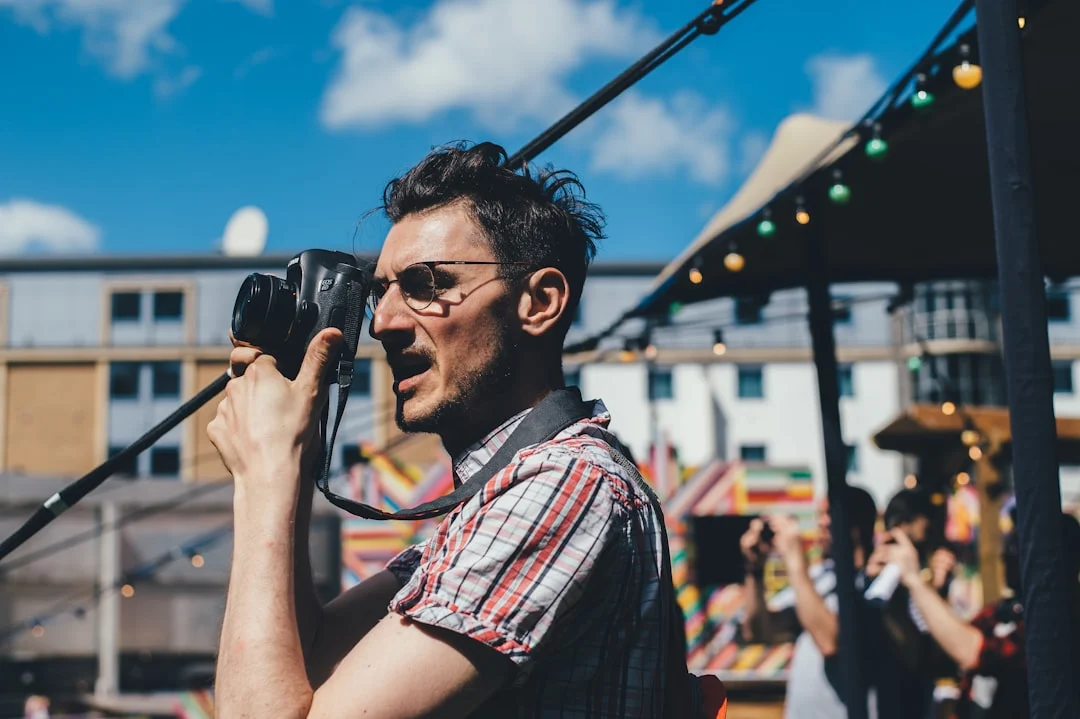
Photo walks work because they combine two things your brain needs to improve at photography: focused practice and variety. When you walk a route with the deliberate intention of making photographs, you train yourself to notice light, texture, pattern, and moment in a way that casual observation never achieves. This guide covers everything you need to plan solo walks, organize group walks, choose the right gear, practice specific exercises along the way, and build a lasting photo walk habit.
What Is a Photo Walk and Why It Improves Your Photography
A photo walk is a dedicated outing where photography is the primary purpose. It is different from taking snapshots during a vacation or pulling out your phone when you see something pretty. On a photo walk, you are actively looking for photographs the entire time. Your eyes scan for compositions, your mind evaluates light and shadow, and your camera stays ready. This sustained attention is what makes the practice so valuable.
Photo walks improve your photography in several concrete ways. First, they build your eye for composition. After an hour of actively seeking out leading lines, interesting frames, and compelling juxtapositions, you begin to see compositional possibilities automatically. Second, they force you to work with available light rather than controlling it, which develops your ability to read and respond to natural light. Third, they generate a high volume of practice. A single two-hour walk might produce 100 to 200 frames, giving you far more opportunities to experiment than a carefully planned single-shot outing.
Perhaps most importantly, photo walks teach you to be present. In a world of constant distraction, spending an hour or two with no purpose other than looking deeply at your surroundings is rare and valuable. Many photographers describe their best photo walks as meditative. The rest of life fades away and all that remains is the search for the next image.
Planning a Solo Photo Walk
Solo photo walks offer a freedom that group walks cannot match. You move at your own pace, stop whenever something catches your eye, and follow your instincts without worrying about keeping up or slowing others down. For photographers still developing their style, solo walks provide the quiet space needed for experimentation.
For your first few walks, aim for 60 to 90 minutes. This is long enough to settle into a rhythm, but short enough that it does not feel like an endurance test. Your best photographs almost always come in the first 90 minutes, when your eyes and mind are fresh.
Pick a time of day that matches the kind of light you want to practice with. Golden hour walks produce warm, directional light that flatters almost everything. Midday walks force you to work with harsh shadows and high contrast. Early morning walks give you empty streets and soft light. Evening walks bring neon signs, streetlights, and the energy of a city winding down. Each time of day teaches different skills.
Set a loose intention before you leave. You might decide to focus on reflections, shadows, textures, or a single color. You might aim to shoot everything from a low angle, or to make ten portraits of strangers. Having an intention prevents aimless wandering and provides a creative constraint that paradoxically opens up new possibilities, because you start noticing things you would otherwise overlook.
Organizing a Group Photo Walk
Group photo walks add a social dimension that many photographers find motivating. Walking with others exposes you to different ways of seeing. You will notice that five photographers standing on the same corner produce five completely different images. Observing what others choose to photograph broadens your own creative perspective.
Start small. Invite three to five friends or fellow photographers for a casual outing. Pick a meeting point, a rough route, a start time, and an end time. The ideal group size is four to eight people. More than ten becomes difficult to manage, and a large group attracts too much attention on the street, which changes the dynamic for street photography.
Set clear expectations before the walk. Will you walk together or spread out and meet at checkpoints? Will you share photos afterward? Is there a theme? How long will the walk last? These small decisions prevent confusion and ensure everyone has a good experience.
After the walk, gather at a coffee shop to review images together. This debrief is one of the most valuable parts of a group walk. Seeing how others interpreted the same environment teaches you more in 30 minutes than hours of solo review. Ask each person to share their three favorite shots. This collaborative review builds community and accelerates growth.
Choosing a Route, Location, and Theme
The route you choose shapes the kind of photographs you will make. A busy downtown street offers street photography opportunities with interesting characters and architecture. A quiet park provides nature subjects and a calmer pace. An industrial district presents textures, decay, and graphic compositions. A waterfront gives you reflections, boats, and the interplay of water and light. Vary your routes regularly to avoid falling into a creative rut.
When scouting a new route, consider practical factors. Is the area safe to walk with camera gear? Are there interesting visual elements distributed along the route, or is it a long stretch of sameness? Can you loop back to your starting point? A great photo walk route keeps your eyes engaged continuously, with enough variety to sustain interest for the full duration.
Themes transform an ordinary walk into a focused creative exercise. Choose a single color and photograph only subjects dominated by that color. Focus on textures: peeling paint, rough stone, smooth glass, wet pavement. Shoot only scenes where light and shadow create the primary visual interest. Dedicate an entire walk to one genre, like a travel photography walk where you photograph your own city as if you have never been there before, or a landscape photography walk in a nearby park. You can even try an alphabet theme, finding and photographing every letter in your environment through signs, building numbers, and shapes that suggest letters.
Gear to Bring: Keep It Light
The most important rule for photo walk gear is to carry less than you think you need. A heavy bag slows you down, tires you out, and makes you reluctant to walk for the full duration. The best photo walk kit is light enough that you forget you are carrying it.
One camera and one lens is the ideal setup. A moderate focal length between 28mm and 50mm (full-frame equivalent) works for most situations. The advantage of a single prime lens is that it forces you to move your feet and think about composition rather than zooming, which makes for better creative exercise. A smartphone is also a perfectly valid photo walk camera. Phone cameras excel in good light and produce excellent results when you pay attention to composition and timing.
Beyond your camera, carry only the essentials: a small water bottle, a charged phone, a spare battery, and a spare memory card. If you expect rain, a lightweight waterproof cover or a plastic bag and rubber band. Leave the tripod, flash, and extra lenses at home. A photo walk is about movement, observation, and spontaneity. Heavy gear works against all three. Wear comfortable walking shoes and a cross-body camera strap, which is more comfortable for long walks than a neck strap.
Photography Exercises During Walks
Structured exercises turn a casual walk into deliberate practice. Try incorporating one or two of these into each photo walk.
The 10-minute stop. Choose a single spot and stay there for exactly ten minutes. Find every possible photograph within arm’s reach. Look up, look down, look behind you. Change your angle. Shoot wide, then shoot tight. Most photographers are surprised by how many images exist in a single spot when they force themselves to exhaust it.
Constraint challenges. Add a limitation that forces creative problem-solving. Use only one compositional technique like the rule of thirds for every frame. Shoot everything from below waist height. Photograph only things that are moving. These constraints push you into creative territory you would never explore on your own.
The five-frame challenge. Choose a subject and make exactly five different photographs of it. Not five versions of the same composition, but five genuinely different approaches: different angles, distances, orientations, and focal points. The fourth and fifth frames are almost always more interesting than the first.
Speed shooting. Set a timer for five minutes and take as many different photographs as you can. Do not evaluate, do not check the screen, do not think too hard. Just shoot. This exercise quiets your inner critic and lets your subconscious eye take over.
The slow approach. Walk for ten minutes without taking a single photograph. Just observe. Notice the light, the shadows, the colors, the movement. After ten minutes, make one single photograph of the most compelling thing you noticed. This trains patience and selective vision.
Shooting in Different Conditions
One of the great benefits of regular photo walks is learning to shoot in conditions you would normally avoid. Varied conditions build versatility and keep your work from looking the same in every image.
Golden hour walks. Golden hour, the period shortly after sunrise and before sunset, provides warm, directional light that creates long shadows, rich colors, and a three-dimensional quality. Pay attention to backlit subjects, lens flare, and the way warm tones saturate everything.
Overcast and rainy walks. Rain transforms familiar environments. Wet surfaces become mirrors. Umbrellas add splashes of color against grey skies. Reflections in puddles create double images of buildings and streetlights. Bring a simple rain cover for your camera and embrace the weather.
Night walks. City lights, neon signs, car headlights, and illuminated windows create scenes with dramatic contrast and saturated color. You will need to understand how to get sharp photos in low light: use a wider aperture, raise your ISO, and brace your camera against a post or railing. Night walks teach you to see light as a subject rather than just a condition.
Harsh midday light. Direct overhead sunlight creates hard shadows and high contrast. Look for shadows cast by architectural elements, pools of light in shaded areas, and hard edges where light meets dark. Black and white photography works especially well in these conditions.
Fog and mist walks. Fog simplifies scenes by eliminating background clutter and reducing the world to shapes and silhouettes. Focus on isolated subjects that emerge from the mist: a lone tree, a figure on a bridge, a streetlamp dissolving into grey.
Etiquette and Ethics on the Street
Photo walks in urban areas involve photographing in public spaces where other people are present. How you behave with your camera reflects on all photographers. Good ethics are not just about being a decent person. They also make you a better photographer.
Respect people’s space and comfort. If someone notices you photographing them and looks uncomfortable, lower your camera and move on. Do not argue about your legal right to photograph in public. A nod, a smile, or a simple “great light today” can diffuse tension. If someone asks you to delete their photo, it is generally best to comply.
Be especially thoughtful when photographing vulnerable individuals. People experiencing homelessness or distress are not props for your portfolio. Ask yourself whether your photograph dignifies the person or exploits their circumstances.
When walking in residential neighborhoods, be mindful of pointing your camera at people’s homes and windows. If someone asks what you are doing, be honest and friendly. In commercial areas, be aware that some businesses restrict photography on their premises. Comply politely with any requests and move to public space. When walking with a group, be conscious of your collective impact. A group of photographers all pointing cameras at the same street vendor can feel intimidating. Spread out and take turns.
Reviewing and Editing Your Walk Photos
What you do after a photo walk matters almost as much as the walk itself. The review and editing process is where you consolidate what you learned and develop your post-processing skills.
Do your first review the same day, while the walk is fresh. Import all your images and flag the ones that catch your eye. On a productive walk, you might have 150 images. From those, flag 15 to 25 that have potential. Then choose five to ten to actually edit. Being ruthless at this stage makes your final set much stronger. The discipline of choosing your best work is how you develop taste.
When editing, try to develop a consistent look for each walk. Apply similar toning, contrast, and color adjustments so your images feel like a cohesive set rather than random individual photos. This practice builds toward the ability to create photo essays and narrative series from your walk photography.
After editing, reflect on what worked and what did not. Which images are you happiest with? What compositional approaches failed? Were there technical issues like missed focus or poor exposure? Consider keeping a simple photo walk journal: the date, location, conditions, one thing you did well, one thing to improve, and one idea for your next walk. Over months, this journal becomes a valuable record of your growth.
Building a Photo Walk Habit
The photographers who improve fastest are the ones who walk regularly, not the ones who do one epic walk and then nothing for three months. Start with a commitment you can actually keep. One walk per week is a good starting point. Put it on your calendar like any other appointment. This is the same approach that makes a 365 photography project successful: consistency over intensity.
Keep your photo walk gear ready to grab and go. Charge your battery after each walk. Clear and back up your card. Put your camera and minimal gear in a bag by the door. When walk time arrives, you just pick up the bag and leave. Removing friction is the single most effective way to maintain any creative habit.
Integrate photo walks into your existing routine. Walk to the coffee shop with your camera instead of driving. Take a slightly longer route home from work and use the extra 20 minutes to shoot. When photography becomes woven into activities you already do, it stops feeling like an additional obligation. Treating photography as a hobby that integrates with your daily life is key to making it last.
Vary your walks enough to stay interested. Alternate between familiar routes and new ones, between themed walks and open walks, between solo walks and group walks. If you need inspiration, browse photography project ideas for themes you can adapt to a walking format. This variety prevents the staleness that kills creative habits.
Organizing a Local Photo Walk Group
Starting a local photo walk group is one of the most rewarding things you can do as a photographer. It does not require special credentials. It requires one person willing to pick a date, a location, and send invitations.
Begin with people you already know. Personal invitations produce better turnout than public announcements. Choose an accessible downtown location with varied architecture, good foot traffic, and nearby cafes. Create a simple structure that repeats: meet at a set location, walk for 60 to 90 minutes, regroup at a cafe to share photos. This predictable format makes it easy for new people to join.
Welcome all skill levels and all cameras, including phones. The mix of beginners and experienced photographers is one of the strengths of a good group. Beginners bring enthusiasm and fresh perspectives. Experienced photographers bring technical knowledge. Use social media or a messaging app to stay connected between walks. Share photos, announce upcoming dates, and encourage conversation.
Be consistent above all else. The groups that thrive walk on a regular schedule regardless of attendance. Even if only two people show up, walk. Consistency builds trust that the group is real, which is what eventually grows attendance.
Common Mistakes on Photo Walks
Walking too fast. A photo walk is not a hike. Slow down dramatically. Stop frequently. Look behind you, because the scene you just passed often looks completely different from the other direction. A productive photo walk might cover only a kilometer or two in an hour.
Chimping after every shot. Checking your camera screen after every photograph breaks your flow and pulls your attention away from the environment. Review images later. During the walk, trust your settings and keep looking.
Carrying too much gear. One camera and one lens. If you spend time debating which lens to use, you are carrying too many lenses.
Photographing only the obvious. Tourist landmarks and famous buildings have been photographed millions of times. Look for the scenes between the landmarks: the side street, the person sitting on a bench, the shadow on a wall. The photographs that reveal your unique perspective come from seeing what others overlook.
Skipping the edit and review. A photo walk without a review session is half an exercise. Even a quick 15-minute cull the same evening is better than dumping 200 images onto your hard drive and never looking at them again.
Giving up on “boring” locations. There is no such thing as a location with nothing to photograph. Some of the most compelling photo walk images come from mundane suburban streets, parking lots, and office parks. The photographer makes the image, not the location.
Ignoring the light. Pay attention to how light falls on surfaces, where shadows create interesting shapes, and how light quality changes as you move between open and covered spaces. Understanding natural light is what separates a snapshot from a photograph.
Try This: Photo Walk Exercises
Exercise 1: The One-Block Walk. Choose a single city block and spend 45 minutes there. Find 20 completely different photographs within that small area. Vary your subjects, angles, distances, and compositional approaches. Most photographers run out of obvious shots after ten minutes, and then the real creative work begins.
Exercise 2: Shoot Your Commute. Take your regular route to work or school, but stop and photograph every time you see something interesting. Allow extra time. Most people travel the same route hundreds of times without really seeing it. When you add the intention of photography, familiar streets become full of unnoticed details: the way morning light hits a specific building, a recurring pattern in the sidewalk, a tree that frames a distant view. This exercise also identifies potential photo walk routes hiding in your daily life.
Exercise 3: The Stranger Portrait Walk. Set a goal of approaching five strangers and asking to make their portrait. Prepare a simple line: “I am a photographer on a photo walk. I love how the light is hitting you right now. Would you mind if I took a quick portrait?” You will get some refusals, and that is fine. The people who say yes often produce the most memorable images of your entire walk. This exercise builds the confidence that transforms street and travel photography.
Exercise 4: The Silent Walk. If walking with a group, agree to spend 30 minutes in complete silence. No talking, no sharing screens, no pointing things out. Walk near each other but let everyone follow their own eye. Regroup afterward and compare what you each found. Many groups find that their silent-walk images are significantly stronger than their talking-walk images.
Exercise 5: Before and After. Walk a route you have photographed before. Pull up your previous images and note what you shot last time. Your assignment is to make completely different photographs in the same location using different angles and compositional approaches. Comparing your two sets reveals how your eye has changed over time, which is one of the most tangible measures of creative growth.
Frequently Asked Questions
How long should a photo walk be?
For most people, 60 to 90 minutes is ideal. This is long enough to settle into a creative flow, but short enough that you stay mentally sharp. Beginners may find 45 minutes is plenty. Experienced photographers might extend to two or three hours when exploring a new area. Quality of attention matters more than quantity of time.
Do I need an expensive camera for photo walks?
No. A smartphone works beautifully. The purpose of a photo walk is to train your eye, practice composition, and develop the habit of looking. These skills transfer to any camera. Some of the best photo walk images are made on phones because the photographer was focused on seeing rather than on equipment.
Are photo walks only for street photography?
Not at all. You can do a nature photo walk through a forest trail, a landscape photo walk along a coastline, or an architectural walk through a historic district. Urban environments are popular because they offer dense visual variety, but some of the most productive walks happen in nature, suburbs, and rural areas.
Should I shoot in RAW or JPEG on a photo walk?
If your camera supports it and you are comfortable with RAW processing, shoot in RAW. The flexibility in post-processing is valuable when shooting in varied lighting conditions. If you are a beginner or want simplicity, JPEG is fine. Do not let technical decisions become barriers to getting out and walking.
What if it rains on my planned walk day?
Go anyway, if it is safe to do so. Rain creates reflections in puddles, wet surfaces that glow under streetlights, umbrellas adding color to grey streets, and a unique atmosphere. Protect your camera with a simple rain cover or a plastic bag. If you only walk in perfect weather, you will miss some of the best images and never develop the versatility to shoot in any condition.
How do I find photo walk groups near me?
Search social media for “photo walk” plus your city name. Check local camera clubs, community colleges with photography programs, and photography meetup groups. Many camera stores host free photo walks as community events. If you cannot find an existing group, start your own with two or three interested people and a meeting point.
Is it safe to walk alone with camera gear?
Use common sense. Walk in areas you know and feel comfortable in. Avoid displaying gear ostentatiously. Use a plain camera bag rather than one that advertises its contents. Stay aware of your surroundings, especially at night. Tell someone your route and expected return time. If you feel unsafe in an area, trust that instinct and move somewhere else.
How many photos should I take during a walk?
There is no right number. Some photographers take 50 carefully considered frames. Others take 300 and edit aggressively afterward. What matters is that you review your images afterward. Taking 500 photos that you never look at again teaches you nothing. Taking 30 photos and carefully evaluating each one teaches you a great deal.
Photo walks are among the simplest and most accessible ways to practice photography. They require no special equipment, no studio space, and no complicated planning. Just your camera, comfortable shoes, and the willingness to look at the world with fresh eyes. Whether you walk alone or with a group, in sunshine or in rain, the habit of walking with photographic intention will change how you see everything around you. Start your first walk this week. Pick a time, pick a direction, and go. The photographs are already out there waiting to be noticed.