Nature photography captures the beauty, drama, and intricate detail of the natural world, from sweeping mountain vistas to the delicate structure of a wildflower petal. It is one of the most popular and rewarding photography genres, attracting photographers at every skill level with its combination of outdoor adventure, creative challenge, and connection to the environment. Great nature photography requires patience, technical skill, and a genuine understanding of the natural systems you are documenting. Unlike studio work where you control every variable, nature photography forces you to adapt to conditions that are constantly changing and rarely cooperate with your plans. This guide covers the full spectrum of nature photography: field techniques, camera settings, gear selection, composition strategies for natural subjects, ethical practices, weather preparation, and the editing workflow that brings your outdoor images to life.
What Nature Photography Encompasses
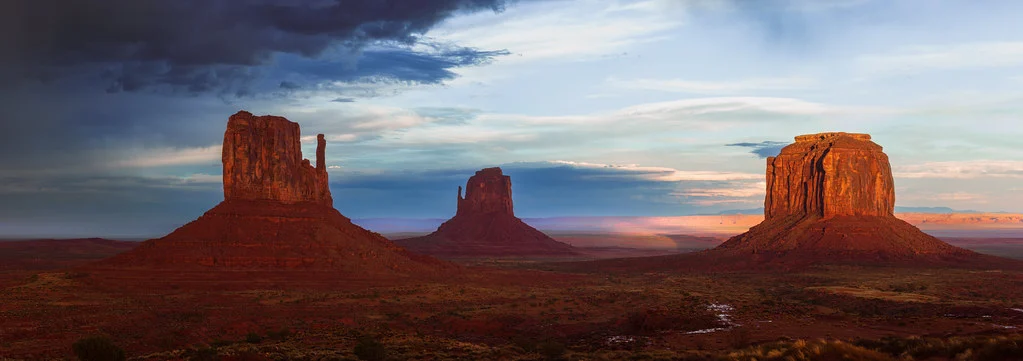
Nature photography is a broad umbrella that covers several overlapping specializations. Landscape photography captures the large-scale beauty of terrain, skies, and natural formations. Wildlife photography focuses on animals in their natural habitats. Macro photography reveals the hidden details of flowers, insects, and small organisms. Plant and botanical photography documents the diversity of flora. Weather and atmospheric photography captures storms, clouds, fog, and celestial events. Many nature photographers work across all of these specializations, using the full range of techniques depending on what the natural world presents on any given day.
What unites all nature photography is the commitment to working with wild, unmanipulated subjects in natural environments. The authenticity of the setting and the subject is fundamental to the genre. Moving or disturbing natural elements for a better composition, baiting wildlife, or misrepresenting captive animals as wild crosses ethical lines that the nature photography community takes seriously.
Essential Gear for Nature Photography
Nature photography gear must be versatile enough to handle diverse subjects, durable enough to survive outdoor conditions, and portable enough that you can carry it comfortably for extended periods in the field.
Camera Body
A weather-sealed mirrorless or DSLR camera is the foundation. Weather sealing is more important for nature photography than for almost any other genre because you will encounter rain, mist, dust, sand, and extreme temperatures in the field. A camera that cannot handle moisture or cold will fail you precisely when conditions are most dramatic and photogenic.
For landscape-focused work, resolution and dynamic range are the priority. A high-resolution sensor (36+ megapixels) captures fine detail in textures, foliage, and rock formations that large prints demand. For wildlife-focused work, fast autofocus, high frame rates, and good high-ISO performance are more important than ultimate resolution. Many nature photographers carry two bodies: one optimized for landscapes and one for wildlife, or a single versatile body that balances both needs.
Lenses
Nature photography demands a wider range of focal lengths than most other genres because subjects vary from vast landscapes to distant birds to tiny insects.
Wide-angle zoom (16-35mm): Essential for landscape photography, capturing expansive scenes with dramatic foreground elements. Use this lens for wide vistas, forest canopies, and environmental compositions that place a natural subject within its broader setting.
Standard zoom (24-70mm or 24-105mm): A versatile workhorse that covers mid-range landscapes, intimate landscape details, plant portraits, and general nature subjects. This is the lens to grab when you are not sure what you will encounter.
Telephoto zoom (70-200mm or 100-400mm): Compresses distant landscape elements, isolates individual subjects, and provides enough reach for larger wildlife. A 100-400mm zoom is one of the most versatile lenses for nature photography, covering intimate landscapes through medium wildlife photography in a single lens.
Super-telephoto (400mm+): Required for serious bird and wildlife photography where subjects are distant and flighty. These lenses are large, heavy, and expensive, but nothing else can replace the reach they provide.
Macro lens (90-105mm): Dedicated macro lenses focus close enough to render insects, flowers, and small details at life-size or larger. A 100mm macro doubles as a sharp portrait-length lens for botanical subjects.
Tripod and Support
A solid, lightweight carbon fiber tripod is essential for landscape work and beneficial for macro and telephoto shooting. Carbon fiber saves significant weight compared to aluminum, which matters when you are hiking for miles. The tripod head matters as much as the legs: a ball head offers quick repositioning for landscapes, while a gimbal head is better for tracking wildlife with heavy telephoto lenses. A tripod with legs that splay flat allows low-angle shooting for macro subjects and ground-level compositions.
Filters
A circular polarizing filter is the most useful filter for nature photography. It deepens blue skies, enhances cloud definition, increases color saturation in foliage, and reduces reflections on water surfaces and wet rocks. A set of graduated neutral density filters helps balance bright skies with darker foregrounds during sunrise and sunset. A solid neutral density filter enables long exposures for smooth water and cloud movement effects even in bright conditions.
Want to see how to rotate a polarizer and read its effect, or convert long exposure times for an ND filter? Polarizing filter and ND filter guide cover each.
Field Accessories
Extra batteries (cold weather drains batteries much faster), ample memory cards, a rain cover for your camera, lens cleaning supplies, and a comfortable camera bag with good back support round out the nature photography kit. A headlamp is essential for pre-dawn hikes to sunrise locations. Hand warmers keep your fingers functional in cold weather. A GPS-enabled device helps you return to precise locations for follow-up shoots.
Camera Settings for Nature Photography
Nature photography settings vary significantly depending on the subject, but understanding the baseline for each type of nature shooting helps you adapt quickly in the field.
Landscape Settings
Aperture: Use f/8 to f/13 for maximum sharpness across the frame. These apertures provide extensive depth of field while staying within the optical sweet spot where diffraction has not softened the image. When foreground and background sharpness are both critical, focus approximately one-third into the scene or use the hyperfocal distance for your focal length and aperture.
Not sure where to put the focus point for front-to-back sharpness? Hyperfocal distance explains how to calculate it and how to use it across different types of photography.
ISO: Keep ISO at 100 whenever possible for the cleanest files. On a tripod with slow shutter speeds, low ISO is always achievable for static landscape subjects.
Shutter speed: Variable depending on conditions and intent. For sharp landscapes without motion blur, keep shutter speed above 1/focal length when handheld. On a tripod, shutter speed becomes a creative tool: fast speeds freeze waves and waterfalls, while slow speeds (1/4s to several seconds) smooth water into silky flows and blur cloud movement.
Wildlife Settings
Aperture: Shoot wide open or nearly so (f/4 to f/5.6 for telephoto lenses) to maximize shutter speed and isolate the subject from the background. The shallow depth of field from a long telephoto at wide aperture creates the smooth, blurred backgrounds that make wildlife images look professional.
ISO: Set auto-ISO with a ceiling of ISO 3200-6400 depending on your camera’s capabilities. Capturing a sharp image of a moving animal at high ISO is always better than capturing a blurry image at low ISO.
Shutter speed: 1/500s minimum for perched birds and stationary animals. 1/1000s to 1/2000s for birds in flight and fast-moving wildlife. Use shutter priority or manual mode with auto-ISO to guarantee the shutter speed you need.
Macro Settings
Aperture: Depth of field at macro distances is razor-thin. At f/2.8 with a 100mm macro lens at 1:1 magnification, the in-focus zone can be less than 1mm. Use f/8 to f/16 to gain enough depth of field to render your subject clearly. Consider focus stacking (multiple images at different focus distances merged in software) for subjects that need front-to-back sharpness at high magnification.
Wondering how a focus stack is shot and merged? Focus stacking covers shooting the stack, merging it in software, and the common mistakes.
ISO: ISO 200-800 is typical for natural-light macro. The small apertures required for adequate depth of field demand either higher ISO or longer shutter speeds.
Shutter speed: 1/200s or faster for handheld macro to minimize vibration and movement blur. Even a gentle breeze can move a flower stem enough to cause blur at macro magnifications. A macro ring flash or LED light can provide additional light that enables faster shutter speeds.
Working with Natural Light
Natural light is everything in nature photography. Understanding how it changes throughout the day, across seasons, and under different weather conditions is the single most important skill you can develop.
Golden Hour and Blue Hour
The golden hour (the period shortly after sunrise and before sunset) produces warm, directional light with long shadows that reveal texture and create depth. This is the most popular and productive time for nature photography. Plan your outings to be in position and ready to shoot during these windows. The blue hour (the twilight period before sunrise and after sunset) produces a cool, even light that is ideal for atmospheric landscapes and water scenes.
Overcast Light
Cloudy days produce soft, diffused light with minimal shadows. This is excellent for forest photography (where direct sun creates harsh, contrasty patches), waterfalls (where even light reveals detail in both water and surrounding rock), wildflower photography (where soft light saturates colors without harsh shadows), and macro work (where even illumination is easier to manage than directional light). Do not put the camera away on cloudy days. Some of the richest, most saturated nature images are captured under overcast skies.
Harsh Midday Light
Direct overhead sun between 10 AM and 3 PM produces harsh, contrasty light that is generally unflattering for nature photography. However, it can work for specific situations: underwater subjects viewed through clear water, desert landscapes where the stark light contributes to the harsh environment, and high-contrast compositions where deep shadows are part of the visual story. If you are forced to shoot in midday sun, look for subjects in open shade, use a polarizing filter to cut glare and boost saturation, or focus on abstract and detail subjects where light direction matters less.
Composition for Nature Photography
Strong composition transforms a record shot of a pretty place into an image that captures the feeling of being there. Nature photography composition builds on universal principles but applies them to the unique challenges and opportunities of outdoor subjects.
Foreground Interest
The most common weakness in nature photography is a compelling background with an empty, uninteresting foreground. Strong foreground elements (wildflowers, rocks, textured ground, reflections, fallen leaves) anchor the image and create a sense of depth that draws the viewer into the scene. Position your camera low and close to foreground elements with a wide-angle lens to exaggerate the size relationship between foreground and background. This technique creates images with extraordinary depth and immersion.
Leading Lines and Visual Flow
Nature provides abundant leading lines: rivers, shorelines, trails, fallen trees, mountain ridges, rows of trees, fence lines, and geological formations. Use these natural lines to guide the viewer’s eye from the foreground through the middle ground to the background, creating a visual journey through the image. S-curves are particularly effective in nature photography, creating a gentle, flowing path that keeps the eye moving through the composition.
Rule of Thirds and Beyond
The rule of thirds provides reliable starting points for placing horizons (one-third from the top for dramatic skies, one-third from the bottom for interesting foregrounds) and key subjects. But nature photography also rewards breaking rules with purpose. Centered compositions create a sense of calm and symmetry (reflections on still water are a classic example). Subjects placed at the extreme edge of the frame create tension and imply a story beyond the borders. An empty sky filling two-thirds of the frame communicates vastness and isolation.
Framing and Layers
Natural frames (overhanging branches, rock arches, tree trunks) focus attention on the main subject and add depth. Layered compositions with distinct foreground, midground, and background elements create a three-dimensional feeling in a two-dimensional image. Atmospheric haze that lightens distant mountains, a river that winds from foreground to background, or trees that frame a mountain peak all create layers that give the image depth and scale.
Weather Preparation and Safety
Nature photography takes you into environments that can be physically demanding and occasionally dangerous. Preparation and safety awareness are not optional additions to your workflow. They are fundamental requirements.
Weather and Conditions
Check weather forecasts before every outing but be prepared for conditions to change rapidly, especially in mountains and coastal areas. Rain can arrive faster than forecasts predict, temperatures can drop unexpectedly, and fog can reduce visibility to near zero. Dress in layers with moisture-wicking base layers and waterproof outer layers. Carry a rain cover for your camera and a dry bag for electronics. Cold weather drains batteries rapidly: keep spares in an inside pocket close to your body where your warmth maintains their charge.
Heading out in rain, fog or snow? Photography in bad weather has sections on rain, snow and ice, fog and mist, and wind and storms.
Physical Safety
Tell someone where you are going and when you expect to return. Carry water, snacks, a first-aid kit, and navigation tools (a physical map and compass as backup to electronic devices). Be aware of local wildlife hazards and know the appropriate responses. Watch your footing when setting up near cliff edges, rivers, and rocky terrain, especially when you are focused on composing through the viewfinder and not watching where you step. The best photograph in the world is not worth a serious injury.
Protecting Your Gear
Moisture is the biggest threat to camera equipment in the field. Condensation forms when you move cold gear into warm environments (or vice versa), so let your equipment acclimate gradually. Salt spray at the coast is corrosive: wipe down your gear after coastal shoots. Sand and dust can damage lens mechanics: change lenses in sheltered areas and keep your camera covered when not shooting. A UV filter on each lens provides inexpensive protection against scratches and impacts without affecting image quality.
Ethical Practices in Nature Photography
Ethical behavior in nature photography protects both the environments you photograph and the credibility of your work.
Leave no trace. Stay on established trails when they exist. Do not trample vegetation to reach a shooting position. Carry out everything you bring in. If you move a rock or branch for a composition, move it back when you are done. Your presence should leave no evidence in the environment.
Prioritize wildlife welfare. Never approach wildlife closer than recommended safe distances. Do not bait, lure, call, or harass animals for a photograph. Avoid photographing nesting birds or animals with young, as your presence can cause parents to abandon their young. If an animal changes its behavior because of your presence (stops feeding, becomes alert, moves away), you are too close. Back off. The animal’s wellbeing always takes priority over the image.
Be honest about your images. Disclose significant manipulations or composites. Do not misrepresent captive or habituated animals as wild. Do not present images from controlled environments (botanical gardens, zoos, game farms) as images from wild settings without disclosure. Understand copyright considerations when photographing in national parks and protected areas, some of which require permits for commercial photography.
Protect sensitive locations. Geotagging photographs of fragile environments, rare species habitats, or less-known natural areas can lead to destructive overcrowding. Consider removing location data from images of sensitive locations, or sharing general region names rather than precise coordinates.
Post-Processing Nature Images
Post-processing is where your nature images reach their full potential. The goal is to reveal the beauty and detail that you experienced in the field but that the camera’s RAW file does not initially convey.
Start in Lightroom with exposure and white balance corrections. Nature images often benefit from recovered highlights in the sky and lifted shadows in darker areas. A small increase in vibrance (which targets less-saturated colors) is more natural-looking than saturation (which boosts all colors equally). Color grading can enhance the mood: warmer tones for golden hour images, cooler tones for dawn and winter scenes.
Use local adjustments (graduated filters, radial filters, and brush tools) to fine-tune specific areas. Darken a bright sky with a graduated filter. Add clarity to a distant mountain range with a radial filter. Brighten a foreground flower with a brush adjustment. These targeted edits let you direct the viewer’s eye and balance the exposure across complex natural scenes.
For landscape images, consider using the dehaze slider to cut through atmospheric haze and reveal distant detail. Use it sparingly. Over-dehazing produces an unnatural, crunchy look. Lens corrections should be applied to all images to remove distortion and vignetting from your specific lens.
For wildlife images, crop for the strongest composition. Wildlife images rarely benefit from wide compositions with small subjects. Crop tightly enough that the animal fills a significant portion of the frame, and ensure that the eye (if visible) is tack-sharp. Selective sharpening on the animal while leaving the background smooth emphasizes the subject beautifully. Explore photo editing fundamentals for additional processing guidance.
Seasonal Nature Photography
Each season presents unique photographic opportunities and challenges. The best nature photographers adapt their approach and expectations to the rhythms of the natural year.
Spring brings fresh growth, wildflower blooms, dramatic weather, baby animals, waterfalls swollen by snowmelt, and rapidly lengthening days. The light can change quickly between storms and sunshine, producing dramatic skies and rich, saturated colors in new foliage.
Summer offers long days, lush vegetation, active wildlife, thunderstorm opportunities, and the greatest variety of subjects. The main challenge is the harsh light during the long midday hours. Focus your shooting on early morning and late evening, and use the middle of the day for scouting, hiking to locations, and photographing subjects that work in bright light (streams in forest shade, macro subjects in open shade).
Autumn is a nature photographer’s paradise in many regions. Fall color transforms landscapes into palettes of red, orange, gold, and purple. Misty mornings, lower sun angles throughout the day, wildlife preparing for winter, and the first frosts create an abundance of photographic subjects. The light is warm and atmospheric throughout more of the day than in summer.
Winter strips the landscape to its essential forms. Bare trees, snow-covered fields, frozen water, and the low, warm light of short winter days create minimalist, atmospheric images. The challenges are cold (both for you and your batteries), reduced daylight, and the difficulty of exposing correctly for bright snow (use exposure compensation of +1 to +2 stops to prevent gray, underexposed snow).
Want more on a single season? Fall photography covers autumn light and composing with color, and winter photography covers exposing for snow and protecting your gear.
Common Mistakes in Nature Photography
- Only shooting in perfect conditions. Waiting for sunny skies and calm weather means missing some of nature’s most dramatic moments. Storms, fog, rain, and dramatic clouds produce mood and atmosphere that blue-sky days simply cannot match. Get out in bad weather (safely) and your images will stand apart.
- Ignoring foreground. A beautiful mountain or sunset with an empty, featureless foreground is one of the most common weaknesses in landscape photography. Always look for strong foreground elements to anchor your composition and create depth.
- Oversaturating colors. Boosting saturation beyond natural levels is a common editing mistake that makes nature images look garish rather than beautiful. Nature’s colors are rich enough on their own. Enhance them subtly rather than pushing them to extremes.
- Not scouting locations. Arriving at a location for the first time during golden hour and trying to find compositions on the fly rarely produces your best work. Scout locations in advance (even using satellite imagery) so you arrive knowing exactly where to set up and what compositions to pursue.
- Centering the horizon. Placing the horizon dead center creates a static, uninteresting composition in most landscape images. Decide whether the sky or the foreground is more interesting and give the stronger element more space in the frame.
- Disturbing the environment. Trampling wildflowers to get a better angle, startling wildlife, or damaging vegetation causes real harm and sets a terrible example. Always prioritize the environment over the photograph.
- Carrying too much gear. A heavy pack leads to fatigue, which leads to laziness about finding the best compositions. Bring only what you need for the specific subjects and conditions you expect. A lighter pack means you walk farther, climb higher, and stay out longer.
Try This
- Photograph the same location across all four seasons. Choose a natural spot within easy reach and return to photograph it in every season. This exercise teaches you to see how light, weather, and biological cycles transform a single location and produces a compelling series.
- Shoot a sunrise-to-sunset series. Spend an entire day in one natural location and photograph from first light to last. Document how the light, shadows, activity, and mood change throughout the day. This teaches you when the best light falls on specific subjects.
- Challenge yourself to shoot only macro for a day. Leave the wide-angle at home and take only a macro lens (or close-up filters on a standard lens) into a natural area. Forcing yourself to look at the small details reveals an entirely different world that you would otherwise walk past.
- Photograph a rainstorm. Protect your gear with a rain cover and shoot during an active rainstorm. Capture the drama of dark clouds, the texture of rain on water, the freshness of wet foliage, and the rainbow that might follow. This exercise pushes you out of fair-weather comfort.
- Create a set of matching pairs. Photograph wide establishing shots and then find a detail or macro image within the same scene. Present the pairs together to show the relationship between the grand landscape and the intimate details within it.
Frequently Asked Questions
What is the best camera for nature photography?
The best nature camera depends on your focus area. For landscape photography, a high-resolution full-frame body (36+ megapixels) with excellent dynamic range is ideal. For wildlife, a body with fast autofocus, high frame rates, and strong high-ISO performance is more important. For a single body that handles both well, modern full-frame mirrorless cameras from major manufacturers offer an excellent balance of resolution, speed, and weather sealing. Crop-sensor bodies offer a reach advantage for wildlife (effectively multiplying your telephoto lens focal length) at lower cost and weight.
Do I need expensive lenses for nature photography?
Lens quality matters in nature photography because sharpness, contrast, and color rendition are all visible in detailed natural subjects. However, you do not need the most expensive lenses to get started. A kit zoom for landscapes, a budget telephoto for wildlife, and a set of close-up filters for macro work can produce excellent results while you develop your skills. Invest in better glass as your technique and needs evolve. The best lens investment for nature photography is usually the longest telephoto you can afford if wildlife is your focus, or the sharpest wide-angle if landscapes are your priority.
How do I photograph in rain without damaging my gear?
Use a dedicated rain cover or rain sleeve designed for your camera and lens combination. In a pinch, a plastic bag with a hole cut for the lens and secured with a rubber band provides basic protection. Weather-sealed cameras and lenses can handle light to moderate rain without a cover, but persistent heavy rain requires dedicated protection. Keep a microfiber cloth accessible for wiping water drops off the front element. After any wet shoot, dry your gear thoroughly before storing it.
What time of day is best for nature photography?
The first and last hours of daylight (golden hours) produce the most consistently beautiful light for nature photography. The warm, directional light reveals textures, creates depth through shadows, and saturates colors naturally. Blue hour (before sunrise and after sunset) is excellent for atmospheric landscapes and water scenes. Overcast midday light is ideal for forest, waterfall, and macro photography. Each lighting condition favors different subjects, so the “best” time depends on what you are photographing.
How do I get sharp landscape images from front to back?
Use a small aperture (f/8 to f/13), focus at approximately one-third into the scene (or use a hyperfocal distance chart for your specific lens and aperture), and shoot on a sturdy tripod. For scenes with very close foreground elements and distant backgrounds, focus stacking (taking multiple images at different focus distances and merging them in software) achieves sharpness from inches away to infinity that no single exposure can match.
Continue Learning
Nature photography builds on skills from many areas. Explore these related guides to deepen your craft:
- Landscape Photography Guide
- Wildlife Photography Guide
- Macro Photography Guide
- Composition Techniques
- Rule of Thirds
- Leading Lines
- Framing in Photography
- Natural Light Photography
- Golden Hour Photography
- Photography Ethics
- Lightroom for Beginners
- Color Grading in Photography
- Aperture Explained
- ISO Explained
- Shutter Speed Explained
- Depth of Field Explained
- Documentary Photography Guide
- Pet Photography Guide