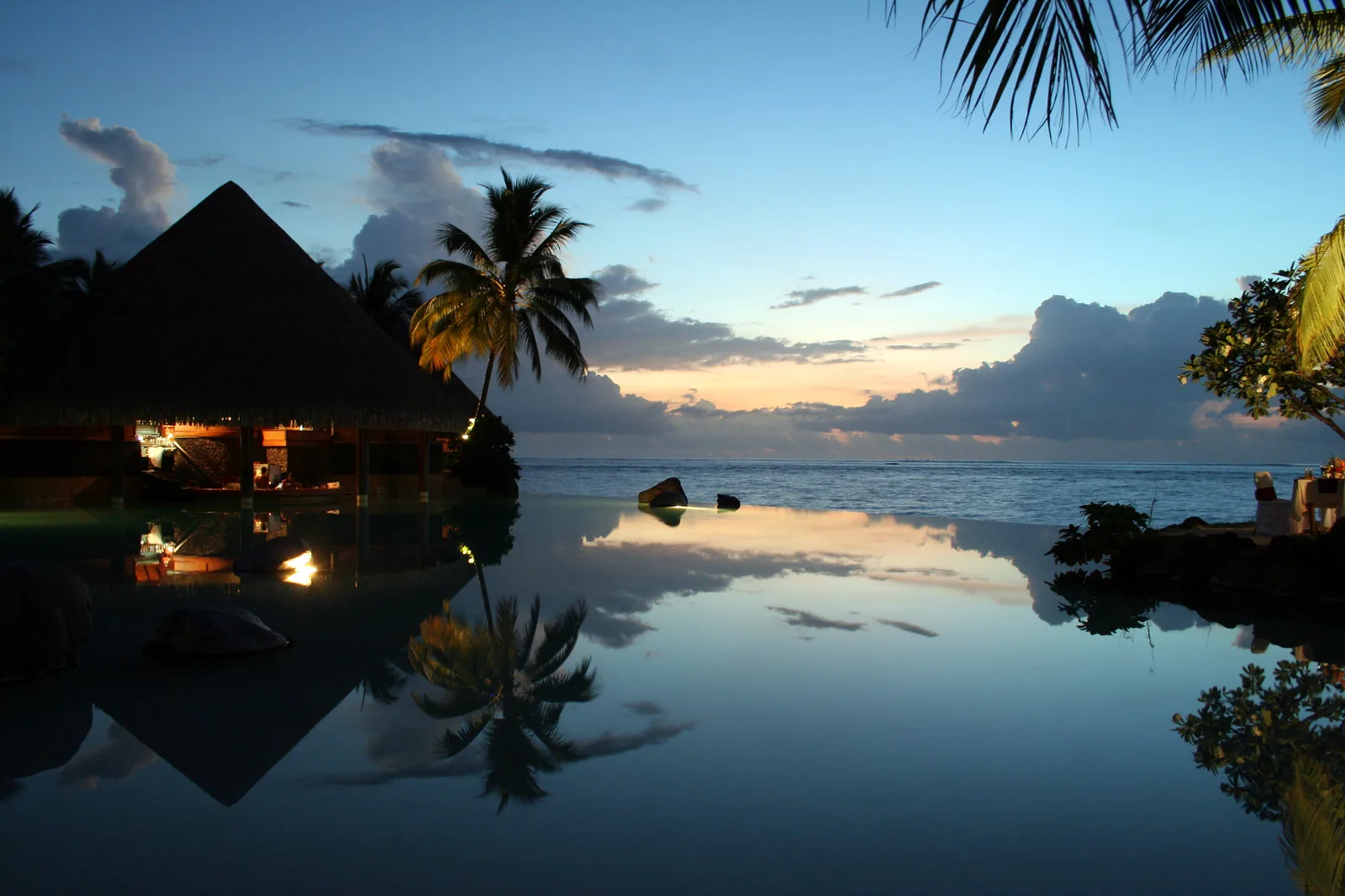
Swimming pools are some of the most colorful and playful subjects in photography. Turquoise water sparkles in the sun, rippling light patterns dance across tiles, an empty pool at dawn sits perfectly still and an infinity pool at dusk seems to melt into the sea. Pools combine bold color, clean geometry and moving water, and they offer endless chances for abstract, graphic and joyful pictures, from a backyard pool to a grand public lido.
This guide covers why pools make great subjects, privacy and etiquette, color and the blue of the water, light patterns and caustics, reflections, pools from above, pool architecture and details, infinity pools, empty and abandoned pools, splashes and swimmers, underwater pictures, settings, phones and editing. For sun and summer scenes, see the guide to summer photography, and for going below the surface, see the guide to underwater photography.
Why pools make great subjects
Pools pack many strong visual ingredients into one small space.
- Vivid color. Blue and turquoise water glows, especially against white tiles, red umbrellas or green palms.
- Clean geometry. Rectangles, lane lines, tiles, ladders and diving boards make bold, graphic shapes.
- Moving light. Sun on rippling water creates shimmering patterns on the pool floor.
- Reflections. Still water mirrors the sky, trees and buildings.
- Fun and summer. Pools suggest holidays, heat, play and relaxation.
Pools also change constantly with the light, the wind and the movement of the water. The same pool can look calm and serene at dawn, lively at midday and glowing at dusk. That variety makes pools rewarding to return to again and again. A backyard pool or the pool at a place you are staying can become a small, private studio for experiments with light, color and water.
Privacy and etiquette
Pools are places where people are relaxed and lightly dressed, so privacy matters more than almost anywhere else.
- Never photograph strangers in swimwear. Keep other swimmers out of the frame, or so small and distant they cannot be recognized.
- Never photograph other people’s children. This is a firm rule at any pool.
- Follow pool rules. Many public pools and clubs ban cameras or phones entirely. Ask staff first.
- Photograph empty pools. Early mornings, closing times and off seasons give empty, peaceful pools.
- Photograph your own group. Friends and family who agree make the best subjects.
Many of the most beautiful pool pictures have no people in them at all. Water, light, tiles and reflections are more than enough to make striking pictures, and they keep everyone comfortable.
Color and the blue of the water
The color of a pool is its most eye catching feature. Light reflecting off the pool floor and through the water creates that famous turquoise glow.
- Bright sun. Midday sun makes the water glow brightest, which is unusual in photography, where midday is often avoided.
- Complementary colors. A red float, an orange towel or a yellow umbrella against blue water makes the colors pop.
- White surroundings. White tiles, walls and loungers make the blue look even more vivid.
- Dark pools. Pools with dark tiles reflect more like mirrors and look deep and elegant.
A polarizing filter cuts glare on the surface so you can see into the water, and it deepens the color. Rotate it and watch how the surface changes. The guide to color in photography explains how complementary colors work together.
Light patterns and caustics
On sunny days, ripples on the surface focus sunlight into bright, wavy lines on the pool floor. These shimmering patterns, called caustics, are one of the most beautiful things about pools.
- Look down. From the edge, point the camera at the pool floor where the light dances.
- Use a fast shutter. 1/500 or faster freezes the patterns in crisp detail.
- Add ripples. A gentle breeze or a light touch to the water creates more patterns.
- Find lane lines. Dark lane lines on the floor warp beautifully under the rippling light.
These patterns make wonderful abstracts. Fill the frame with only water and light, and the picture becomes pure color and movement. Try several frames a second apart, since no two patterns are ever the same, and choose the one with the most graceful lines.
Love the look of pure color and shape? The guide to abstract photography shows how to find abstracts in everyday scenes.
Reflections
When the water is still, a pool becomes a mirror.
- Calm times. Early morning and evening, with no wind and no swimmers, give the stillest water.
- Get low. Crouch near the edge so the reflection fills more of the frame.
- Reflect something beautiful. Palms, buildings, a sunset sky or lights at night.
- Use ripples. Gentle ripples break the reflection into abstract shapes.
Reflections of lit buildings and palm trees at dusk can make pools look magical. Turn the picture upside down later, and a perfect reflection can become a surprising abstract. The guide to reflection photography has more ideas for mirrored scenes.
Pools from above
Looking down on a pool from above turns it into a graphic design of shapes and colors.
- Balconies and rooftops. A high viewpoint shows the shape of the pool, the lane lines and the surrounding patterns.
- Drones. Where allowed, a drone looking straight down makes the pool a bright blue shape in its setting.
- Patterns of loungers. Rows of chairs and umbrellas around the pool make repeating patterns.
- Shadows. Low sun casts long shadows of umbrellas and palms across the water.
A single small figure swimming across a big pool, seen from above, can make a striking minimalist picture, but only with the swimmer’s permission. Check drone rules carefully before flying over any pool. Never fly over people, and remember that hotels, clubs and neighbors may object even where flying is technically allowed.
Pool architecture and details
Pools are full of designed details that make lovely close pictures.
- Ladders and rails. Curved chrome ladders make elegant shapes against blue water.
- Tiles. Mosaic tiles, painted lane markers and depth numbers add color and pattern.
- Diving boards and towers. Boards and towers against the sky make bold, graphic subjects.
- Loungers and umbrellas. Neat rows of chairs and colorful umbrellas suggest holidays.
- Lifeguard chairs. Tall chairs make classic, iconic shapes.
- Floats and toys. A single colorful float drifting on empty water makes a cheerful, simple picture with plenty of space around it.
Old public pools and lidos often have beautiful classic architecture, with arches, clocks, tiled walls and changing rooms. Many vintage motel pools also have a charming retro feel, as the guide to motel photography shows.
Pools at night
Lit pools glow after dark like jewels. Underwater lights turn the water an electric blue or green, and the glow lights up the surrounding walls, palms and loungers from below. At blue hour, the lit pool and the deep blue sky make a rich, cool palette, while warm lamps around the pool add contrast. Use a tripod and a low ISO, and expose so the water keeps its color rather than turning white. Still water at night reflects every light around it, which doubles the glow.
Infinity pools
Infinity pools, where the water seems to spill over the edge into the view beyond, make some of the most dreamy pictures.
- Get low. Crouch so the edge of the pool lines up with the horizon, making the water merge with the sea or sky.
- Shoot at dusk. Sunset colors reflected in the pool and the sky create a seamless glow.
- Use still water. Calm conditions give the smoothest, most mirror like effect.
- Include palms or roofs. Silhouettes and reflections add depth and a sense of place.
These pools are often at hotels and resorts, so respect guests’ privacy, and photograph early or late when the pool is quiet.
Photographing pools on a tropical trip? The guide to tropical island photography covers beaches, palms and island light.
Empty and abandoned pools
Empty pools have a strange, quiet beauty. A drained pool with its ladders hanging over a dry floor, a pool covered for winter or an abandoned pool full of leaves and graffiti all tell stories of seasons ending and places left behind.
- Show the shape. Without water, the curves and depth of the pool become clear.
- Look for details. Cracked tiles, faded paint and fallen leaves add texture.
- Use soft light. Overcast days give a calm, melancholy mood.
Fallen leaves floating on a pool at the end of summer also make a quiet, seasonal picture. Never enter abandoned or closed pools without permission, and never climb into a drained pool, which can be deep and slippery.
Splashes and swimmers
Water in motion brings energy to pool pictures. Splashes, dives and swimmers make exciting action shots, as long as everyone in the picture has agreed to be photographed.
- Freeze the splash. Use 1/1000 or faster to freeze droplets in midair.
- Use burst mode. Fire a quick series to catch the peak moment of a dive or jump.
- Backlight the spray. With the sun behind the splash, every drop glows.
- Focus on your own group. Friends diving or a family member swimming laps make the best, most relaxed subjects.
Protect your camera from splashes with a cloth or a waterproof cover, and keep it well back from the edge. The guide to splash photography covers how to freeze water in motion.
Underwater pictures
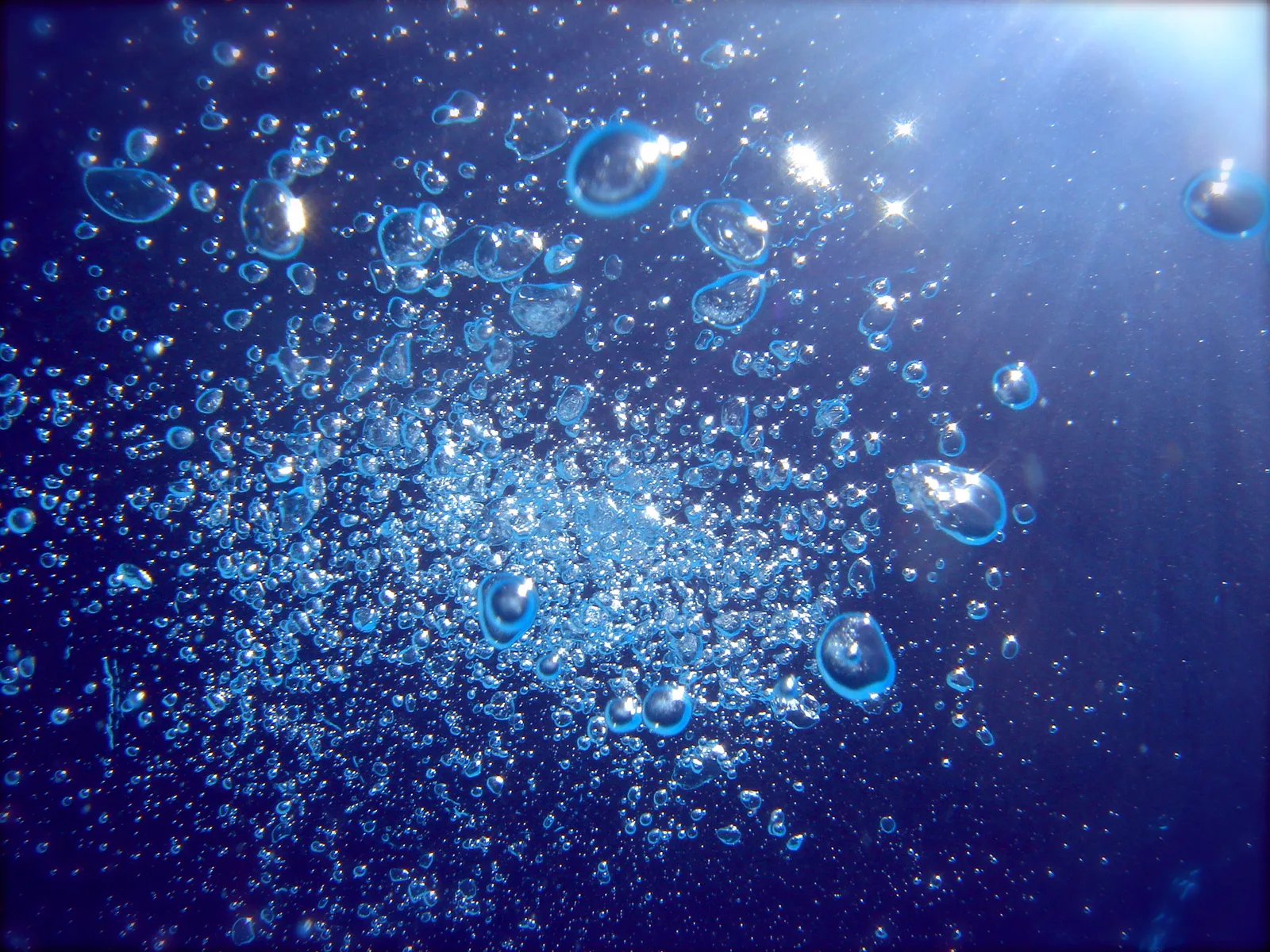
Below the surface, pools become calm, blue worlds full of light rays and bubbles.
- Waterproof gear. Use a waterproof camera, an action camera or a phone in a proper waterproof case.
- Shoot toward the surface. Looking up gives sparkling light, rays and bubbles against the bright surface.
- Bubbles. Rising air bubbles make beautiful abstract pictures.
- Split shots. Half above and half below the water, with a dome port or careful technique, shows two worlds at once.
Clear pool water is a great place to practice underwater photography before trying the sea. Test any waterproof case in a sink first, and follow pool rules about cameras.
Ready to go deeper below the surface? The guide to underwater photography covers gear, light and technique.
Natural pools and lidos
Not every pool is built of tiles. Rock pools carved by the sea, ocean pools filled by the tide, lake swimming areas and old outdoor lidos all have their own character. Ocean pools at the edge of the sea are especially dramatic, with waves crashing over the wall at high tide. Lidos often have lovely old architecture and long, calm lanes. Visit early in the morning, when the water is still and the light is soft, and you may have the scene almost to yourself.
Settings for pool photography
- Bright days. Use a low ISO, f/8 and fast shutter speeds.
- Light patterns. Use 1/500 or faster to freeze caustics.
- Splashes. Use 1/1000 or faster, with burst mode.
- Reflections at dusk. Use a tripod and slower shutter speeds for clean detail.
- Exposure. Bright water and white tiles can fool the meter. Use exposure compensation to keep highlights from blowing out.
Using a phone
Phones are handy at pools, but keep them safe from water. Use burst mode for splashes, tap to set exposure on the water and use the wide lens for pools from above. Only take a phone underwater in a proper waterproof case, and test it first.
Editing pool photos
Keep the blues vivid but natural. Adjust white balance so the water looks fresh rather than green, and lower highlights to keep detail in bright reflections. Add a little vibrance to boost the turquoise without making it neon. Straighten lane lines and edges, and crop for clean geometry. Underwater pictures often need warmth added back, since water absorbs red light. For abstracts of light patterns, try boosting contrast a little to make the bright lines stand out against the blue.
Common mistakes
- Photographing strangers. Never photograph people in swimwear or other people’s children.
- Glare on the water. Reflections hide the color. Use a polarizer or change angle.
- Blown highlights. Bright water and tiles overexpose. Darken the exposure.
- Wet gear. Splashes damage cameras. Keep back and protect your gear.
- Crooked lines. Lane lines and pool edges show any tilt. Keep the camera level.
- Ignoring pool rules. Ask staff, and respect bans on cameras.
Try this: a 10-minute pool study
At an empty pool, or one you have permission to photograph, take four pictures.
- A wide view showing the pool and its setting.
- A close abstract of light patterns on the pool floor.
- A reflection of something above the water.
- A detail, such as a ladder, tile or diving board.
Compare them, and notice how much variety a single pool can offer without a single person in the frame. Return at another time of day, and the same four pictures will look completely different, which is the best lesson a pool can teach about light.
Frequently asked questions
How do I make pool water look bright blue?
Shoot in bright sun, use a polarizing filter to cut glare and set white balance so the water looks fresh.
How do I photograph light patterns in a pool?
On a sunny day, point the camera at the pool floor and use a fast shutter speed to freeze the shimmering lines.
Can I take photos at a public pool?
Only if the pool allows it. Many ban cameras. Always ask staff, and never photograph strangers or children.
What camera can I use underwater in a pool?
A waterproof camera, an action camera or a phone in a tested waterproof case.
When is the best time to photograph a pool?
Bright midday sun for vivid color and light patterns, early morning for calm reflections and dusk for glowing lights.
How do I protect my camera at a pool?
Keep it back from the edge, cover it from splashes, wipe off chlorine water quickly and never set it down on a wet deck.
For terms such as caustics, polarizer, exposure compensation and burst mode, see the photography glossary.