Most photographers shoot in good weather and stay home when it rains. That is a mistake. Some of the most dramatic, atmospheric, and memorable photographs ever made were captured in conditions that most people consider “bad.” Rain, fog, snow, storms, and extreme heat all create unique photographic opportunities that clear blue skies simply cannot match. The photographers who are willing to step outside in uncomfortable weather are the ones who come home with images that stand out.
This guide covers how to photograph in every major weather condition, what to look for, how to protect your gear, and how to use each type of weather as a creative advantage. Once you stop avoiding bad weather and start seeking it out, your portfolio will be richer and more varied than ever.
Rain Photography: Drama, Reflections, and Mood
Rain transforms ordinary scenes into photographic goldmines. Wet surfaces become mirrors, reflecting light, color, and neon signs. Puddles create natural reflections that double the visual interest of any composition. The diffused light of a rainy day eliminates harsh shadows and creates soft, even illumination that flatters everything from portraits to cityscapes.
Look for reflections on wet pavement, especially at night when city lights create streaks of color on dark streets. Rain-soaked windows create natural abstract textures when shot from inside. Umbrellas add pops of color to otherwise gray scenes and make excellent compositional elements in street photography.
To photograph rain itself, use a moderately fast shutter speed (1/250 to 1/500) to freeze individual drops, or a slower speed (1/60 or slower) to create streaks. Backlighting the rain (shooting toward a light source) makes raindrops visible. Without backlighting, rain is nearly invisible in photographs.
Protect your camera with a rain cover or a simple plastic bag with a hole cut for the lens. Many professional camera bodies are weather-sealed, but that does not mean they are waterproof. A little protection goes a long way. Keep a microfiber cloth handy to wipe water drops from your front lens element, as they will accumulate constantly and cause soft spots in your images.
Fog and Mist: Atmosphere and Mystery
Fog is one of the most photogenic weather conditions. It simplifies scenes by obscuring background clutter, creates layers of receding tones, and wraps everything in an ethereal, mysterious atmosphere. Trees emerge from fog like ghosts. Buildings dissolve into whiteness. Roads vanish into nothing.
The key to fog photography is understanding how it affects light and exposure. Fog scatters light in all directions, creating extremely soft, even illumination with no shadows. This can make scenes look flat if you are not careful. Look for subjects with strong shapes, dark tones, or silhouettes that stand out against the white background. A dark tree, a lone figure, or a bright red object gains incredible visual power in fog.
Fog often fools your camera’s metering system into underexposing, because the meter reads all that white and tries to make it gray. Add +1 to +1.5 stops of exposure compensation to keep the fog looking bright and luminous rather than muddy and gray. Check your histogram to verify the exposure.
The best fog often occurs early in the morning, especially near water, valleys, and low-lying areas. It can burn off quickly once the sun rises, so arrive early and work fast. Autumn and spring mornings are prime fog season in many regions.
Snow: Clean Minimalism and Exposure Challenges
Snow turns the world into a high-key canvas. It simplifies landscapes, covers visual clutter, and creates stark contrasts between white ground and dark subjects. Falling snow adds texture and movement. Fresh snow on branches, fences, and rooftops creates clean, geometric patterns.
The biggest challenge with snow photography is exposure. Like fog, snow fools your camera’s meter into underexposing. The meter sees all that white and assumes the scene is brighter than it actually is, pulling the exposure down. The result is gray, dingy snow that looks dirty. Add +1 to +2 stops of exposure compensation to render snow as the clean, bright white your eyes actually see.
White balance is also tricky in snow. Auto white balance often overcorrects, removing the natural blue cast of shadows on snow. This blue is actually beautiful and realistic. Try setting your white balance manually or adjusting it in post-processing to preserve the cool, blue-shadowed look that gives snow photographs their characteristic mood.
Cold weather drains batteries fast. Carry spares and keep them warm in an inside pocket close to your body. When you come indoors after shooting in the cold, let your camera warm up slowly inside your camera bag to prevent condensation from forming on the lens and sensor. Going straight from freezing cold to a warm room can create moisture that takes hours to evaporate.
Storms and Dramatic Skies
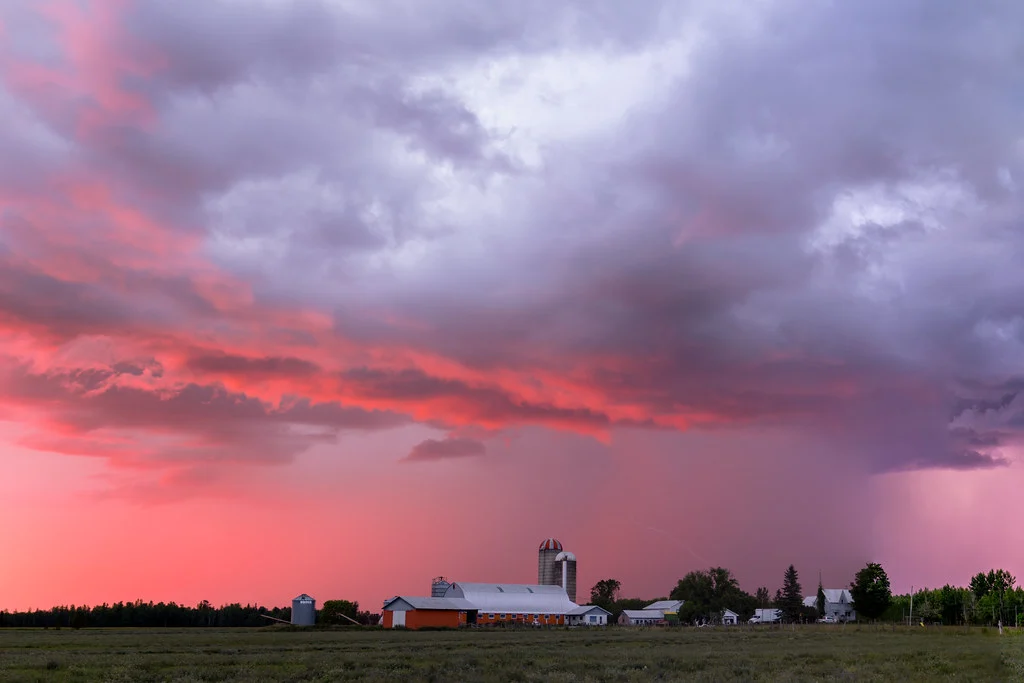
Storm clouds are nature’s most dramatic backdrop. The period just before and after a storm often produces extraordinary light: dark, moody skies punctuated by shafts of golden sunlight breaking through gaps in the clouds. This contrast between dark sky and illuminated landscape creates images with incredible visual impact.
When a storm is approaching, watch the western sky (in the Northern Hemisphere) for breaks in the cloud cover. If the sun is low and can peek under the leading edge of the storm, you may get minutes of spectacular light. Be ready, because this kind of light can come and go in under five minutes.
After a storm passes, look for rainbows (they appear opposite the sun), dramatic cloud formations, and vivid, washed-clean colors. Post-storm light is some of the most beautiful light in all of photography.
For lightning photography, use a tripod, a wide-angle lens, and a long exposure (15 to 30 seconds) pointed at the area of the sky where lightning is occurring. The long exposure gives you time to capture one or more bolts during a single frame. Dedicated lightning triggers that fire the shutter when they detect a flash can also be useful, but the long-exposure method works well and requires no special equipment.
Safety is paramount during storms. Never stand under trees, on exposed ridges, or near metal structures during lightning. Photograph from the safety of a car, a covered porch, or a building with a clear view of the storm. No photograph is worth risking your life.
Overcast and Cloudy Days: The Giant Softbox
An overcast sky acts as a massive light diffuser, softening shadows and reducing contrast. Many photographers dismiss cloudy days as dull, but this soft light is actually ideal for several types of photography.
Portraits look wonderful in overcast light. There are no squinty eyes from bright sun, no harsh shadows under the nose and chin, and skin tones look smooth and even. Open shade is the portrait photographer’s best friend, and a cloudy day turns the entire outdoors into open shade.
Waterfalls, forests, and close-up nature subjects benefit enormously from overcast conditions. Without direct sun, there are no blown highlights on wet rocks or leaves. The even illumination preserves detail in both bright and dark areas, giving you the full dynamic range of the scene. This is particularly important for macro photography, where tiny subjects can have extreme contrast under direct sun.
The challenge of overcast days is the sky itself. A flat, white sky adds nothing to a landscape photograph and can actually hurt the image by creating a large area of blank space. When shooting under overcast skies, try to minimize the amount of sky in your frame. Point your camera down, use trees to frame out the sky, or compose in ways that make the sky irrelevant.
Common Mistakes
- Not protecting your gear. Weather-sealed does not mean weather-proof. Even professional cameras have limits. Use rain covers, lens hoods (they help keep rain and snow off the front element), and microfiber cloths. Dry your gear thoroughly after every wet-weather session.
- Underexposing snow and fog. This is the most common technical mistake in weather photography. Your meter lies in high-key conditions. Always add positive exposure compensation and check your histogram. White should look white, not gray.
- Forgetting about condensation. Moving a cold camera into a warm environment causes condensation that can fog your lens and potentially damage electronics. Put your camera in a sealed bag before going inside, and let it warm up slowly.
- Waiting for “perfect” weather. The most dramatic images come from imperfect weather. A landscape under blue sky can look like a postcard. The same landscape under storm clouds looks like fine art. Stop waiting for perfection and start embracing conditions that create mood and atmosphere.
- Ignoring safety. Lightning, flash floods, extreme cold, and high winds are real hazards. Always prioritize your safety. Check weather forecasts, know your exit routes, dress appropriately, and never take risks for a photograph.
Try This: Practical Exercises
These exercises push you out of your comfort zone and into the weather conditions that produce extraordinary images.
Exercise 1: The Rainy Night Walk. Wait for a rainy evening and walk through a downtown area with your camera. Photograph reflections in puddles, the glow of neon signs on wet pavement, and people with umbrellas. Focus on the colors and reflections that only exist when surfaces are wet. Use a fast lens and raise your ISO as needed. The goal is to capture the unique mood and color of rain-soaked streets at night.
Exercise 2: The Fog Hunt. Check weather apps and forecasts for foggy mornings in your area. When fog is predicted, wake up early and get to a location with trees, water, or open fields. Photograph the layers and depth that fog creates. Pay special attention to objects that emerge from the fog as silhouettes or dark shapes. Experiment with exposure compensation to keep the fog looking bright and luminous. Come home with at least 10 images that you could not have captured on a clear day.
Exercise 3: Same Location, Four Weather Conditions. Choose a location you can easily access repeatedly and photograph it in at least four different weather conditions over the coming weeks: sunny, overcast, rainy, and either foggy or snowy. Keep the same composition for each visit. When you compare the four images side by side, you will see how profoundly weather changes the mood, color palette, and emotional impact of a scene. This exercise permanently changes how you think about light and weather in photography.
Weather is not an obstacle to photography. It is a creative tool. Rain creates reflections. Fog creates mystery. Snow creates minimalism. Storms create drama. Every type of weather offers something that clear skies cannot. The photographers who consistently produce standout work are the ones who grab their camera when most people are reaching for an umbrella. Start shooting in every condition, and watch your portfolio transform.