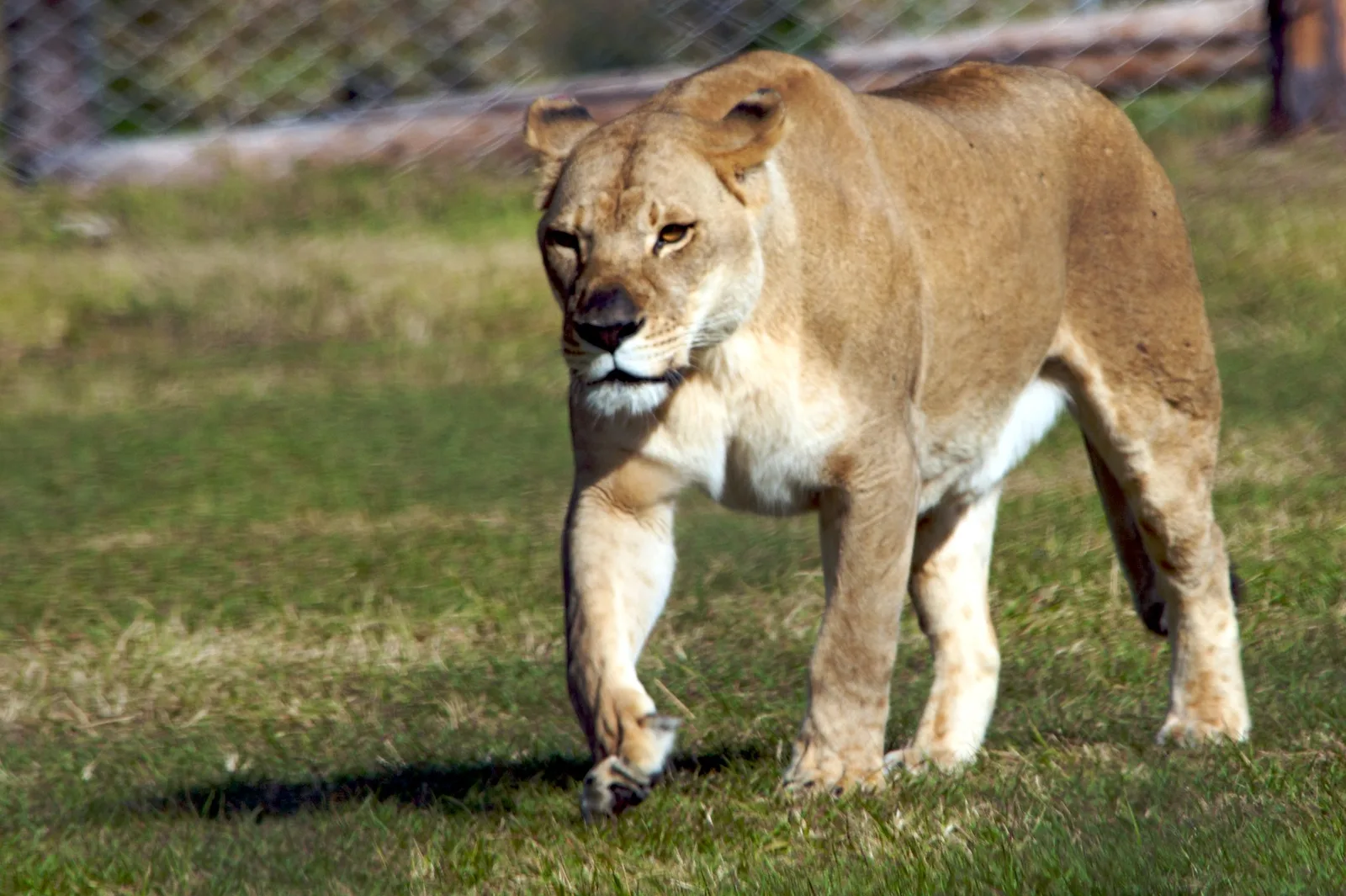
Few animals hold the attention like the big cats. A lioness walking straight toward the camera, a tiger resting in dappled shade, a leopard draped along a branch or a cheetah scanning the plains all carry a mix of power, grace and mystery. Big cat photography can happen on a once in a lifetime safari, but it can also begin at a well run zoo or wildlife park close to home, where patient beginners can learn the skills that make wild encounters successful.
This beginner guide covers why big cats are rewarding subjects, where to photograph them, focusing on the eyes, reading behavior, light, composition, photographing through fences and glass, wild encounters, motion, settings, phones, editing, ethics and safety, common mistakes and a short practice exercise. It builds on the guides to wildlife photography and camera settings for wildlife.
Why big cats are rewarding subjects
- Eyes. Intense, golden eyes give portraits enormous presence.
- Pattern and texture. Spots, stripes, whiskers and manes are full of detail.
- Behavior. Yawns, stretches, stalking and play create story moments.
- Power. Muscles, size and confident movement show strength.
- Calm. Big cats rest for long periods, which gives beginners time to compose.
Because big cats sleep many hours a day, most of your time will be spent waiting. That patience is rewarded when a cat lifts its head, stretches or walks toward you.
Kinds of big cats
- Lions. Social cats that live in prides, with males carrying heavy manes.
- Tigers. The largest cats, with bold stripes, often near water.
- Leopards. Secretive, spotted cats that climb trees.
- Cheetahs. Slender, fast cats of open plains with black tear marks.
- Jaguars. Powerful, spotted cats of forests and rivers.
- Snow leopards and cougars. Mountain cats with thick coats.
Each species behaves differently. Learning a little about the cat you plan to photograph helps you predict where it will rest, when it will move and what it might do next.
Thinking about the story
A strong big cat picture usually says something beyond “here is a lion.” It might show the bond between a mother and cub, the boredom of a hot afternoon, the focus of a hunter or the quiet dignity of an old male. Before you start, ask what you want viewers to feel. Power suggests a low angle and a direct gaze, tenderness suggests a close view of grooming or touching, and wildness suggests a small cat in a big landscape. Choosing a story helps you decide where to stand, which lens to use and which moment to wait for.
Where to photograph big cats
- Zoos. Good places to learn, with close views and predictable routines. See the guide to zoo and aquarium photography.
- Wildlife parks and sanctuaries. Larger enclosures and drive through parks give more natural settings.
- Safaris. Game drives in national parks give wild encounters. See the guide to safari photography.
- Rescue centers. Accredited sanctuaries care for animals that cannot return to the wild.
Choose places that put animal welfare first. Avoid attractions offering cub petting, posing with cats or walking with lions, which often harm the animals involved.
Making the most of a zoo visit
Zoos and wildlife parks are wonderful training grounds. Arrive at opening time, when cats are often more active and crowds are thin. Ask staff about feeding and enrichment times, when keepers hide food or toys that encourage natural behavior such as climbing, stalking and pouncing. Visit the same enclosure several times through the day to see how light and activity change. Weekday mornings and cool or cloudy days are often best. Return in different seasons too, since thick winter coats and fresh snow make beautiful pictures of tigers and snow leopards.
Look carefully at each enclosure for natural looking spots: a rock, a log, a patch of long grass or a pool. If a cat tends to rest in one place, position yourself so that spot has a clean background, then wait. A few minutes of patience at the right angle is worth more than an hour of chasing the cat around the fence line.
Focusing on the eyes
Sharp eyes make or break a big cat portrait.
- Single point focus. Place the focus point on the nearest eye.
- Animal eye detection. Many cameras can find animal eyes automatically.
- Catchlights. A small reflection of the sky brings the eyes to life.
- Eye level. Lower your camera to the cat’s eye level when possible.
- Depth of field. At wide apertures, make sure both eyes fall within focus by shooting from straight on.
Wait for the cat to look up or toward you. A portrait where the cat looks just past the camera can feel more natural than direct eye contact.
Reading behavior
- Waking up. Stretches and yawns often follow a long rest, so stay ready.
- Feeding times. Zoos often have set feeding times when cats become active.
- Grooming. Licking paws and cleaning faces makes tender pictures.
- Interaction. Lions nuzzle and play, showing family bonds.
- Alert posture. Ears forward and a fixed stare suggest the cat has seen something.
Spend the first few minutes simply watching. Patterns soon become clear, and you can position yourself for the moment when the cat moves. The guide to telephoto photography has more tips for working with long lenses at a distance.
Expressions worth waiting for
Big cats have a wide range of expressions, many of them fleeting. A yawn reveals huge teeth and looks like a roar. A flehmen response, where a cat curls its lip to read scents, gives a strange, comic face. Half closed eyes in warm sun suggest contentment, while flattened ears show irritation. Watch for a twitching tail or a sudden head turn, which often signals that something interesting is about to happen. Keep the camera raised and your finger ready, because these moments may last only a second.
Light and color
- Early and late. Cats are often most active in cool morning and evening hours, when light is soft and warm.
- Backlight. Low sun behind a lion lights up the mane like a halo.
- Shade. Open shade gives even light on faces with no harsh shadows.
- Midday. Hard light causes deep shadows under brows, so look for cats in shade.
- Golden coats. Warm light flatters tawny lions and golden leopards.
Expose carefully for pale coats in bright sun so highlights keep detail, and for dark stripes in shade so they do not block up.
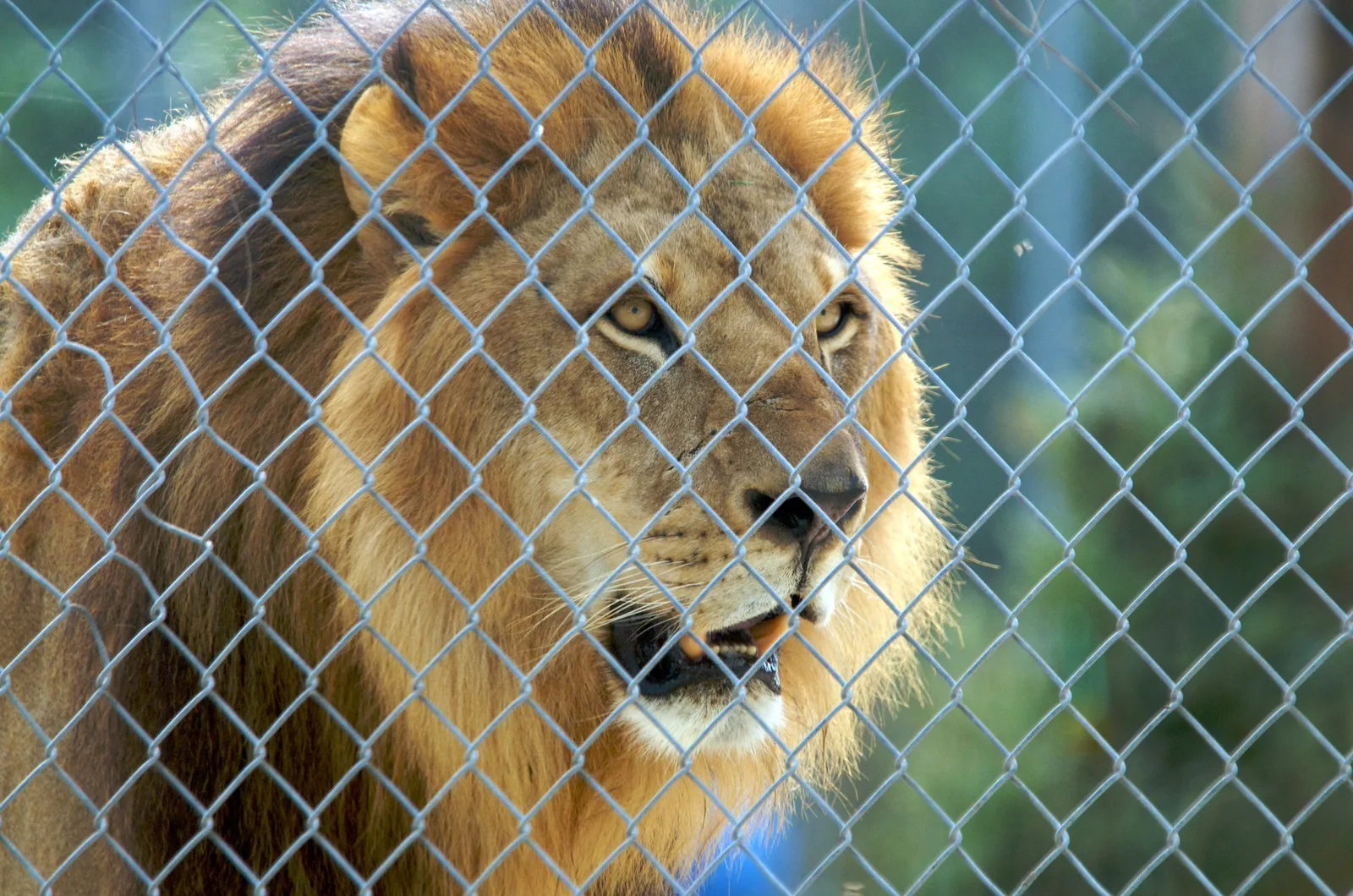
Exposing spots, stripes and manes
Big cat coats can fool a camera meter. A pale lioness in bright sun may look gray if the camera tries to darken her, while a dark jaguar in shade may come out too bright and flat. Check the histogram and highlight warnings after the first few frames. Reduce exposure slightly for pale cats in sun, and increase it for dark cats in shade. Shooting in RAW gives extra room to recover detail in manes, whiskers and the white fur under chins.
Composition
- Tight portraits. Fill the frame with the face for intensity.
- Environmental views. Show the cat in grass, on rocks or in trees for context.
- Space to look. Leave room in the direction the cat faces or walks.
- Clean backgrounds. Move to place the cat against distant foliage or sky.
- Details. Paws, whiskers, spots and stripes make striking close ups.
- Head on views. A cat walking toward the camera is powerful and direct.
The guide to subject separation explains how to make an animal stand out from its surroundings.
Cats in their habitat
Showing a big cat in its surroundings tells viewers how it lives. Each species favors different settings, and each setting suggests different pictures.
- Grass. Lions and cheetahs in golden grass blend in, so focus carefully on the eyes rather than blades in front.
- Trees. Leopards rest along branches, giving lovely vertical compositions with tails hanging down.
- Water. Tigers and jaguars swim and drink, creating reflections and splashes.
- Rocks. Cats sun themselves on boulders, which make natural stages.
- Snow. Snow leopards and tigers in winter show thick coats and steamy breath.
Wider lenses show more habitat, while long lenses isolate the cat. Mixing both in a set gives a fuller picture of the animal’s life.
Photographing through fences and glass
Many big cats are photographed in captivity, which brings fences, wire and glass.
- Get close to the fence. With the lens near the wire and the cat far beyond it, the mesh almost disappears.
- Wide aperture. A shallow depth of field blurs the wire away.
- Long lens. Telephoto focal lengths help hide mesh.
- Manual focus. If autofocus locks on the wire, switch to manual focus on the eye.
- Glass. Press a rubber lens hood against clean glass to cut reflections.
- Accept it. When a cat is right against the fence, an honest picture with the wire can be powerful.
The guide to photographing through glass has more detail.
Wild encounters and motion
- Stay in the vehicle. Follow guide instructions at all times.
- Support the lens. A bean bag on a window frame keeps long lenses steady.
- Fast shutter. Use 1/1000 second or faster for walking cats and much faster for running cheetahs. See the guide to freezing motion.
- Burst mode. Capture the best stride or expression.
- Panning. A slower shutter while following a running cat shows speed.
Planning a trip to see wild animals? The guide to safari photography covers game drives, vehicles and long lenses.
Cubs and families
Young cats are full of energy and curiosity. Cubs pounce on each other, climb on parents, chew on tails and explore their surroundings, giving endless chances for playful pictures. Use a fast shutter and burst mode, since cubs move suddenly and unpredictably. Pictures of a mother carrying, cleaning or watching over cubs show tenderness and are often among the most loved images. Give families extra space and never try to attract their attention.
Settings, phones and editing
- Lens. 200mm to 400mm or longer for portraits and wild cats.
- Aperture. Wide open for soft backgrounds, or f/5.6 to f/8 for more depth.
- Shutter speed. 1/500 second for resting cats, 1/1000 second or faster for movement.
- ISO. Auto ISO keeps shutter speeds fast in changing light.
- Focus. Continuous autofocus with eye detection when available.
Using a phone
Use the telephoto lens and get as close as safely allowed. Press the phone right against glass or wire, tap on the eye and use burst mode for movement. Portrait mode can blur busy enclosure backgrounds.
Editing big cat photos
Brighten the eyes slightly and add a touch of sharpening to whiskers and fur. Lower highlights on pale coats. Crop to strengthen composition and remove distracting fences or signs. Keep colors natural, since golden coats can turn orange with too much saturation.
Sharing big cat pictures well
When sharing pictures, a short caption adds meaning: the species, the place, whether the animal was wild or in a park and anything you noticed about its behavior. Many big cats face threats in the wild, and thoughtful pictures with honest captions can help people care about them. Consider supporting conservation groups or the sanctuaries where you photograph by sharing their work alongside your images. Avoid sharing exact locations of wild cats, especially rare species, since this can attract crowds or poachers.
Ethics and safety
- Never bait or call cats. Let them behave naturally.
- Keep distance. In the wild, follow park rules and guide advice.
- No flash. Flash can startle animals and reflect off glass.
- Honest captions. Say when an animal was photographed in captivity.
- Support conservation. Choose ethical parks and sanctuaries.
The guide to photography ethics covers these ideas in depth.
Black and white big cats
Black and white suits big cats beautifully. Manes, stripes and whiskers become studies in texture and tone, and distracting enclosure colors fade away. Choose pictures with strong light and clear eyes, then add contrast carefully. A dark background with a cat lit from the side can look like a classic studio portrait, a style explored by many famous wildlife photographers.
Common mistakes
- Soft eyes. Focus on the nearest eye.
- Visible fences. Get close to the wire and use a wide aperture.
- Sleeping cats only. Wait for movement or expression.
- Cluttered backgrounds. Change position for cleaner surroundings.
- Too slow a shutter. Use faster speeds for moving cats.
- Unethical attractions. Avoid places offering contact with cats.
Practicing at home
A house cat is a perfect practice subject. Use the same skills you would use with a lion: focus on the eyes, get down to eye level, wait for a yawn or stretch and leave room in the direction the cat looks. Window light makes soft portraits, and play sessions with a toy are good practice for fast moving subjects and burst timing.
Try this: a 10-minute big cat study
At a zoo or wildlife park, spend ten minutes with one big cat.
- Watch for two minutes before shooting.
- Make a tight portrait with sharp eyes.
- Make an environmental view showing the enclosure’s natural features.
- Photograph a detail such as a paw, whiskers or pattern.
- Wait for a yawn, stretch or step and capture it with burst mode.
Frequently asked questions
What lens is best for big cats?
A telephoto reaching 300mm to 400mm suits most zoo and safari situations.
How do I hide zoo fences in photos?
Put the lens close to the fence, use a wide aperture and wait for the cat to move away from the wire.
When are big cats most active?
Usually in the early morning, late afternoon and around feeding times.
Is it ethical to photograph captive big cats?
Yes, at accredited zoos and sanctuaries. Avoid attractions offering contact with cats.
Do I need an expensive lens for big cats?
No. Any telephoto zoom works well at zoos, and phones can do well close to the fence.
Should I use flash on big cats?
No. Flash can disturb animals and reflects off glass. Raise ISO instead.
Want to practice on smaller cats at home? The guide to pet photography covers cats, dogs and portraits.
For terms such as catchlight, eye detection and depth of field, see the photography glossary.