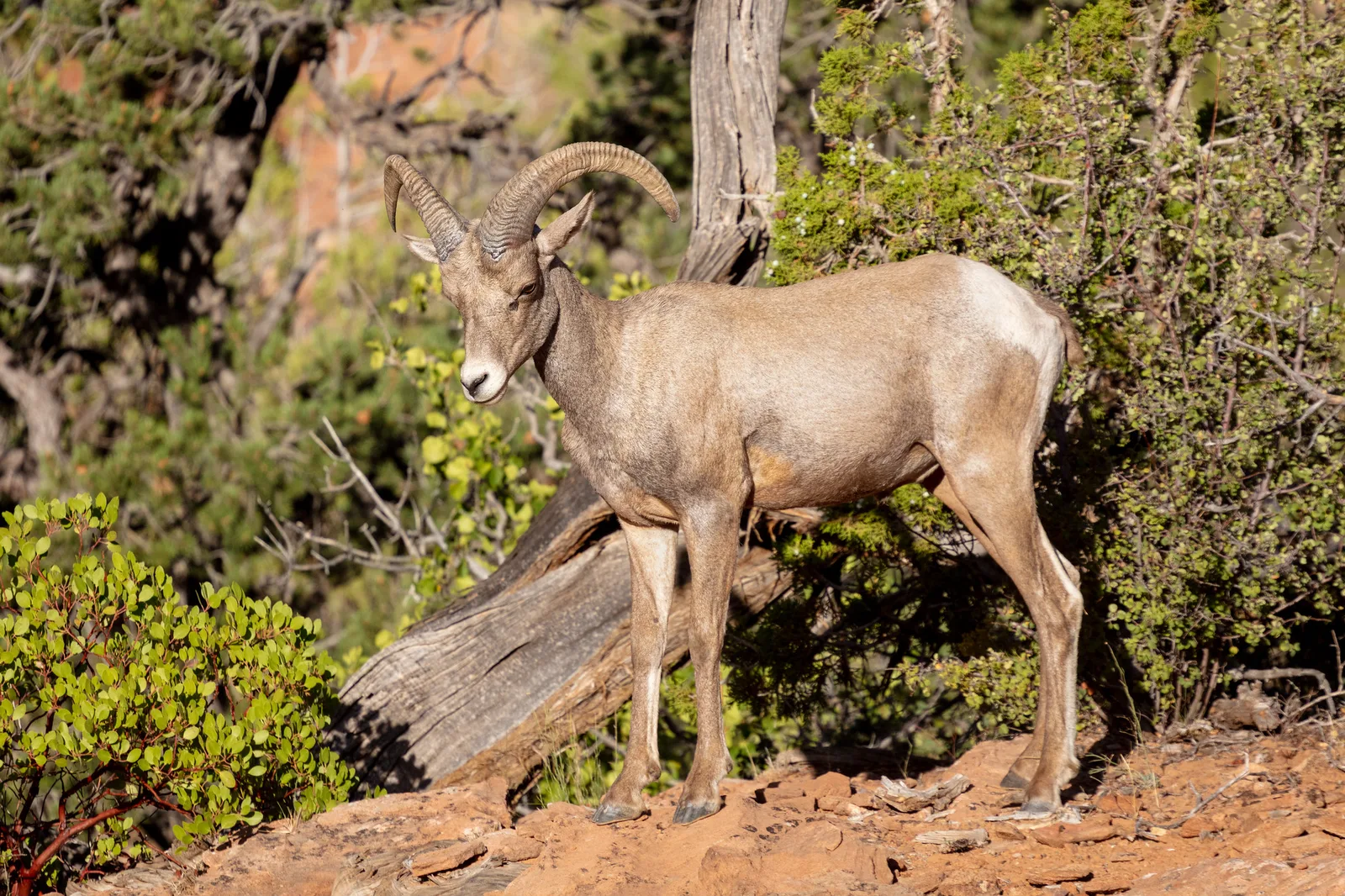
Bighorn sheep and their mountain relatives are some of the most striking animals in wild country. Heavy curled horns, sure-footed climbing and a calm, watchful stare make them wonderful subjects, and they live in spectacular places: canyon walls, rocky ridges, desert mountains and alpine meadows. With patience and a respectful approach, beginners can make beautiful pictures of these animals in their dramatic homes.
This guide covers where to find wild sheep and mountain goats, safety and distance, photographing on cliffs and ledges, horns and eyes, light, the autumn rut, animals in the landscape, settings, editing and ethics. For general wildlife skills, see the guide to wildlife photography, and for photographing the mountains themselves, see the guide on how to photograph mountains.
Why wild sheep and goats make great subjects
Mountain sheep and goats combine the drama of big wildlife with the beauty of high, rocky landscapes, and they are often easier to find than people expect.
- They are bold and characterful. Massive curled horns on rams, shaggy white coats on mountain goats and steady gazes give strong, memorable portraits.
- They live in dramatic places. Cliffs, canyons, ridges and alpine meadows make every picture feel wild.
- They are often visible from roads and trails. In many parks, sheep graze near roads or along canyon walls where they can be watched from a safe distance.
- They climb in astonishing ways. Animals balancing on narrow ledges or leaping across rocks make unforgettable action pictures.
- They move slowly much of the time. Grazing and resting animals give time to think about light and composition.
Photographing them also teaches you to work in rugged terrain, to read the land and to plan around weather and light, skills that help with every kind of outdoor photography.
Where to find bighorn sheep and mountain goats
Bighorn sheep live in mountains, canyons and desert ranges, often on steep rocky slopes close to cliffs, where they can escape predators. Many national parks and wildlife areas are home to herds, and some are known for animals that graze near roads, river corridors or scenic drives. Mountain goats live higher, on alpine ridges and cliffs, and are often seen near mountain passes, high trails and salt licks.
Park and wildlife agency websites, visitor centers and rangers are the best sources of advice on where herds have been seen. Ask about the season, too, since many herds move between high summer ranges and lower winter ranges. Winter often brings sheep down to lower slopes and valleys, where they are easier to reach and stand out against snow. The guide to photographing national parks has more advice on planning a park visit.
Scanning the rocks
Wild sheep and goats blend into their surroundings remarkably well. Brown sheep disappear against brown rock, and white goats look like patches of snow. Scan slowly with binoculars, looking for movement, the curve of a horn or a pale rump. Early and late in the day, when animals are moving and feeding, they are easier to spot than at midday, when they often rest in shade.
Safety and distance
Bighorn sheep and mountain goats are wild animals that can be dangerous when crowded. Rams are heavy and powerful, especially during the rut, and mountain goats have sharp horns and can be aggressive. Keep a respectful distance, often twenty-five yards or more, and follow any distances set by the park.
- Use a long lens. Fill the frame with a telephoto rather than moving closer.
- Never approach from above. Animals feel threatened when cornered or approached from higher ground, and they may run toward cliffs.
- Watch for warning signs. If an animal stops feeding, stares, stamps or moves away, back off.
- Never feed animals or let them lick salt from your skin or gear. Animals used to people can become aggressive.
- Be careful on roads. Sheep often cross roads. Slow down, stop fully off the road and stay in your vehicle when animals are near.
- Mind your own footing. These animals live on dangerous ground. Stay on trails and never follow them onto steep slopes or cliff edges.
The guide to telephoto photography explains how longer lenses help you work safely at a distance.
Cliffs, ledges and climbing
The signature pictures of wild sheep and goats show them doing what they do best: climbing. A ram balanced on a narrow ledge, a goat perched on a rock spire or a band of sheep picking their way down a cliff face show their remarkable agility and the drama of their homes.
Look for animals against clean backgrounds, such as sky behind a ridge or a smooth rock face. Wait for animals to pause on a ledge or crest, where their shape stands out clearly. When they leap or scramble, use a fast shutter speed and continuous autofocus, and shoot a short burst. Leave space in the frame for the direction they are moving or looking, so the picture feels open rather than cramped. Patience matters here more than anywhere: an animal crossing a cliff often stops at the same few points, so watch where it pauses and be ready for the next one.
Shooting upward
Animals on cliffs are often above you. Shooting upward can make them look heroic against the sky, but bright skies fool the camera meter into making the animal too dark. Add positive exposure compensation or expose for the animal, and accept a brighter sky. The guide to exposure compensation explains how to correct the meter.
Horns, eyes and portraits
The curled horns of a bighorn ram are its crowning feature, so give them space. Make sure the whole curl fits inside the frame, and watch for branches or rocks behind the head that merge with the horns. A three-quarter view usually shows the shape of the horns best, while a side view shows the full curl.
Focus on the eye. Sheep have pale, golden eyes with horizontal pupils that look striking when sharp. Wait for the head to turn toward the light so a catchlight appears. For a mountain goat, the dark eyes sit in white fur, so focus carefully and watch exposure on the coat. The guide to tangents and mergers helps keep horns and heads clear of distracting background shapes.
Light in rugged country
Early morning and late afternoon bring warm, low light that gives texture to fur and horns and makes red rock glow. In canyons, the walls hold soft reflected light for a while after sunrise and before sunset, which flatters animals in the shadows below. Midday light is harsh in open country, but canyon shade and overcast days can still give good results.
Backlight outlines horns and fur with a bright rim, especially lovely when animals stand on a ridge at sunrise or sunset. Side light shows the shape of horns and muscles. In snow, add positive exposure compensation so the scene stays white, and watch for detail in a white mountain goat’s coat. The guide to golden hour photography explains how to plan around the best light.
Planning to photograph sheep against snow? The winter photography guide covers exposure, batteries and staying warm in the cold.
The autumn rut
In late autumn, bighorn rams compete for females by clashing horns, one of the most dramatic sights in nature. Rams rear up, charge and crash together with a crack that can be heard far across a canyon. Mountain goats also become more active and territorial at this time.
The rut is a wonderful time to photograph but calls for extra distance, since rams are focused, unpredictable and powerful. Use a long lens, a fast shutter speed of 1/2000 second or more and continuous autofocus. Watch for the build-up: rams squaring off, lifting their heads and backing away before a charge. Shoot a burst as they rear and clash. Between fights, rams often stand with lips curled or noses raised, another expressive moment worth catching.
Animals in the landscape
Close portraits are rewarding, but the most memorable pictures often show sheep or goats small in a vast scene: a band of sheep on a canyon wall, a single goat on a ridge above a valley or animals grazing below towering cliffs. These pictures tell a story about how and where these animals live.
Zoom out, place the animals on a third of the frame and include the cliffs, sky or valley around them. Make sure they stand clear against the background, since small brown animals can vanish against brown rock. Animals can also give scale to a mountain scene, as the guide on how to photograph mountains explains. The guide to landscape photography helps with wide compositions.
Lambs and the seasons
Each season changes what you can photograph. In late spring and early summer, ewes give birth on steep, safe ledges, and a few weeks later lambs follow their mothers across the rocks, bouncing and climbing with surprising skill. Young mountain goats, called kids, are just as playful. These are delightful pictures, but mothers and young are sensitive, so use your longest lens, keep extra distance and leave if the animals seem disturbed.
Summer brings sleek coats, high alpine meadows and long days, with animals often feeding early and late and resting in shade at midday. Autumn brings the rut and golden grass. Winter brings thick coats, snow on horns and animals gathered on lower slopes, often the easiest time to find them. Many wild sheep and goats also visit natural salt licks and mineral deposits, which can be good places to wait quietly at a distance.
Heading up a trail to find them? The guide to hiking photography covers what to carry and how to photograph along the way.
Settings for wild sheep and goats
- Grazing and walking animals: 1/500 to 1/1000 second, aperture f/5.6 to f/8.
- Climbing, leaping and the rut: 1/2000 second or faster, continuous autofocus and burst mode.
- Animals in the landscape: f/8 to f/11 so both the animal and the scene are sharp.
- ISO: auto ISO with a sensible upper limit for changing light in canyons.
- Lens: 300mm to 500mm for portraits at a safe distance, with a wider zoom for landscapes.
- Focus: a single point on the eye for portraits, a small zone for moving animals.
Shoot in raw if you can, since bright skies, dark rock and pale fur often appear together.
Editing wild sheep photos
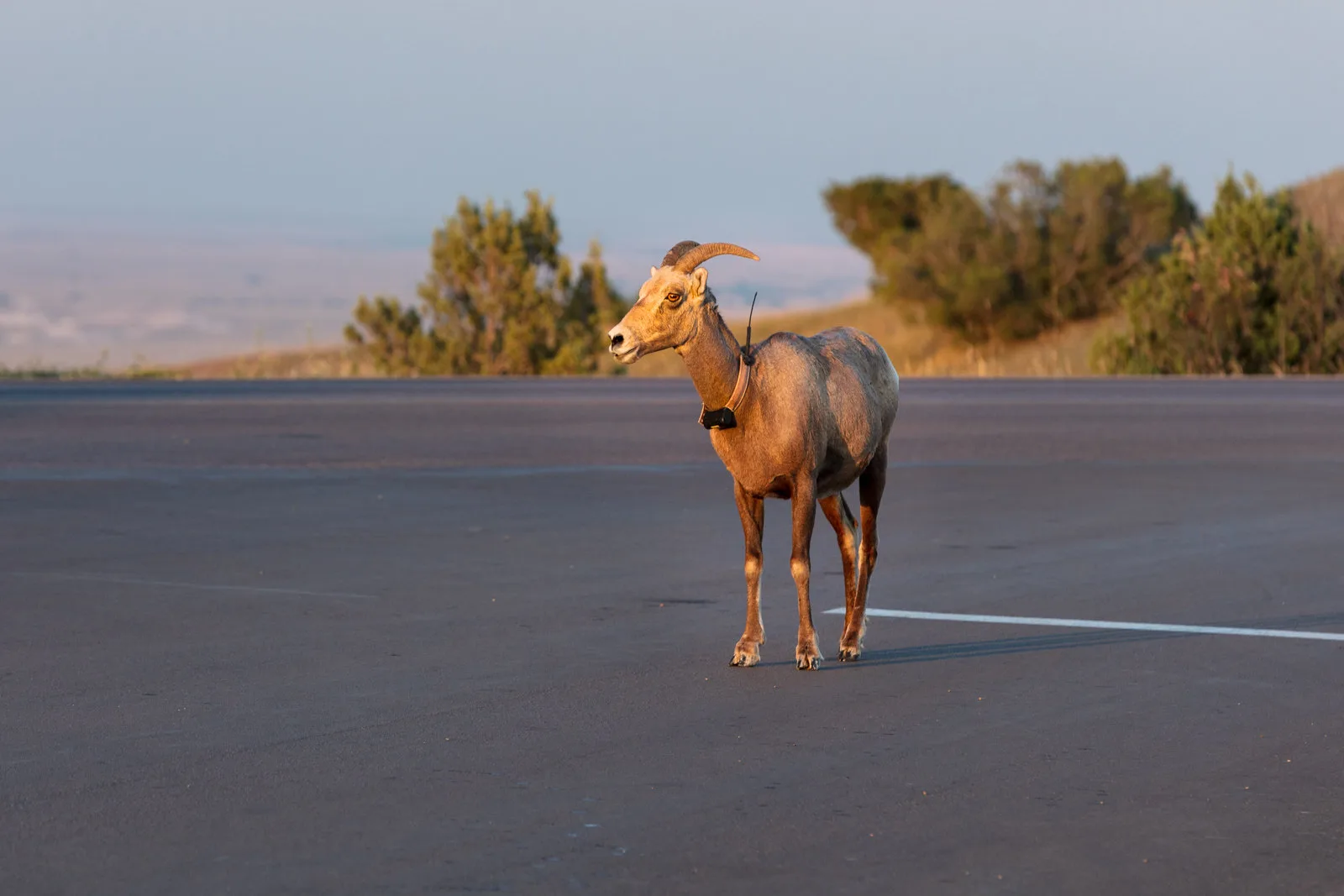
Keep editing natural. Lift shadows to show detail in fur and horns, bring down bright skies and keep red rock warm without making it orange. Crop to give animals room to look or move into, and straighten the horizon. If an animal wears a tracking collar, leave it; it is part of the honest story of how these herds are studied and protected.
Need a simple routine for editing your wildlife pictures? The guide to photo editing for beginners walks through the basic steps in order.
Ethics and responsibility
Wild sheep and goat herds can be fragile, and stress from people can harm them, especially in winter and during lambing season. Keep your distance, never chase animals or push them toward cliffs and roads, and never feed them. Stay on trails, follow closures and give animals space to cross roads. If other people are crowding a herd, step back rather than joining in.
Disease is a real threat to wild sheep, and some can catch illnesses from domestic sheep and goats. If you keep farm animals, clean boots and gear before visiting wild herds, and never bring domestic animals near them. Small habits like these help keep herds healthy for years to come.
Common mistakes
- Getting too close. Use a longer lens and respect distances, especially during the rut.
- Approaching from above. It frightens animals and can push them toward danger.
- Cutting off horns. Leave room for the whole curl in the frame.
- Dark animals against bright sky. Add positive exposure compensation when shooting upward.
- Animals lost against rock. Move until they stand out against sky, shadow or a contrasting slope.
- Shutter too slow for action. Use 1/2000 second or faster for leaps and clashes.
- Risking your own safety. Stay on trails and never follow animals onto cliffs.
Try this: a 10-minute sheep watch
Next time you see wild sheep or goats from a road or trail, give yourself ten minutes:
- Minutes one to three: watch through binoculars or the lens. Note where the animals are heading and where the light falls.
- Minutes four to seven: make a portrait of one animal with the whole horn curl in the frame and the eye sharp.
- Minutes eight to ten: zoom out and make one picture that shows the animals small in their rocky landscape.
Compare the two at home, and notice how the wide picture says more about the place.
Frequently asked questions
What lens is best for bighorn sheep?
A 300mm to 500mm lens works well for portraits at a safe distance, while a wider zoom is useful for animals in the landscape.
When is the best time to photograph bighorn sheep?
Early morning and late afternoon for light and activity, late autumn for the rut and winter for animals on lower slopes against snow.
How close can I get to wild sheep?
Follow the park’s distance rules, often twenty-five yards or more, and stay farther away if the animal reacts to you.
How do I photograph a white mountain goat?
Watch the highlights, use negative exposure compensation in bright light and focus carefully on the dark eye.
Why do some sheep wear collars?
Wildlife biologists use tracking collars to study herd movements and health. They are part of protecting these animals.
Can I photograph bighorn sheep from my car?
Yes, and it is often the safest choice when sheep are near a road. Pull fully off the road, turn off the engine and rest the lens on a beanbag or folded jacket on the window frame.
How do I spot sheep on a cliff?
Scan slowly with binoculars for movement, pale rumps or the curve of a horn, especially early and late in the day when animals are active.
For terms such as telephoto lens, exposure compensation, burst mode and catchlight, see the photography glossary.