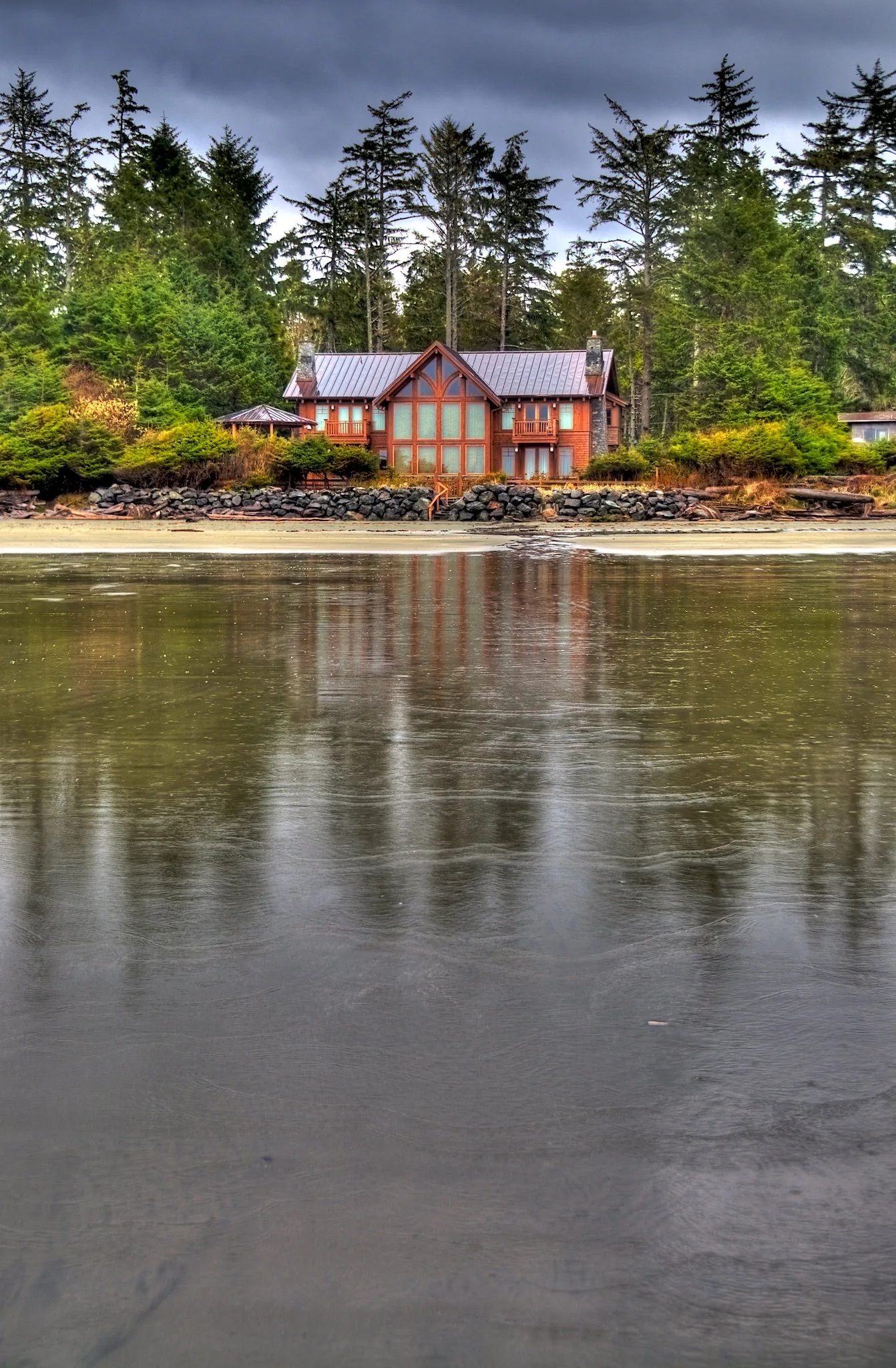
A cabin in the woods, a cottage by a lake, a hut high in the mountains or a little row of cabins at the edge of the desert all carry a special kind of warmth. These small buildings suggest escape, rest, wood smoke and quiet mornings, and they sit in some of the most beautiful places on earth. Cabin photography blends landscape, architecture and a little storytelling, and it is a wonderful subject for anyone who loves the outdoors and a cozy mood.
This beginner guide covers why cabins make lovely subjects, finding them, cabins in the landscape, reflections, light and weather, the seasons, warm windows at dusk, interiors, details, cabin life, settings, phones, editing, common mistakes and a short practice exercise. It pairs well with the guide to camping photography for trips into the outdoors.
Why cabins make lovely subjects
Cabins are small, simple and full of feeling. That makes them easy to frame and rich in mood.
- A sense of place. A cabin instantly tells the viewer where they are: deep woods, a lakeshore, a mountain valley or a windswept coast.
- Human scale. A small building in a big landscape shows how vast the land really is.
- Warm materials. Logs, cedar shingles, stone chimneys and painted trim glow in soft light.
- Story. Smoke from a chimney, boots on a porch or a canoe on the dock hint at life inside.
- Mood. Cabins suit quiet, peaceful pictures, from misty mornings to snowy nights.
Many photographers find that a single cabin, photographed again and again across seasons and weather, becomes one of their most personal projects.
Kinds of cabins
Every kind of cabin suggests a slightly different picture, so it helps to notice what you are looking at.
- Log cabins. Round logs with notched corners feel rustic and solid, and they look wonderful in warm side light.
- Lake cottages. Painted cottages with docks and boathouses suit bright summer scenes and calm reflections.
- A frames. Steep triangle roofs make bold graphic shapes, especially against snow or a starry sky.
- Mountain huts. Stone and timber shelters in high places feel tough and brave against big peaks.
- Beach shacks. Weathered wood, faded paint and driftwood fences make relaxed coastal scenes.
- Tiny cabins. Small, simple retreats with big windows show how inside and outside meet.
Ask yourself what feeling the cabin gives you, whether rugged, playful, peaceful or lonely, and choose light and framing that make the viewer feel the same.
Finding cabins to photograph
Cabins appear anywhere people go to get away from it all.
- Rental cabins and lodges. Staying in a cabin gives you time to photograph it in every light, inside and out.
- Parks and forests. Historic ranger cabins, homestead cabins and backcountry huts are often open to visitors.
- Lakes and coasts. Cottages line many shorelines, and boats or kayaks offer views from the water.
- Mountain huts. Alpine huts and shelters sit in spectacular settings along hiking routes.
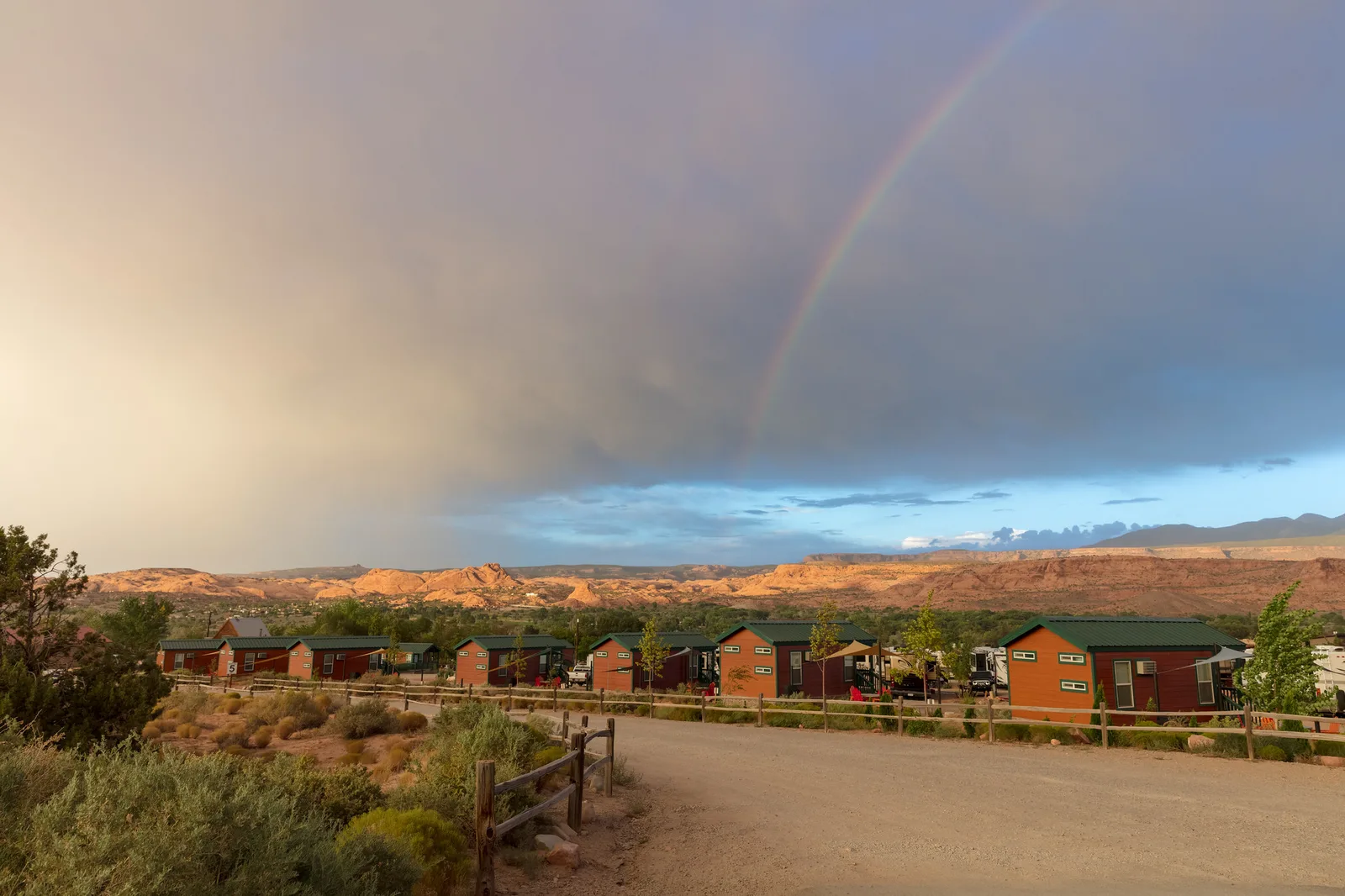
- Campgrounds. Rows of small cabins make cheerful patterns, especially in evening light.
- Heritage villages. Pioneer log cabins and old cottages are preserved in many museums.
Many cabins are private homes or rentals. Photograph from public trails, roads and water, keep a respectful distance and ask before including someone else’s property in detail. Never peer through windows or walk onto a deck without permission.
When you find a cabin you love, note which way it faces and where the sun rises and sets. A return visit at the right time of day often makes all the difference.
Cabins in the landscape
Some of the strongest cabin pictures show the building small in a big scene.
- Scale. A tiny cabin beneath towering trees, peaks or cliffs shows the grandeur of the place.
- Placement. Put the cabin on a third line and let the landscape fill the rest of the frame.
- Leading lines. Paths, fences, docks, roads and streams guide the eye toward the cabin.
- Framing. Overhanging branches, tree trunks or a gap in a forest make a natural frame.
- Negative space. A cabin alone in a snowy field or under a big sky feels peaceful and simple.
Walk around before you settle on a view. Moving a few steps can line the cabin up with a mountain peak, hide a parked car or place a tree perfectly beside it. A longer lens from far away can stack the cabin against hills or peaks, while a wide lens close up shows the cabin large with a dramatic sky.
High and low viewpoints
Changing your height changes the whole picture. A hillside or trail above the cabin shows its roof, clearing and the shape of the land around it, almost like a map. A low viewpoint near the ground lets wildflowers, grasses or snow fill the foreground and makes the cabin feel grand against the sky. Try both on every visit, and you will often find that one view tells the story far better than the other.
Reflections
Cabins near water offer some of the loveliest pictures of all.
- Still mornings. Lakes and ponds are often glassy just after sunrise, before the wind picks up.
- Wet sand. At low tide, wet beaches mirror buildings on the shore.
- Puddles. After rain, a puddle on a path can double a cabin from a low angle.
- Get low. Lowering the camera close to the water surface makes the reflection larger and cleaner.
- Symmetry. Placing the shoreline in the middle of the frame can make a calm, balanced picture.
A polarizing filter can strengthen or reduce reflections, so turn it slowly and watch the water change. The guide to reflection photography explains more ways to use mirrored scenes.
Light and weather
The mood of a cabin picture depends on light and weather more than anything else.
- Golden hour. Warm, low light makes wood glow and casts long shadows across clearings. See the guide to golden hour photography.
- Mist and fog. Fog softens the trees behind a cabin and wraps it in quiet mystery. See the guide to fog photography.
- Storms. Dark clouds and sudden breaks of sun create drama, and passing showers can bring rainbows.
- Overcast days. Soft light suits forest cabins, where bright sun creates harsh patches.
- Rain. Wet wood, dripping eaves and glowing windows make a cozy, sheltering mood.
Do not pack away the camera when the weather turns. Some of the most memorable cabin pictures come from the moments just before and after a storm, when light breaks through the clouds.
Cabins through the seasons
- Spring. Fresh green leaves, wildflowers in the clearing and rushing streams bring a gentle, hopeful feel.
- Summer. Docks, canoes, hammocks and long evenings suggest holidays by the lake.
- Autumn. Bright leaves around a cabin make warm, colorful scenes, especially with a little mist. See the guide to fall photography.
- Winter. Snow on the roof, icicles on the eaves, a smoking chimney and glowing windows are classic cozy images.
Winter cabin scenes are especially loved. Expose carefully so snow stays white rather than gray, and look for the warm glow of the windows against the cool blue of dusk. Footprints leading to the door add a lovely sense of story.
Warm windows at dusk
The single most inviting cabin picture is often made just after sunset, when the windows glow.
- Turn on the lights. If you are staying in the cabin, switch on every light inside before you step out.
- Wait for blue hour. The sky turns deep blue for a short time after sunset, balancing beautifully with warm windows. See the guide to blue hour photography.
- Use a tripod. Exposures of one to several seconds keep the scene sharp and low noise.
- Watch the balance. Shoot several frames as the light fades, then pick the one where sky and windows look balanced.
- Add smoke. A wisp of chimney smoke against the dusk sky adds warmth and movement.
Cabins under the stars are also magical. Far from city lights, a cabin makes a perfect foreground for the night sky. Light the building gently with its own windows or a dim porch light so it does not overpower the stars.
Ready to try cabins under a starry sky? The guide to astro landscape photography explains how to pair the night sky with a foreground.
Cozy interiors
Inside, a cabin is all about warmth and texture.
- Window light. Soft daylight through a window falls beautifully across wood walls, quilts and tables. See the guide to window light.
- Fireplaces and stoves. Firelight makes a warm, flickering glow. Raise the ISO and keep the camera steady.
- Views out. A window or open door framing the lake or forest outside joins inside and out.
- Corners. Shoot from a corner with a wide lens to show the whole room, keeping the camera level.
- Bright windows. Expose for the room and lower highlights later, or blend two exposures for very bright views.
Tidy up a little before photographing a room. Moving a bag or a stack of dishes out of the frame makes a big difference, while a book, a mug or a blanket left on a chair adds life. The guide to interior photography covers rooms in more depth.
Details
Small details tell the story of a cabin as well as a wide view.
- Doors and porches. Weathered doors, screen doors and porch rocking chairs feel welcoming.
- Logs and shingles. Notched log corners, cedar shingles and stone chimneys show craft.
- Lanterns and lights. An old lantern or a porch light glowing at dusk adds warmth.
- Stacked firewood. Neat piles of wood suggest cold nights and cozy fires.
- Signs. Hand painted cabin names and trail markers add character.
Side light brings out the texture of wood and stone. A set of detail pictures alongside one wide view makes a complete portrait of a cabin and the life lived there.
Look up as well as around. Roof lines, chimneys, weather vanes and the pattern of shingles against the sky can make simple, graphic pictures. Look down, too, at worn porch boards, a doormat or a pair of muddy boots, which hint at the people who come and go.
Cabin life
People and activity bring a cabin to life. A friend sipping coffee on the porch, a canoe pulled up on the shore, boots by the door, a dog asleep by the stove or a wisp of steam rising from a mug all suggest the slow pleasures of cabin time. These quiet scenes work well as a series, telling the story of a weekend from the first morning light to the last glow of the fire. Ask before photographing others, and keep moments relaxed and natural.
Settings and lenses
- Aperture. f/8 to f/11 for landscape views, wider for detail shots with soft backgrounds.
- Shutter speed. Hand held in daylight. Use a tripod at dusk, indoors and at night.
- ISO. Low on a tripod, higher for hand held interiors and firelight.
- Wide lens. Interiors, porches and close views with big skies.
- Standard lens. Natural looking portraits of the whole cabin.
- Telephoto lens. Distant cabins on hillsides and across lakes, and compressed scenes with mountains.
- White balance. Daylight white balance keeps warm windows glowing orange against blue dusk.
Using a phone
Phones are perfect for cabin trips. Use night mode for glowing windows at dusk, rest the phone on a railing or stump for stability and try the ultra wide lens inside small rooms. Tap on a bright window and slide exposure down to keep it from turning white. Portrait orientation suits cabins framed by tall trees.
Editing cabin photos
Straighten the horizon and walls first. Lower highlights to save bright skies and windows, and lift shadows to reveal detail under eaves and in dark forests. Warm up interiors gently, but keep dusk skies cool and blue for contrast. A touch of clarity brings out wood grain. Keep the mood soft and natural rather than overly processed.
Common mistakes
- Harsh midday light. Return in soft morning or evening light.
- Crooked walls. Keep the camera level and correct verticals in editing.
- Missing the glow. Wait for blue hour, when windows and sky balance.
- Clutter. Cars, trash cans and bags distract. Move them or change your angle.
- Intruding on privacy. Respect private cabins and the people in them.
- Only shooting the outside. Interiors and details complete the story.
Try this: a 10-minute cabin story
Next time you stay in or visit a cabin, make five pictures in ten minutes.
- A wide view showing the cabin small in its landscape.
- A closer portrait of the cabin, perfectly level.
- One detail, such as a door, window, lantern or woodpile.
- One interior view lit by window light.
- Return at blue hour for the windows glowing against the sky.
Arrange the five in order, and see how together they tell the story of a place.
If you can, return to the same cabin in a different season and repeat the exercise. Over time, your set of pictures becomes a quiet portrait of a place you love, with all its changing moods.
Frequently asked questions
When is the best time to photograph a cabin?
Golden hour for warm wood, misty mornings for mood and blue hour for glowing windows.
How do I photograph glowing cabin windows?
Turn on the lights inside, use a tripod and shoot during blue hour with daylight white balance.
What lens is best for cabin photography?
A standard zoom covers most views, with a wide lens for interiors and a telephoto for distant cabins.
Can I photograph other people’s cabins?
From public places, usually yes. Be respectful, avoid peering in and ask permission for close views.
How do I make a cabin photo feel cozy?
Use soft, warm light, glowing windows, chimney smoke, snow or rain, and small signs of life.
Should cabin photos include people?
They can. A small figure on a porch or dock adds scale and story, while an empty scene feels calm and timeless.
Love buildings tucked into nature? The guide to forest photography covers light and mood among the trees.
Want calm water beside your cabin? The guide to lake photography covers shorelines, reflections and misty mornings.
For terms such as blue hour, white balance and negative space, see the photography glossary.