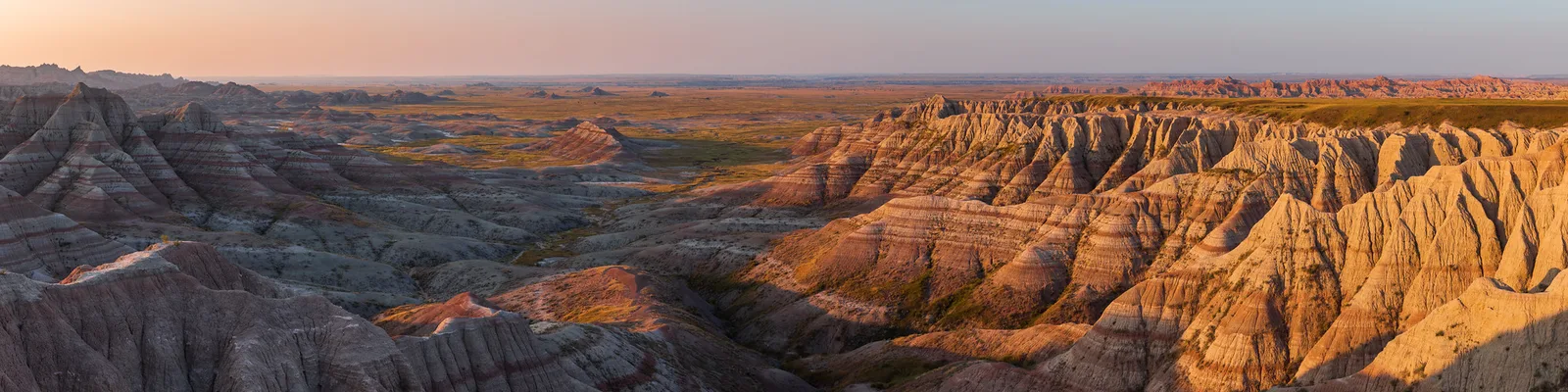
Sometimes the hardest part of photography is deciding what to point the camera at. This guide gathers every subject guide on PhotographyIcon.com in one place, grouped into simple families such as animals, birds, water, landscapes, weather, night skies, towns, the open road, adventures, everyday things and people. Each link leads to a full beginner guide with settings, light, composition, common mistakes and a short practice exercise.
There is no wrong place to start. Pick the subject that excites you most, or the one closest to your front door, and spend an afternoon with it. Every subject teaches something different: birds teach timing, landscapes teach patience with light, buildings teach straight lines, and close-ups teach you to notice small things. Over time those lessons add up, and photographing a fresh subject becomes easier each time.
How to use this guide
- Browse by family. Scan the section headings and choose the kind of subject you enjoy, then open one guide inside it.
- Start close to home. Your garden, street, local park or kitchen holds dozens of subjects from this list.
- Match the season. Choose subjects that suit the weather and time of year, such as frost in winter or blossoms in spring.
- Build a habit. Work through one subject a week, and keep your favorite picture from each.
- Combine ideas. Pair a subject with a theme or style, such as barns in fog or birds in black and white.
If you would rather begin with an idea than a subject, the list of photography themes offers hundreds of starting points, and the guide to working with photography themes explains how to turn one into a series. For broader categories such as portraiture, documentary and fine art, the guide to photography styles and genres explains how each type of photography works.
Animals and wildlife
Animals bring life and personality to a picture, from a family pet on the sofa to a lion in long grass. Start close to home, then travel further as your skills grow.
- Wildlife photography: The complete starting point for fieldcraft, long lenses and patient watching.
- Pet photography: Warm, simple portraits of the dogs, cats and small companions you already know and love.
- Small animals: Gentle ways to photograph rabbits, squirrels, hamsters and other little creatures.
- Urban wildlife: Foxes, squirrels, pigeons and other city neighbors in parks, gardens and streets.
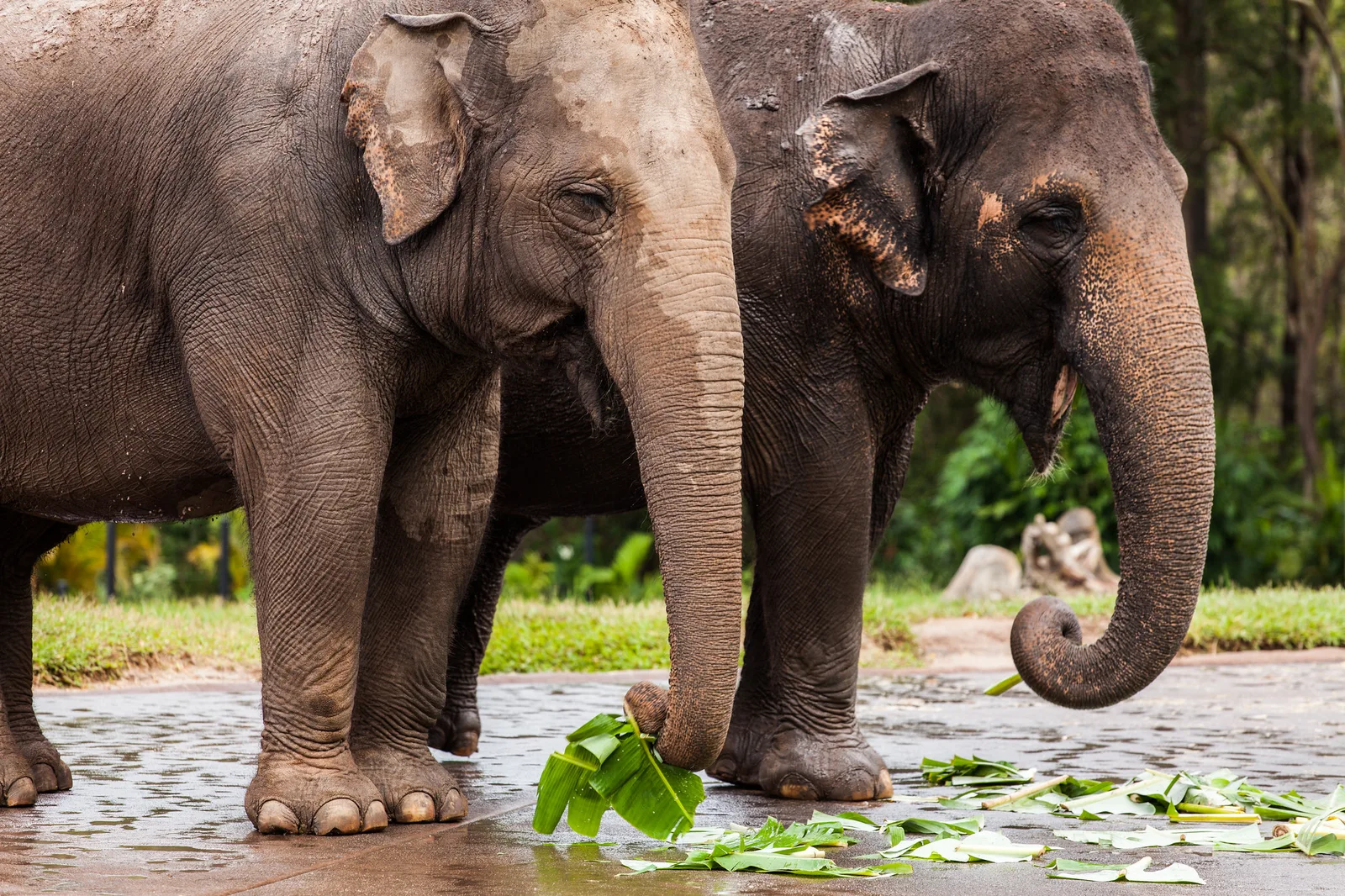
- Zoos and aquariums: Making clean, honest pictures through glass and fences.
- Safari: Game drives, vehicles and long lenses for animals in wild places.
- Big cats: Lions, tigers, leopards and cheetahs, with sharp eyes and respect.
- Giraffes: Tall subjects, coat patterns and eye level portraits.
- Deer and elk: Quiet mornings, misty meadows and graceful antlers.
- Bison: Powerful animals photographed from a safe distance.
- Bighorn sheep and mountain goats: Sure footed climbers on cliffs and ridges.
- Horses: Flowing manes, gentle portraits and movement in the field.
- Farm animals: Cows, sheep, goats and chickens with plenty of character.
- Reptiles: Lizards, snakes and turtles, up close and safely.
- Frogs and toads: Bright eyes, wet skin and evening choruses by the pond.
- Insects: Butterflies, bees and dragonflies in fine detail.
- Dolphins and whales: Fins, spouts and leaps from the shore or a boat.
Birds
Birds are everywhere, which makes them perfect practice for focus, timing and patience. A backyard feeder is as good a classroom as any wild marsh.
- Bird photography: Settings, gear and fieldcraft for birds of every size.
- Hummingbirds: Tiny jewels with wings that blur or freeze.
- Birds of prey: Eagles, hawks and owls in flight and on the perch.
- Ducks and geese: Friendly waterfowl, reflections and family parades.
- Herons and egrets: Elegant wading birds and their patient hunting.
- Seabirds: Gulls, pelicans and puffins along the coast.
- Penguins: Comical, charming birds on beaches and ice.
- Parrots: Macaws and other colorful birds with plenty of personality.
Water and coast
Water reflects light, moves in beautiful ways and changes with every hour. These guides cover the sea, lakes, rivers and everything built beside them.
- Beaches: Sand, surf, shade and bright sun by the sea.
- Seascapes: Waves, rocks and long views over open water.
- Coastal cliffs: Dramatic headlands, sea stacks and safe viewpoints.
- Tide pools: Tiny worlds of anemones and starfish between the tides.
- Tropical islands: Turquoise water, palms and white sand.
- Driftwood: Weathered wood sculpted by waves and time.
- Piers and docks: Leading lines that reach out over the water.
- Boats and harbors: Working waterfronts, moorings and reflections.
- Lighthouses: Coastal towers, beams and stormy skies.
- Lakes: Calm reflections, shorelines and misty mornings.
- Rivers and streams: Moving water, bends and riverside light.
- Waterfalls: Silky water, mist and lush surroundings.
- Canals: Quiet waterways, bridges and narrowboats.
- Dams: Massive walls, spillways and engineering on a grand scale.
- Swimming pools: Bright water, ripples and summer color.
- Underwater: Reefs, fish and light beneath the surface.
Landscapes and geology
The land itself is one of the great subjects. Light, weather and season do most of the work, so these guides focus on where to stand and when to go.
- Landscape photography: The core guide to light, composition and depth in the outdoors.
- Mountains: Peaks, ridges and alpine light.
- Forests: Soft light, deep greens and paths through the trees.
- Trees: Lone trees, avenues and bark with character.
- Palm trees: Tropical silhouettes, fronds and beach scenes.
- Flowers: Color, petals and soft backgrounds in gardens and fields.
- Deserts: Heat, light and wide open spaces.
- Canyons: Depth, glowing walls and scale in deep places.
- Sand dunes: Curves, ripples and long shadows.
- Rock formations: Arches, hoodoos, boulders and cliffs.
- Hot springs and geysers: Steam, color and bubbling ground.
- Prairies: Grasslands, big skies and approaching storms.
- Rolling hills: Curves, side light and farmland patterns.
- National parks: Planning visits to protected wild places.
- Acadia National Park: A worked example of photographing one beloved park.
Looking for an idea rather than a subject? The list of photography themes gathers hundreds of starting points for a fresh project.
Sky, weather and seasons
Look up and the sky offers a different picture every day. Weather and seasons transform familiar places, so these guides help you head out when conditions change.
- Sunsets: Color, silhouettes and the minutes after the sun goes down.
- Sunrises: Quiet mornings and first light.
- Twilight: Soft color in the moments around sunrise and sunset.
- Clouds: Shapes, drama and light in the sky.
- Rainbows: Where to look and how to frame them.
- Storms: Dramatic skies, photographed safely.
- Lightning: Capturing bolts with patience and care.
- Fog: Mystery, layers and soft light.
- Rain: Reflections, umbrellas and wet streets.
- Bad weather: Turning gloomy days into strong pictures.
- Hot weather: Heat, haze and harsh sun.
- Ice and frost: Icicles, frosted leaves and frozen patterns.
- Spring: Blossoms, fresh green and soft light.
- Summer: Long days, bright color and warm evenings.
- Fall: Autumn leaves and golden light.
- Winter: Snow, cold weather care and quiet scenes.
Night sky and lights after dark
Night photography reveals things the eye barely notices. A tripod and a little patience open up stars, the moon and the glow of a city.
- Night photography: The essential guide to working after dark.
- Stars: The night sky and the Milky Way.
- Astrophotography: Deeper into the night sky.
- Star trails: Circles of light from the turning Earth.
- The moon: Detail, phases and moonrise.
- Moonlit landscapes: Soft night scenes lit by the moon.
- Northern lights: Dancing color across the northern sky.
- Meteor showers: Catching shooting stars.
- Lunar eclipses: The moon turning red.
- Solar eclipses: Safe ways to photograph the sun.
- Fireworks: Bursts of color over the city.
- Holiday lights: Glowing decorations and festive scenes.
- Light trails: Streaks of traffic and moving lights.
Towns, cities and buildings
Places built by people are full of lines, textures and stories. These guides cover everything from grand skylines to a single interesting door.
- Architecture: A beginner guide to photographing buildings.
- Cityscapes: Skylines and urban views.
- Small towns: Main streets and local life.
- Alleys: Back streets, texture and quiet corners.
- Streets at night: City light, signs and shadows.
- Neon signs: Glowing tubes and color after dark.
- Churches: Chapels, steeples and country churches from outside.
- Museums and church interiors: Dim spaces, stained glass and quiet etiquette.
- Interiors: Rooms, light and space indoors.
- Towers: Spires, clock towers and tall structures.
- Bridges: Spans, lines and reflections.
- Doors: Doorways with color and character.
- Staircases: Spirals, steps and patterns.
- Ruins: Ancient sites and historic remains.
- Construction: Cranes and building sites, seen from public places.
- Industry: Factories, refineries and machines.
- Urban exploration: Old buildings, photographed safely and legally.
- Murals: Large painted walls and street art.
- Graffiti: Tags, pieces and the walls they live on.
- Statues and sculpture: Public art and monuments.
- Cafes: Coffee shops, windows and cozy corners.
Roadside and Americana
Some of the most memorable pictures are found along the way. These guides celebrate the open road and the quirky, weathered places beside it.
- Road trips: Telling the story of a journey.
- Roadside attractions: Giant and quirky landmarks.
- Signs: Vintage signs and storefront lettering.
- Gas stations: Roadside stations by day and night.
- Motels: Neon signs, rooms and the roadside past.
- Grain elevators: Prairie giants and silos.
- Barns: Farm buildings and weathered wood.
- Rural life: Farms, fields and country living.
- Cabins: Cottages and cozy retreats.
- Fences: Fence lines, posts and patterns.
- Rust: Weathered metal and peeling paint.
- Trains: Rail lines photographed safely and well.
- Cars: Classic and everyday cars.
- Airplanes: Planes, contrails and airports.
Outdoors, travel and adventure
Adventures make great stories, and good pictures help you remember them. These guides cover active days outside and memorable trips.
- Travel: Making pictures that capture a place.
- Hiking: Trails, views and light on the go.
- Camping: Camp life, campfires and starry nights.
- Kayaking and canoeing: Photographing from the water.
- Skiing and snowboarding: Winter sports on the mountain.
- Surfing: Waves and riders from the beach.
- Bicycles: Bikes and cyclists in motion.
- Hot air balloons: Color in the sky from below and above.
- Amusement parks: Rides, lights and fun.
- Festivals: Color, crowds and celebration.
- Air shows: Fast planes and smoke trails.
- Motorsport: Speed, panning and racing action.
Everyday things and close-ups
Interesting pictures are hiding in every kitchen, garden and drawer. These guides show how to make ordinary things look extraordinary.
- Macro: The tiny world up close.
- Still life: Arranging and lighting objects with care.
- Food: Meals that look as good as they taste.
- Jewelry: Sparkle, reflections and fine detail.
- Fire: Flames and glowing light, safely.
- Smoke art: Swirling shapes against black.
- Splashes: Frozen drops and liquid sculpture.
People and events
Subjects do not have to stand still. These guides cover the people in your life and the events you want to remember.
- Portraits: Flattering light and natural expressions.
- Street photography: Everyday life in public places.
- Events: Parties, gatherings and celebrations.
- Concerts: Music, stage light and energy.
- Dance: Movement, timing and grace.
- Sports: Settings for fast action.
- Newborns: Gentle portraits of the very youngest.
- School plays: Dim stages and proud moments.
Common mistakes when choosing what to photograph
- Waiting for the perfect subject. Ordinary things in good light often make better pictures than famous places in poor light.
- Jumping between too many subjects. Staying with one subject for a while teaches far more than a single quick visit.
- Ignoring what is nearby. Local subjects can be revisited in every season and every kind of light.
- Copying the famous view. Use popular pictures as a starting point, then walk further and look for your own angle.
- Forgetting the light. Choose the subject and the time of day together, since light shapes every picture.
- Taking only one picture. Make wide, medium and close views of each subject so you have a complete set.
Try this: a 10-minute subject hunt
Set a timer for ten minutes and walk around your home, street or nearest park.
- Find one subject from three different sections of this guide, such as a bird, a door and a tree.
- Make one wide picture of each that shows where it lives.
- Make one close picture of each that shows a detail.
- Choose your favorite of the six pictures.
- Open the guide for that subject and read it before your next outing.
Repeat the hunt in a different place each week. In a few months you will have explored many of the subjects on this page and found the ones you love most.
Frequently asked questions
What should a beginner photograph first?
Start with patient subjects close to home, such as trees, flowers, doors, pets or the sky at sunset. They give you time to practice settings and composition.
How do I find interesting things to photograph?
Walk slowly, look for good light and notice color, texture and shape. Browse a section of this guide and pick one subject to look for on your next walk.
Do I need special gear for different subjects?
Most subjects can be photographed with any camera or phone. Some, such as distant wildlife or the night sky, benefit from a long lens or a tripod, and each guide explains what helps.
How can I stay motivated?
Choose one subject a week, join a photo walk or start a small project. The guide to photography project ideas and the long list of photography ideas offer plenty of inspiration.
Ready to go deeper with one idea? The guide to photography project ideas shows how to turn a subject into a finished series.
For terms used across these guides, see the photography glossary.