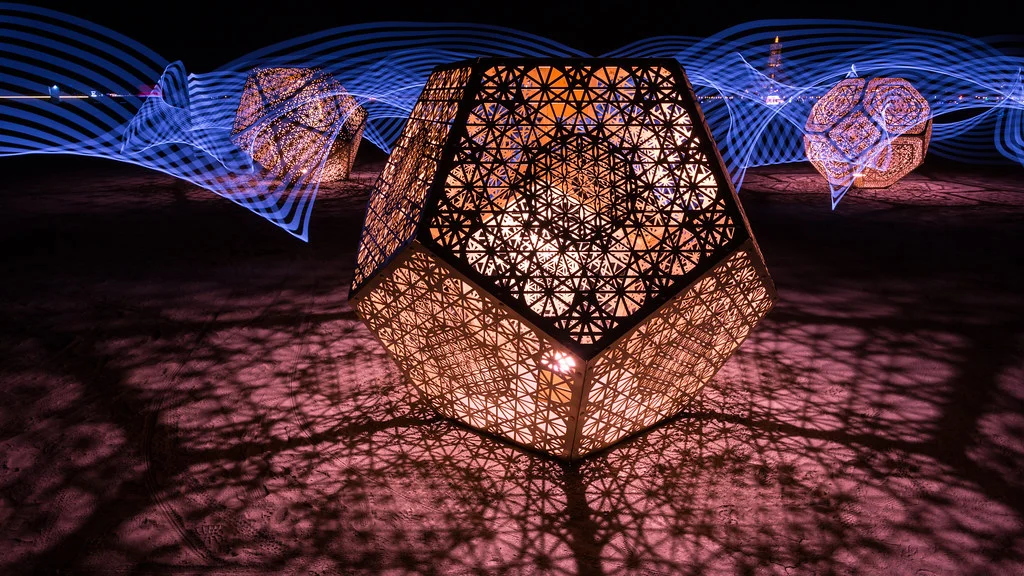
Light painting is one of the most creatively rewarding techniques in photography. By moving a light source through a dark scene during a long exposure, you can paint shapes, words, and abstract patterns directly into your photograph. The camera records every movement of light as a continuous trail, turning your physical gestures into luminous artwork. Whether you want to create glowing orbs floating in a forest, write your name in fire across a night sky, or spin steel wool into a shower of sparks, light painting gives you a level of creative control that no other photographic technique can match. This guide covers the gear you need, the camera settings that work, step-by-step techniques for different styles, and safety considerations to keep you out of trouble.
Essential Gear for Light Painting
Light painting requires very little expensive equipment, but having the right tools makes a significant difference in your results. Here is what you need to get started:
- Camera with manual mode and bulb mode: Any DSLR or mirrorless camera that allows you to set long exposures manually will work. Bulb mode is especially useful because it lets you keep the shutter open for as long as you hold the button, giving you full control over exposure duration.
- Sturdy tripod: Your camera must remain completely still during exposures that can last anywhere from 10 seconds to several minutes. A tripod that wobbles or shifts will ruin your light trails. Weight it down with your camera bag in windy conditions.
- Remote shutter release: Pressing the shutter button by hand creates vibration and makes it difficult to control exposure length in bulb mode. A wired or wireless remote release solves both problems. Your camera’s built-in timer works as a backup, but a remote gives you more flexibility.
- Flashlights and LED lights: A basic handheld flashlight is your most versatile light painting tool. Small, focused-beam flashlights create thin, precise lines. Larger, diffused flashlights create softer, wider trails. Adjustable-focus flashlights let you switch between both.
- LED wands and light sticks: Dedicated light painting wands produce even, consistent trails of light. RGB LED wands let you change colors on the fly, and some programmable models can display patterns or text as you move them through the frame.
- Colored gels: Attach transparent colored gels over your flashlight to change the color of your light trails. A basic gel pack costs very little and dramatically expands your creative palette. Tape or rubber bands hold them in place.
- Steel wool and a whisk: For dramatic spark effects, stuff fine-grade steel wool (0000 grade) into a kitchen whisk attached to a wire or string. When lit and spun, the burning steel wool throws off thousands of sparks. More on safety below.
- Sparklers and glow sticks: Sparklers create warm, golden light trails and are perfect for writing text or drawing shapes. Glow sticks produce softer, steadier light in various colors and are safe enough for anyone to use.
Camera Settings for Light Painting
Getting your camera settings right is essential for clean, well-exposed light paintings. Here is what to use:
- Shooting mode: Manual (M) or Bulb (B). Manual mode lets you set a specific exposure time up to 30 seconds on most cameras. Bulb mode keeps the shutter open for as long as you hold the remote release, which is necessary for longer light painting sessions.
- Shutter speed: 10 to 30 seconds for simple designs. Use bulb mode for complex paintings that take longer. Start with 15 seconds and adjust based on how much time you need to complete your light movement.
- Aperture: f/8 to f/11 is the sweet spot. This provides enough depth of field to keep both your light trails and any background elements sharp. If your light trails are too bright, stop down to f/13 or f/16. If they are too dim, open up to f/5.6.
- ISO: 100 to 200. Keep ISO as low as possible. You are working with bright light sources against a dark background, so you do not need high ISO sensitivity. Low ISO also keeps noise to a minimum during these long exposures.
- Focus: Manual focus is essential. Autofocus will not work in the dark. Before you turn off the lights, focus on the spot where you plan to stand and paint. Use a flashlight to illuminate that area while you focus, then switch to manual focus to lock it in place.
- White balance: Set a specific white balance rather than auto. Auto white balance may shift between frames, making your light colors inconsistent across a series. Daylight or tungsten are good starting points depending on the mood you want.
- Long exposure noise reduction: Enable this feature if your camera has it. It takes a second dark frame after each exposure to subtract sensor noise, which is common in long exposures. The trade-off is that each shot takes twice as long to process.
Step-by-Step Light Painting Technique
Follow this process for your first light painting session:
- Find a dark location. Light painting works best in near-total darkness. Urban light pollution, street lamps, and passing car headlights will wash out your trails and add unwanted ambient light. Parks, rural roads, and dark beaches work well. Scout the location during daylight so you know the terrain.
- Set up your tripod and compose the shot. Decide where you will stand or move during the painting. Frame the shot to include your full range of motion plus some breathing room. It is better to frame slightly wide and crop later than to clip your light trails at the edge of the frame.
- Focus before going dark. Use a flashlight to illuminate the spot where you will paint. Autofocus on that spot, then switch your lens to manual focus. Do not touch the focus ring again for the rest of the session.
- Set your camera to manual or bulb mode. Dial in ISO 100, f/8, and a 15-second shutter speed as your starting point. Connect your remote release.
- Do a test exposure. Trigger the shutter and walk into the frame with your light. Make a simple movement, a circle or a line. Review the result. Check brightness, focus, and framing. Adjust your settings as needed.
- Paint your design. Once your settings are dialed in, trigger the shutter and move your light source deliberately through the scene. Move smoothly for continuous trails. Pause in one spot to create a brighter point. Turn the light off momentarily to create gaps in the trail.
- Stay invisible. Wear dark clothing and keep moving. As long as you do not stand still in one place for too long, the camera will not record you, only the light you carry. If you need to pause, turn the light away from the camera or switch it off.
- Review and iterate. Light painting is an iterative process. Your first attempts will teach you how fast to move, how bright your lights appear, and how much time you need. Expect to shoot dozens of frames before you get the result you want.
Types of Light Painting
Once you understand the basic technique, you can explore a wide range of light painting styles. Each produces distinctly different results.
- Light writing and drawing: Use a flashlight or sparkler to write words or draw shapes in the air facing the camera. Remember that you need to write in mirror image (reversed) for the text to read correctly in the photo. Practice your letters backward before the shoot, or flip the image in post-processing.
- Orbs: Tie a small LED light or glow stick to a string and swing it in a circle while slowly rotating your body 360 degrees. The overlapping circular trails create a glowing sphere. Consistent speed and rotation are key to a clean, even orb. Start with the light at arm’s length and practice the rotation before opening the shutter.
- Spirals and tubes: Similar to orbs, but instead of rotating your body, walk forward or backward while swinging the light in circles. This creates a tunnel or spiral shape that appears to extend through the scene.
- Steel wool spinning: Stuff steel wool into a whisk, attach it to a wire or cable, light the steel wool, and spin it in a circle. The centrifugal force throws burning sparks outward, creating a dramatic shower of light trails. The sparks bounce off surfaces and scatter in unpredictable patterns, producing spectacular images.
- Light trails from vehicles: While technically not handheld light painting, capturing long exposure light trails from car headlights and taillights uses the same camera settings and principles. Position your tripod overlooking a road or highway and let the traffic paint for you.
- Illuminating objects: Use a flashlight to selectively illuminate parts of a dark scene during a long exposure. Walk through the frame and briefly shine your light on specific elements, a tree, a rock, a building facade, to reveal them against the darkness. This technique is sometimes called “light sculpting.”
Safety Considerations
Light painting involves working in dark environments with various light sources, some of which present real hazards. Take these precautions seriously:
- Steel wool fire danger: Burning steel wool throws sparks that reach temperatures over 1,000 degrees Celsius. These sparks will ignite dry grass, leaves, clothing, and hair on contact. Only spin steel wool on bare concrete, wet sand, or other non-flammable surfaces. Keep a fire extinguisher or bucket of water nearby. Never spin steel wool near vehicles, buildings, or dry vegetation. Check local fire regulations before using steel wool, it is banned in many parks and forests.
- Dark location hazards: Scouting your location in daylight is not optional. You need to know about uneven ground, drop-offs, water, holes, and obstacles before you are navigating them in the dark. Bring a headlamp (with a red-light mode to preserve your night vision) and tell someone where you are going.
- Eye safety: Do not stare directly at bright LED lights or burning steel wool. Prolonged exposure to intense light sources can cause eye strain or temporary vision problems, especially when your eyes are adapted to darkness.
- Traffic and trespassing: Many great light painting locations are near roads, bridges, or industrial areas. Stay well clear of traffic, obey posted signs, and get permission before shooting on private property. Spinning fire on someone else’s land is a quick way to get into legal trouble.
- Bring a friend: Working alone in dark, remote locations carries inherent risks. Having a second person along improves safety and also gives you someone to act as a light painter while you operate the camera.
Creative Ideas to Try
Once you are comfortable with the basics, push your light painting further with these techniques:
- Combine multiple light sources in one exposure. Start with a blue glow stick orb, switch to a warm flashlight to illuminate a foreground element, then finish with sparkler trails in the background. Layering different colors and techniques in a single frame creates complex, visually rich images.
- Use colored gels to match or contrast the environment. Warm orange gels complement autumn foliage or sandstone. Cool blue gels work beautifully in snowy or urban scenes. Complementary color combinations, orange and blue, red and green, create visual tension and energy.
- Paint light behind or around a person. Have someone stand still in the scene while you paint light around their outline. This creates a glowing halo or aura effect. The person needs to remain perfectly still for the entire exposure.
- Shoot multiple frames and composite them. If your design is too complex for a single exposure, break it into sections. Shoot each section as a separate frame and combine them in post-processing using layer blending in Photoshop. Lighten or Screen blend modes work best for combining light painting frames.
- Add flash to freeze a subject. Use rear-curtain flash to illuminate a person or object at the end of the exposure while light painting fills the background. The flash freezes the subject sharply while the light trails remain as flowing, blurred streaks.
Post-Processing Light Paintings
Light painting photos often need minimal editing, but a few targeted adjustments can take your images from good to exceptional:
- Boost contrast. Increasing contrast deepens the dark areas and makes your light trails pop. The dark background should be truly black, not murky gray.
- Adjust white balance. Fine-tune the color temperature to get your light trails looking the way you intended. Different light sources produce different color temperatures, and your creative intent matters more than technical accuracy here.
- Reduce noise. Long exposures at any ISO can produce some noise, particularly in the shadow areas. Apply noise reduction selectively to the dark background without softening your light trails.
- Crop and straighten. If your light painting did not fill the frame the way you planned, cropping can tighten the composition. Straighten the horizon if your tripod was not perfectly level.
- Stack multiple exposures. If you shot several frames of the same scene with different light painting elements, combine them in Photoshop using the Lighten blend mode. Each layer contributes only its brightest pixels, letting you build up complex light designs from simpler individual passes.
Common Mistakes
- Moving too fast. If you wave the light quickly, the trails will be thin and faint. Slow, deliberate movements produce brighter, more visible trails. Practice your movements at the right pace before opening the shutter.
- Moving too slowly. Conversely, if you linger in one spot, that area will be overexposed and blown out. Keep a steady, consistent pace throughout the painting.
- Forgetting to wear dark clothes. Light-colored clothing reflects ambient light and can make you appear as a ghostly figure in the frame. Wear all black and keep moving to stay invisible.
- Not scouting the location. Tripping over a rock or stepping in a hole in the dark ruins the exposure and risks injury. Always visit the location in daylight first.
- Pointing the light at the camera. A bright light aimed directly at the lens creates a harsh, blown-out hot spot. Angle the light slightly away from the camera or use a diffuser to soften the beam when facing the lens.
- Giving up too early. Light painting takes practice. Your first dozen attempts may not look like much, but as you learn how your lights behave and how fast to move, the results improve dramatically. Shoot plenty of frames and treat each one as an experiment.
Frequently Asked Questions
What is the best flashlight for light painting?
A small, adjustable-focus LED flashlight is the most versatile option. Look for one with variable brightness and a focused beam. Coast, Olight, and Fenix all make affordable models that work well. For more creative effects, dedicated light painting tools like the Pixelstick or Magilight allow programmable color patterns, but a basic flashlight is all you need to start.
Can I light paint in a city or do I need total darkness?
Total darkness produces the cleanest results, but you can light paint in urban environments if you work with brighter light sources and shorter exposures. The ambient city light will add a background glow, which can actually enhance the image by providing context. Use a narrower aperture and lower ISO to compensate for the additional ambient light.
How do I write text that reads correctly in the photo?
You have two options. First, you can learn to write backward (mirror image) while facing the camera, which takes practice but keeps everything in-camera. Second, and much easier, is to write normally and then flip the image horizontally in post-processing. Most photographers use the second approach.
Why do I appear as a ghost in my light painting photos?
If you stand still in one spot for too long, the camera records enough reflected light to capture your figure as a semi-transparent blur. Keep moving throughout the exposure, wear dark clothing, and avoid standing between the light source and the camera. As long as you stay in motion and do not illuminate yourself, you will remain invisible.
Is steel wool light painting safe?
It can be done safely, but it carries real risk. Burning steel wool throws sparks that will ignite dry materials on contact. Only spin steel wool on non-flammable surfaces like wet sand, concrete, or gravel. Wear long sleeves, gloves, and eye protection. Keep a fire extinguisher handy. Never spin near dry vegetation, vehicles, or buildings. Check local fire regulations, steel wool is prohibited in many parks and public spaces. If conditions are dry and windy, skip it entirely.
Continue Learning
Now that you understand light painting techniques, explore these related guides to continue developing your night photography skills:
- Long Exposure Photography Guide
- Night Photography Tips and Techniques
- Understanding Shutter Speed
- ISO Explained
- How to Shoot in Manual Mode